Publication: J. S. African Bot. xxiii. 39 (1957).
Description
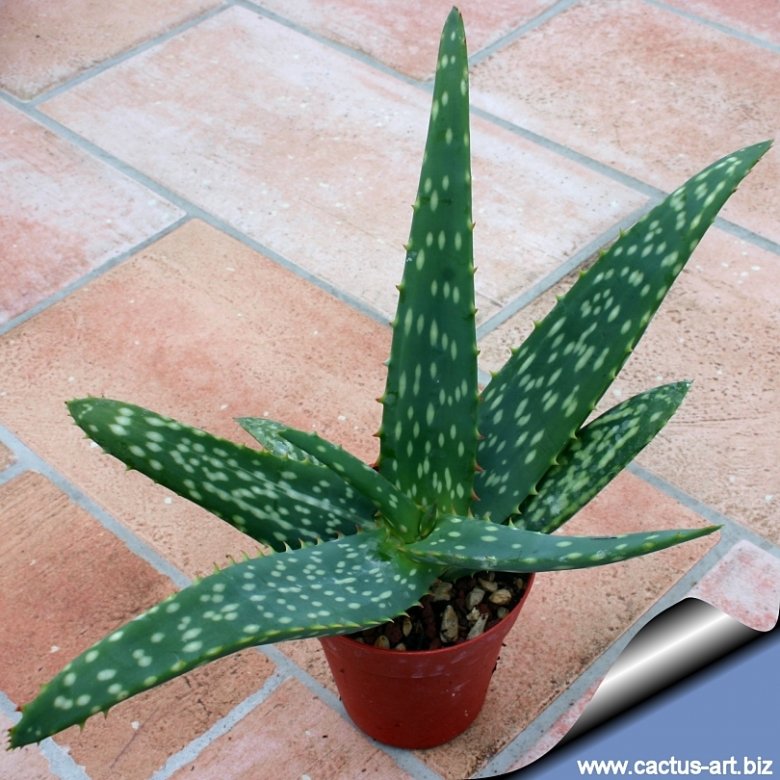
Compact clumping rosettes, up to 60 cm tall and 60-90 cm in diameter. It sucker below base from root and forms large groups.
Stem: Plants are usually stemless or with a short stem up to 30 cm long.
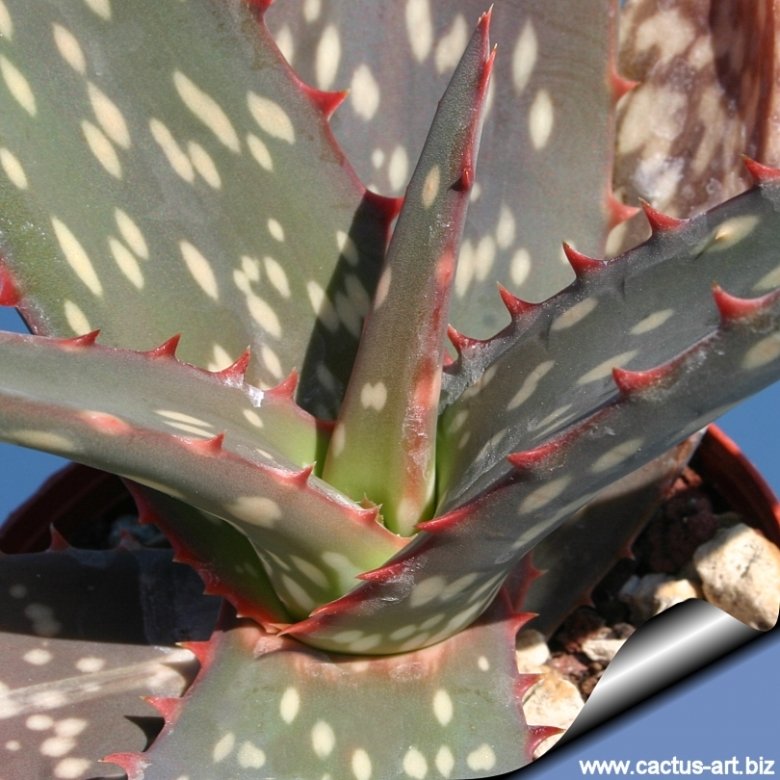
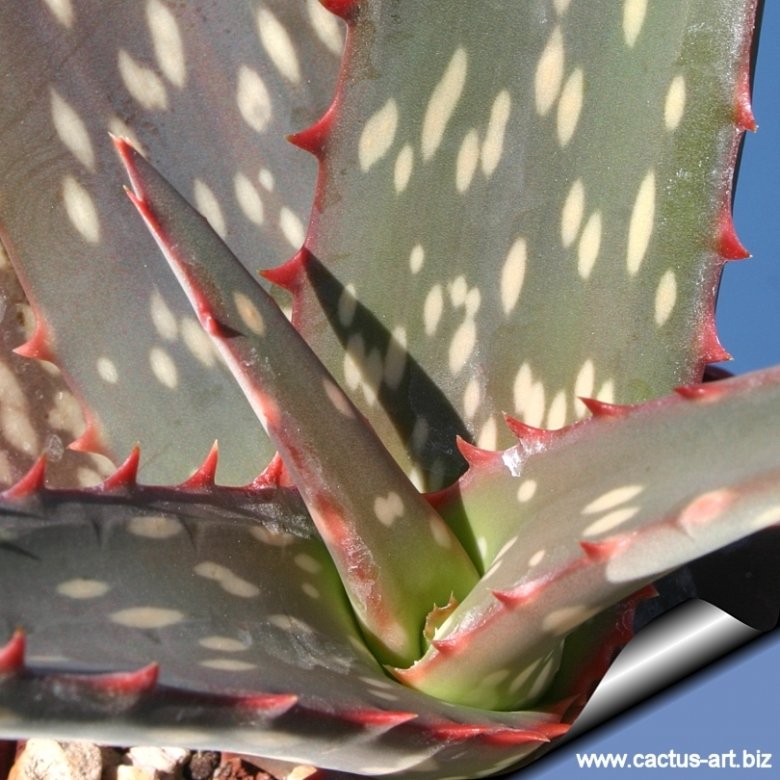
Leaves: The light-green leaves may sometimes be tinged reddish and have oblong white translucent blotches more or less arranged in a series of irregular transverse bands. The margins are soaked in pink and armed with more or less forward pointing sharp, horny pink to brownish teeth.
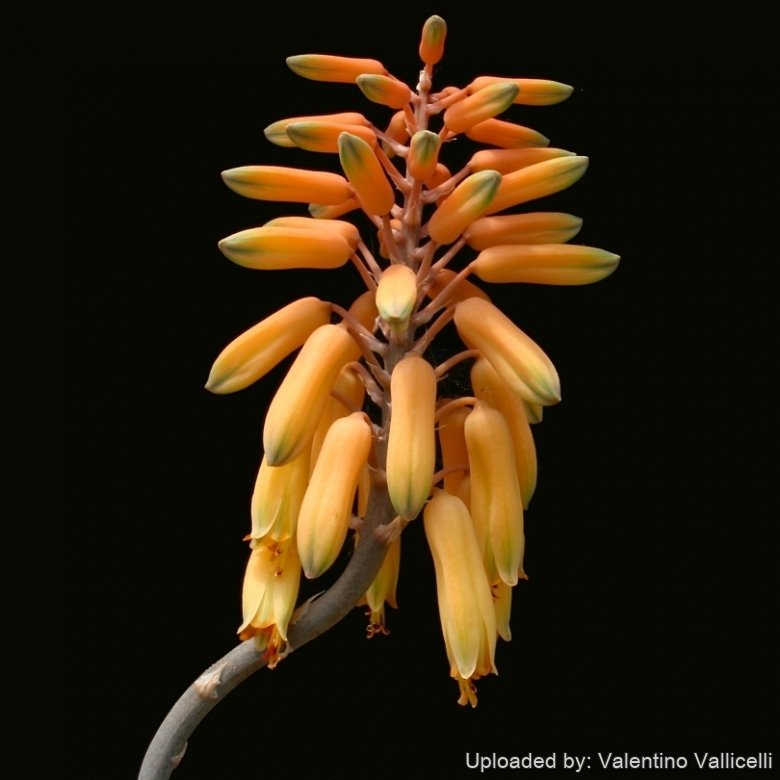
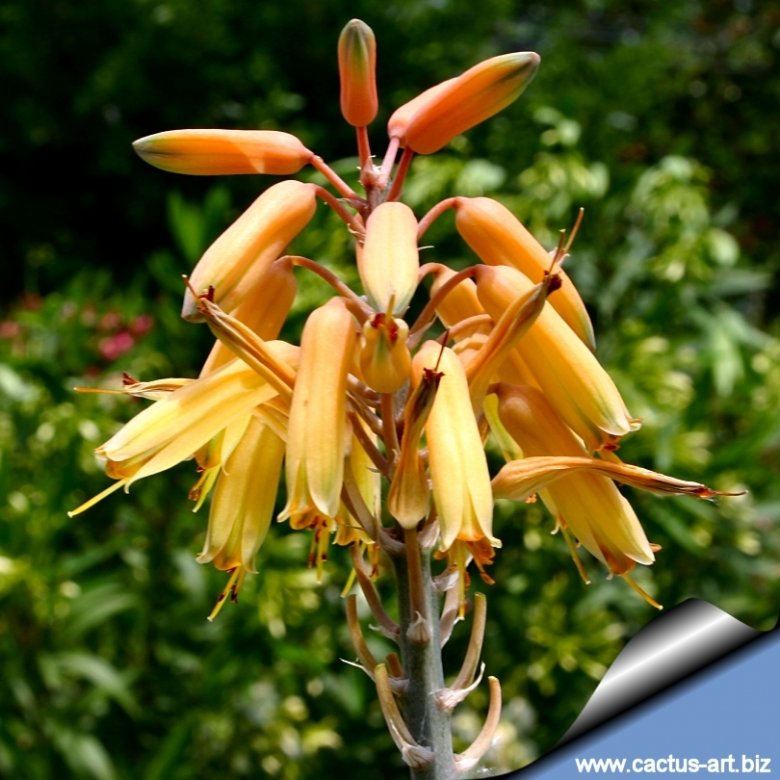
Flowers: Dangling, bisexual, pale yellow-green to bright orange, organized in simple (sometimes branched) pyramidal whorl on short flower stems. The flowers attracts hummingbirds at a time when there are not many other hummingbird flowers available.
Blooming season: Winter
Fruits: The fruit is a many-seeded capsule, dehiscing loculicidally.
Origin and Habitat
Sudan, Northern Africa.
Habitat: It grows in lowland plains, hills and mountains around 1000 m elevation in sandy soils in semi-desert vegetation type. The wild population has been decimated for its leaves which are valued in treatment of skin disease.
Cultivation and Propagation
Cultivation: Aloe sinkatana is easy to grow and adaptable, it suckers freely and can form dense groups. It can be grown in large containers. Always use a good quality, loamy sandy soil with plenty of drainage with chips at the bottom of containers. It tolerates weekly watering in the summer; once a month, or not at all in the colder months of December and January. Can withstand long periods of drought, but they will thrive and flower more profusely if watered in the correct season. Incorrect watering, poor drainage or too much shade can lead to attack by pests and diseases. It need full sun to partial shade, but plants grown in partial shade usually look healthier and more succulent. It is however very hardy when grown in full sun with the minimum water. This aloe is very tolerant of drought, although the tips of the leaves may wither and curl during hot, dry periods. Supplemental watering will help keeping the leaves plump and juicy.
Hardiness: Avoid freezing temperatures.
Maintenance: Removal of old flower stalks; Divide the crowded clumps periodically. It grows much better outdoors in spring and summer.
Propagation: By division of offshoots that develop around the outside of the main rosette in spring, the cuttings must be dried out for at least 1 week before planting in river sand. It can also be propagated or by seed planted in autumn, in trays of coarse river sand. Fresh seeds germinate quickly at 18°C.
Uses: Gardening: In mild climates it can be cultivated outdoors for use in landscaping, it can be grown in large, rocky, well-drained soil in gardens in drier areas. Aloe sinkatana adapts well to a variety of soils and climates, but will grow best in regions with a climate close to that of its native deserts not too cold, and not too wet.
It makes an excellent ground cover, grows best in a sunny position and makes a long lasting cut flower. They grow slowly, but not agonisingly so being able to increase their width by 10- 20 cm per year under favourable conditions.
Hybridizing: Must be a good flowerer and reproducer as hybrids with this species are flooding the aloe market, and are all over the botanical gardens.
Medicine: The leaf juice is valued locally to treat a variety of ailments including skin diseases, constipation, anthelmintic and haemorrhoids. The leaves are also used to treat fever, diabetic, tonsillitis and inflammatory colon.
Gallery