Description
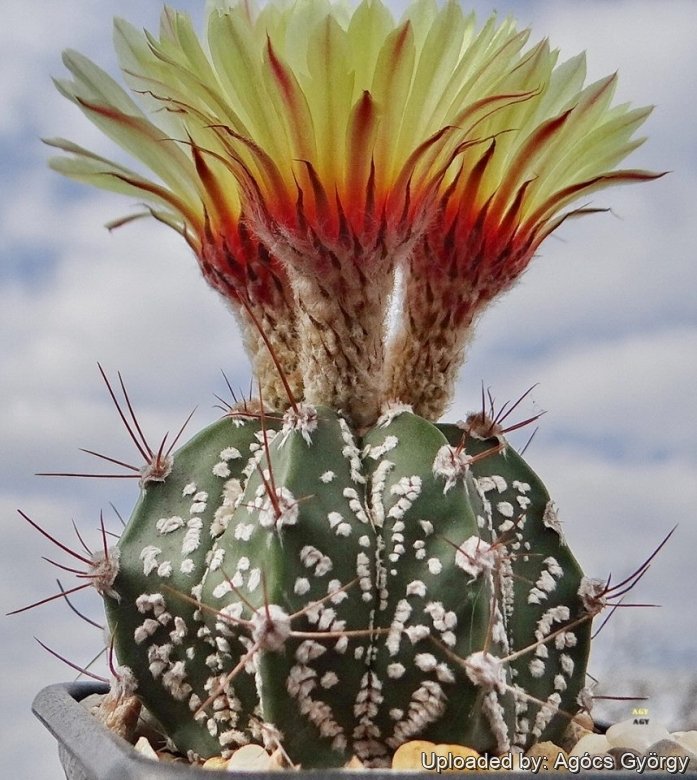
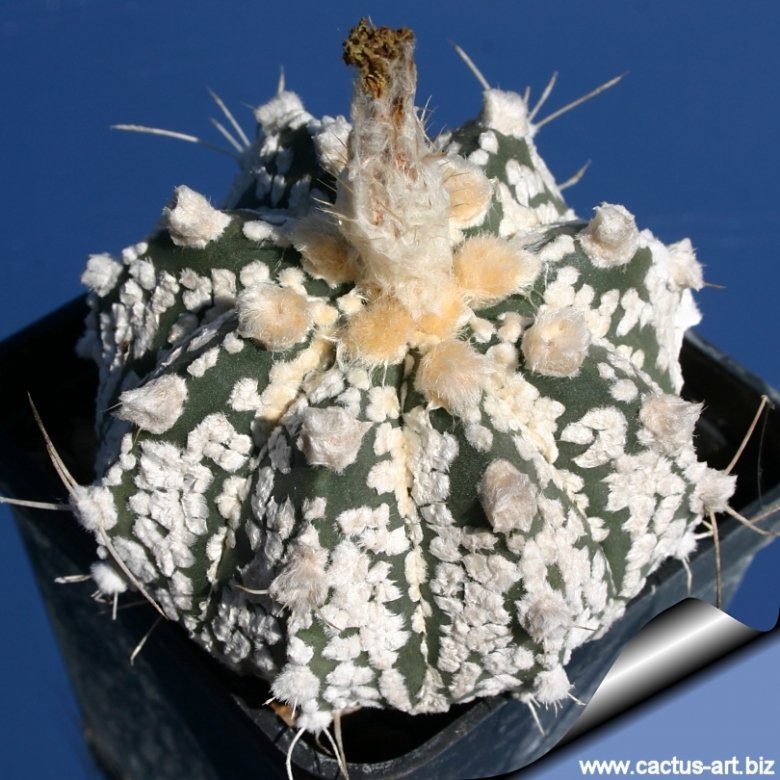
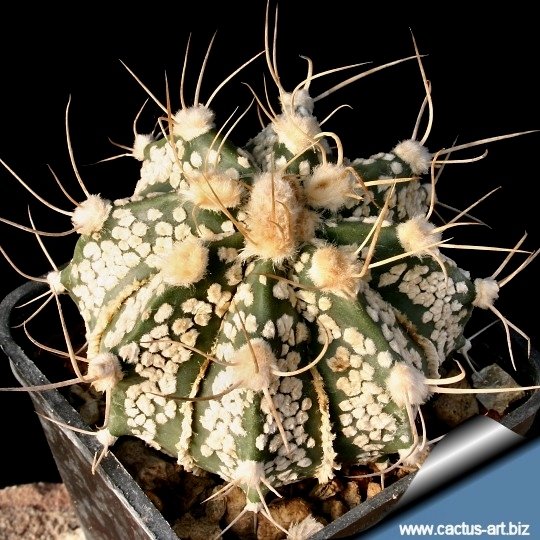
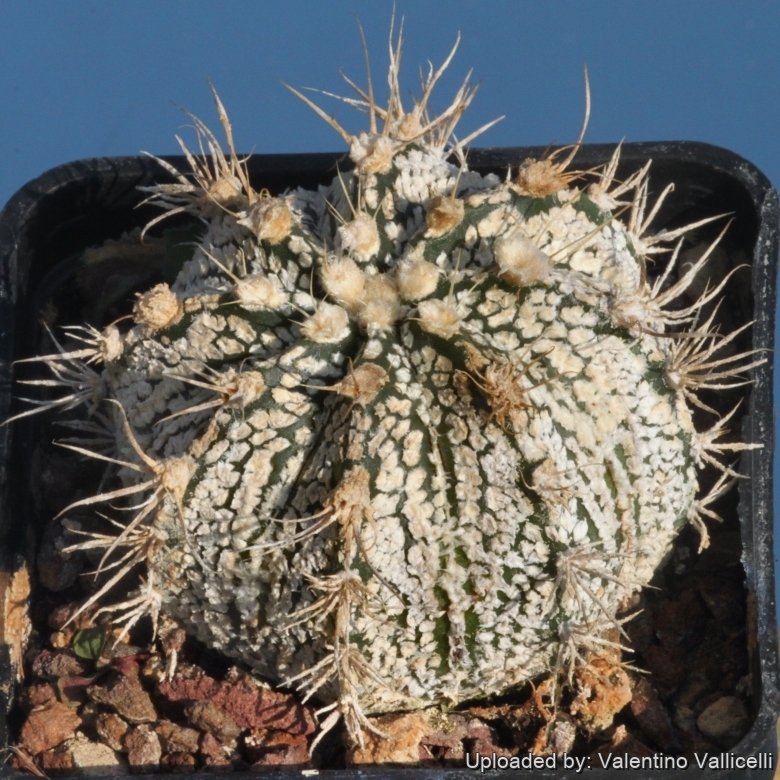
Astrophytum CAP-SK are hybrid plants obtained by controlled pollination of Astrophytum capricorne (Female parent) x Astrophytum asterias cv. superkabuto (Male parent or pollinator).
Many different hybrids have been developed involving A. capricorne & ‘Superkabuto’ and are now in cultivation.
The superb features of some of this hybrids are due to the intersection between the traits of the ancestors and make them very desirable. The more beautiful the pattern and the markings, the more sought after the plant. Many of the best have inherited from “Supercabuto” very large, white flecks. The ribs are noticeably raised and have more or less long spines, clearly indicating the relationship with A. capricorne.
This hybrid tends to be slow-growing. The flowers are also very beautiful.
Remarks: Compare with the inverse hybrid Astrophytum hybrid AS-CAP (A. asterias x A. capricorne) which is similar but with shorter spines.
Origin and Habitat
Garden origin (Nursery produced cultivar)
Cultivation and Propagation
It is not too difficult in a greenhouse, although grows quite slowly. The plants need a loose well-drained mineral soil. They need a good amount of light. Watering can be done weekly during summertime, if the weather is sunny enough, with a little fertilizer added. Kept this way, plants will show a healthy, although slow growth. They are frost hardy to -4° (-10°) C
Propagation: By seeds, remembering that seedlings dislike strong light and dry conditions and need to be repotted frequently. Eventually, as they become mature, they attain a maximum size of 8-10 cm (20) cm. Repot the seedlings regularly every 1-2 years, but after they reach 10 cm in diameter grow them slowly, and adopt a new repotting period, using intervals of every 2 - 4 years. Additionally grow them under drier conditions or with stronger sunlight. But plants are often grafted to accelerate growth as they would generally take at least a five years to reach maturity on their own, but the grafted plants are typical rather tall growing, compared with plants on their own roots that are usually more flat to the ground.
Gallery