Publication: Bot. Jahrb. Syst. 1(1): 44. 1880 [30 Apr 1880]
Description
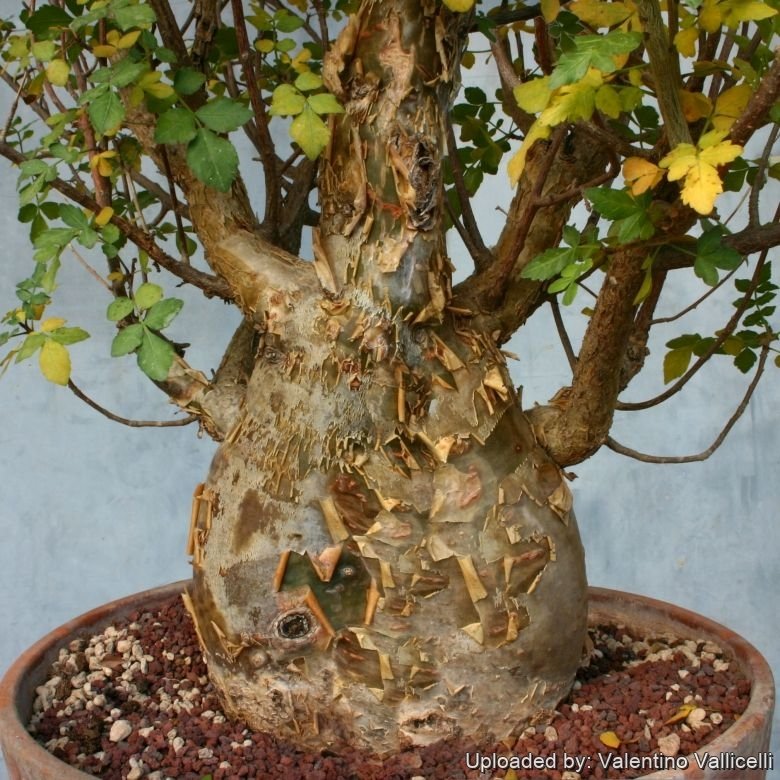
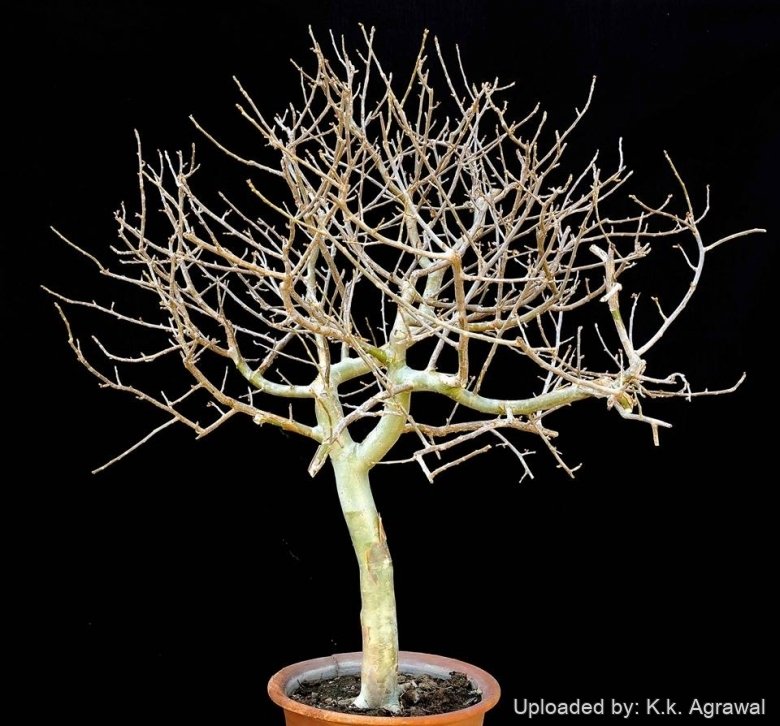
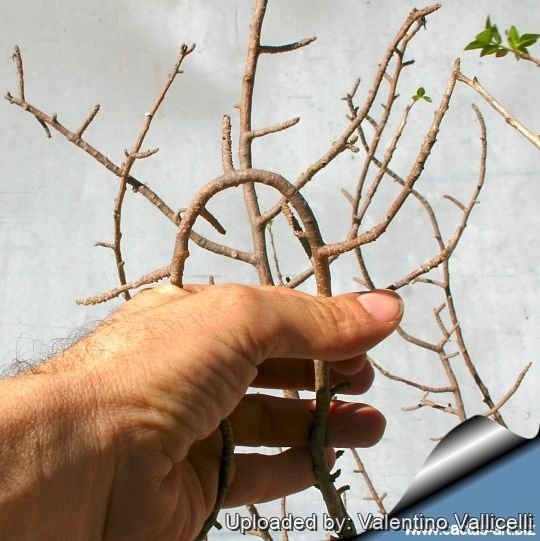
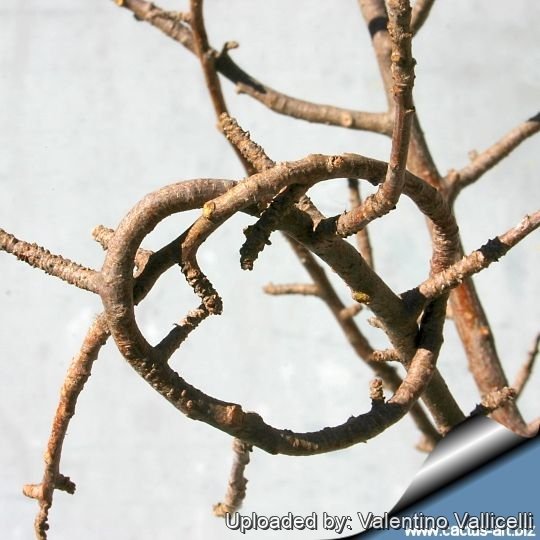
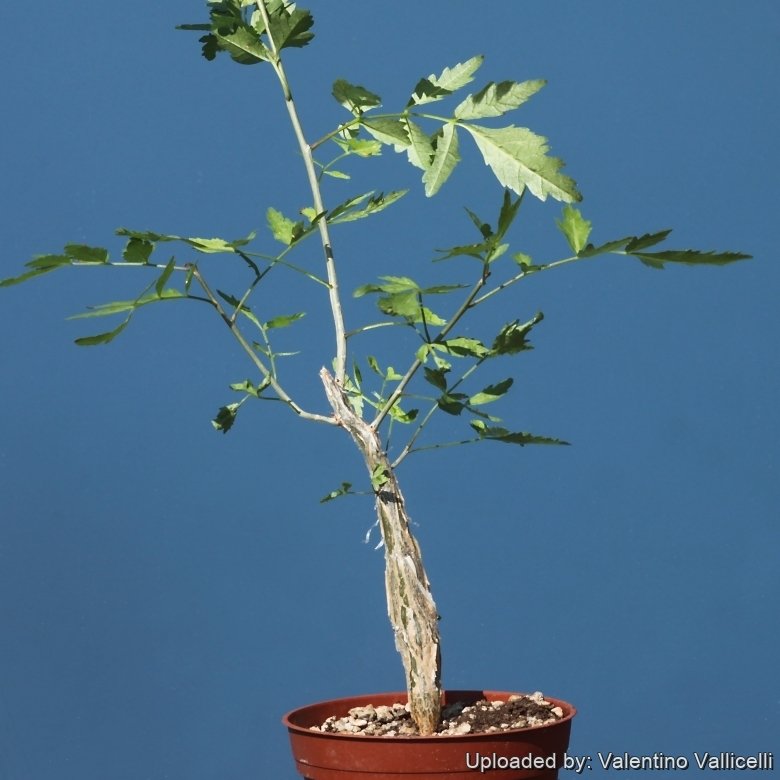
Bursera fragarioides is a pachycaul shrub or small aromatic tree 3-10 m tall with sculptural multi-trunk with Age, especially visible during deciduous drought periods. It lends itself perfectly to chuhin (midsize bonsai). This taxon is extremely variable and hybridize in nature with sympatricaly grown species and form a taxonomically difficult group.
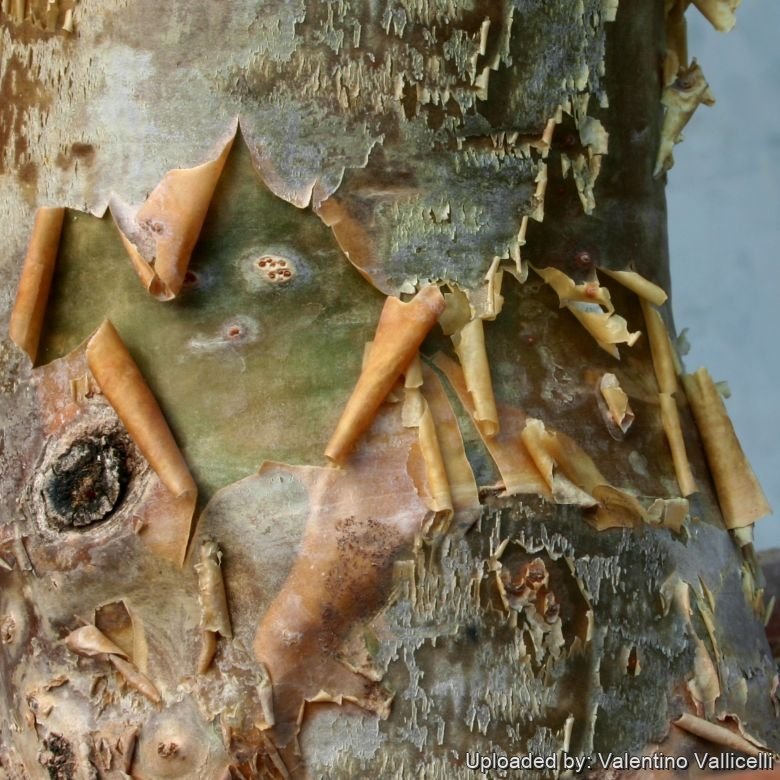
Stem: This species develops a swollen short, trunk (caudex), the bark is very attractive, tight and smooth, reddish brown, grey or yellow, flaky, papery and peeling to reveal grey-green. Twig are widespreading, resinous and stout but flexible, reddish brown.
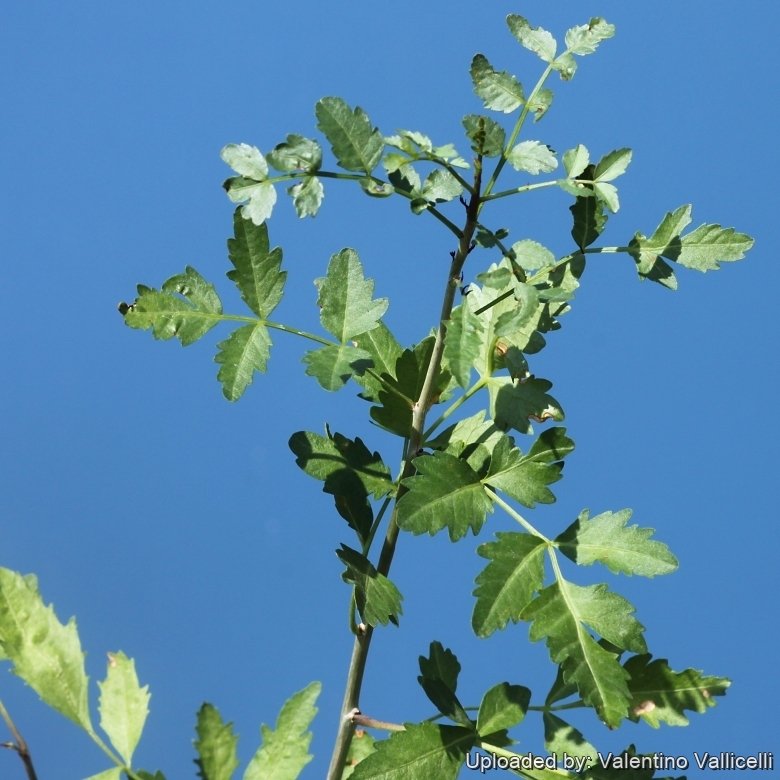
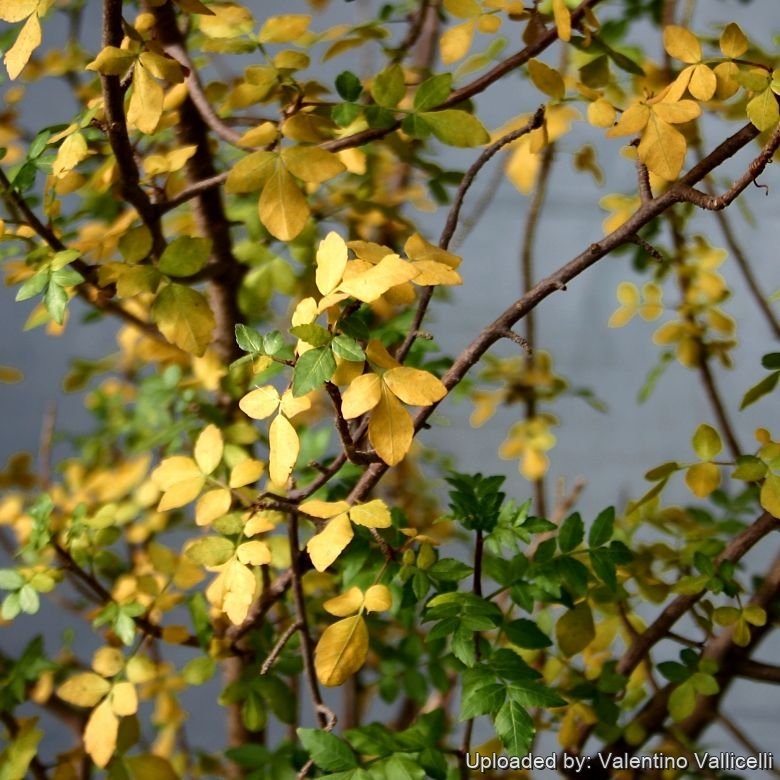
Leaves: Aromatic, alternate, imparipinnate with 1 to 7 pairs (rarely 9) of leaflets per leaf; broadly lanceolate, base cuneate, 0,5 to 3cm long and 0,3 to 1 cm wide, up to 10 cm overall, petiole 5 to 15 mm in length; glabrous on both surfaces, margin entire, sub-toothed, toothed or serrate.
Flower: Unisexual, small, creamy white, borne on long stalks, may be clustered, solitary or in pairs in the axils of leaves; calyx 1 to 2 mm long, glabrous; petals 3 to 6 mm long, whitish; stamens usually 6, sometimes 8 to 10; The female flowers usually with both sexes well developed but one of them usually is not functional.
Fruit: The fruit is a brown or bluish drupe about 5 to 8 mm in length maturing in late fall.
Origin and Habitat
Grows wild in the Sonoran Desert in north-western Mexico (Baja California and Sonora) and in southern Arizona.
Habitat: It lives in regions with extended dry seasons in warm-temperate deciduous broadleaf and mixed forests biome often on dry limestone cliffs.
Cultivation and Propagation
Bursera fagaroides is a striking drought-resistant shrub or small tree fairly easy to grow both indoors, as well as outdoors. It has potential as a landscape subject in the cactus and succulent garden essentially frost-free areas. In the winters it is deciduous. The leaves are aromatic when crushed.
Soil: Not picky about soil it do well in a draining cactus potting mix.
Hardiness: Hardy to -4°C they prefer a dormant, winter rest period, water regularly in summer, keep almost dry in winter.
Exposure: It needs full sun.
Waterings: It needs regular water when the plant has leaves, contrary to popular belief, it likes a lot of water in the warm summers to encourage faster growth, as long as it’s planted in a very well draining soil. Indoors it is best to err on the dry side, or it is prone to rot.
Bonsai culture: It can be trained as a bonsai, pinch and prune plants in spring and summer but taper off in autumn so the tree can store energy for the winter instead of using it to put on new growth before resting.
Propagation: By seeds or (rarely) by cuttings. Seed viability appears high regardless of season of collection. Seeds germinate germinate quite easily in 4-14 days in warm weather and seedlings develop rapidly. Cuttings made in summer may form roots and begin vegetative growth within eight weeks.
Notes
Its aromatic resin has been used traditionally in perfumes, incense, and oils throughout the centuries. The copal incense can be burned on a incense burning disk, its smell is said to calm and clear the mind.
Cultivars and forms (1)
Forms (1)
Gallery