Publication: Succulenta (Netherlands) 52: 143 1973.
Description
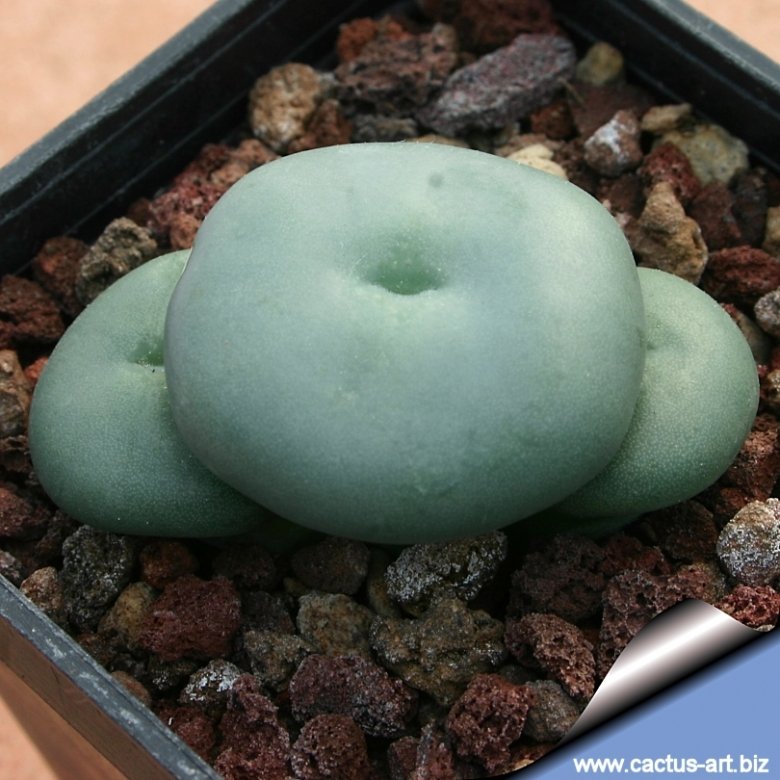
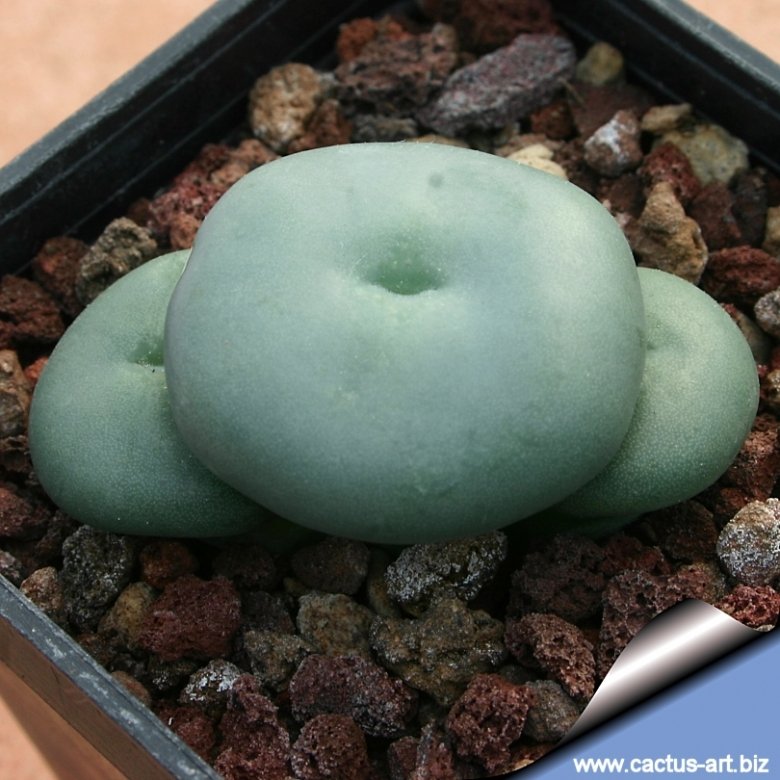
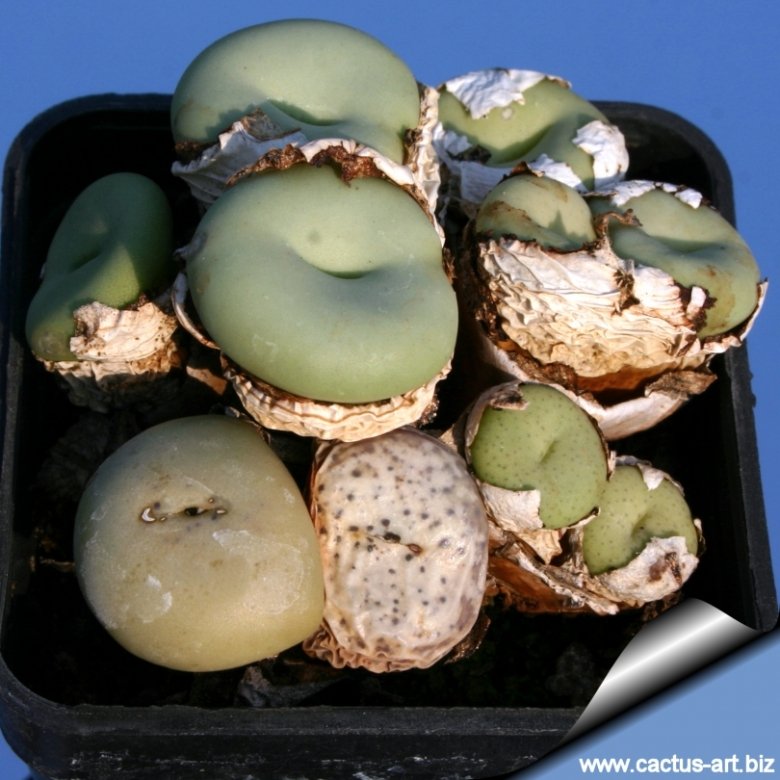
Conophytum pearsoni has been reclassified from being a stand alone species to a variety of Conophytum minutum, it is one of the smallest or dwarf cushion forming succulent (but not so-minute as C. minutum is) that offsets readily forming small tightly packed clumps. It makes, geometrical clusters of plants bodies, a sphere formed of spheres.
Stem: It is stemless (branches subterranean) or branch aerially.
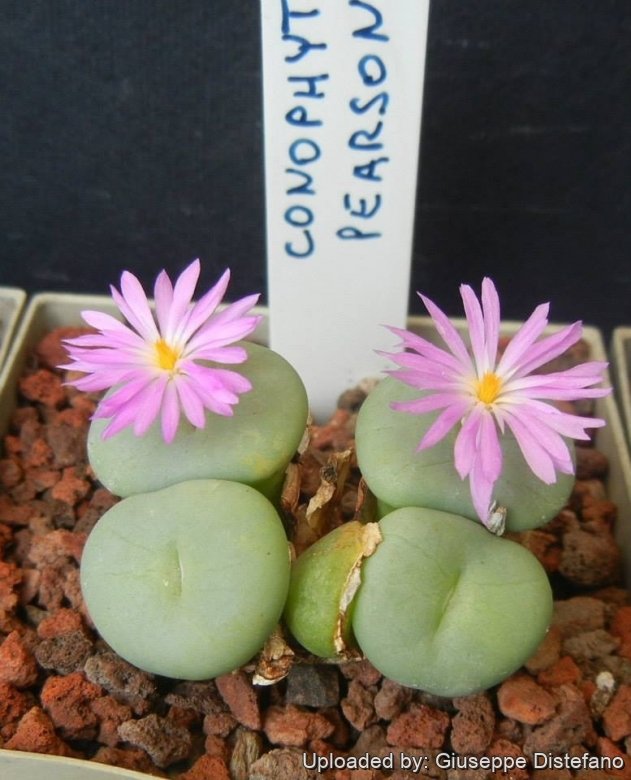
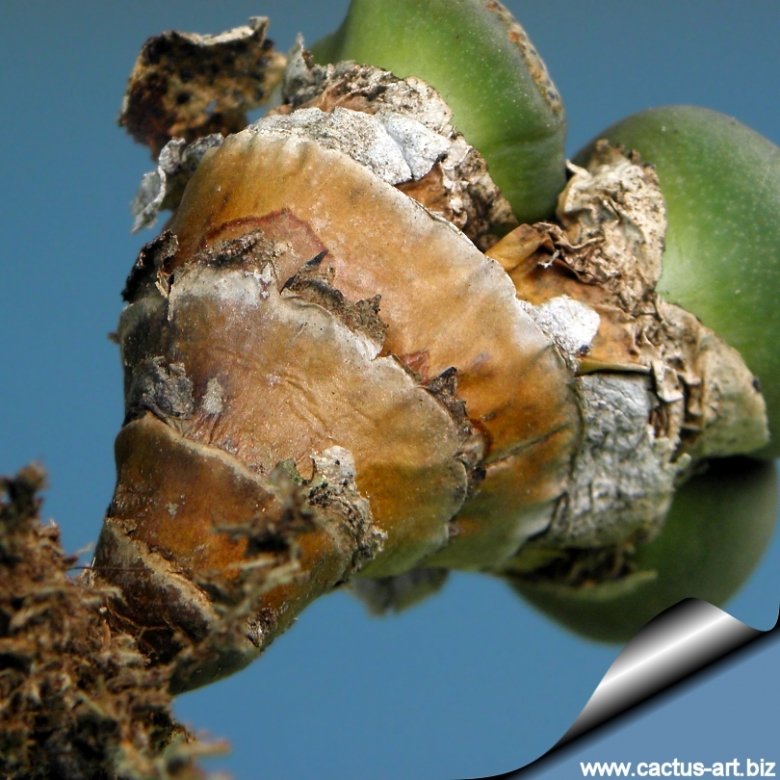
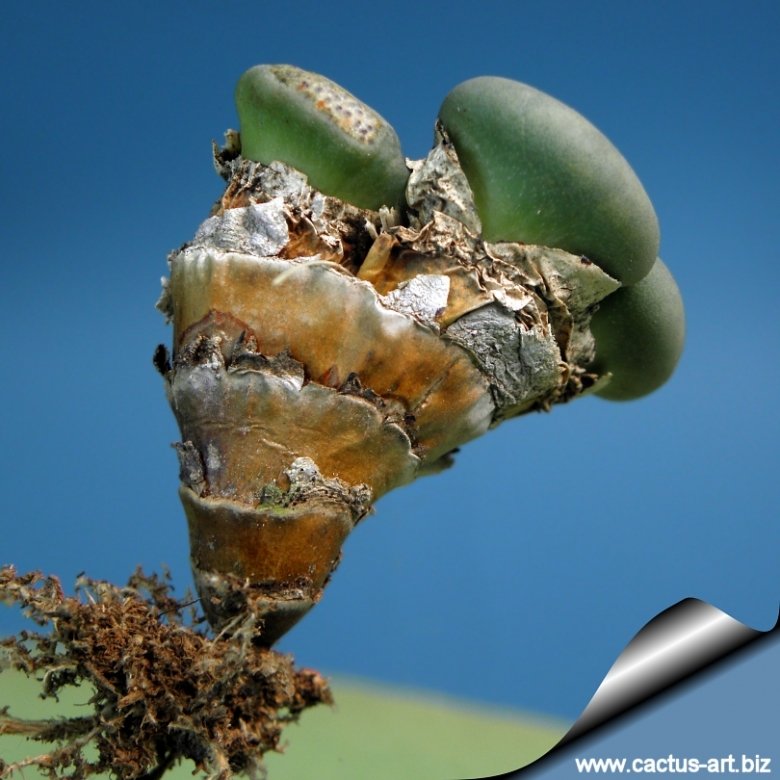
Bodies (paired leaves): It have tiny roundish, slightly elongated heads with large flat or concave tops 12 to 29 mm tall and the same in width, broadly conical with flattened crown. Shiny, smooth dark blue-green to grey-green covered with darker spots. The densely spotted thick sheaths are papery to leathery.
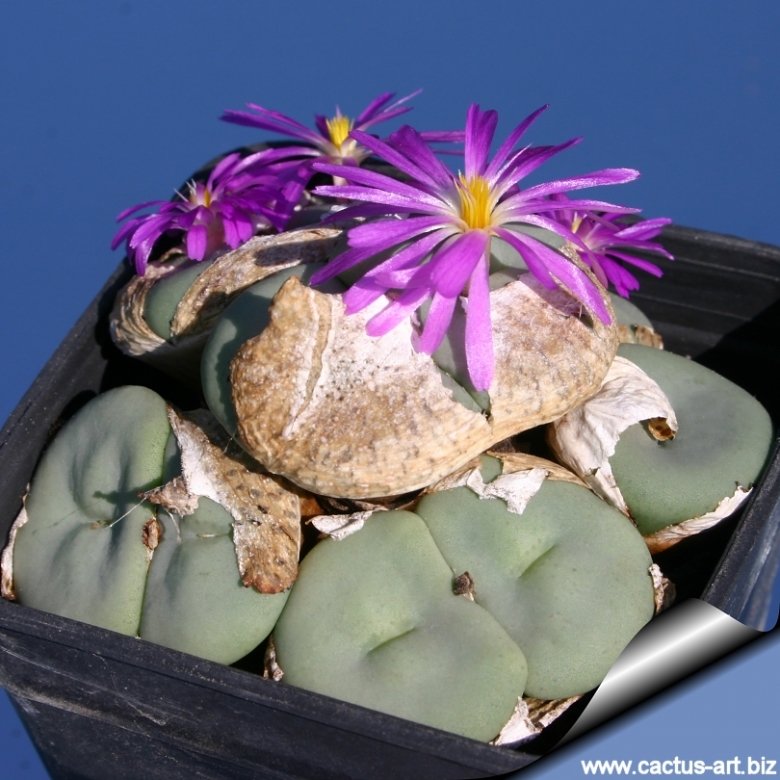
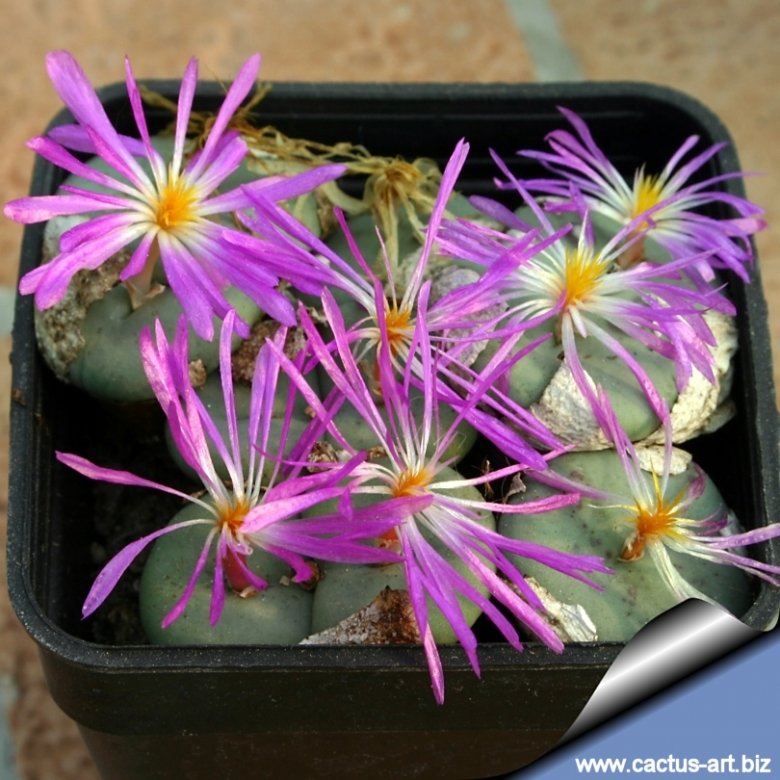
Flowers: Produces masses of glossy, pale violet to mauve blooms that emerge from a fissure about 3 mm long. They are simple, daisy-like, scentless, early diurnal, and about 20 mm across.
Blooming season: They arise at the beginning of the growing period in September to October. Seedlings are capable of bearing flowers within 2 to 3 years.
Origin and Habitat
Northwestern South Africa, near Bakhuis
Habitat: It forms odd, almost fake looking clumps on bare rock on Namaqualand quartzfield habitat. This species thrives in full sun.
Cultivation and Propagation
It is relatively easy to grow. These plants grow on winter rain and head for summer dormancy. More or less dormant in summer.
Soil: Use well-drained soil mix.
Water: The plant requires little water; otherwise its epidermis breaks (resulting in unsightly scars). Water throughout the year although minimally in summer, (only when the plant starts shrivelling), but it will generally grow even in summer if given water. Water regularly in winter after the previous year’s leaves have dried up. Requires good drainage.
Exposure: Plants prefer morning sun and some protection against afternoon hot sun in mid-summer; it needs full sun or light shade in the other seasons. Keep dormant in summer and keep protected during this period.
Hardiness: Hardy to -2°C. Ensure a very good ventilation.
Manteinace: Avoid to repot frequently. This plant may stay in the same pot for many years. Plants grown in larger containers have frequently relatively poor flowers. It might improve when the plants are given their own, small individual pots. With age the plants can grow raggedly leggy and it is best to renew them from cuttings.
Propagation: It can be reproduced both by cuttings and seeds. Take the cutting from a grown-up mother plant. Each cutting must contain one or more heads, along with a fraction of root.
Notes
Plants of the genus Conophytum are also known as ‘living pebbles’. During the rest period (the summer months in Europe) a new body forms inside the old, gradually taking all the substances from it until all that remains is the skin, which dries and protects the young plant from the heat of the sun and excess evaporation of water. The resting Conophytum protected by this dry cover resembles a pebble and hence the name ‘living pebble’. The growth period of most species is from August to March. The temperature should be about 10 to 12°C
Gallery