Publication: Cactus (Paris) xv. No. 66, 22 (1960)
Description
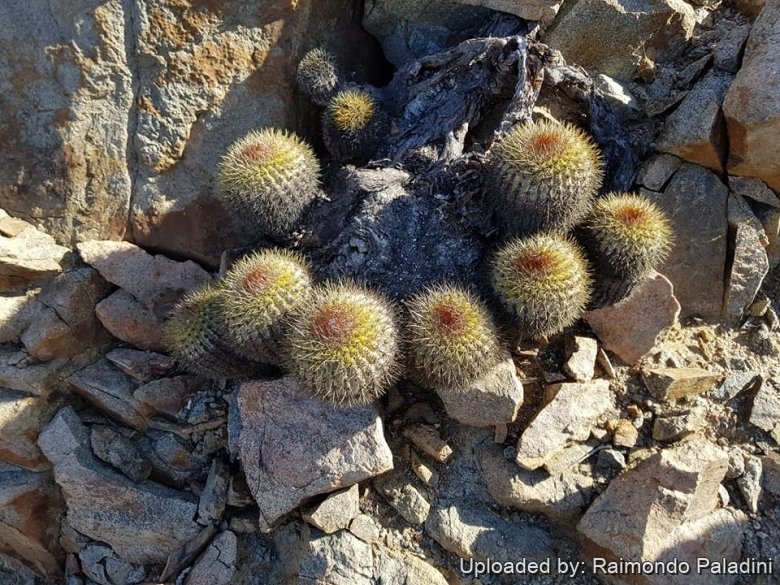
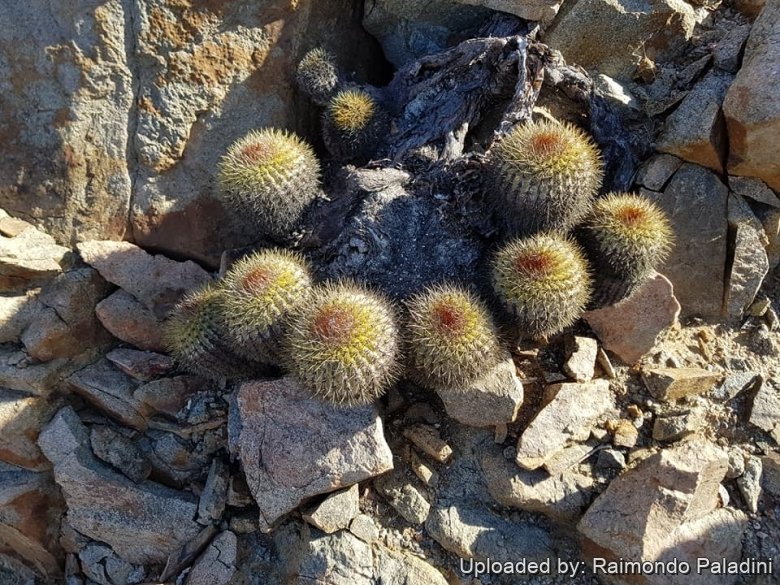
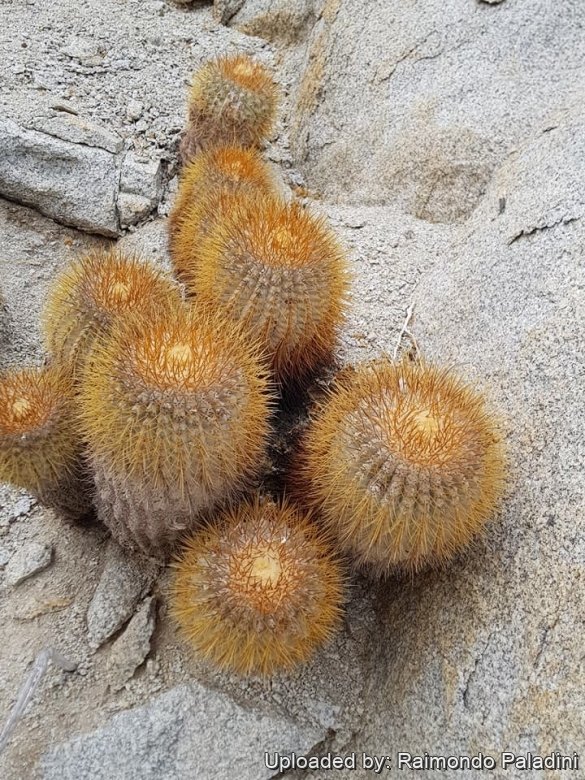
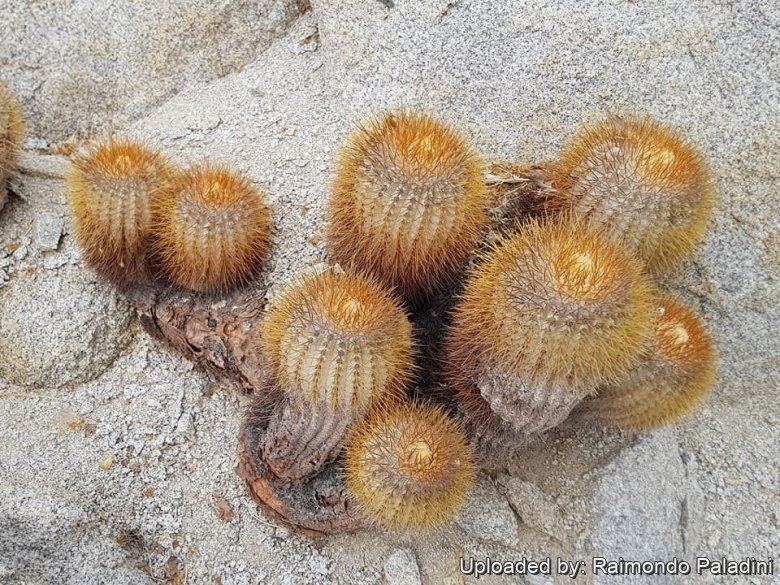
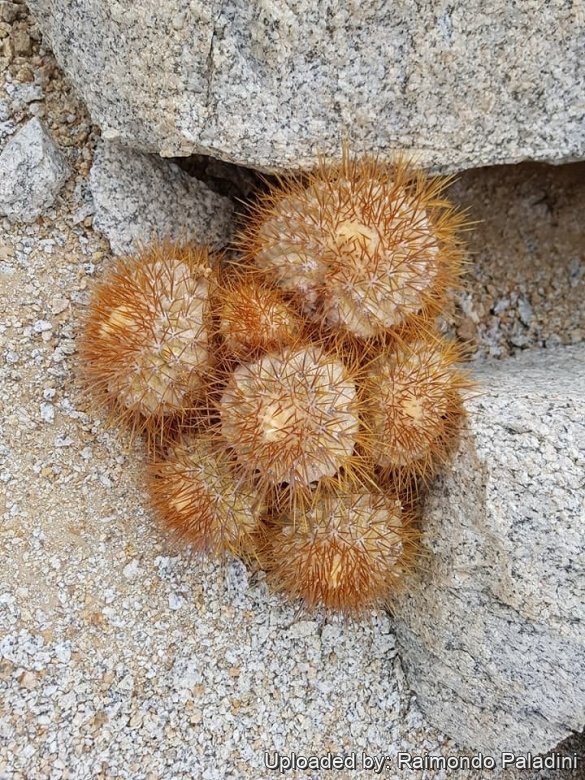
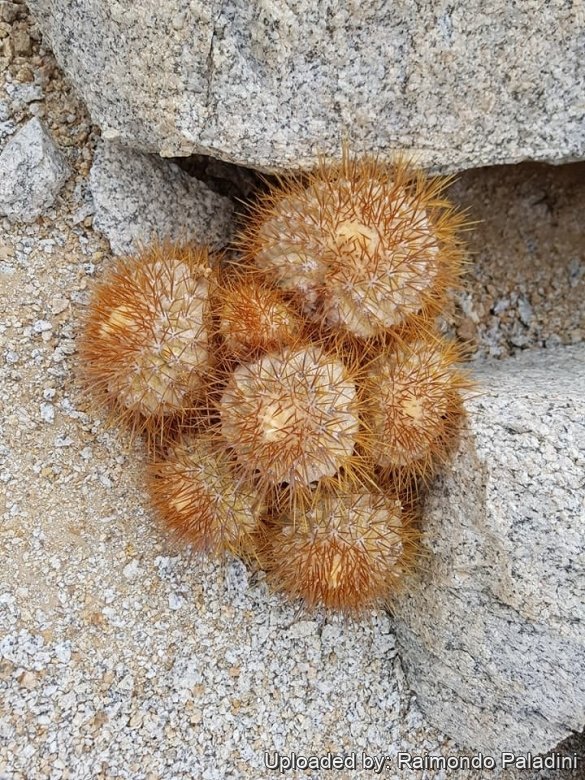
Copiapoa serpentisulcata is a solitary to strongly branching species that eventually can form clusters up to 60 cm tall and up to one meter in diameter.
Root: Thickened, conical and short.
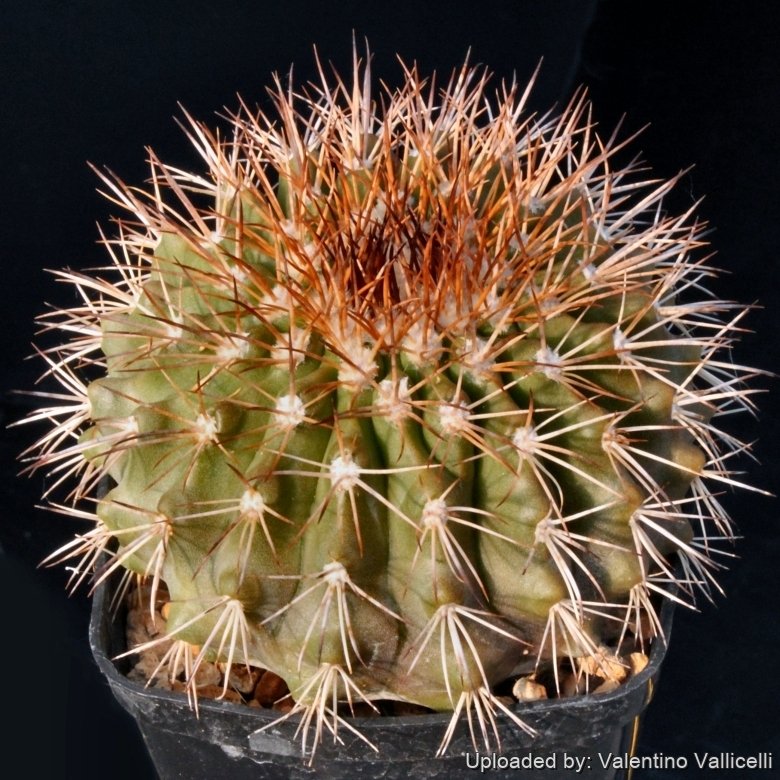
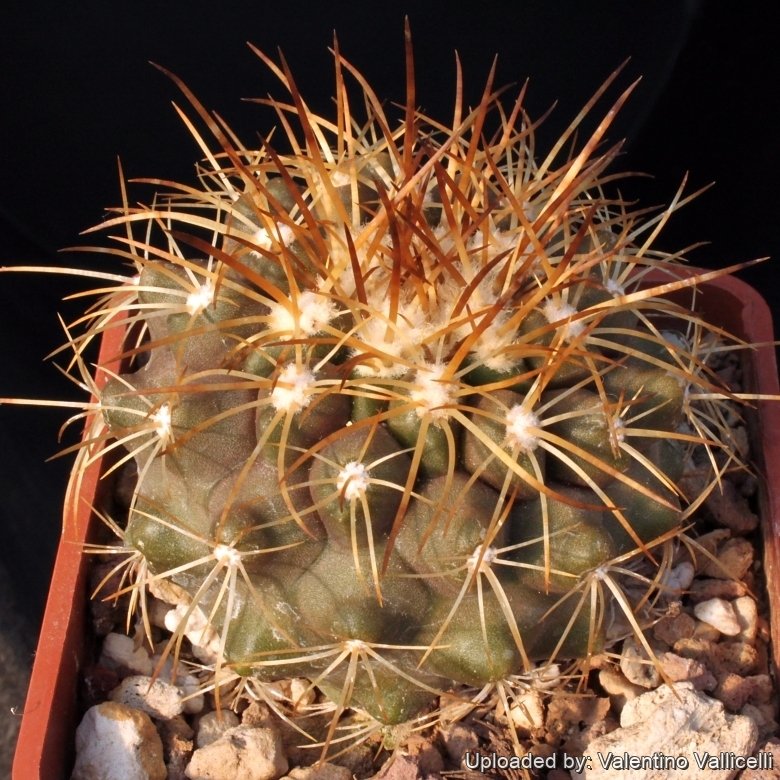
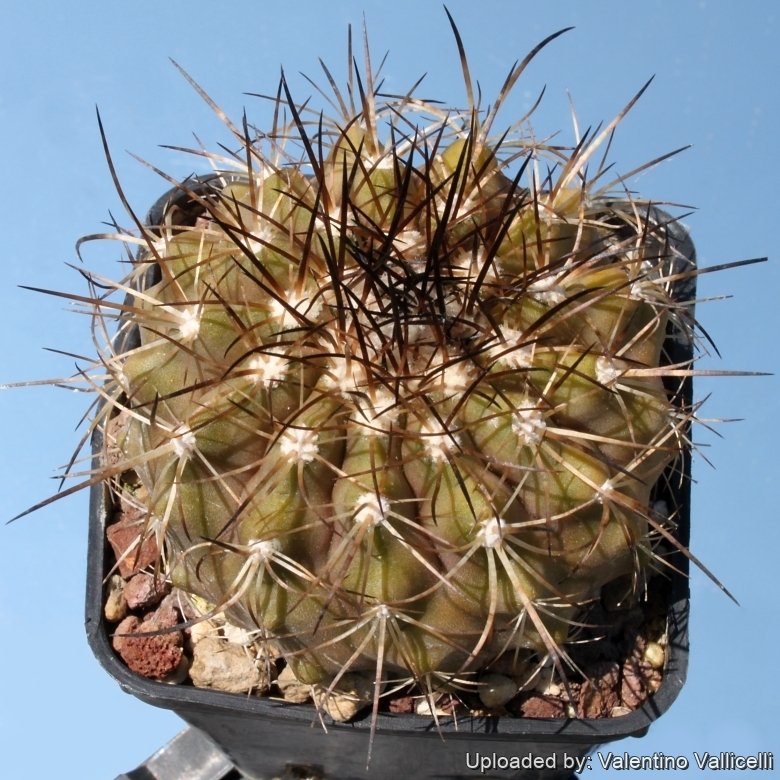
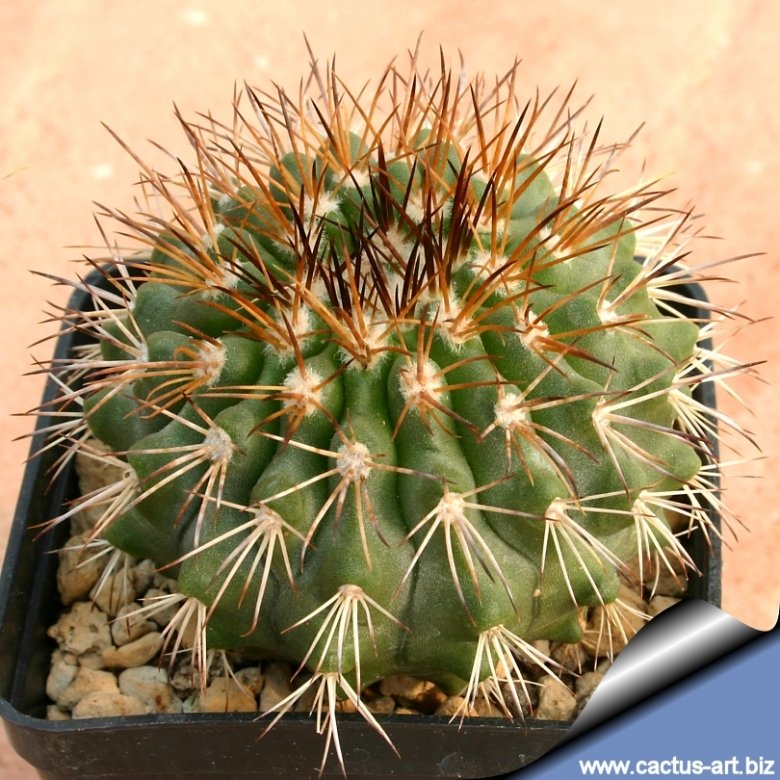
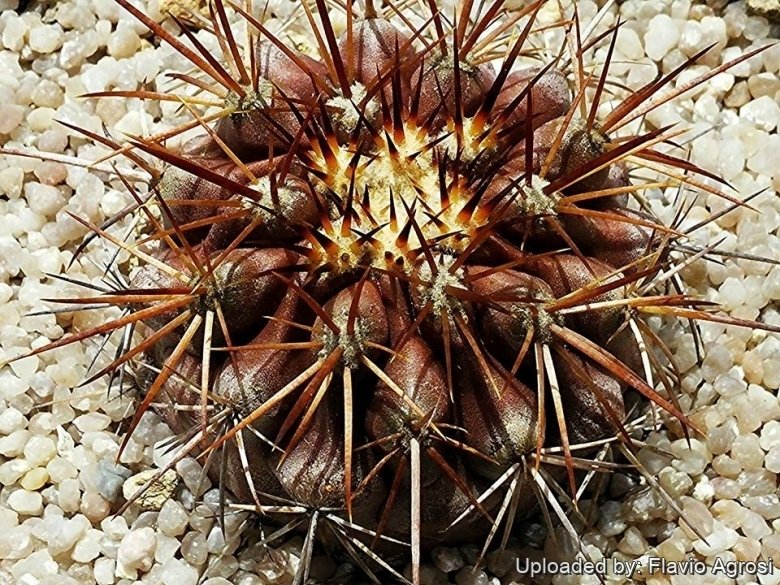
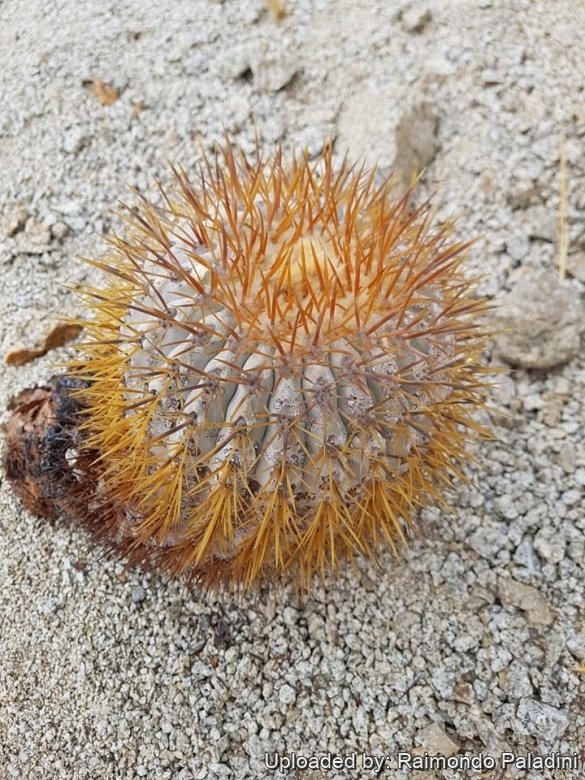
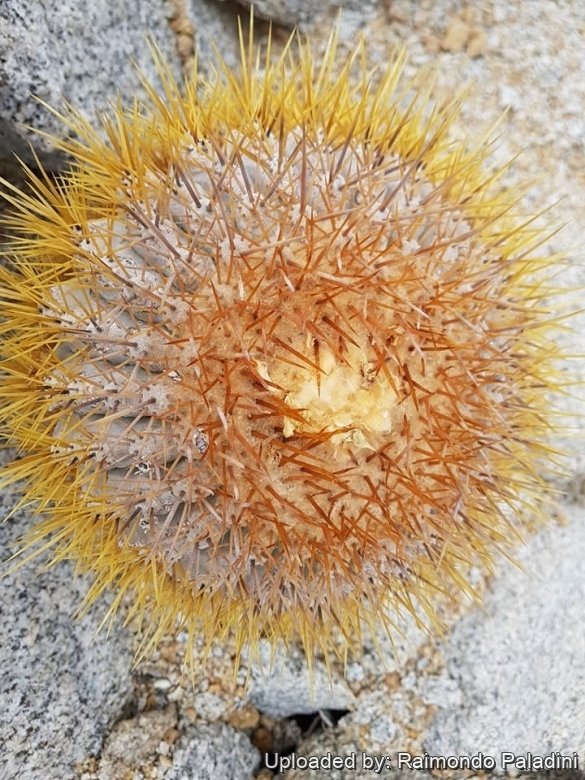
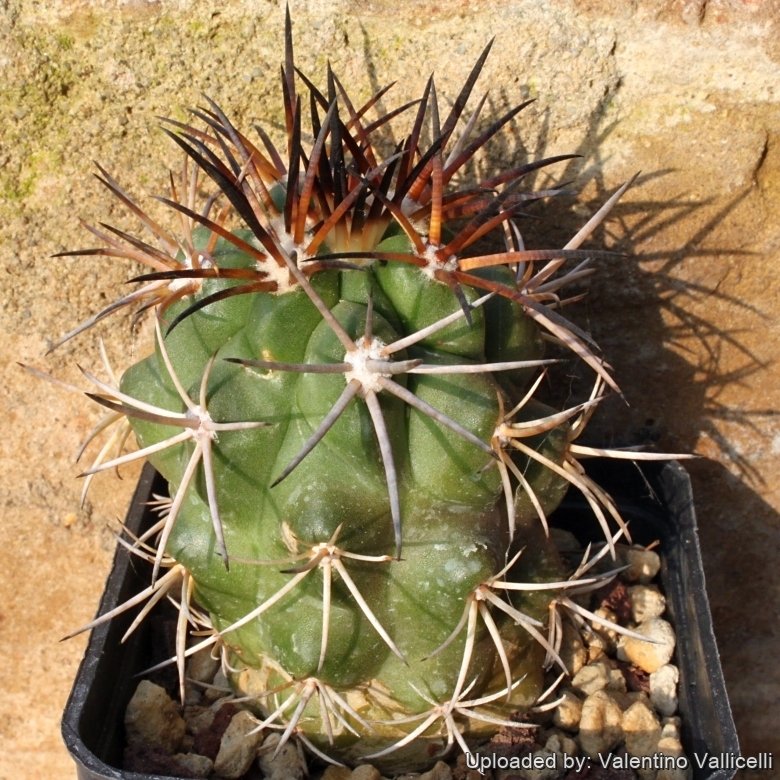
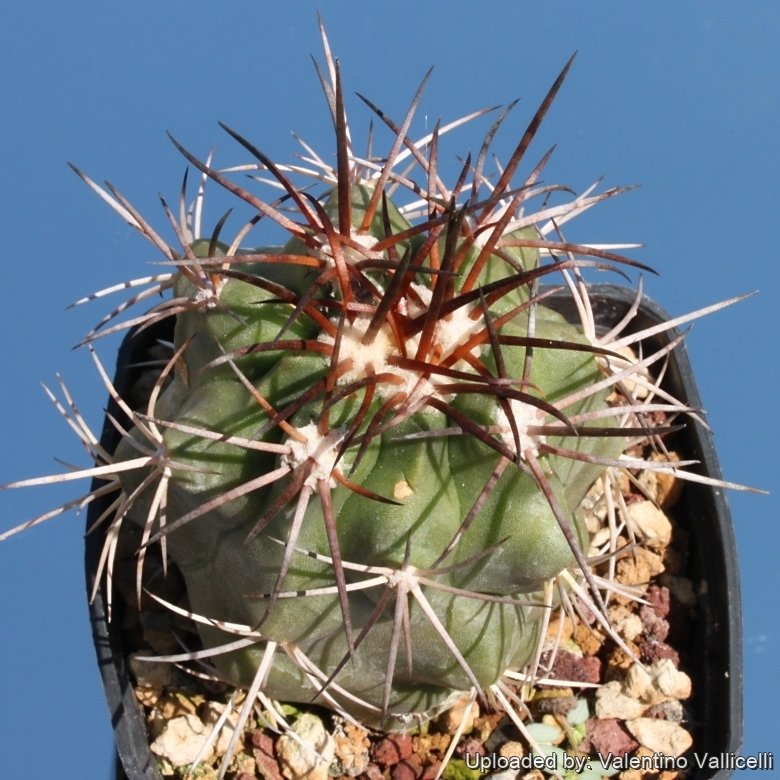
Stem: Flattened globular, grey-green, pale brown to coppery-brown in full sun, 6-10 cm in diameter. Apex flattened, covered with yellow felt and densely spiny.
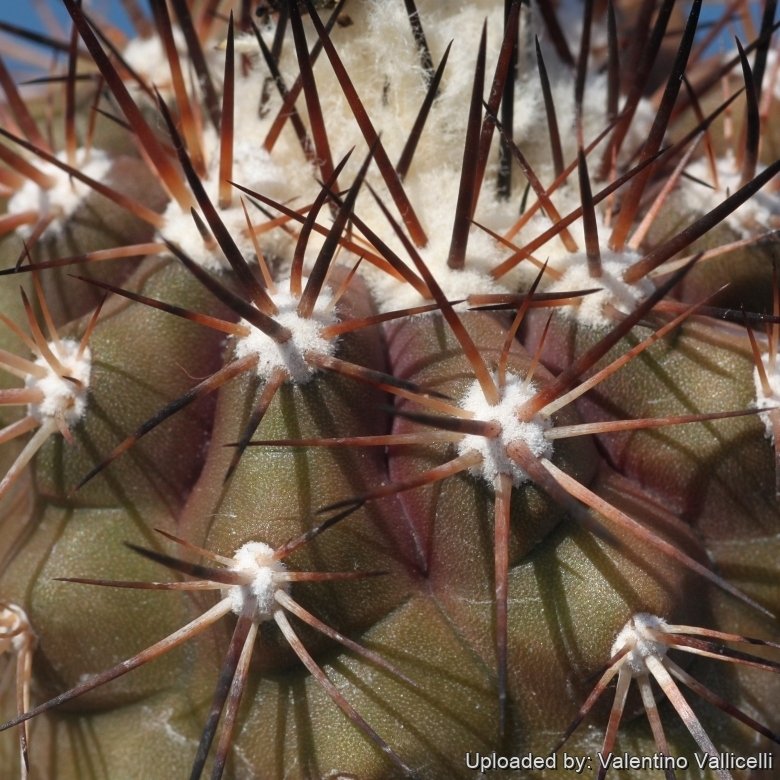
Ribs: 18-23 wider than high with pronounced nipples and wavy grooves between the ribs.
Areoles: Circular pale yellowish, later becoming grey.
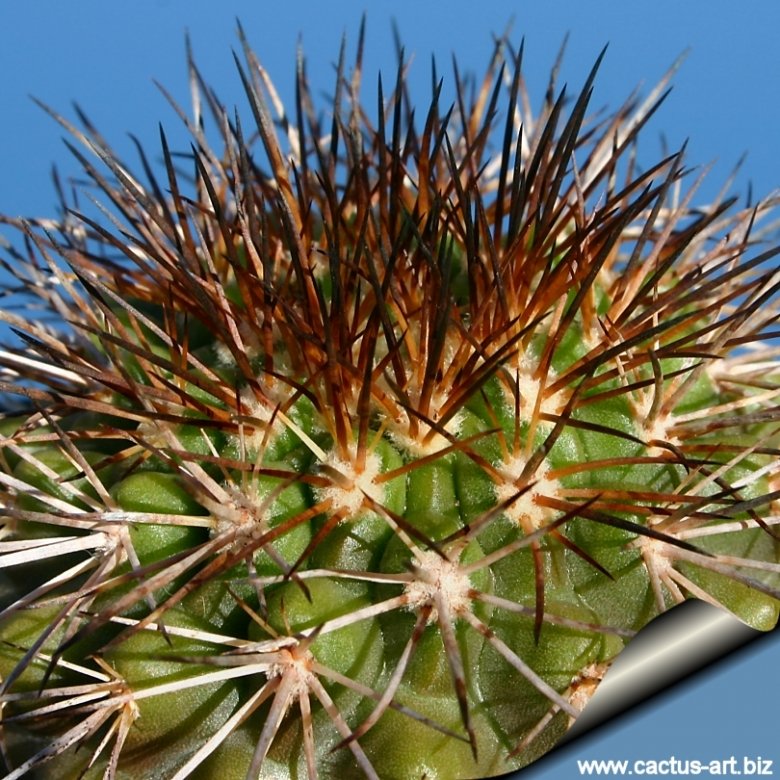
Spines: Light brown or amber with darker brown tips becoming grey with age, straight, acicular, of which 1 to 4 central spines 1-2 cm long and 6-8(rarely more) protruding radials 1-1,5 cm long.
Flowers: yellow 2,5 to 3 cm long and fragrant with the typical smell of Copiapoa. Inner tepals rounded at the tip, pale yellow , outer tepals with reddish midrib.
Fruit: Covered with triangular scales, 12 to 15 mm in diameter, reddish green to red or brownish-salmon.
Seeds: 1 x 0.6 mm.
Origin and Habitat
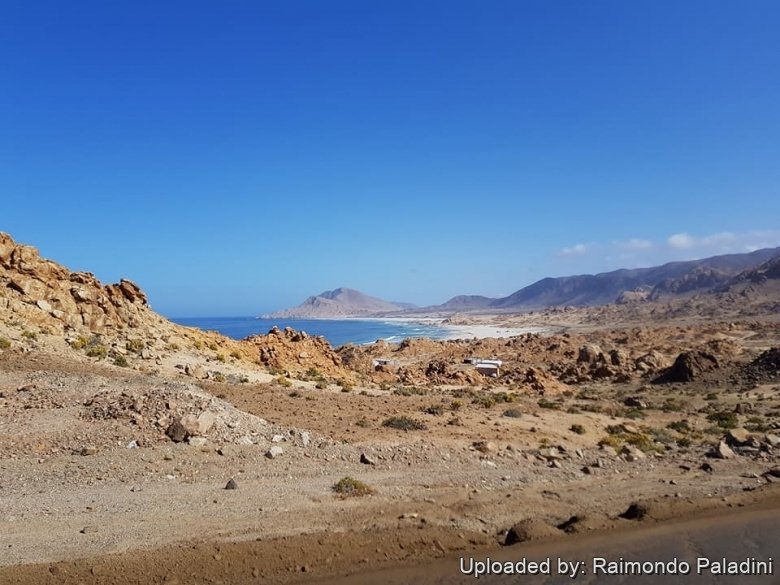
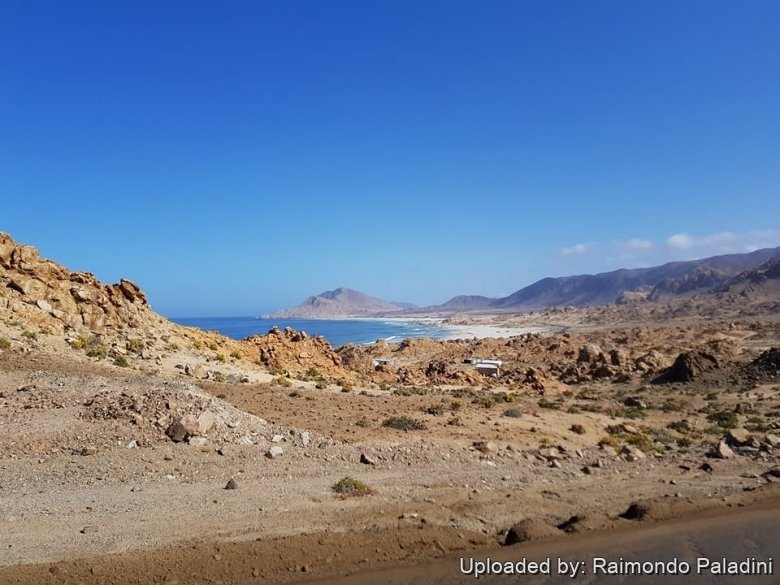
Chile, Región Antofagasta, north of Chañaral to Pan de Azucar National Park.
Altitude: 30 to 400 m
Habitat: Coastal areas of the Atacama desert on marine terraces usually restricted to granite outcrops, usually at the base of the rocks on sand and gravel. They grows isolated or in association with Eulychnia iquiquensis and Copiapoa cinerascens. It’s a very drought tolerant species. Despite the lack of rain where it lives, the extreme aridity is attenuated by the frequent, often dense, coastal fogs. The fog tends to concentrate in the form of a cloud band. It shows a recurrent pattern; usually it is overcast in the early mornings, the clouds dissipating during the late morning and returning during the late afternoons.
Cultivation and Propagation
This extremely slow growing cactus is kept for the beauty of its form. It must be protected from excessive heat and sun in summer, and seems to do best in cultivation with a bit of shade. It requires light but regular waterings in summer, but let the soil mix dry between waterings, Prone to rot if over-watered. Needs good drainage. Keep warm and dry in winter (10°C) to avoid rot. Not highly tolerant of a great deal of frost. (Frost tolerance 0°C)
Propagation: Seeds (or offsets if available), Grafting is often used to speed growth rate and to create a back-up to plants in collection.
From llifle page Copiapoa goldii
Description
Copiapoa goldii is a nomen nudum (undescribed name) used by some seeds collectors and succulent traders to indicate plant from different provenances. The few field name referred to this controversial taxon may not fit to the same species.
Field number PV2172 (Collector: Petr Pavelka fron Cifuncho) is probably a form of Copipoa serpentisulcata with short dense golden spines. (but Cifuncho is about 75 km from the Copiapoa serpentisulcata area, and the only Copiapoa found in this place are Copiapoa rupestris and Copiapoa sp. Cifuncho which is probably a form of Copiapoa longistaminea)
Field number KK603 (Collector: Karel Kníže from Chanaral to Esmeralda) probably correspond to a form of Copiapoa cinerascens.
Field number JN841 (Collector: Jan Novák fron Cifuncho) Same as PV2172 (?)
Field number BIG 100 (Collector: Ignazio Blando) Locality: Cifuncho, more than 20 ribs (Copiapoa longistaminea?)
Origin and Habitat
Cifuncho (or Chanaral to Esmeralda?) Chile.
Cultivation and Propagation
Considering that Copiapoa comes from a habitat with an extremely arid climate, they are remarkably tolerant of pot culture. They requires also an appropriate air circulation. Copiapoas are summer grower species easy to cultivate.
Growth rate: This is a slow growing cactus kept for the beauty of its form that will make clumps given the best conditions.
Soils: It likes very coarse mineral cactus mix soil, but can become too elongated if compost is too rich.
Repotting: Use pot with good drainage.
Watering: It requires light but regular waterings in summer, but let the soil mix dry between waterings, but do not overwater (Rot prone), it must be strictly kept dry throughout the winter quiescent period since it is very sensitive to any moisture excesses keep dry in winter.
Fertilization: Feed with a high potassium fertilizer in summer.
Hardiness: Not highly tolerant of a great deal of frost. They need to be kept in a cool place during winter rest and are resistant to light frost if kept on the dry side prior to, and during, cold weather ( they are hardy to -2 C ° C short periods). However some warmth throughout the year will increase the grower’s success (minimum 5° to 10°C during rest season).
Exposition: Requires full sun or light shade and careful watering to keep plant compact with strong coloured spines. Tends to bronze in strong light, which encourages flowering and heavy spine production. Light shadow my be useful in the hottest summer days.
Uses: It is an excellent plant for container growing. It always looks good and stays small. It look fine in a cold greenhouse and frame or outdoor in a rockery.
Pests & diseases: It may be attractive to a variety of insects, but plants in good condition should be nearly pest-free, particularly if they are grown in a mineral potting-mix, with good exposure and ventilation. Nonetheless, there are several pests to watch for:
- Red spiders: Red spiders may be effectively rubbed up by watering the infested plants from above.
- Mealy bugs: Mealy bugs occasionally develop aerial into the new growth among the wool with disfiguring results, but the worst types develop underground on the roots and are invisible except by their effects.
- Scales: Scales are rarely a problem. It is wise to treat your whole collection with a systemic insecticide twice a year in spring and autumn.
- Rot: Rot is only a minor problem with cacti if the plants are watered and “aired” correctly. If they are not, fungicides won’t help all that much. To prevent rottenness it is also advisable to surround its root neck by very rough sand or grit, this help a fast water drainage.
Propagation: Seeds (or offsets if available), Grafting is often used to speed growth rate and to create a back-up to plants in collection. Seeds germinate in 7-14 days at 21-27° C in spring, remove gradually the glass cover as soon the plants will be well rooted (ca 1-2 weeks) and keep ventilated, no full sun for young plants!
Source: Copiapoa goldii, LLIFLE - Encyclopedia of living forms, CC-BY-SA, retrieved 2026-10-25.
Cultivars and forms (1)
Forms (1)
Gallery