Publication: Gen. Echinocereus 78. 1985
Description
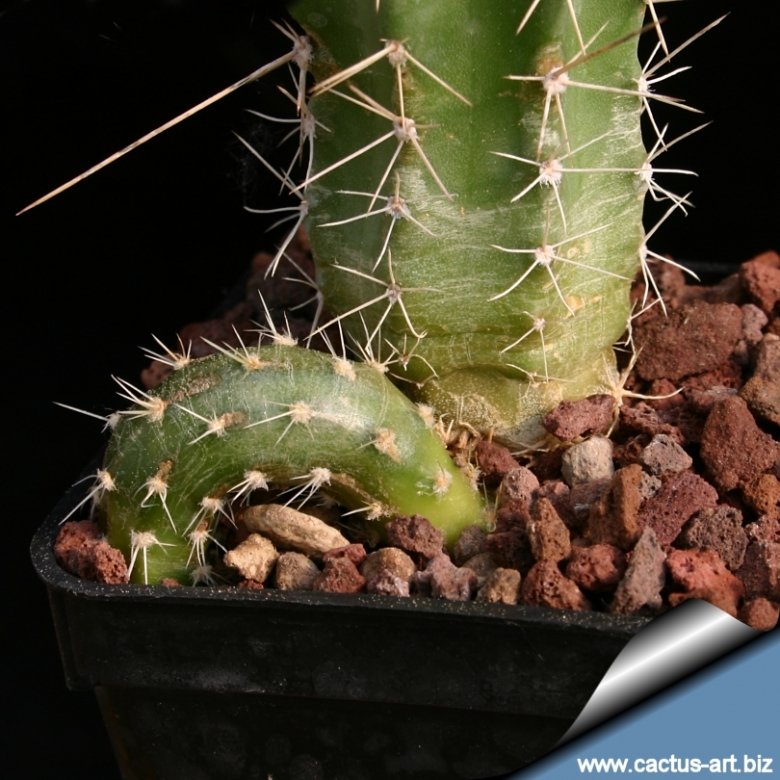
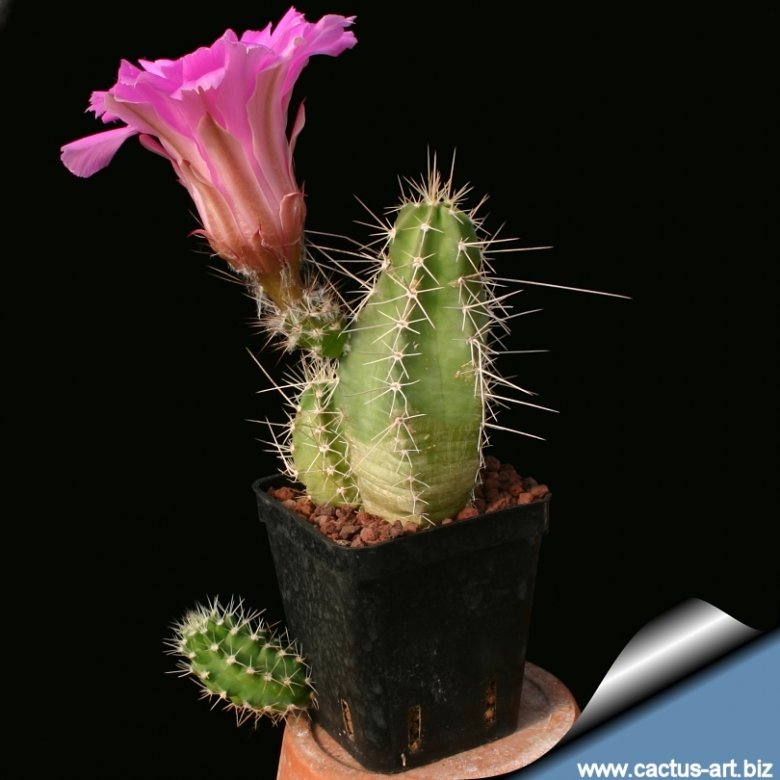
Echinocereus leonensis is a clumping, erected or semiprostrate cactus. Its steadily produces secondary growths by means of underground or surface stolons (like Agave, Sempervivum, etc.) and forms rapidly large clumps.
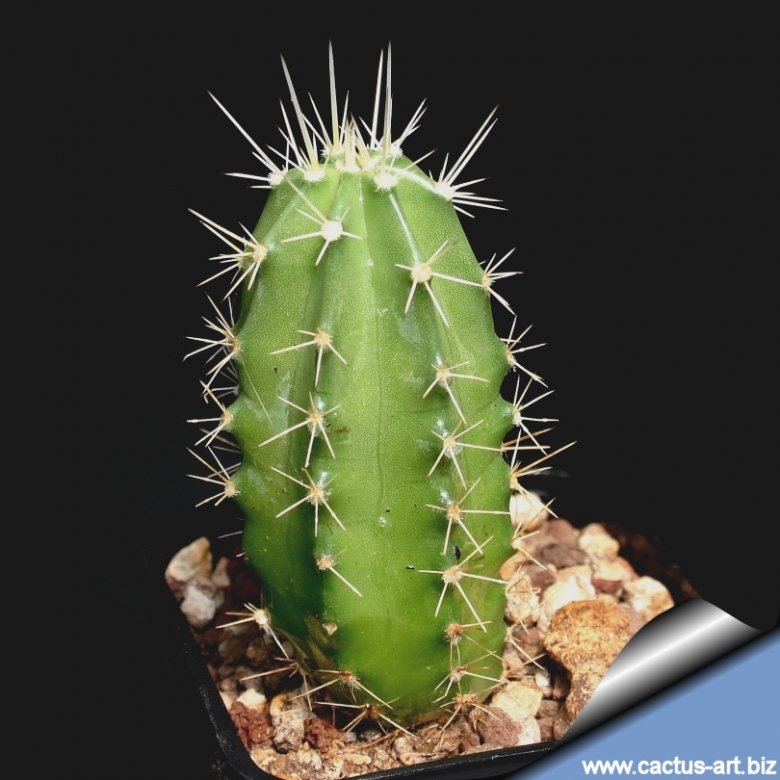
Stems: 2,5-3 cm in diameter, up to 30 cm tall.
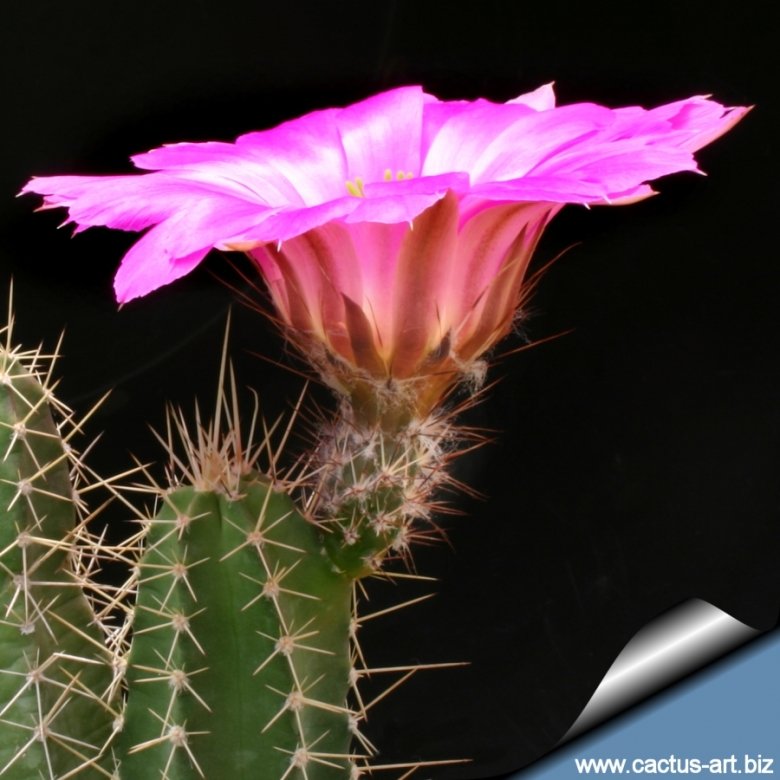
Ribs: 6 to 8 with low tubercles.
Central spines: 0 or 1.
Radial spines: 6 to 9 shorter brown.
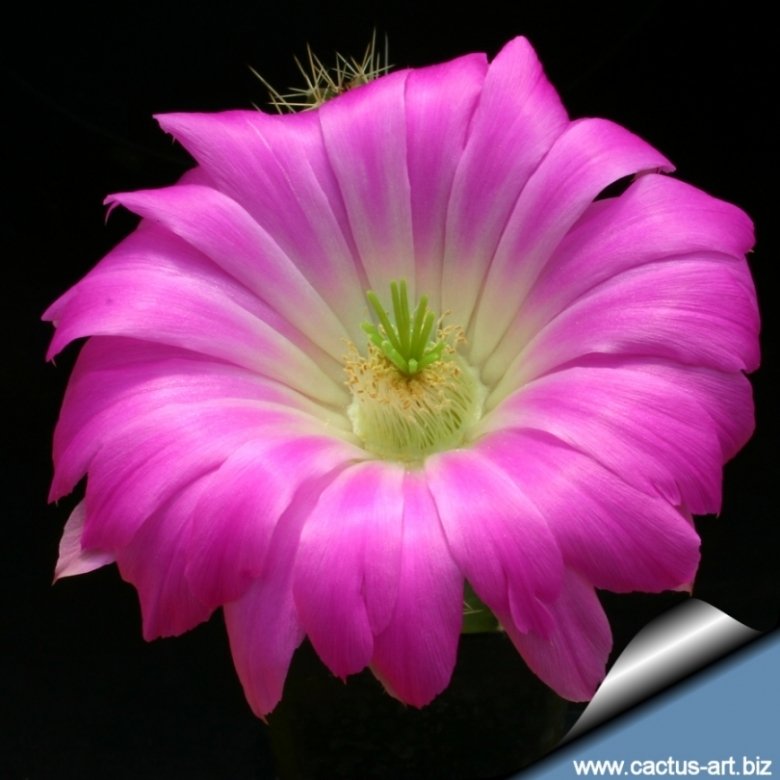
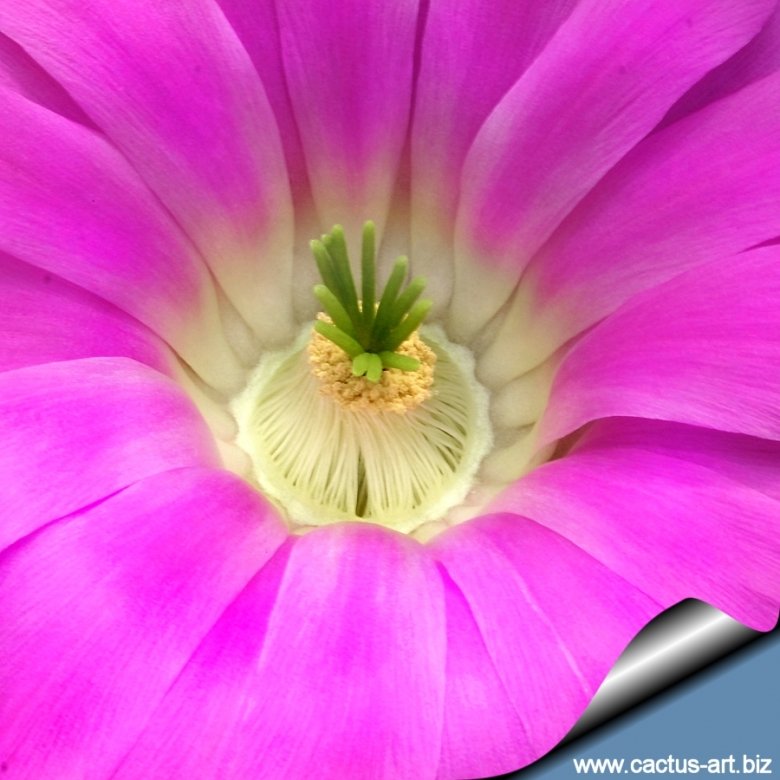
Flowers: 7-12 cm long pink-magenta with white or pale yellow throat. Stigma is green.
Fruiting: 3-4 months after flowering. Fruits are green with white pulp.
Remarks: The flowers on all subspecies are Bright pink & magenta with white or yellow throats.
Origin and Habitat
Mexico (Hidalgo, Queretaro, E Guanajuato, SE Coahuila, Nuevo León, San Luis Potosí, Tamaulipas).
Cultivation and Propagation
Echinocereus pentalophus subsp. leonensis is an easily grown cactus, suited to hanging baskets as well as pots. This cactus is widely cultivated for its flowers, it is among the easiest species to grow, flower and propagate.
Growth rate: It is a relatively rapidly growing and easily flowering species that will make large clumps given the best conditions.
Soils: It likes very porous standard cactus mix soil. Prefer a low pH compost, avoid substrata rich in limestone; otherwise growth will stop altogether.
Repotting: Use pot with good drainage.
Watering: Needs moderate to copious waterings rom March to October, but do not overwater (Rot prone), keep dry in winter.
Fertilization: Feed with a high potassium fertilizer in summer.
Hardiness: Reputedly moderately resistant to frost if kept on the dry side prior to, and during, cold weather (hardy to -5 C ° C, for short periods). This cactus needs a period of cool rest in winter to produce flowers abundantly. Without this cool winter period these plants normally won’t get many buds. It may flowers indoors if conditions suit it.
Exposition: The plant tolerates extremely bright situations but enjoys filtered sunlight or afternoon shade during the hottest part of the summer, inside it needs bright light, and some direct sun. Tends to bronze in strong light, which encourages flowering and heavy spine production.
Uses: It is an excellent plant for container growing. Cascading, clustering, great for a hanging display. Stems may possibly become purple and limp in winter, but revitalize in early spring. It look fine in a cold greenhouse and frame or outdoor in a rockery.
Pests & diseases: It may be attractive to a variety of insects, but plants in good condition should be nearly pest-free, particularly if they are grown in a mineral potting-mix, with good exposure and ventilation. Nonetheless, there are several pests to watch for:
- Red spiders: Red spiders may be effectively rubbed up by watering the plants from above.
- Mealy bugs: Mealy bugs occasionally develop aerial into the new growth among the wool with disfiguring results, but the worst types develop underground on the roots and are invisible except by their effects.
- Scales: Scales are rarely a problem.
- Rot: Rot it is only a minor problem with cacti if the plants are watered and “aired” correctly. If they are not, fungicides won’t help all that much.
Propagation: Seeds or (usually) cutting. The stems of this cactus branches readily and soon forms a mass of shoots the simplest way to propagate it is to cut a piece of a stem (or of a stolon) in summer, let it dry for a couple of days, and pot it up. Just let them lay on the soil with no assistance and you have a new start.
Bibliography
Major references and further lectures
-
Edward Anderson “The Cactus family” Timber Press, Incorporated, 2001
-
James Cullen, Sabina G. Knees, H. Suzanne Cubey “The European Garden Flora Flowering Plants: A Manual for the Identification of Plants Cultivated in Europe, Both Out-of-Doors and Under Glass” Cambridge University Press, 11/Aug/2011
-
David R Hunt; Nigel P Taylor; Graham Charles; International Cactaceae Systematics Group. “The New Cactus Lexicon” dh books, 2006
-
N. L. Britton, J. N. Rose “The Cactaceae. Descriptions and Illustrations of Plants of the Cactus Family.” Volume 4, The Carnegie Institution of Washington, Washington 1923
-
Urs Eggli, Leonard E. Newton “Etymological Dictionary of Succulent Plant Names” Birkhäuser 2004.
Gallery