Publication: Cactaceae Consensus Init. 3: 9. 1997
Description
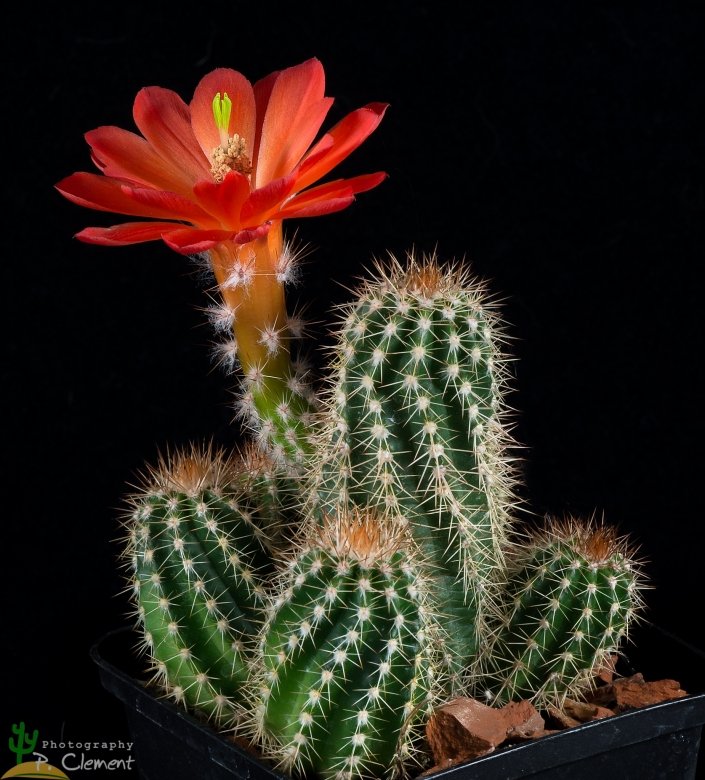
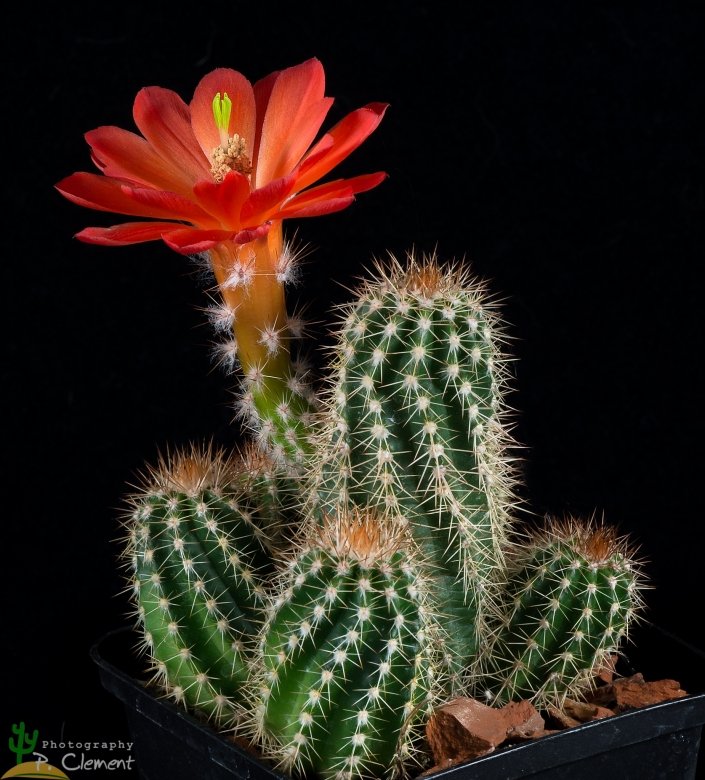
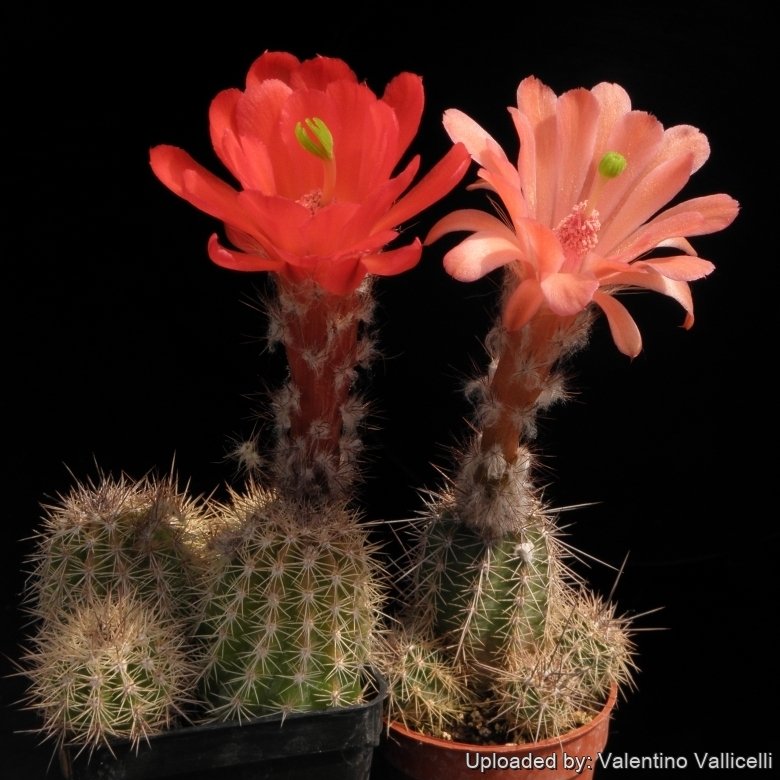
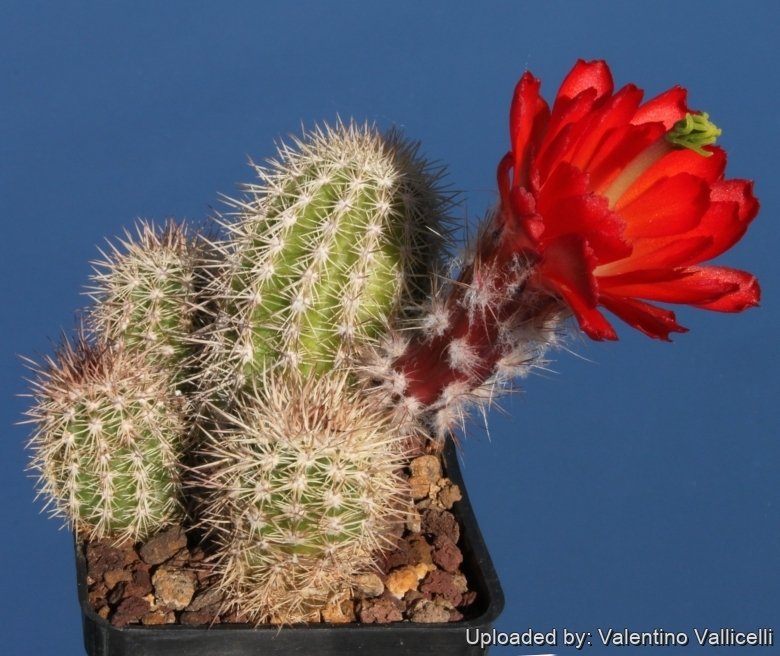
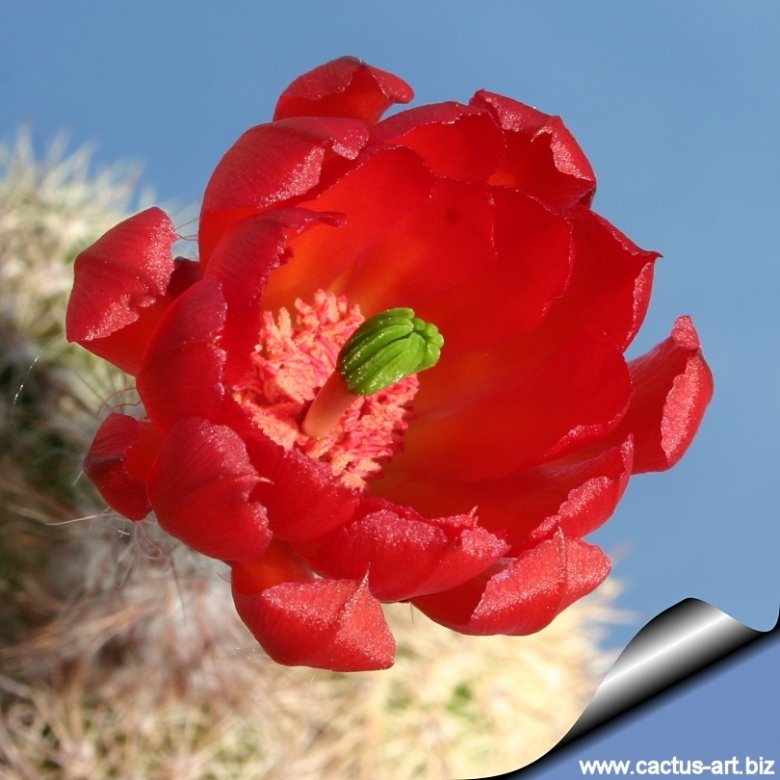
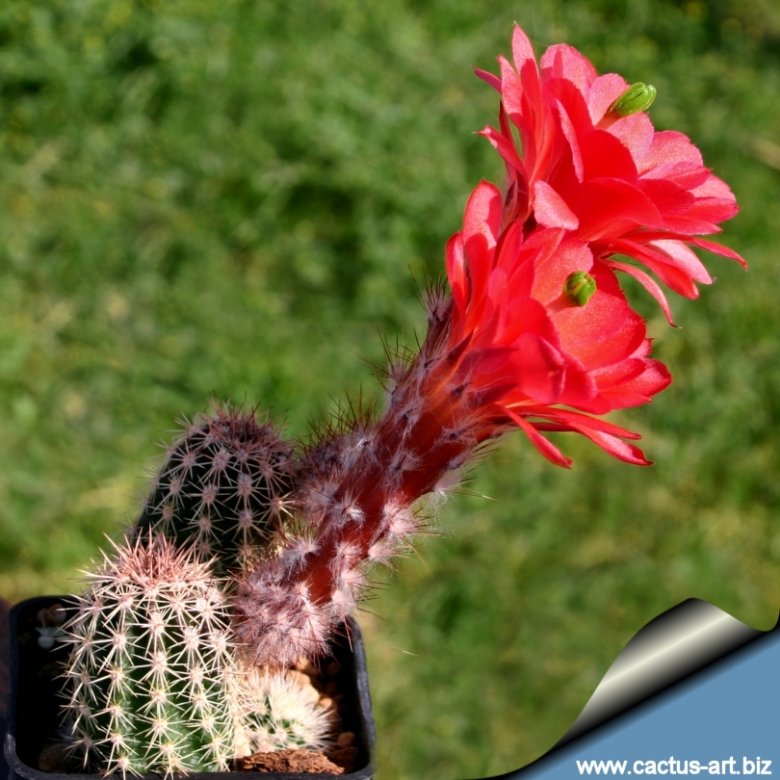
Echinocereus polyacanthus subs. huitcholensis (Echinocereus huitcholensis) is a clumping cactus, forming cushions, with brilliant orange up to 11 cm long flower.
Derivation of specific name: “huitcholensis” for the occurrence in the Sierra de los Huitcholes, Jalisco, Mexico.
Stems: 4 to 6 cm long, 2 to 4 cm in diameter.
Radial spines: 10 to 12.
Central spine: Usually solitary
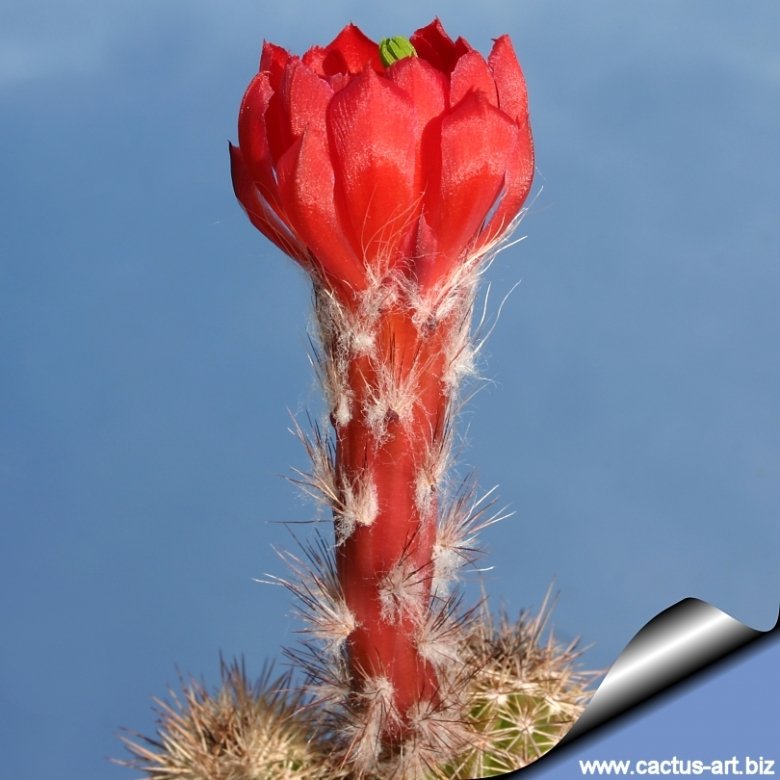
Flowers: Diurnal, arising near the stem’s apex, 11 cm long or less, narrow funnel-form, with a pronounced tube. Perianth-segments uncertain
orange, spines on ovary and tube weak, acicular. Areoles of flower-tube bearing long cobwebby hairs.
Origin and Habitat
Echinocereus huitcholensis is known only from the type locality.
Type locality: Sierra de Nayarit (Part of Sierra de los Huitcholes), Jalisco, Mexico.
Cultivation and Propagation
This cactus is widely cultivated for its flowers. It is among the easiest species to grow, flower and propagate. Water regularly from March to October. Rot prone in winter, it needs good drainage. Claret Cups require strong sunlight to maintain a healthy appearance, and a harsh “dry and cool” winter environment combined with maximum light exposure enhances spring flower production.
Frost Tolerance: Depends on the variety. The species from Baja California is less resistant (hardy to -5° C); the other varieties are much more cold resistant (some populations can tolerate temperatures down to -12° C or less)
Bibliography
Major references and further lectures
-
Paul Carpenter Standley, United States National Museum “Trees and Shrubs of Mexico: Passifloraceae-Scrophulariaceae” U.S. Government Printing Office, 1924
-
Nathaniel Lord Britton, Joseph Nelson Rose “Cactaceae: Descriptions and Illustrations of Plants of the Cactus Family” Volume 3, 1922
-
“Contributions from the United States National Herbarium”, Volume 23 Smithsonian Institution Press, 1926
-
Urs Eggli, Leonard E. Newton “Etymological Dictionary of Succulent Plant Names” Springer Science & Business Media, 29 June 2013
From llifle page Echinocereus plomosus
Description
Nowadays Echinocereus plomosus is considered none other than a form of the very variable species, Echinocereus polyacanthus.
It is a highly branching plant that forms large clumps and blooms abundantly, just as a small specimen .
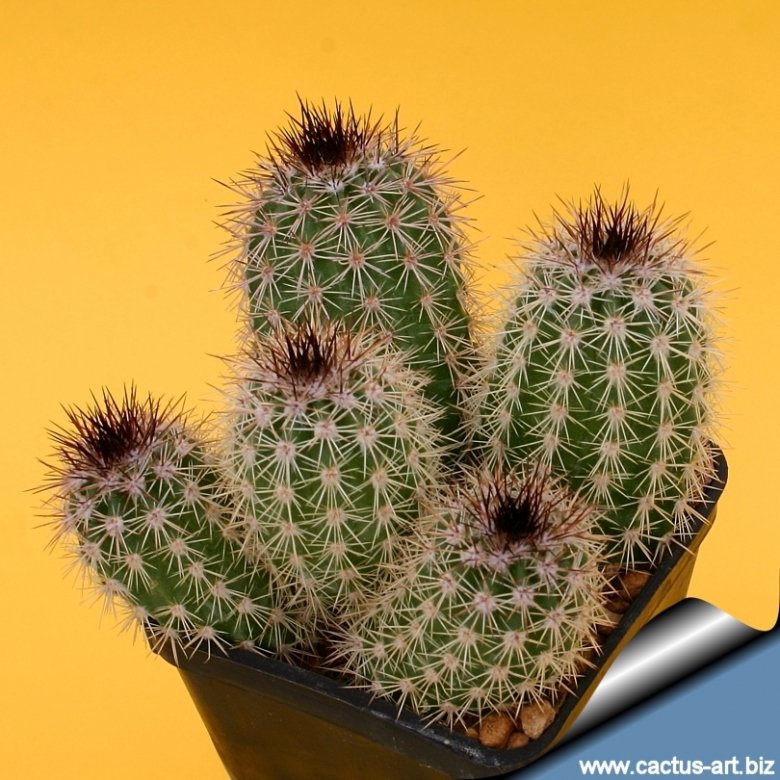
Stems: Light green, cylindrical, tapering towards the tip, each stem 10-20 cm tall, 4-5 cm in diameter.
Ribs: 9 to 13, usually 10 well defined ones, low, either tuberculate or not.
Areoles: Approximately 1-1.5 cm apart, and somewhat woolly.
Central spines: 1 to 7, yellowish or brown, expanded basally, straight, elongated, becoming grey as they age, reaching up to 5 cm long, but variable in length.
Radial spines: 6 to 17 (usually about 12), dirty white to brownish, overlapping, up to 1 cm long but often much shorter.
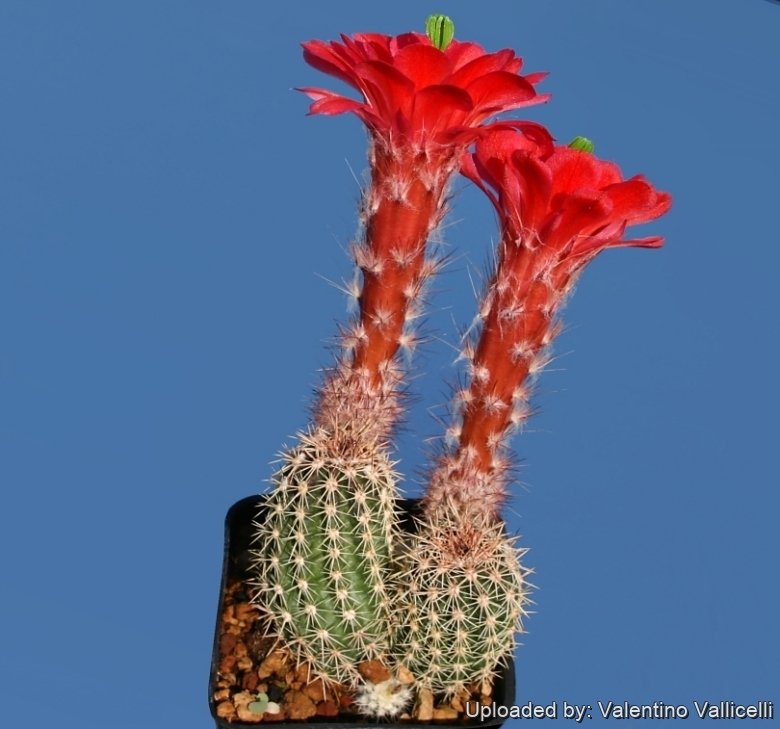
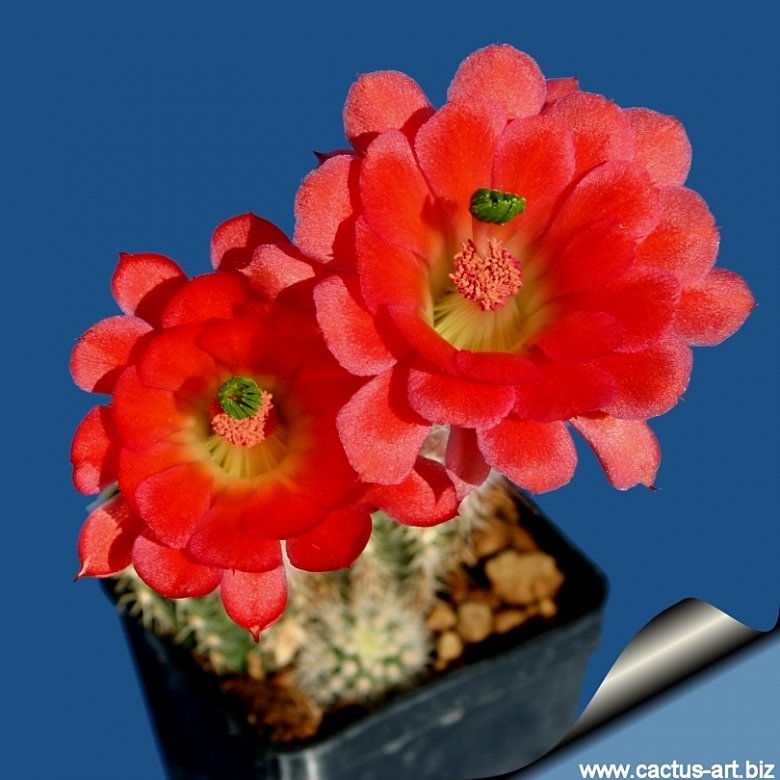
Flowers: Diurnal, arising near the stem’s apex, tubular to funnel-form, brilliant deep red with a yellowish or whitish colored throat, 10 cm long, 5-6 cm in diameter. Floral remains are difficult to detach from the plant and can set up stem rot.
Blooming season: Apr-Jun, the flowers remain open for 2 or 3 days. Blooming generally begins 4 to 5 years after sowing, as the plant matures.
Origin and Habitat
Plomosos, Sinaloa, Mexico 1000-1300m Mexico (Field number Lau 768)
Habitat: It grows in crevices in basalt rocks.
Cultivation and Propagation
This cactus is cultivated and highly priced for its flowers. It is among the easiest species to grow, flower and propagate. Water regularly from March to October. Rot prone in winter, it needs good drainage. Claret Cups require strong sunlight to maintain a healthy appearance, and a harsh “dry and cool” winter environment combined with maximum light exposure enhances spring flower production. Frost Tolerance: Hardy to -5° C.
Propagation: Seeds (usually), it also can be grown from cuttings, as it branches profusely from the base.
Source: Echinocereus plomosus, LLIFLE - Encyclopedia of living forms, CC-BY-SA, retrieved 2026-10-25.
Gallery