Publication: Cactées 57. 1868
Description
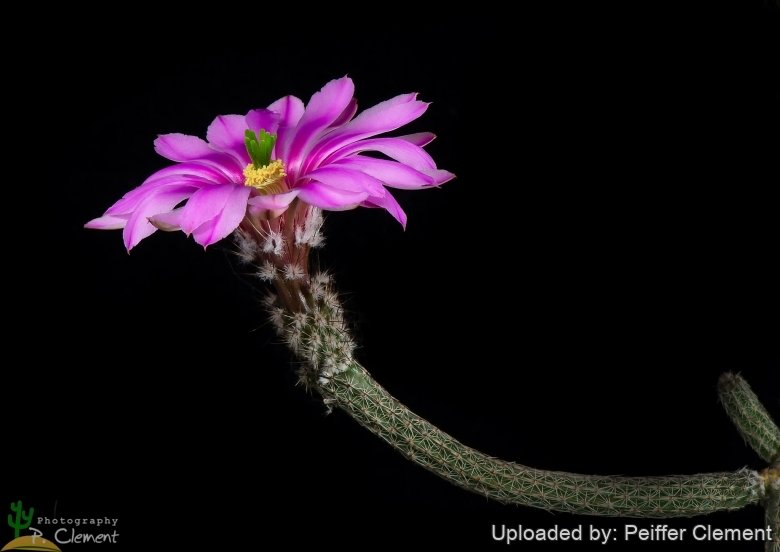
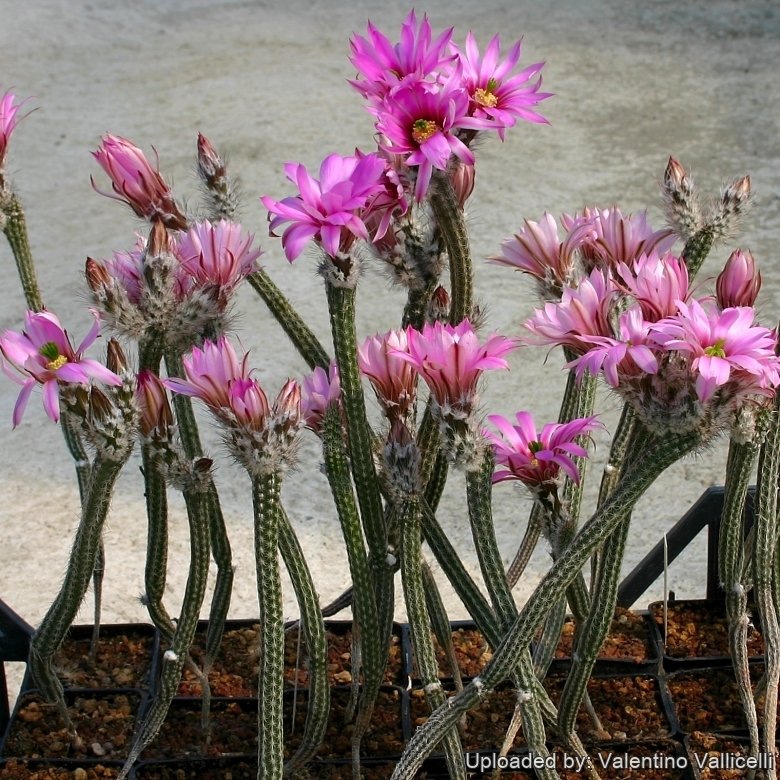
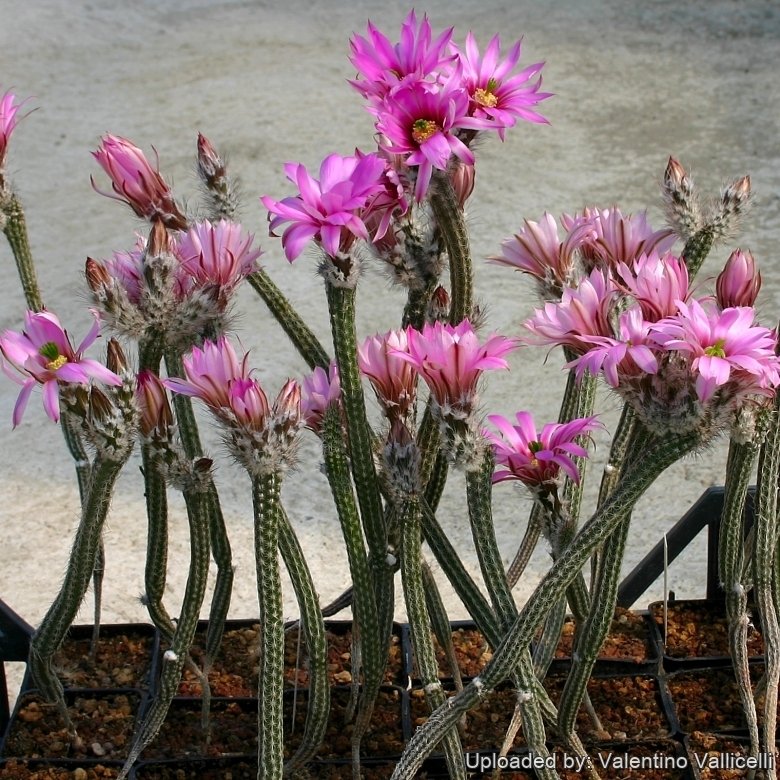
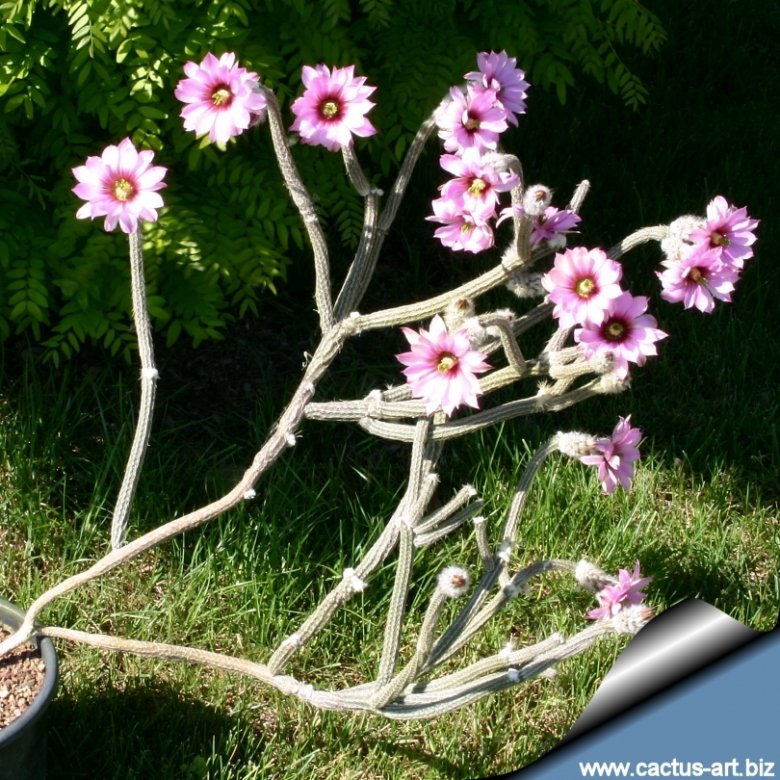
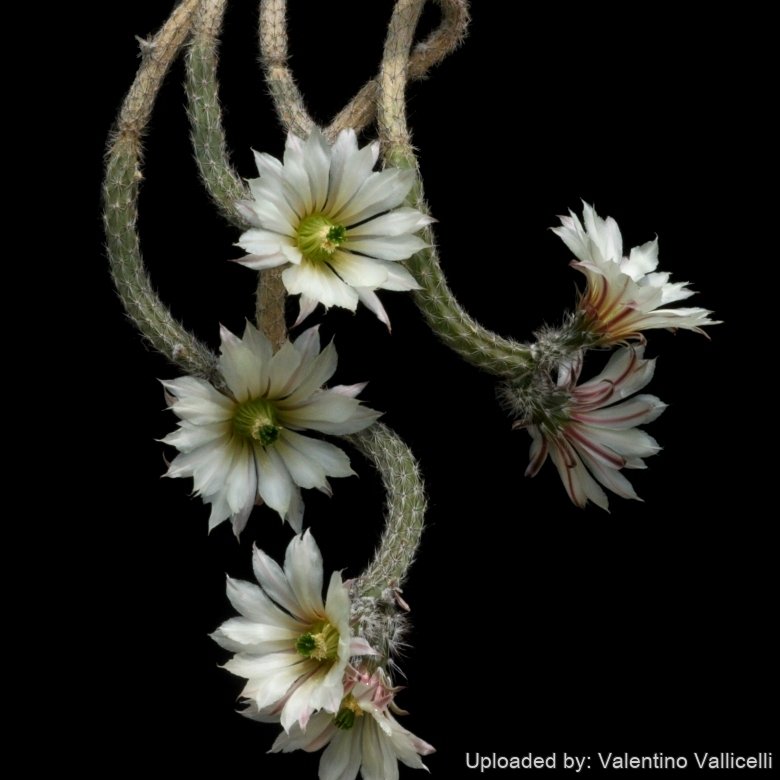
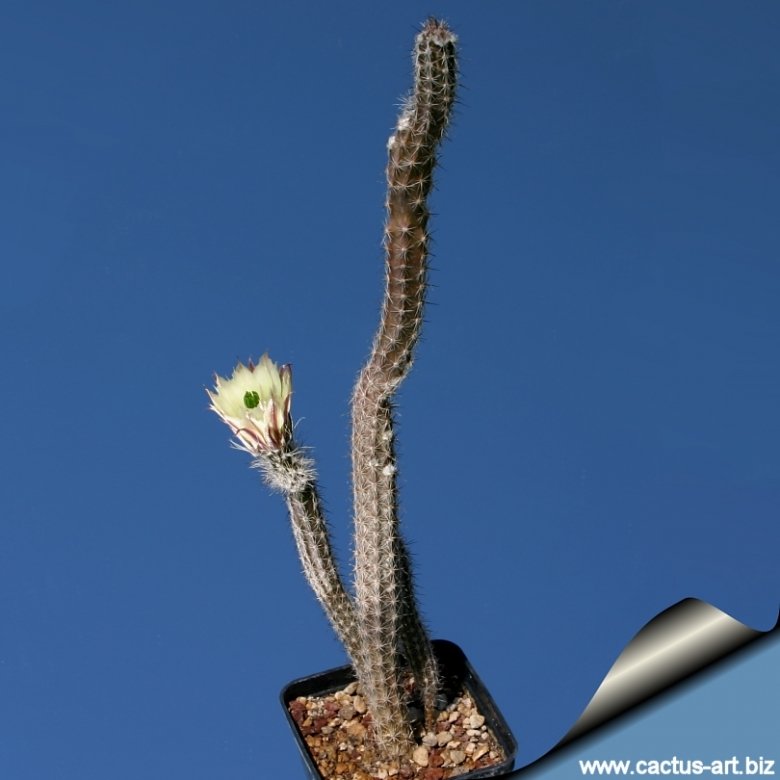
Shrubby, scarcely branched, initially erect, later sprawling or clambering.
Stem: Very tall and slender, dark coloured up to 1.2 m long and 2 cm in diameter.
Ribs: 6-10.
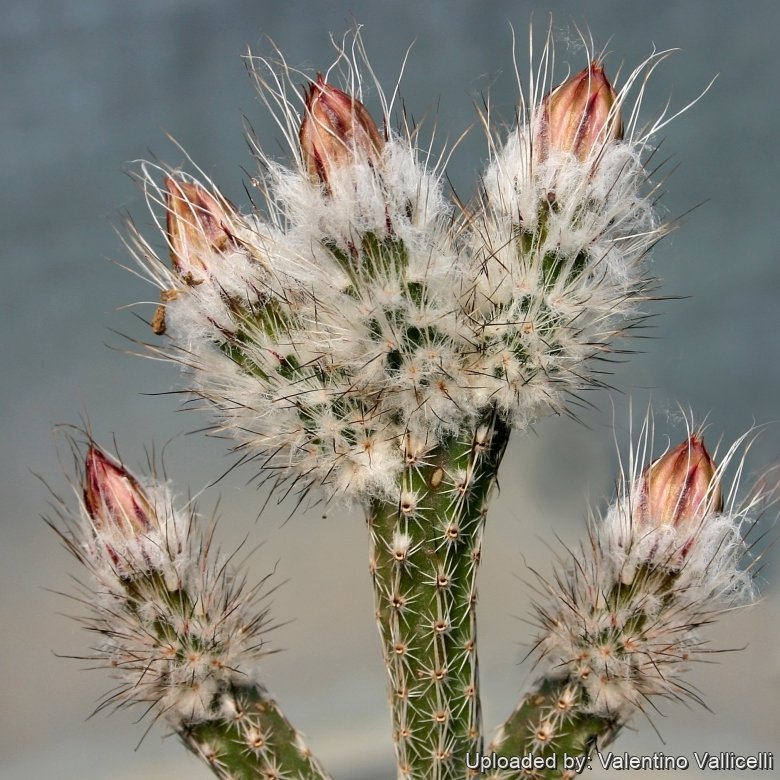
Spines: Tan-greyish white; 1 central up to 9 mm long, enlarged at its base, 4mm long; 8-15 straight radials, 4,5mm long, closely appressed (except at the stem tip)
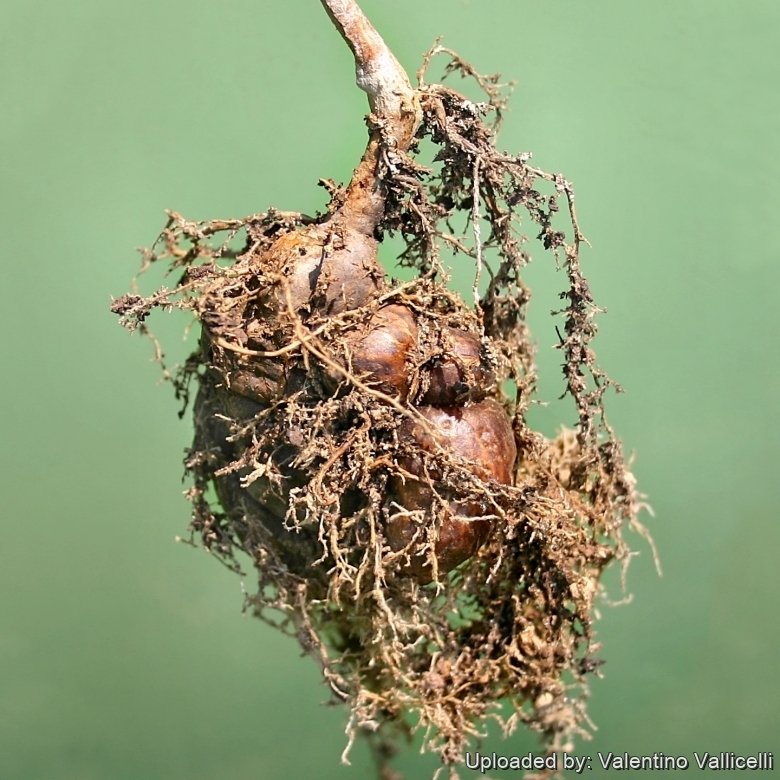
Roots: Tuberlike, contrarily to Echinocereus kroenleinii, the underground storage organ similar to dahlia tubers is not capable of producing new shoots. Those sprout out only from the main cut stem. Each plant can have up to 8 tubers, 10-20 mm in diameter, with a length of 60-100 mm. The colour is light brown in youth, later dark brown.
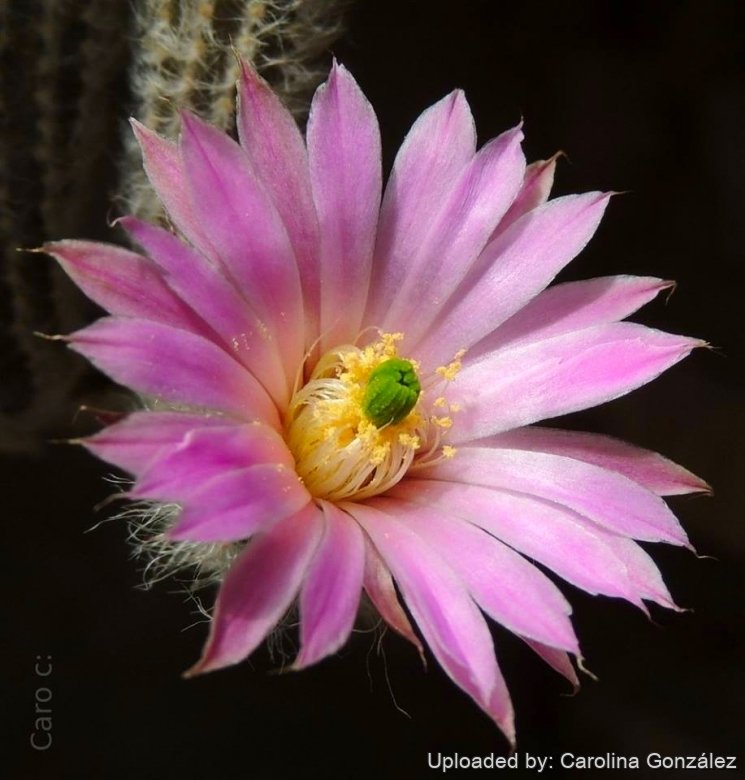
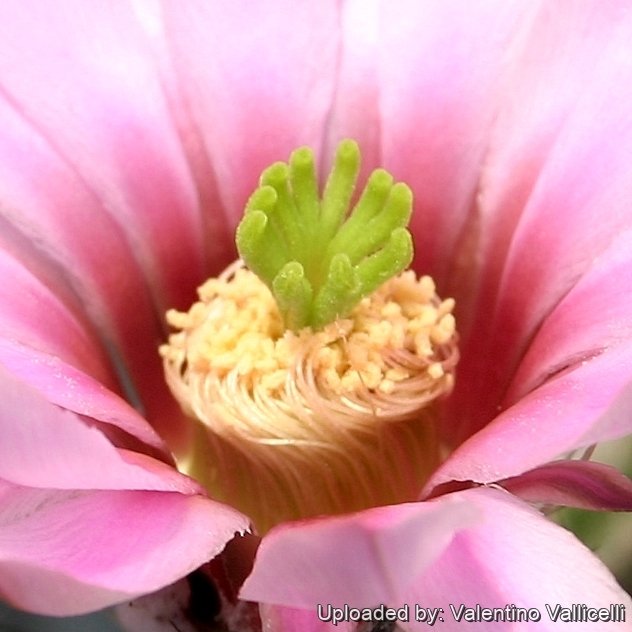
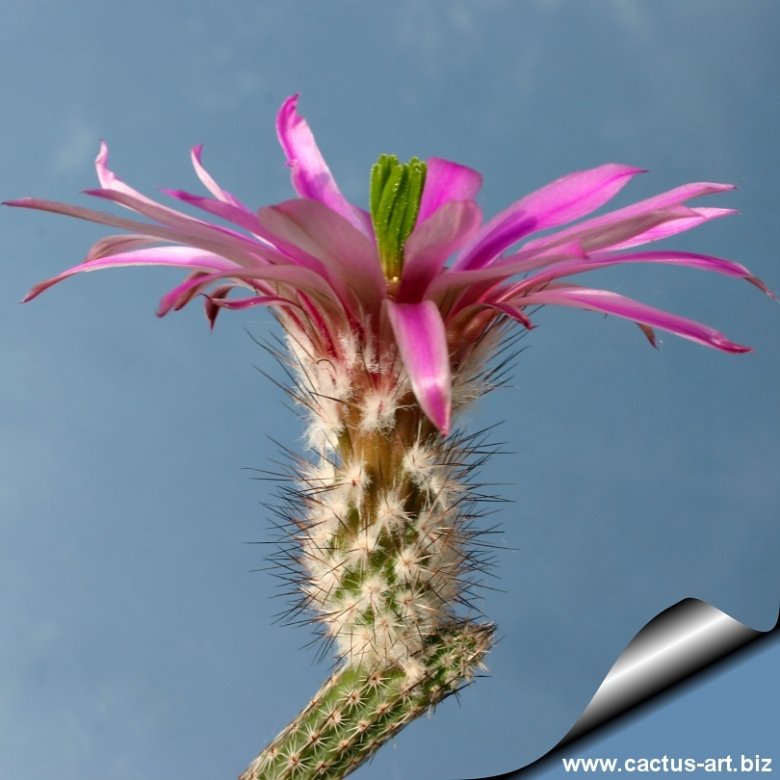
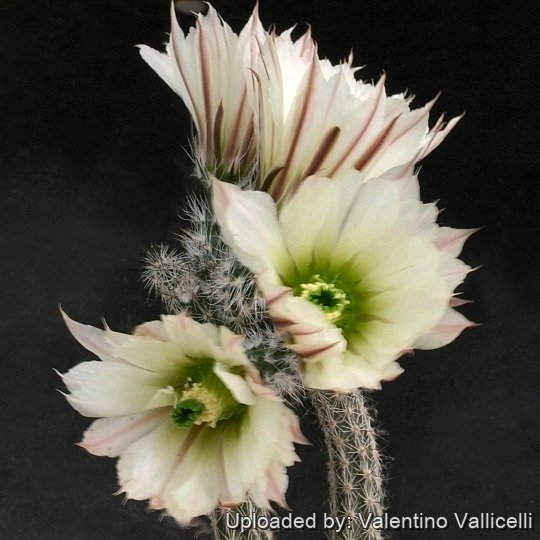
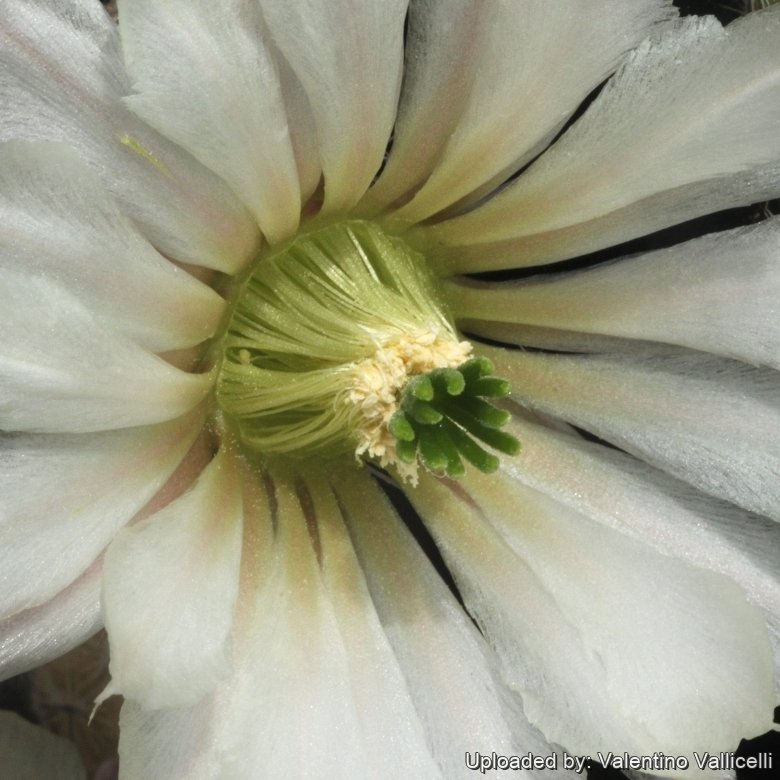
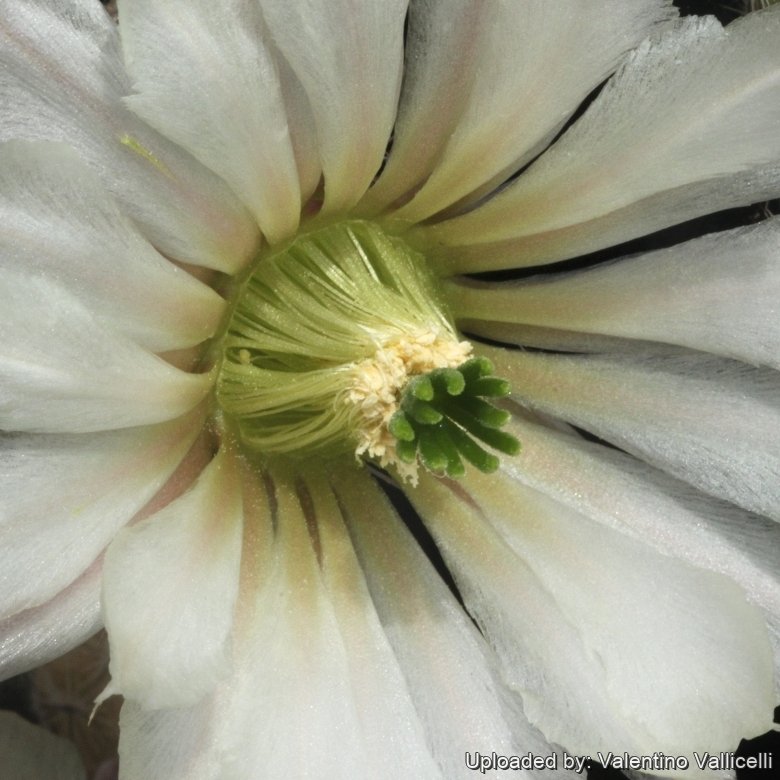
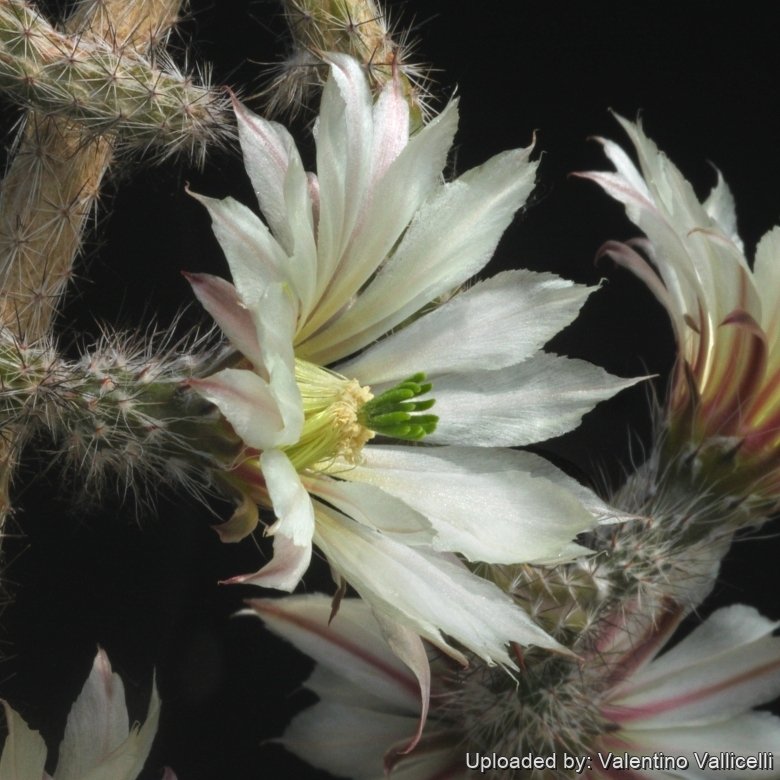
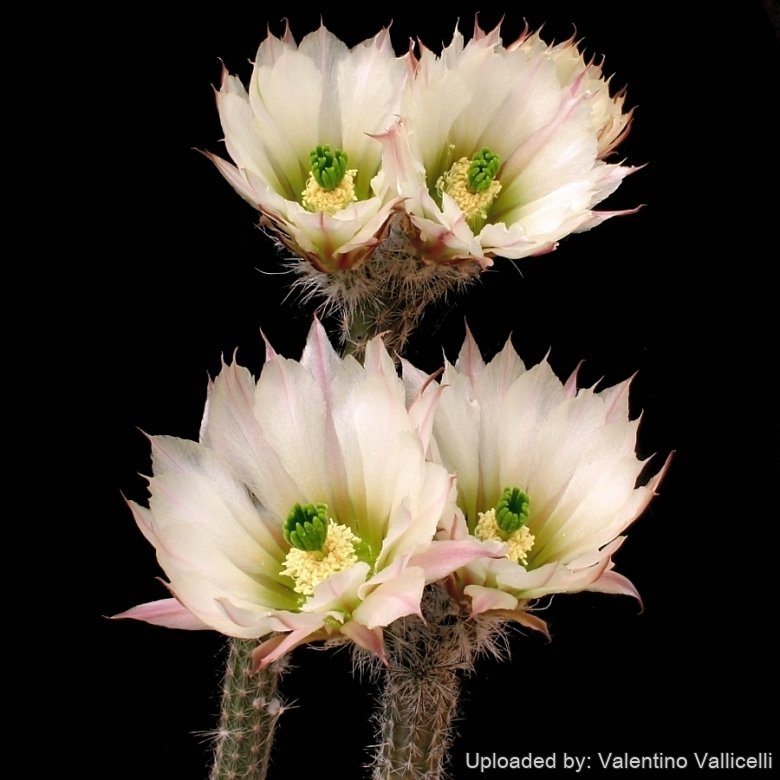
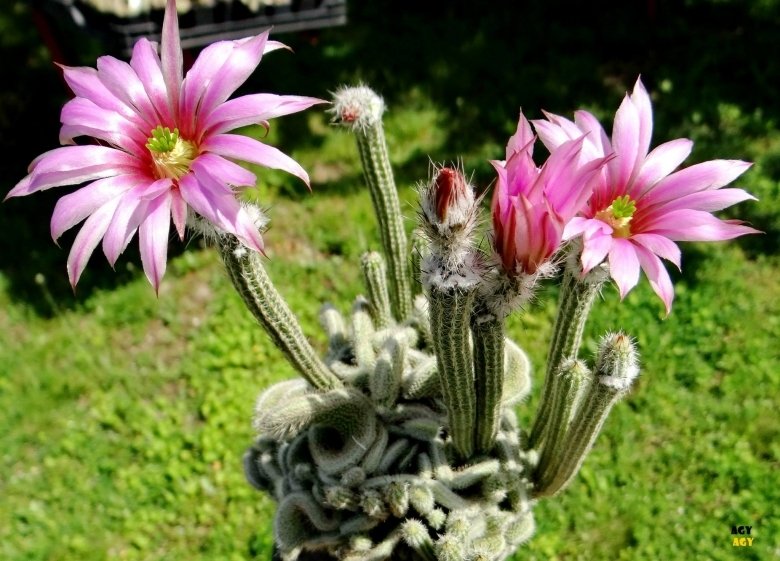
Flower: Pink Rose/Mauve Magenta (Pink-Purple).
Fruits: Ovoidal 20 mm Long, 10-15 mm Ø, dark green to brownish, pulp white
Seeds: Black 1,5 mm.
Blooming season: Late Spring/Early Summer.
Remarks: It apparently looks like some Peniocereus species. However the flowers, fruits, and seeds of Echinocereus poselgeri are characteristic for Echinocereus, somewhat comparable to those of Echinocereus reichenbachi.
Origin and Habitat
West & South West USA (Texas) and Mexico (Coahuila, Nuevo Leon, Tamaulipas)
Locus typicus: USA: Texas, near the Rio Grande.
Altitude range: From low elevations up to 1,150 metres above sea level.
Habitat and Ecology: The species grows in xerophyllous scrub in alluvial soils. This species prefers to clamber through woody vegetation for support of its slender, drab stems. It occurs in sandy soils of valleys and hills in semidesert brushlands. This species is widely used locally, but it is still abundant and widespread and not declining at a rate sufficient to qualify for a threatened category.
Cultivation and Propagation
Do not over water. They need to be kept in a cool, dry place during winter rest (at -5 +10°C). This is important for the flowers as well as for their health. Without this cool winter period they normally won’t get any buds. It is quite frost hardy -7 (-10)° C.
Sun Exposure: Best in full or partial sun exposure. In mild climate they grow well when planted freely outside in well-drained soil.
Traditional uses and Trade: The species is found in Mexican trade, and the root is used locally as veterinary medicine (broken bones) and considered an anti-inflammatory. It is used as an ornamental.
Propagation: Seeds (usually), it also can be grown from cuttings, as it can branch with time.
Bibliography
Major references and further lectures
-
Corral-Díaz, R., Goettsch, B.K., Gómez-Hinostrosa, C., Terry, M. & Heil, K. 2013. Echinocereus poselgeri. The IUCN Red List of Threatened Species. Version 2014.3. <www.iucnredlist.org>. Downloaded on 25 May 2015.
-
Taylor, N.P. (1985): “The Genus Echinocereus”, A Kew Magazine Monograph: 64. Collingridge Books
-
Edward F. Anderson: The Cactus Family. Timber Press, Portland (Oregon) 2001
-
James Cullen, Sabina G. Knees, H. Suzanne Cubey “The European Garden Flora Flowering Plants: A Manual for the Identification of Plants Cultivated in Europe, Both Out-of-Doors and Under Glass” Cambridge University Press, 11/Aug/2011
-
David R Hunt; Nigel P Taylor; Graham Charles; International Cactaceae Systematics Group. “The New Cactus Lexicon” dh books, 2006
From llifle page Echinocereus tamaulipensis subs. waldeisii
Description
The peculiarity of E. waldeisii is that it forms only a single stem, that can branch out in the age, but not in the same extent as the similar species Echinocereus tamaulipensis. The stems are clambering through the adjacent vegetation and arise from a tuberous, dahlia-like root-stock.
Stem: Slender cylindrical, with pointed growing tips, dark blue-green to purplish o brownish 60-120 cm long about 2 cm in diameter.
Ribs: Flat, without tubercles.
Central spine: One, pointed toward the stems tip, slightly flattened, dark reddish, up to 10 mm long.
Radial spines: 8-16, thin, bristle-like, whitish or grayish, with dark tips, up to 5mm long.
Flowers: Terminal or borne near the tips of older stems, narrowly funnelform that often fail to open completely, up to 6cm long and 4 cm in diameter.
Fruits: Ovoid, dark green to brown, indehisent, with persistent spines and wool.
Taxonomic notes: Hunt et al. 2006 treats E. waldeisii as a synonym of Echinocereus tamaulipensis, however, Hernández et al. 2004 treat it as a good species.
Origin and Habitat
Mexico: San Luis Potosi, from south of Matehuala to Villa ldalgo and from east of Huizache crossing to the junction for Tula. It has also been reported from Mier y Noriega in Nuevo Leon.
Altitude range: This species grows at an elevation of 1200-1500 above sea level.
Habitat and Ecology: Echinocereus waldeisii grows in xerophyllous scrub. It prefers to clamber through woody vegetation for support of its slender, drab stems. It occurs in sandy soils of valleys and hills in semidesert brushlands. This species is widely used locally, but it is still abundant and widespread and not declining at a rate sufficient to qualify for a threatened category. Some subpopulations are threatened by the illegal collection of plants for medicinal and veterinary purposes.
Notes
The Reason of the rehabilitation into the species status of E. waleisii is that E. waldeisii - in contrast to Echinocereus tamaulipensis - form a storage organ in each root branch developing from the central stalk reminding the dahlia tubers. Each plant has up to 8 slender tubers that measure 20 30 mm in diameter and 80-100 mm long. In the youth they are pale-brown and later became black-brown.
Source: Echinocereus tamaulipensis subs. waldeisii, LLIFLE - Encyclopedia of living forms, CC-BY-SA, retrieved 2026-10-25.
From llifle page Wilcoxia poselgeri f. cristata
Description
The typical Echinocereus poselgeri is a shrubby columnar cactus that grows often in groups, erect at first sometimes climbing then leaning and sprawling all over and best tied to something so it wont fall and grow decumbent. It would be good for hanging baskets.
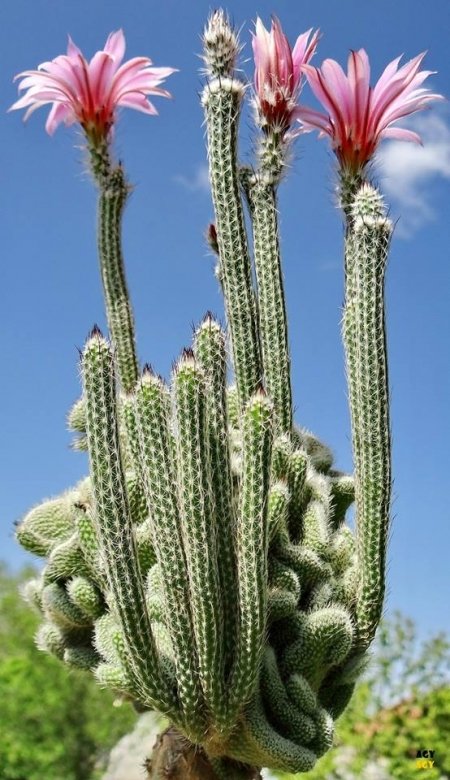
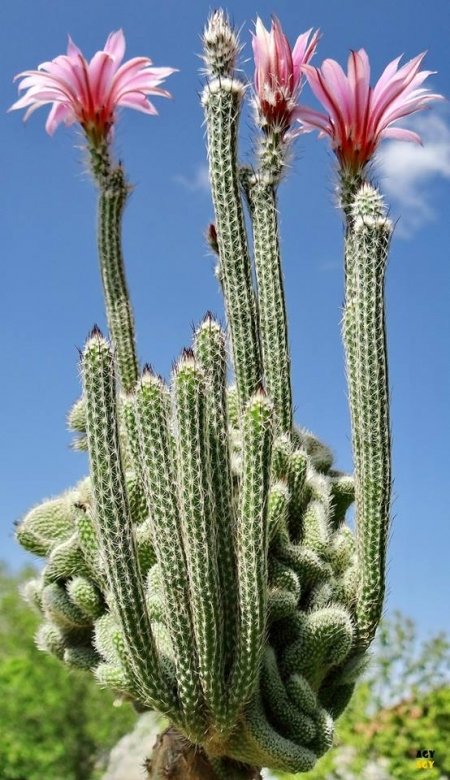
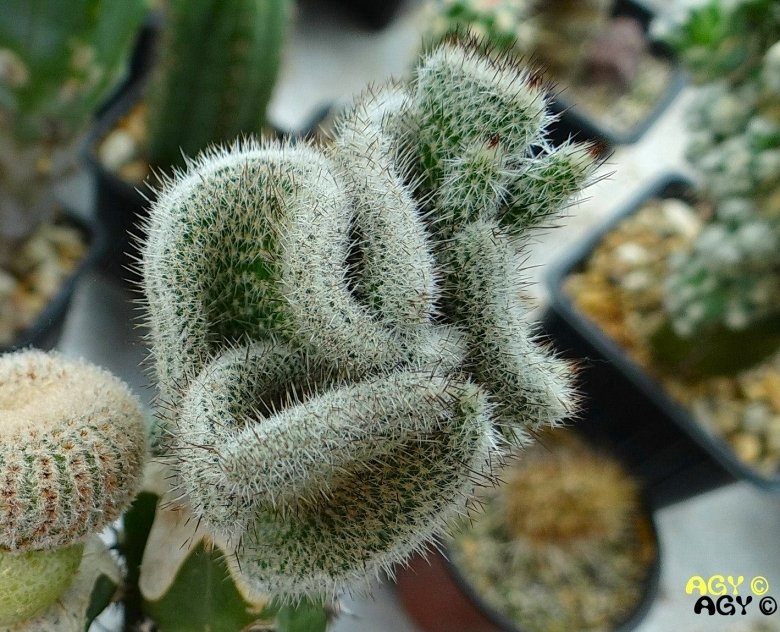
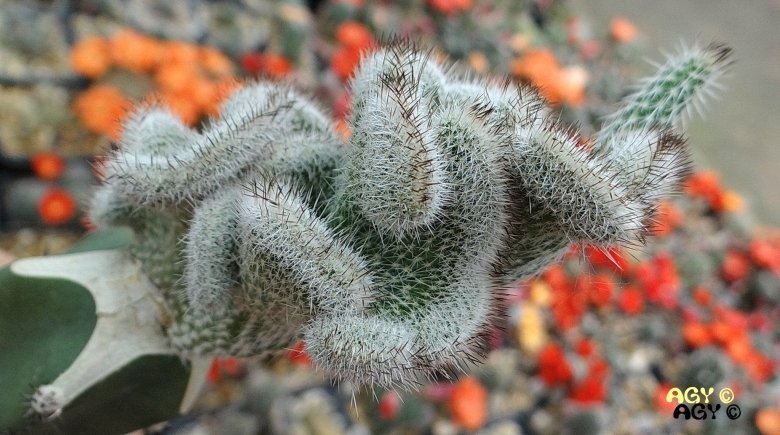
Crested form: The crested forms are cultivated for their beautiful stem with dense bristly spine and pronounced sculpture effects. These plants produce monstrous crests, and crests occasionally produce normal shoots. Flowers are produced only on the the apex of normal stems. Crested specimens are often grafted on stronger species, called the stock, that can be any number of different columnar cactus.
Stem: Normal stems are very tall and slender, dark coloured up to 1.2 m long and 2 cm in diameter. Crested stems, forming brain shaped mounds up to 20 (or more) cm wide.
Spines: Tan-greyish white; 1 central up to 9 mm long, enlarged at its base, 4mm long; 8-15 straight radials, 4,5mm long, closely appressed (except at the stem tip)
Roots: Tuberlike, 10-20 mm in diameter, with a length of 60-100 mm. The colour is light brown in youth, later dark brown.
Flower: Pink Rose/Mauve Magenta (Pink-Purple).
Fruits: Ovoidal 20 mm Long, 10-15 mm Ø, dark green to brownish, pulp white
Seeds: Black 1,5 mm.
Blooming season: Late Spring/Early Summer.
Origin and Habitat
West & South West USA (Texas) and Mexico (Coahuila, Nuevo Leon, Tamaulipas). The crested form is of garden origin (Nursery produced cultivar).
Cultivation and Propagation
Do not over water. They need to be kept in a cool, dry place during winter rest (at -5 +10°C). This is important for the flowers as well as for their health. Without this cool winter period they normally won’t get any buds. It is quite frost hardy -7 (-10)° C.
Sun Exposure: Best in full or partial sun exposure. In mild climate they grow well when planted freely outside in well-drained soil.
Crested growth: Unlike ‘monstrose’ varieties of plants, where the variation from normal growth is due to genetic mutation, crested growth can occur on normal plants. Sometimes it’s due to variances in light intensity, or damage, but generally the causes are unknown. A crested plant may have some areas growing normally, and a cresting plant that looks like a brain, may revert to normal growth for no apparent reason. If you have any of the crested part left you need to remove the normal growth and leave the crested part behind this will need to be done regularly.
Propagation: Grafting or cuttings. Plants are usually grafted onto column-shaped cacti but proved to be able to produce their own roots if degrafted. Cuttings will take root in a minimum temperature of 20° C (but better in hot weather). Cuttings of healthy shoots can be taken in the spring and summer. Cut the stem with a sharp, sterile knife, leave the cutting in a warm, dry place for a week or weeks (depending on how thick the cutting is) until a callus forms over the wound. Once the callus forms, the cutting may be inserted in a container filled with firmed cactus potting mix topped with a surface layer of coarse grit. They should be placed in the coarse grit only; this prevents the cut end from becoming too wet and allows the roots to penetrate the rich compost underneath. The cuttings should root in 2 to 6 weeks. Large crested piece must be placed on the soil surface without burying the plant base down in the soil.
Bibliography
Major references and further lectures
-
Corral-Díaz, R., Goettsch, B.K., Gómez-Hinostrosa, C., Terry, M. & Heil, K. 2013. Echinocereus poselgeri. The IUCN Red List of Threatened Species. Version 2014.3. <www.iucnredlist.org>. Downloaded on 25 May 2015.
-
Taylor, N.P. (1985): “The Genus Echinocereus”, A Kew Magazine Monograph: 64. Collingridge Books
-
Edward F. Anderson “The Cactus Family”. Timber Press, Portland (Oregon) 2001
-
James Cullen, Sabina G. Knees, H. Suzanne Cubey “The European Garden Flora Flowering Plants: A Manual for the Identification of Plants Cultivated in Europe, Both Out-of-Doors and Under Glass” Cambridge University Press, 11/Aug/2011
-
David R Hunt; Nigel P Taylor; Graham Charles; International Cactaceae Systematics Group. “The New Cactus Lexicon” dh books, 2006
Source: Wilcoxia poselgeri f. cristata, LLIFLE - Encyclopedia of living forms, CC-BY-SA, retrieved 2026-10-25.
Cultivars and forms (1)
Forms (1)
Gallery