Publication: Cactaceae (Britton & Rose) 3: 30. 1922 [12 Oct 1922]
Description
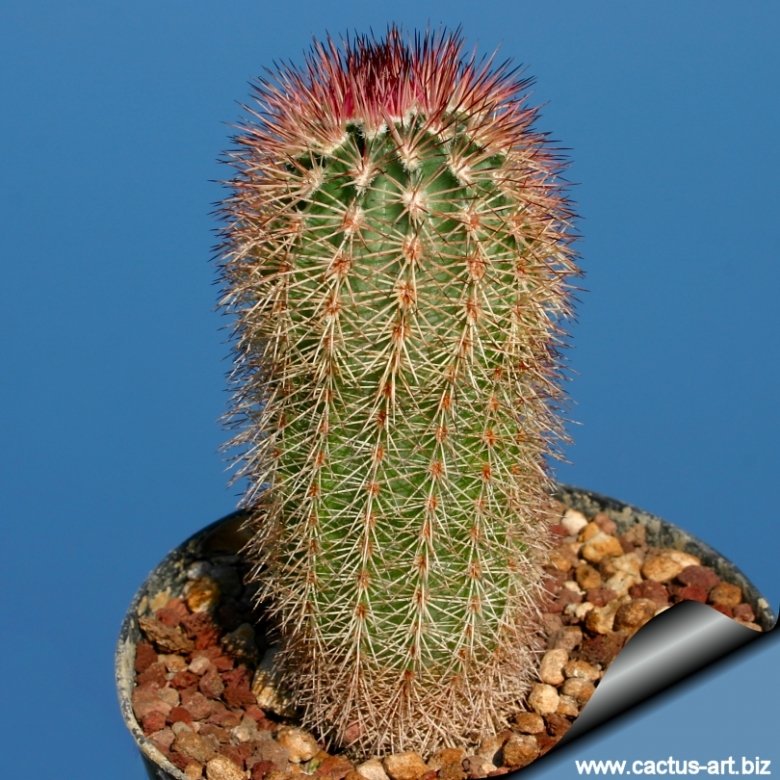
Unbranched (rarely few branched).
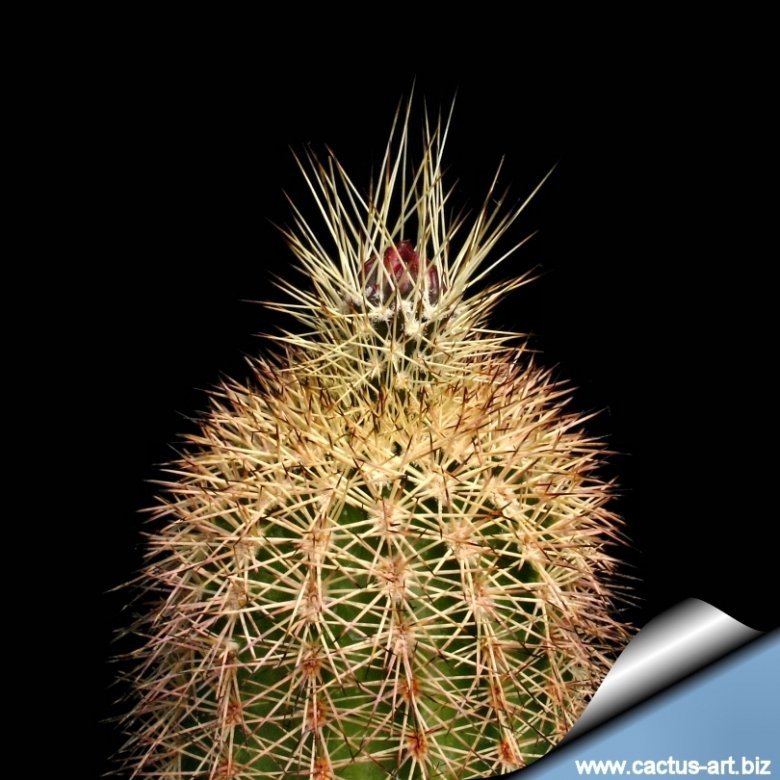
Stems: Erect, short cylindric, to 20(-40) × 4-6 cm;
Ribs: 13-19, crests slightly undulate, sometimes tuberculate;
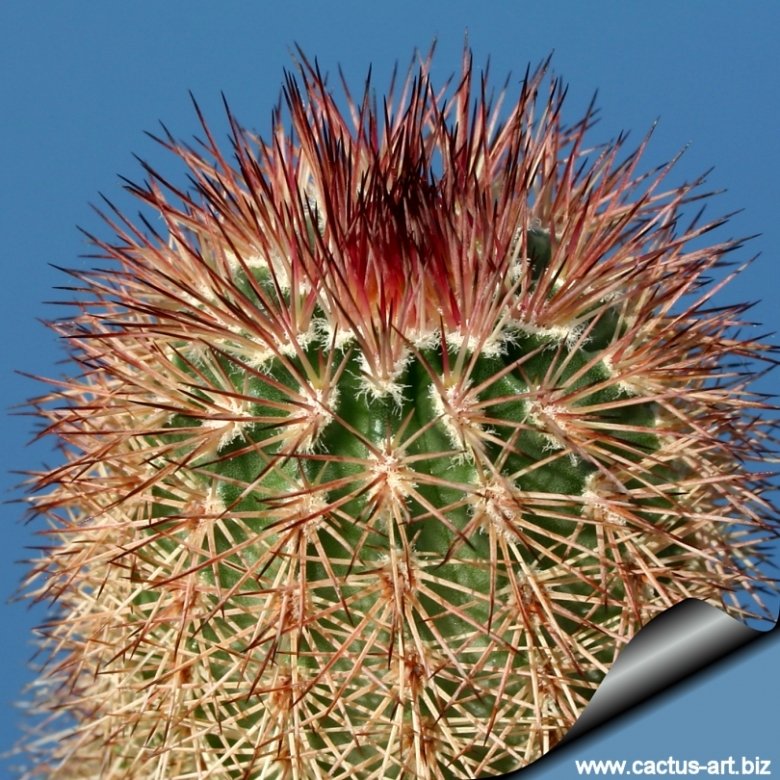
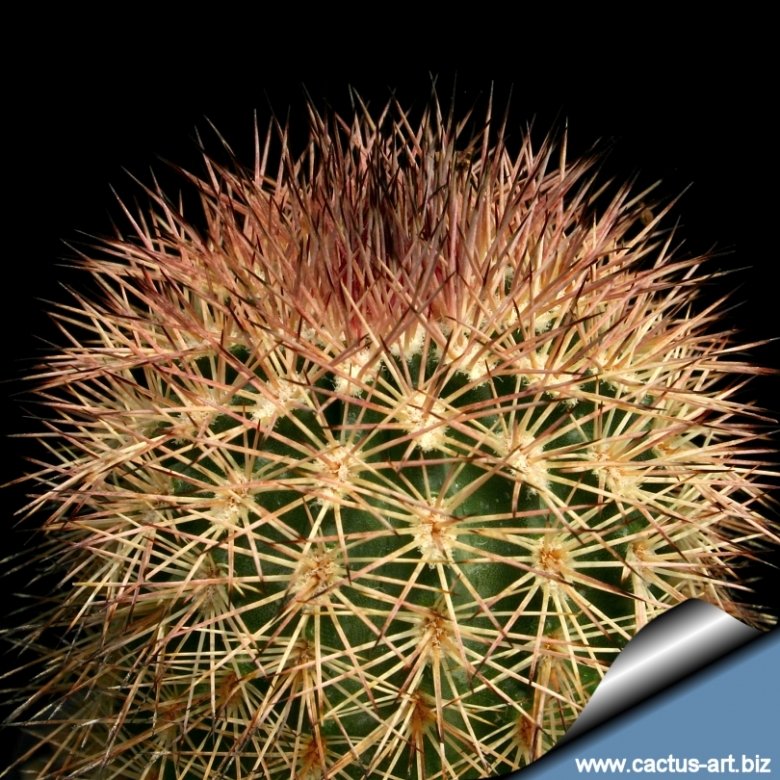
Areoles: Round , closely set 4-8 mm apart.
Spines: 13-17 per areole, stiff and straight, white, pink, brown or gray, becoming gray with dark tips; radial spines 12-17 per areole, appressed to spreading, 2-12 mm; central spines (0-)1-4 per areole, projecting, 1-4 mm.
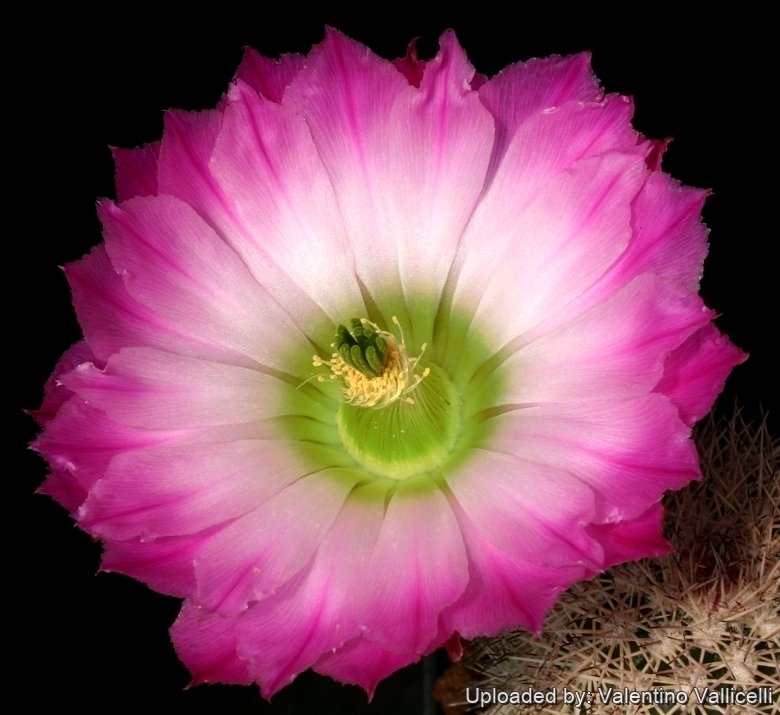
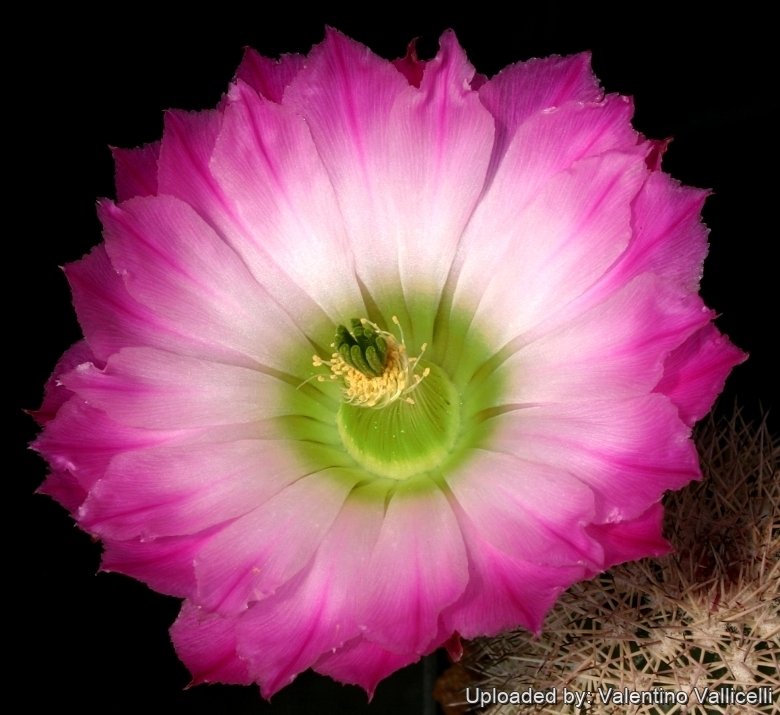
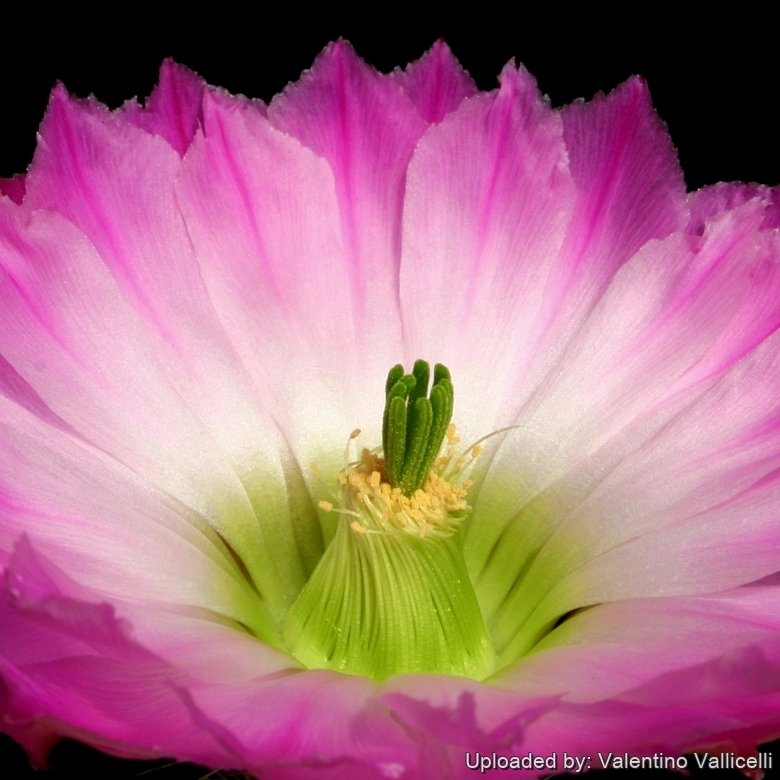
Flowers: 5-8 × 7-10 cm; inner tepals purplish pink, darker proximal portion and midstripes, tips relatively thin and delicate; anthers dark yellow. Filaments and throat greenish.
Blooming times: Spring to summer
Fruits: Dark green, brownish tinged, 15-23 mm, pulp white, fruiting 2 months after flowering.
Origin and Habitat
Mexico (coastal Sonora, Tiburon Island, coastal Sinaloa)
Habitat: Chihuahuan Desert, desert scrub, mostly semidesert grasslands, rocky slopes, mostly igneous substrates.
Cultivation and Propagation
E. scopulorum is relatively easy to grow and very attractive. Rot easily it is sensitive to overwatering (rot prone), so perfect soil drainage is a must. It prefer a neutral to slightly acidic compost with plenty of extra grit. Best if watered with rain water and given an occasional tonic of sequestrated iron. In the summer they need an airy location in bright sun; well watered when it’s hot. To achieve the best spine colours give these plants lots of sun. In the winter light, cool, and absolutely dry conditions. Very cold resistant above approx -12C or less for short periods of time. In mild climate they grow well when planted freely outside in well-drained soil.
Propagation: Seeds
Notes
Misidentifications of E. scopulorum (= Echinocereus pseudopectinatus) were the basis for Arizona reports of Echinocereus pectinatus and Echinocereus dasyacanthus, which belong to an unrelated species group from the Chihuahuan Desert. Formerly, Echinocereus pseudopectinatus was considered conspecific with Echinocereus bristolii W. T. Marshall, a closely related endemic species of Sonora, Mexico.
Gallery