Publication: Bradleya 9: 88 (1991); et: Cact. d’Argentine ed. 2: 57, isonym. 1997 1998
Description
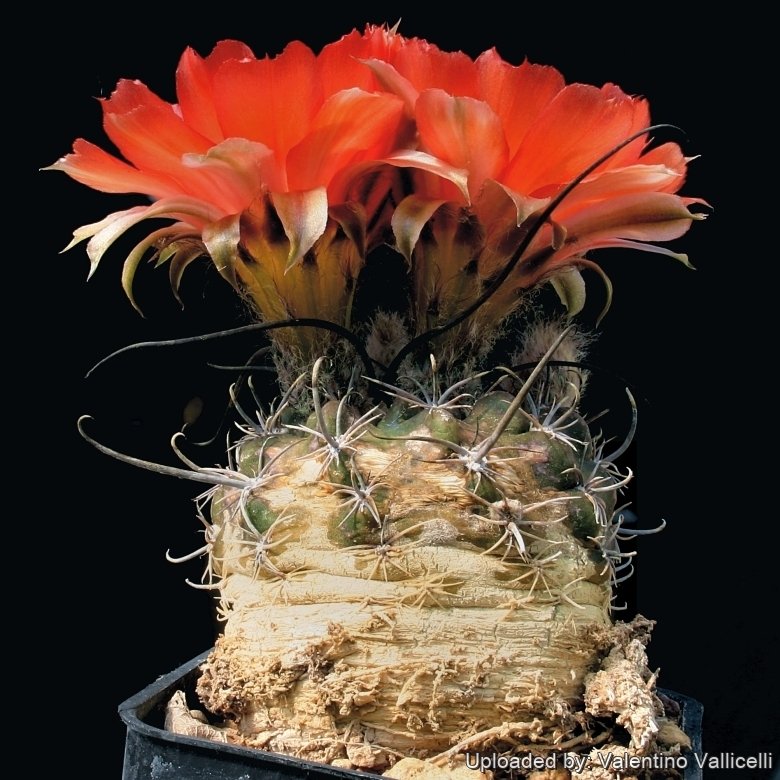
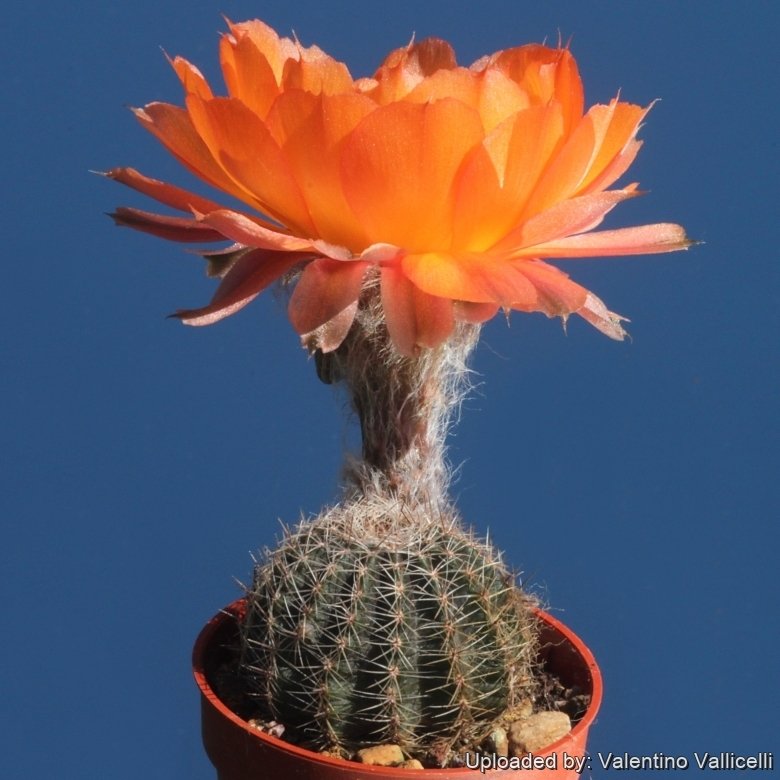
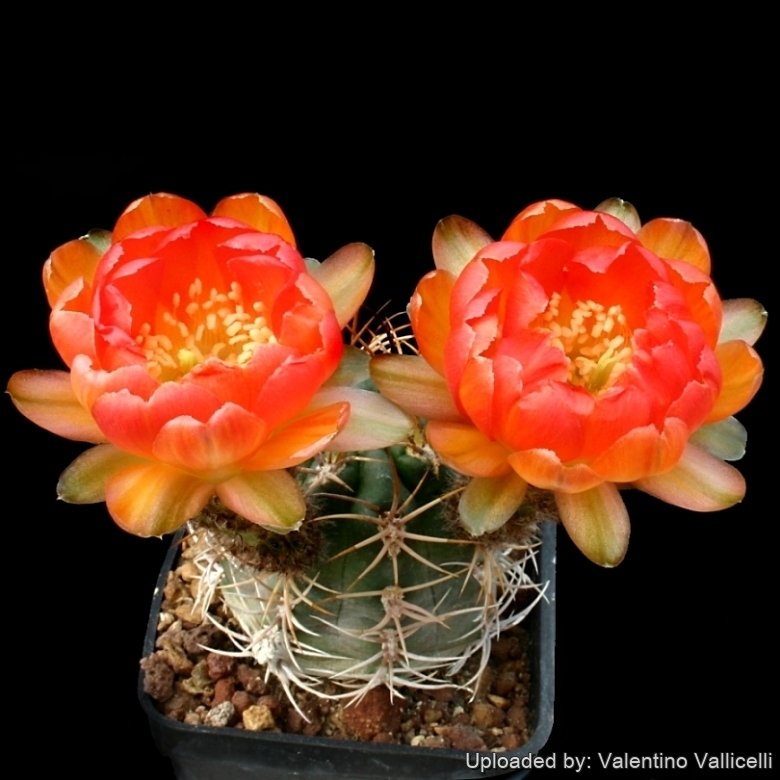
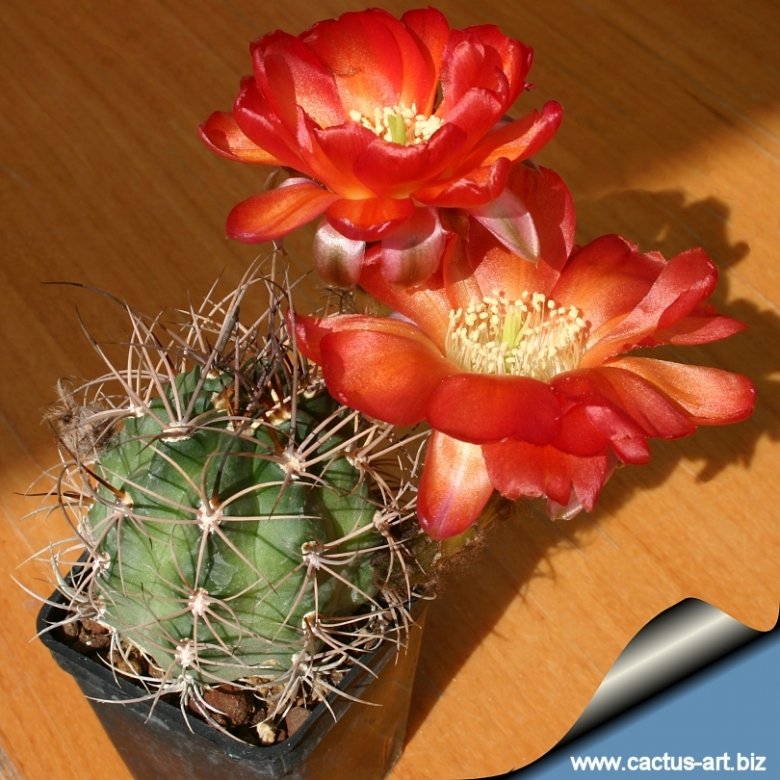
It is a very interesting but extremely variable species, with many forms and varieties. It is a geophyte cactus, usually solitary, or slowly branching to form small clumps.
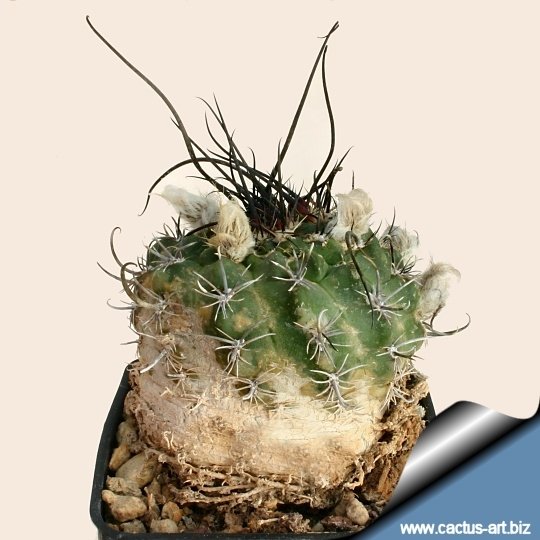
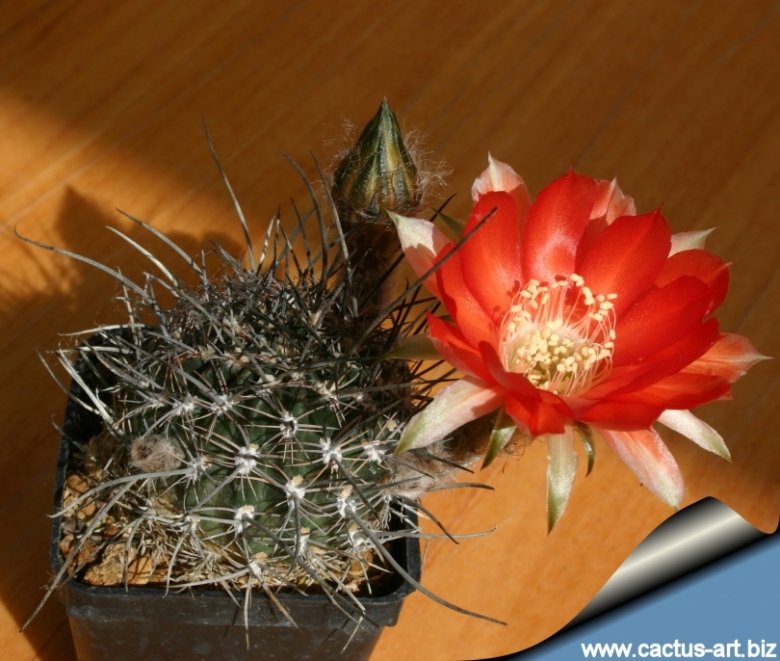
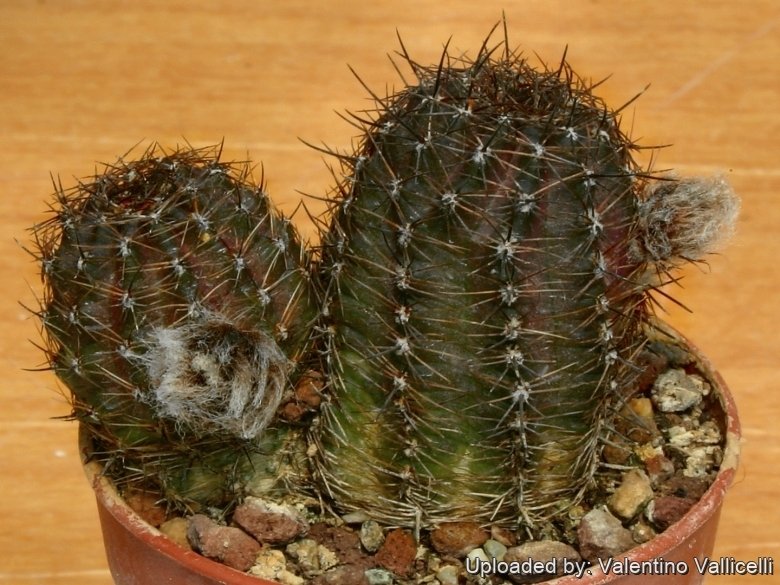
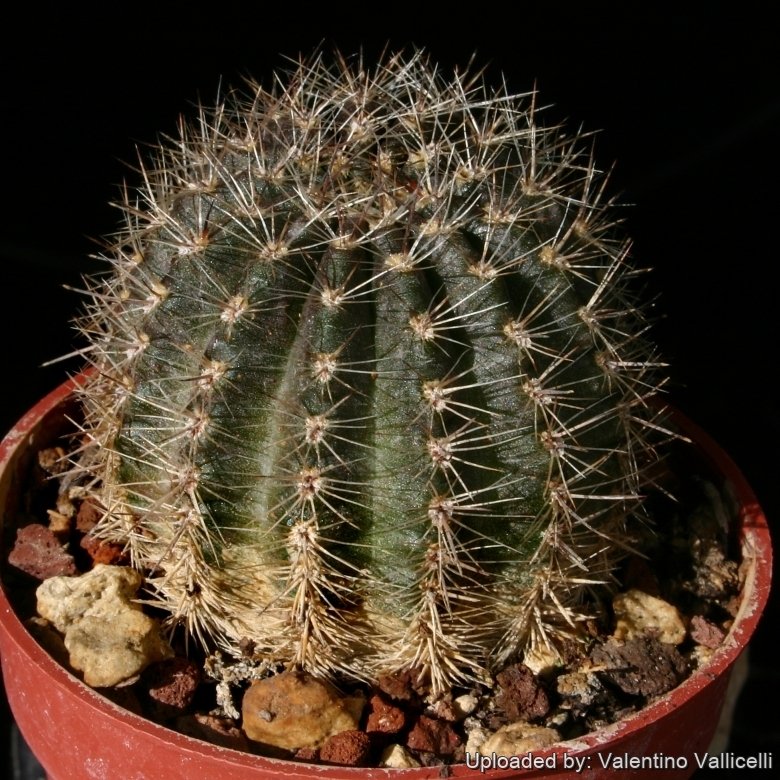
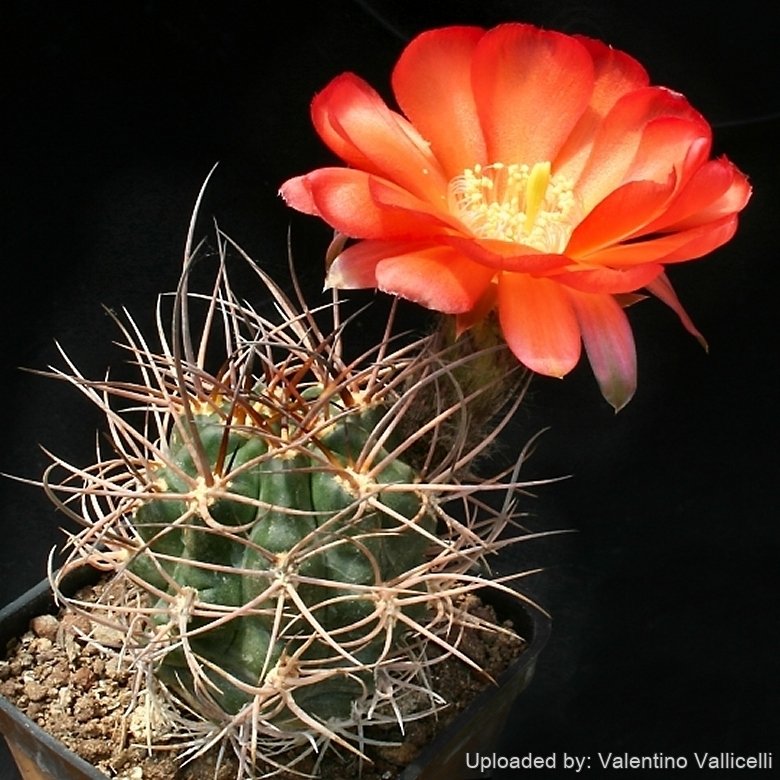
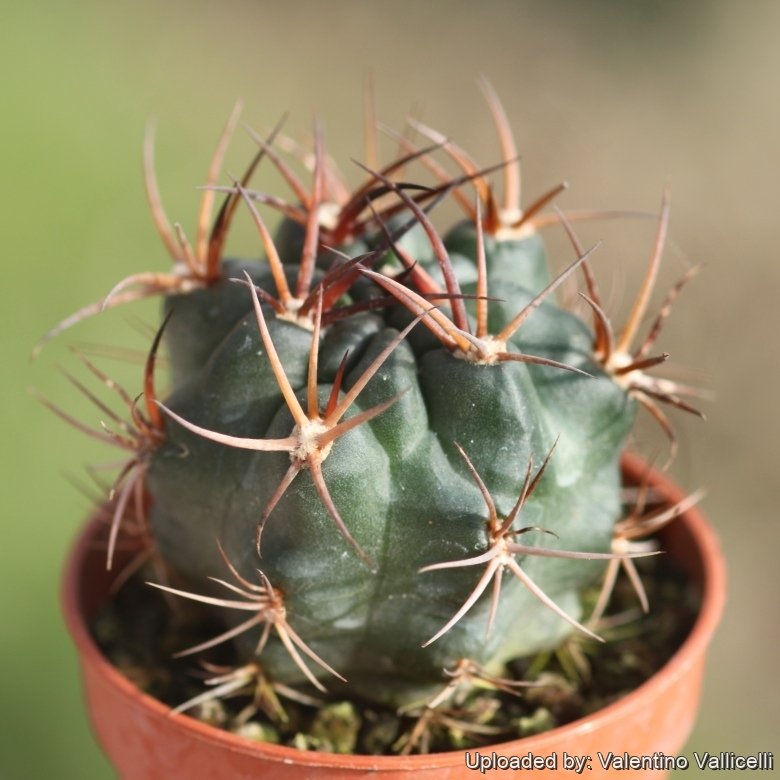
Stem: Somewhat depressed, globose to short cylindrical. Silky, somewhat shining, grey-green, bluish, olive- green to pinkish or brownish-green, 5-8(-12) cm tall, 5-7 cm in diameter.
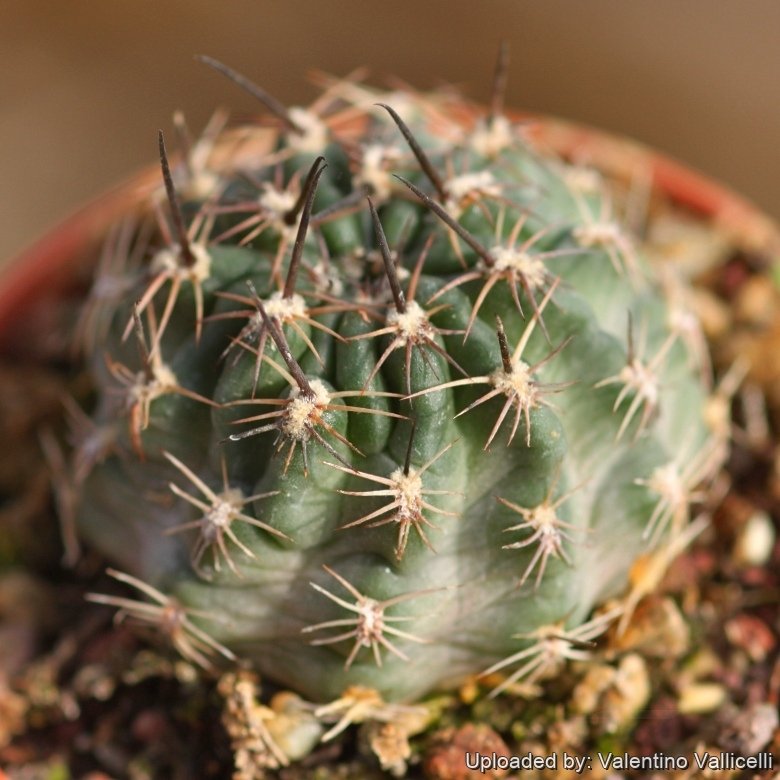
Ribs: 8 to 15, vertical or slightly spiralling, somewhat tuberculate, obtuse, narrow.
Areoles: Nearly circular, 5-6 mm in diameter, white, felted.
Spines: Heavy, curving, yellowish, pink/brown, orangish dark brown or black..
Central spines: Usually 1 to 4, unequal, stouter than the radials, curly, often hooked, 3-6 cm long.
Radial spines: 6 to 12, slender ± interlacing, needle-like, and more or less appressed, 05-1cm long, pale grey with a darker yellow tip.
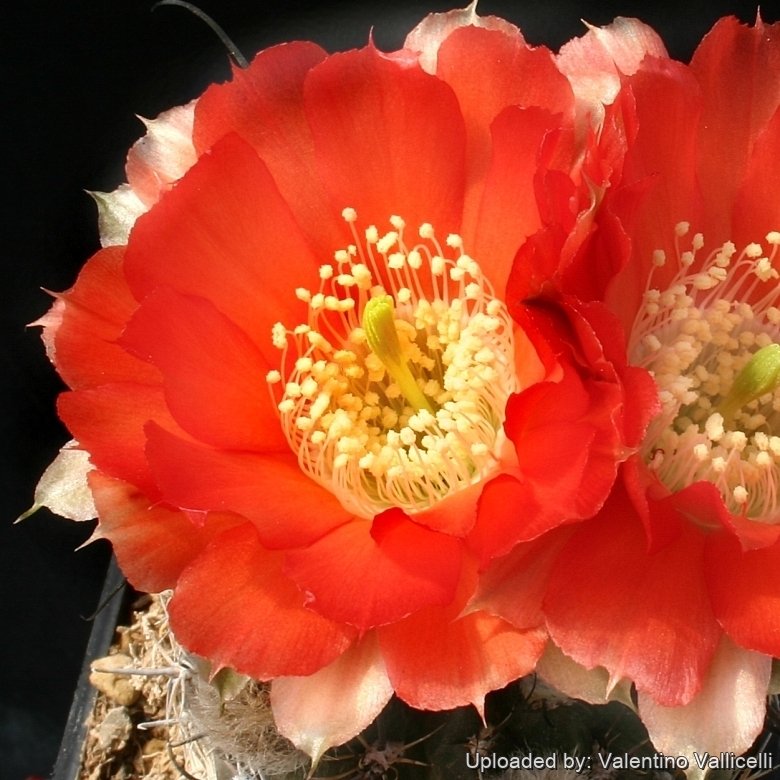
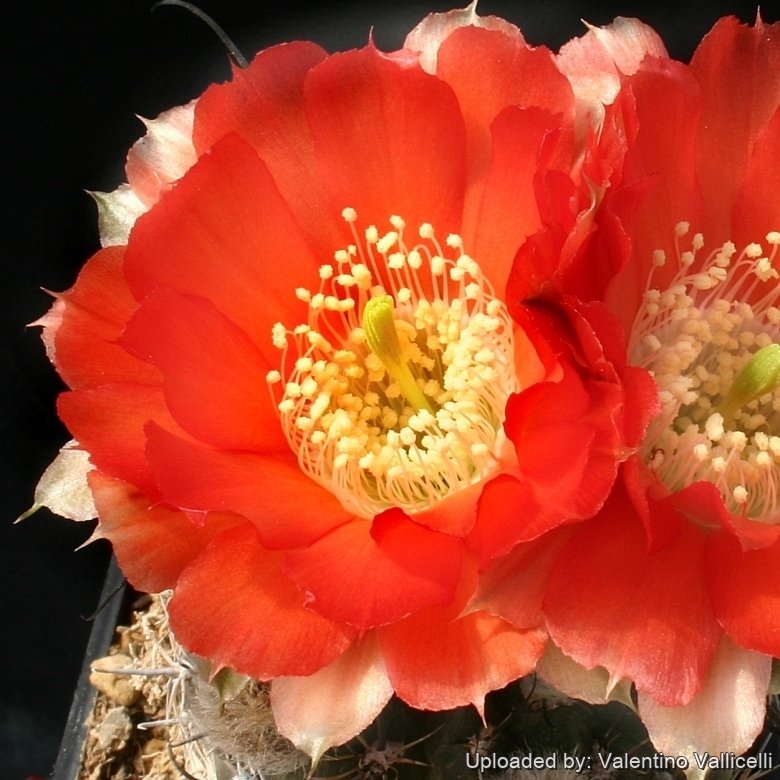
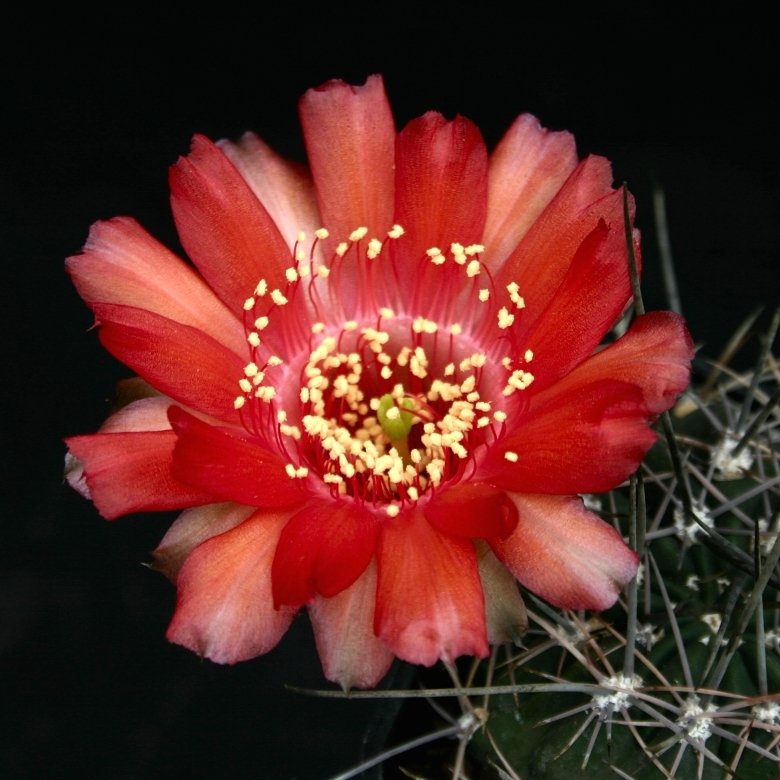
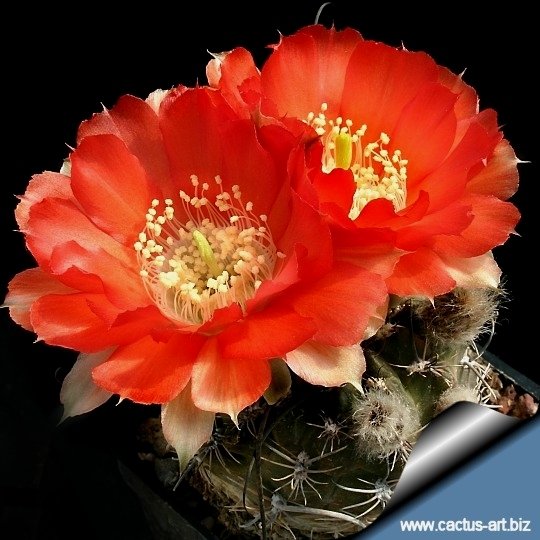
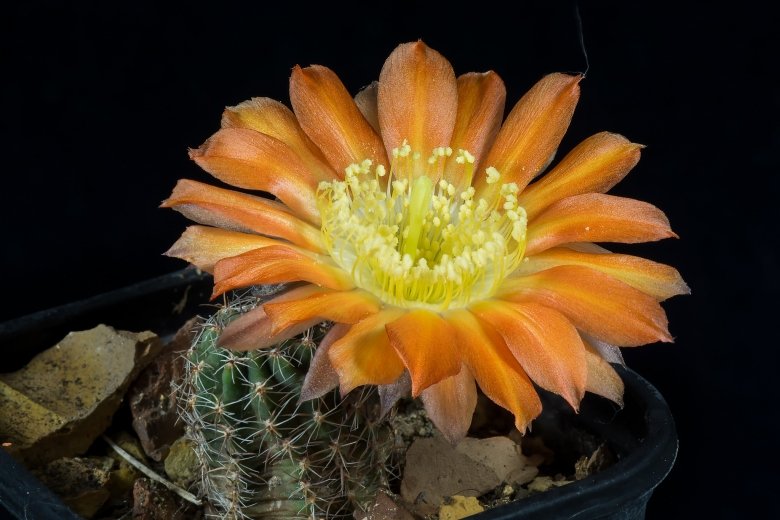
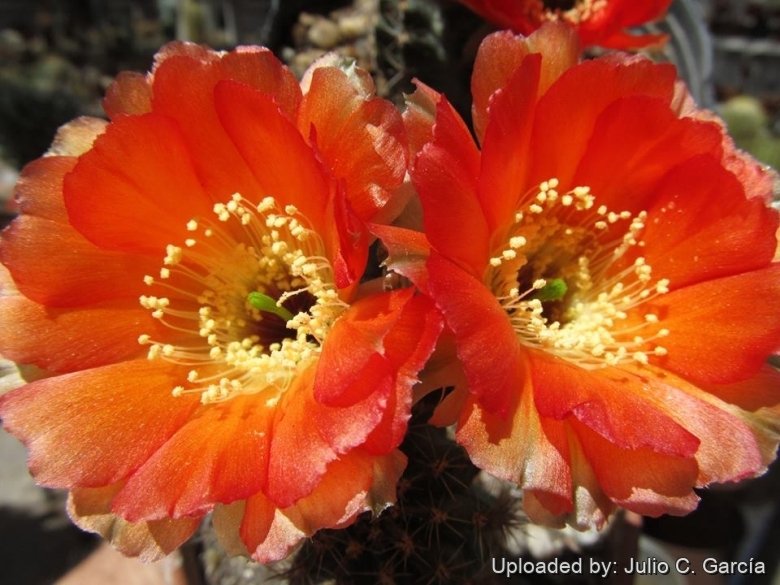
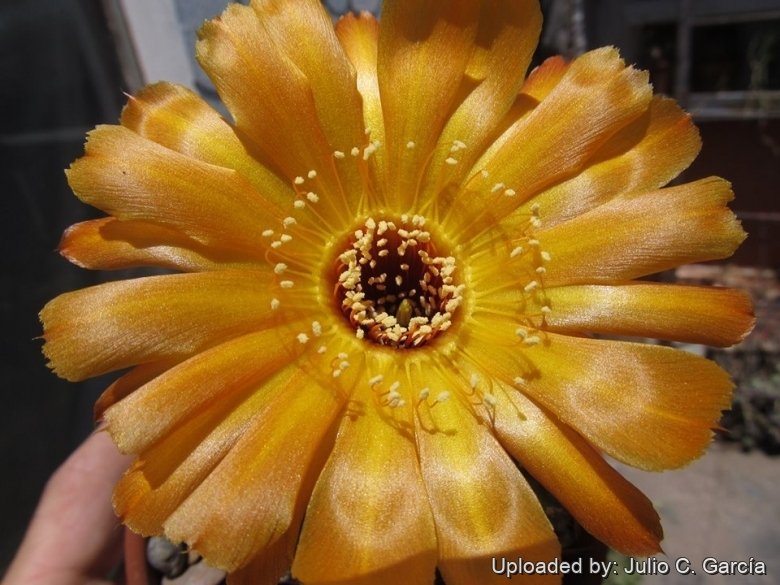
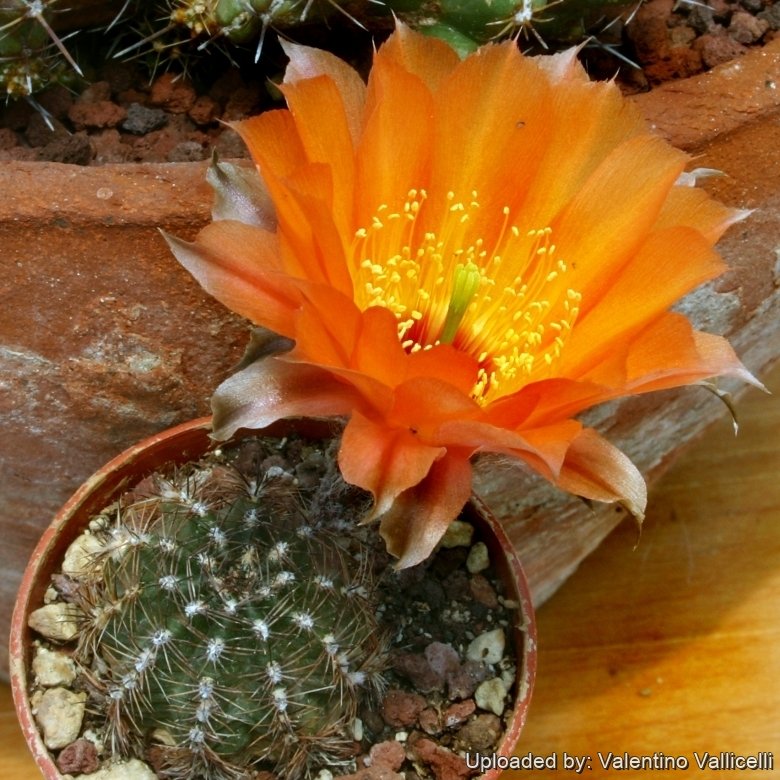
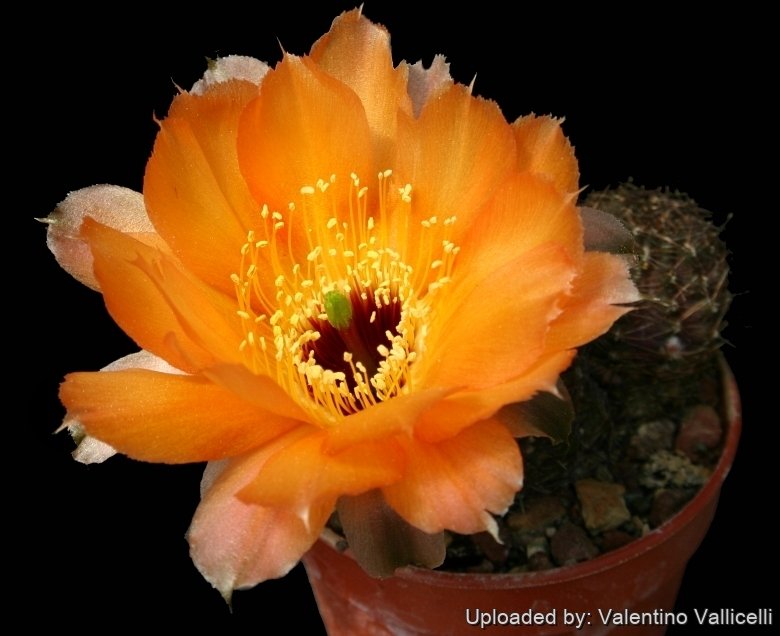
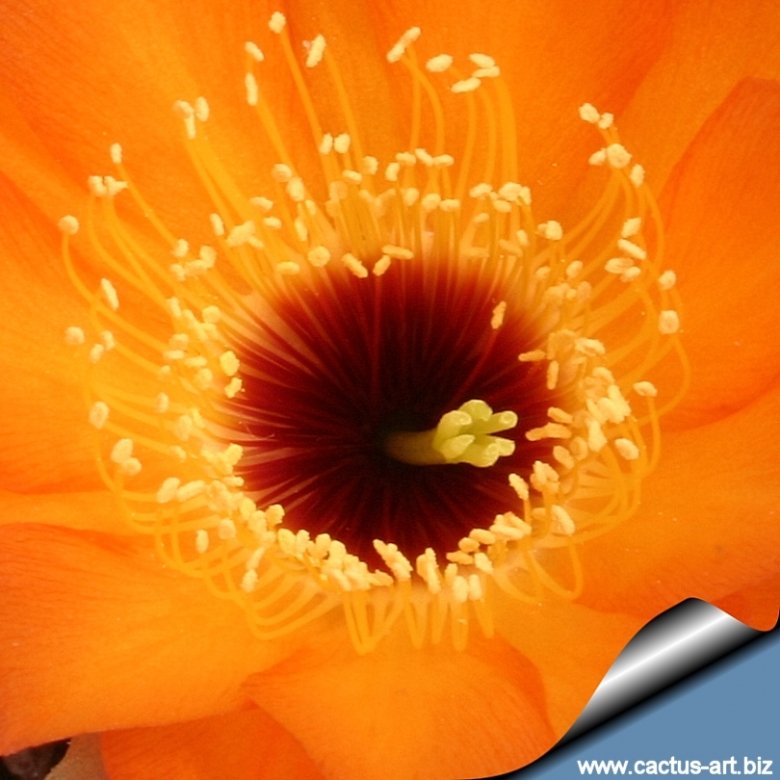
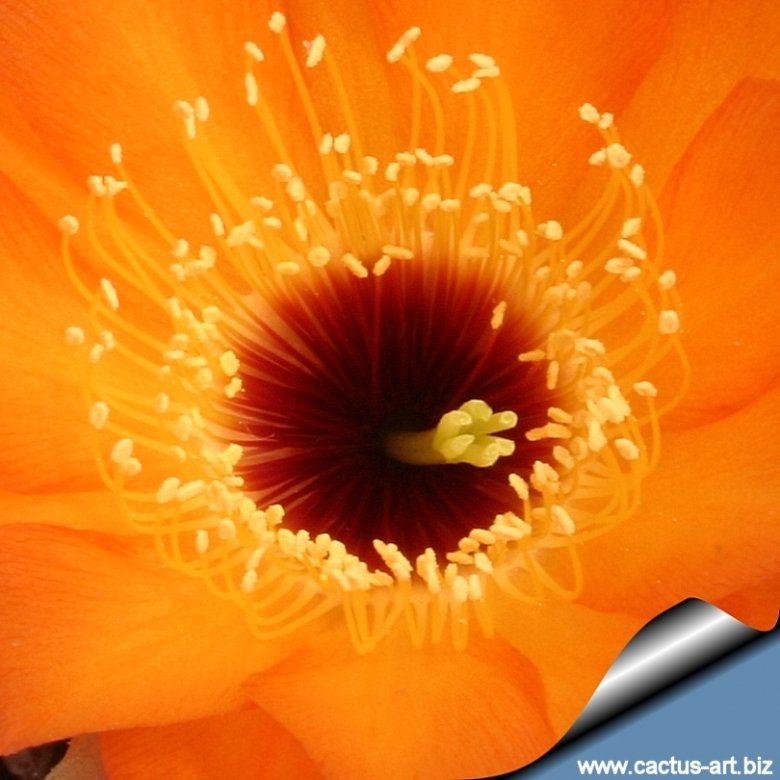
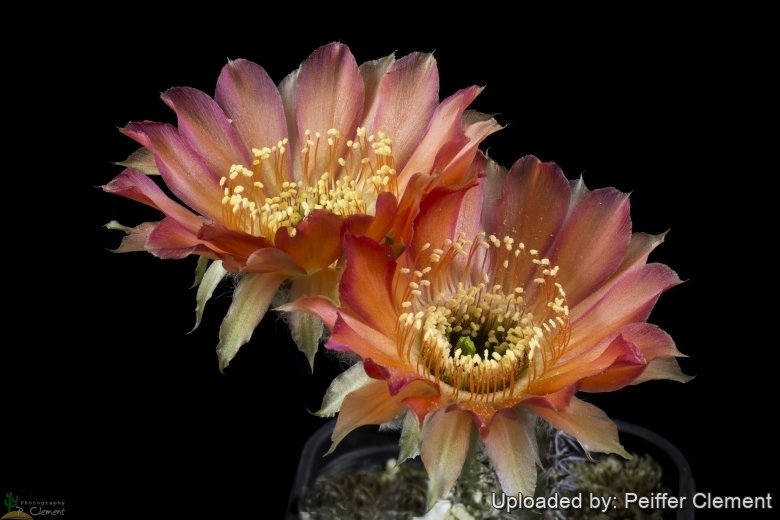
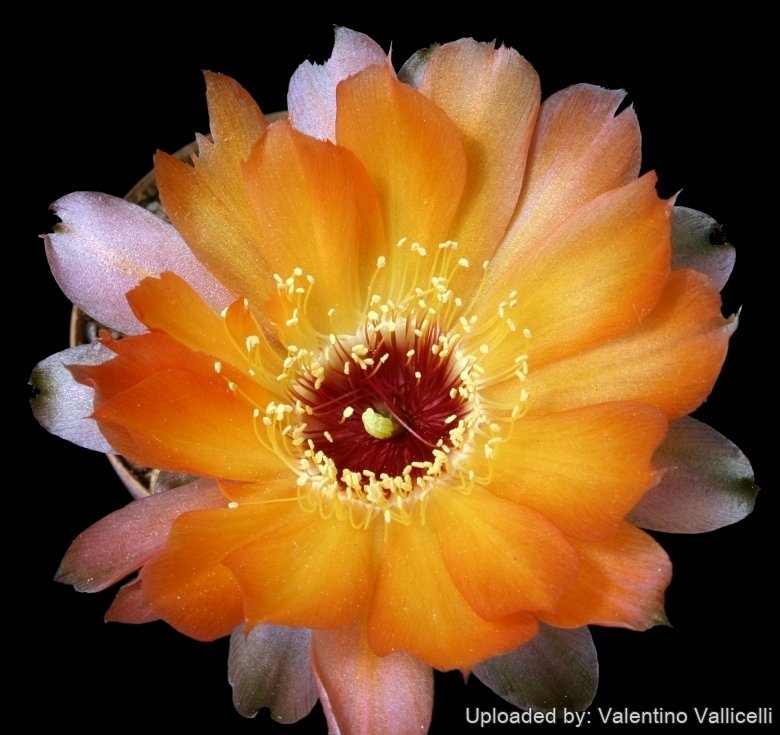
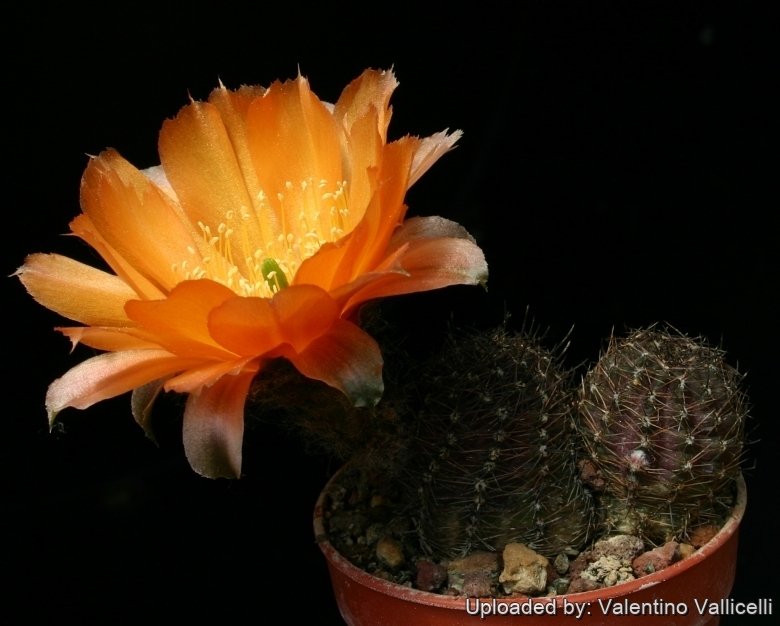
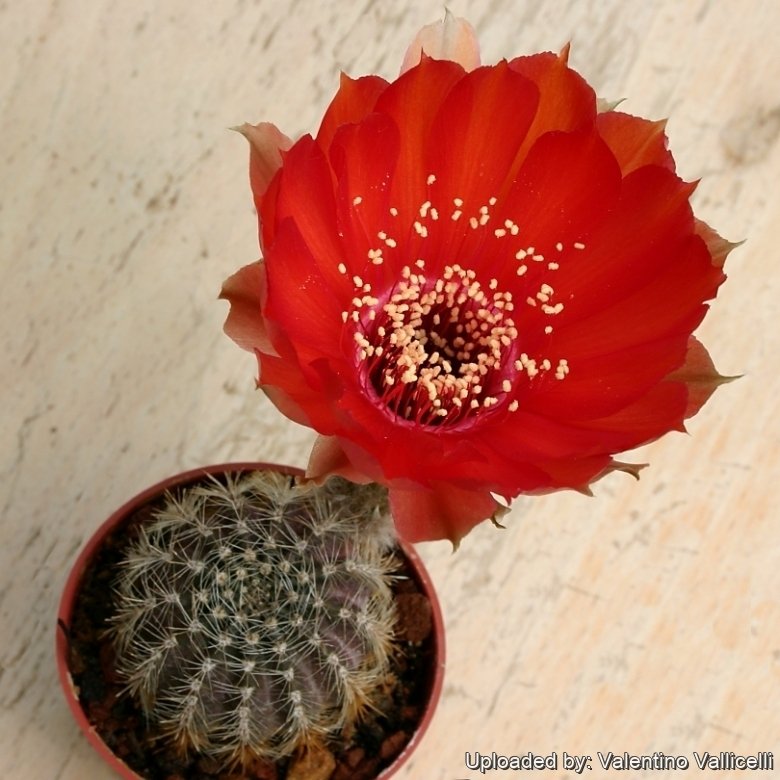
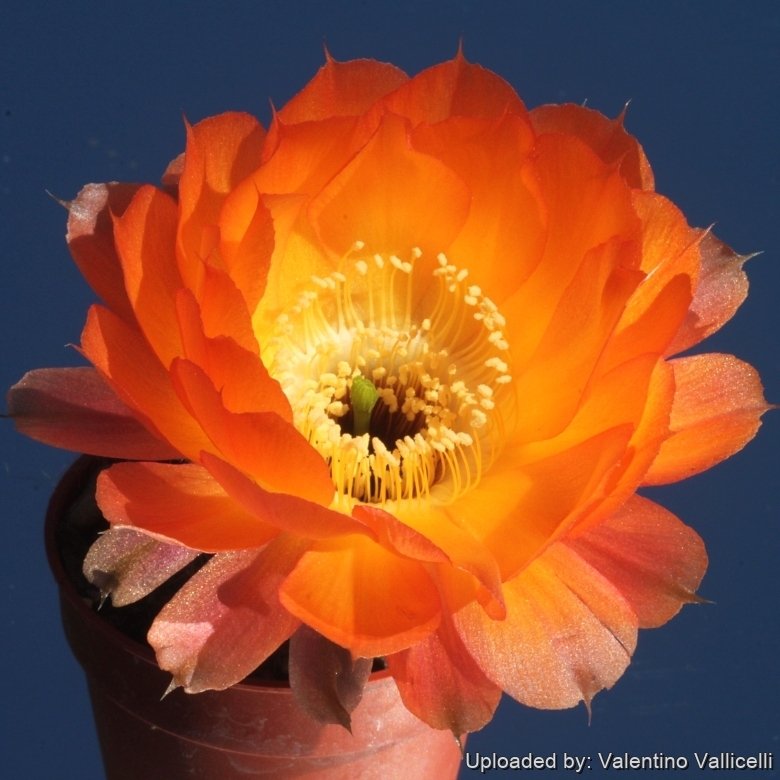
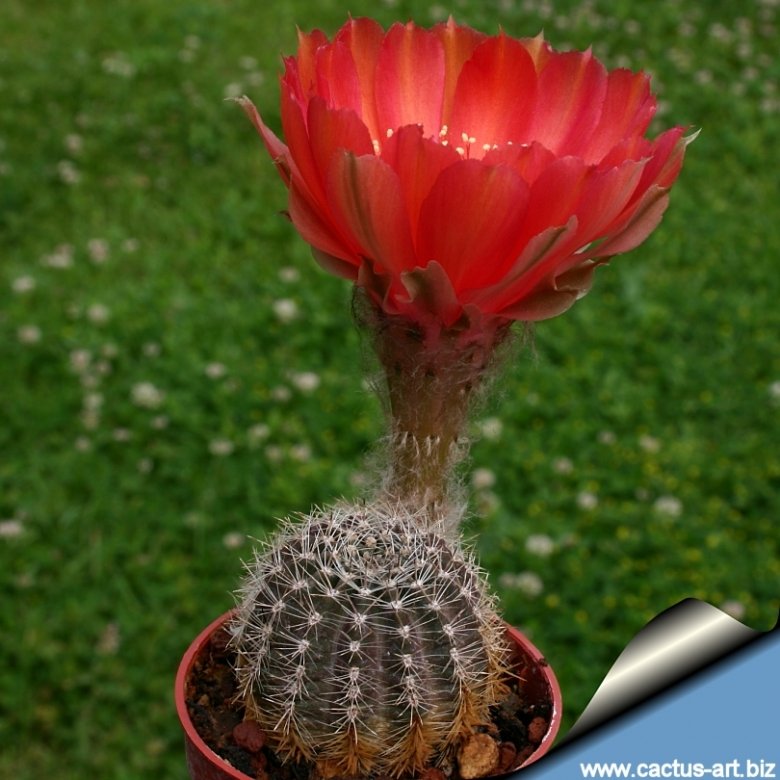
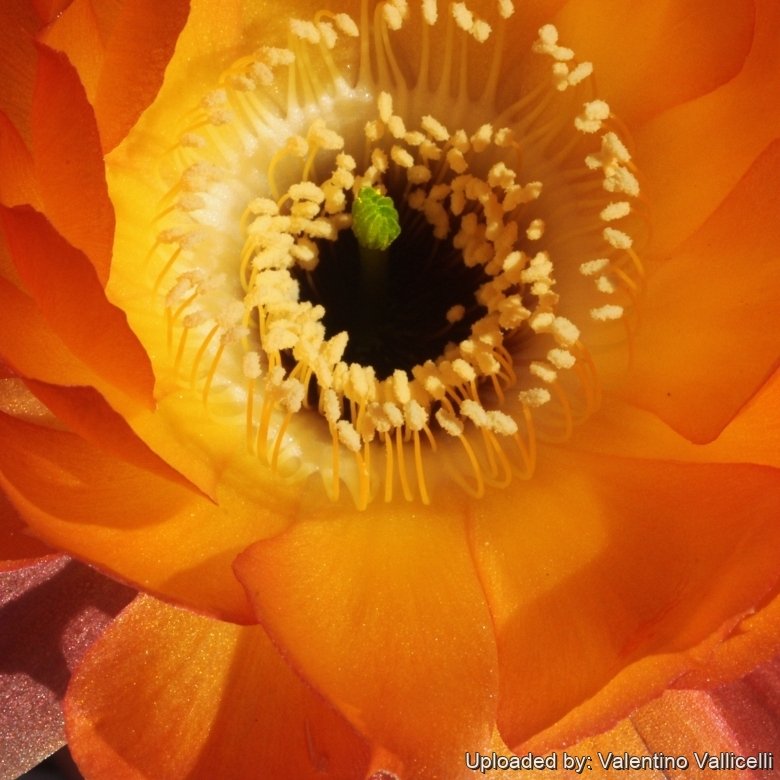
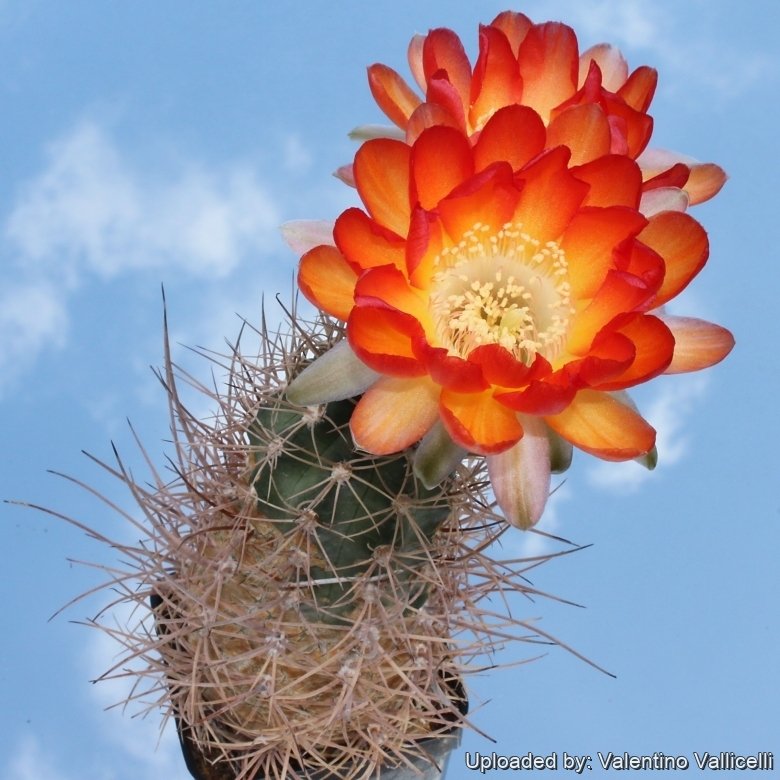
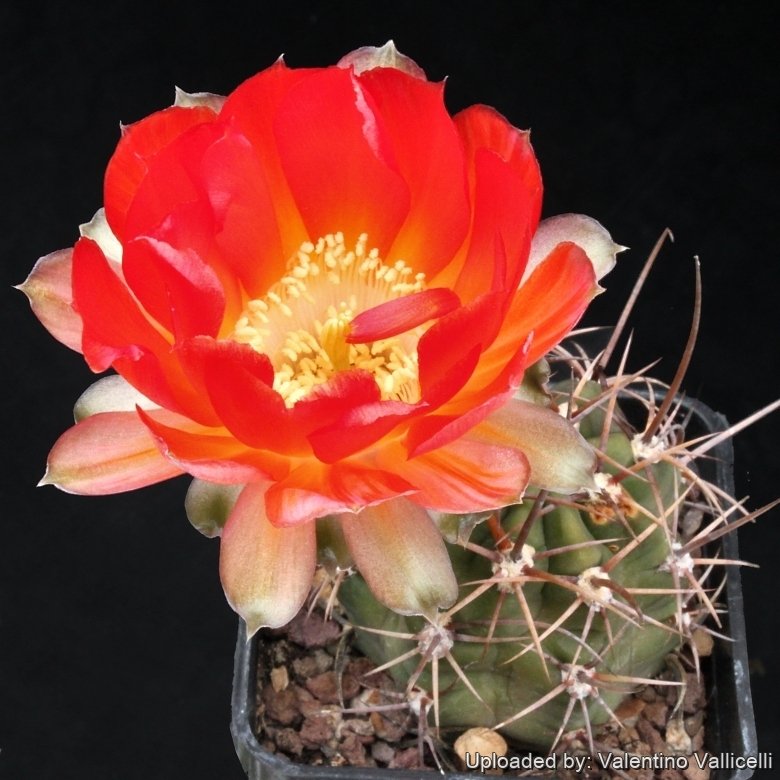
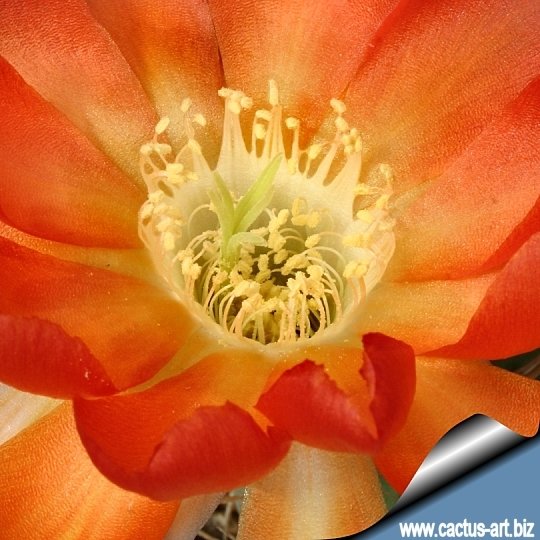
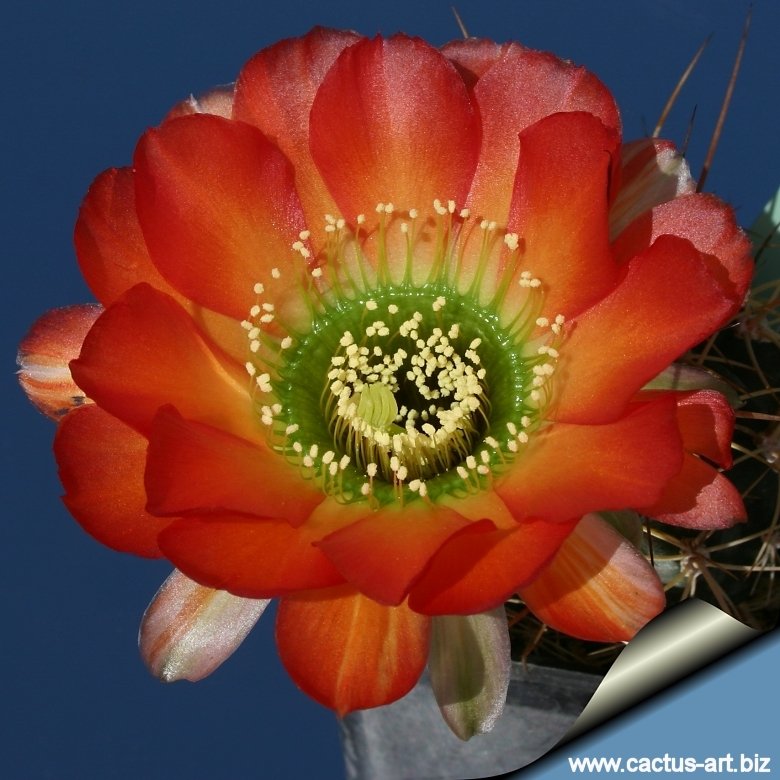
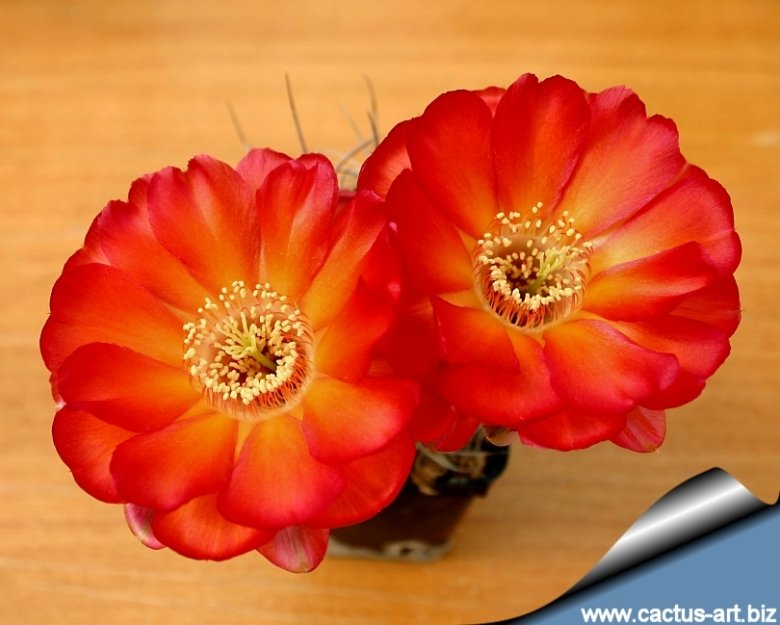
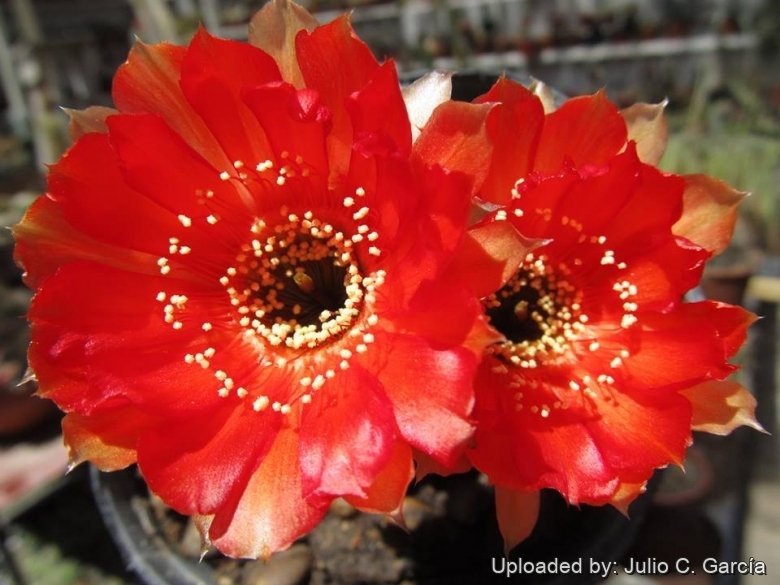
Flower: Diurnal, broadly funnel-form, yellow to purple with usually a white or yellowish-cream throat circle, 3-4 cm wide, inner perianth segments spatulate to obovate, obtuse, stigma lobes 9-12, white. Scales on flower tube with long wool.
Fruits: Globose to ovoid, green to brownish-violet, semidry, dehiscent.
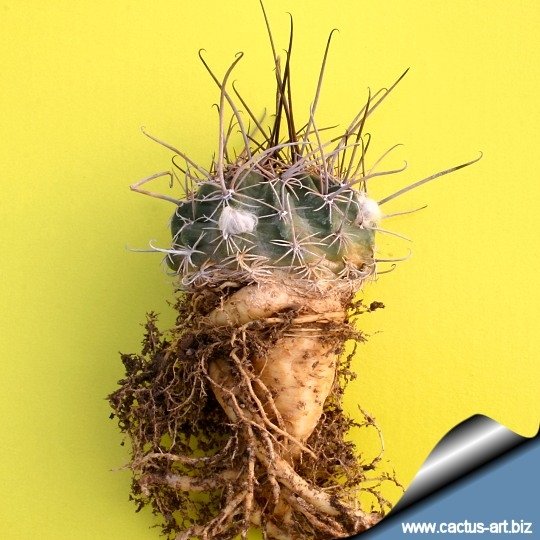
Roots: Large taproot, carrotlike.
Origin and Habitat
Echinopsis haematantha has a relatively wide range in Northern Argentina (Salta and Catamarca)
Type locality: Amblayo, province of Salta.
Altitude: 1800 to 3600 metres above sea level.
Habitat and Ecology: The species grows in shrublands on rocky soils, at high altitudes. It is locally abundant, but the populations are very fragmented.
Cultivation and Propagation
It is a summer grower species that offers no cultivation difficulties.
Soil: Needs a large pot to accommodate a large root system. Use a very draining and porous substrate that allows therefore roots to breath, since it’s natural habitat is in volcanic soil, it has adapted to more acidic conditions.
Water: They like only a short winter’s rest and should be kept almost completely dry during the winter months, If the soil is allowed to be dry for too long root loss could follow but equally the same result would occur if the plants are both wet and cold. From March onwards the plant will begin to grow and watering should be increased gradually until late May when the plant should be in full growth. Water regularly during the summer so long as the plant pot is allowed to drain and not sit in a tray of water. During hot weather you may need to water the plants more frequently so long as the plant is actively growing. From late September watering should be reduced to force the plant to go in to a state of semi dormancy, by October you should be back in to the winter watering regime.
Exposure: It needs full sun avoiding only the harshest summer sun, if kept too dark it may become overly lush and greener and could be prone to rotting due to over watering.
Fertilization:Feeding may not be necessary at all if the compost is fresh then, feed in summer only if the plant hasn’t been repotted recently. Do not feed the plants from September onwards as this can cause lush growth which can be fatal during the darker cold months.
Hardiness: It is quite frost resistant if kept dry (hardy to -5° C)
Maintenance: They should be re-potted frequently until they attain their desired size.
Pests & diseases: It is especially susceptible to spider mite mealybugs and scales infestation.
Propagation: Direct sow after last frost (it seldom produces offsets)
Bibliography
Major references and further lectures
-
Nathaniel Lord Britton, Joseph Nelson Rose “Cactaceae: Descriptions and Illustrations of Plants of the Cactus Family” Courier Dover Publications, 1963
-
James Cullen, Sabina G. Knees, H. Suzanne Cubey “The European Garden Flora Flowering Plants: A Manual for the Identification of Plants Cultivated in Europe, Both Out-of-Doors and Under Glass” Cambridge University Press, 11/Aug./2011
-
David Hunt, Nigel Taylor “The New Cactus Lexicon” DH Books, 2006
-
Edward F. Anderson “The Cactus Family” Timber Press, 2001
-
Clive Innes, Charles Glass “Cacti” Portland House, 01/May/1991
-
Ortega-Baes, P., Lowry, M. & Méndez, E. 2013. Echinopsis haematacantha. In: IUCN 2013. “IUCN Red List of Threatened Species.” Version 2013.2. <www.iucnredlist.org>. Downloaded on 04 January 2014.
From llifle page Andenea kuehnrichii
Description
Echinopsis haematantha var. kuehnrichii best known as Lobivia kuehnrichii, is generally included within (as a synonym of) Echinopsis haematantha that is a very variable cactus species showing a large range of natural variability, especially the colour of the flower. The var. kuehnrichii (sometime misspelled “kuehnrichiana”) distinguishes for its slightly smaller solitary, rarely clustering body with long black hooked spines. The flowers range in colour from red to orange and yellow with usually a white throat circle.
Stem: Globular to oval, with about 12 (or more) ribs.
Root: Tick taproot
Central spines: 1 to 4, curved to hooked, black to grey.
Flowers: Red, orange, or yellow with usually a white throat circle (rarely green). Tube olive green. Stigma sometimes green or yellowish white, rarely carmine.
Taxonomic note: Some authors place Echinopsis haematantha var. kuehnrichii as a synonim of Echinopsis chrysantha.
Origin and Habitat
Cachipampa (Province of Salta).
Cultivation and Propagation
It is a summer-growing species that offers no cultivation difficulty. Water regularly in summer (but do not over-water). It needs good drainage and very porous soil. Keep rather dry in winter. Feed with a high potassium fertilizer in summer. It is quite frost resistant if kept dry (hardy to -5° C). Outside full sun or afternoon shade, inside it needs bright light, and some direct sun.
Propagation: Direct sow after last frost. (seldom produces offsets)
Bibliography
Major references and further lectures
-
Hunt, D., Taylor, N. and Charles, G. (compilers and editors). “The New Cactus Lexicon.” dh Books, Milborne Port, UK. 2006
-
James Cullen, Sabina G. Knees, H. Suzanne Cubey “The European Garden Flora Flowering Plants: A Manual for the Identification of Plants Cultivated in Europe, Both Out-of-Doors and Under Glass” Cambridge University Press, 11/Aug/2011
-
Edward Anderson “The Cactus family” Timber Press, Incorporated, 2001
-
Haustein, Erik. “Der Kosmos-Kakteenführer.” Kosmos / Gesellschaft der Naturfreunde., Stuttgart, 1983
-
Hans Hecht “BLV-Handbuch der Kakteen” BLV-Verlagsgesellschaft, 1982
-
John Pilbeam “Cacti for the Connoisseur: A Guide for Growers & Collectors” Timber Press, 01 July 1987
-
Willy Cullmann, Erich Götz (Dozent Dr.), Gerhard Gröner “The encyclopedia of cacti” Timber Press, 1987
-
J.G. Lambert Ir. A.I.Gx. “Cactus d’Argentine” 2ème édition Revue et complétée, Concordia-Roeselare., 1997
-
Rausch “Erstbeschreibung. Lobivia kuehnrichii Frič var. antennifera Rausch var. nov. Echinopseen” 7(2): 49–51 [2]. 2012
-
Walter Rausch “Lobivia 85” Herzig, 1986
Source: Andenea kuehnrichii, LLIFLE - Encyclopedia of living forms, CC-BY-SA, retrieved 2026-10-25.
From llifle page Echinopsis amblayensis
Description
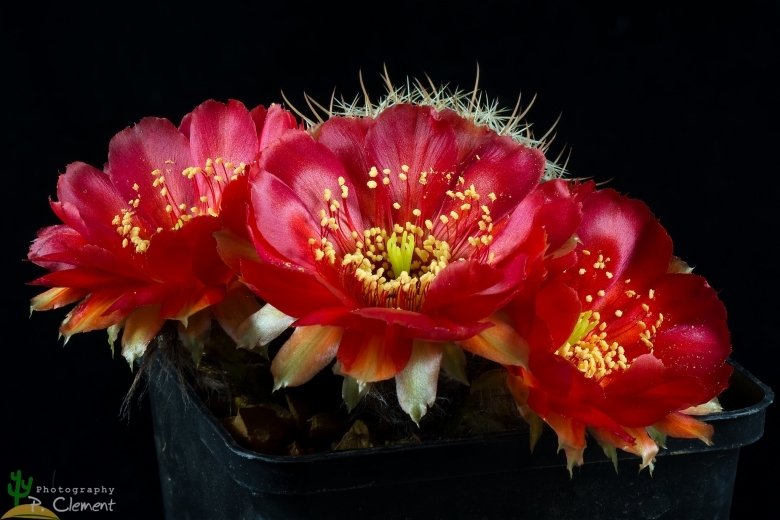
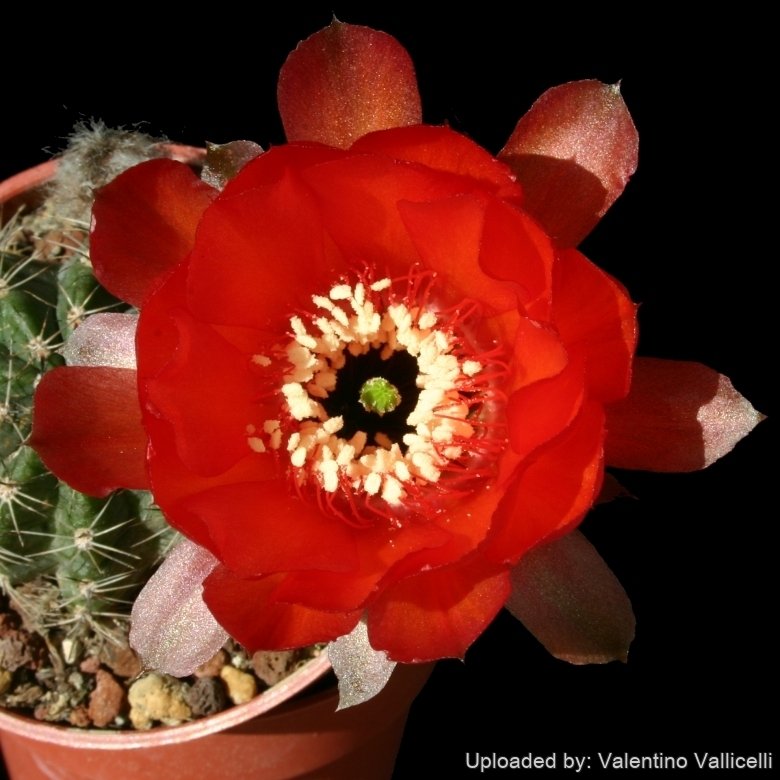
Echinopsis amblayensis (best known has Lobivia haematantha var. amblayensis) is a local or morphological form of the very variable Echinopsis haematantha characterized by rich orange-red flowers and green stigmas and now fully synonymized with the latter. It quite is variable and has also received many names. Anyway (whatever the scientific name is) this easy to grow cactus is highly priced for its vibrant orang-red blooms.
Habit: it is a small compact small clustering cactus.
Stem: Black-green with woolly areoles.
Spines: Short, whitish-cream to almost black. thin and spreading.
Flowers: Approx. 5.5 cm long, 4.5 cm in diameter typically orange with a green stigma (but the colour of petals may vary from orange to red and stigmas may also be orange or red).
Blooming season (Europe): Flowers are produced in spring and remain open for about three or four days.
Roots: Tap root.
Remarks: Echinopsis haematantha is a widespread and variable species that has received an undue number of names. The differences usually concern the colour of flowers sometime with a more pink-orange or dark red tint. The colouring, size and density of spines is also quite variable and is greatly influenced by the conditions of culture, at lower light levels the spines are less numerous, delicate and white, while with strong solar radiation the spines are stronger with a darker tint.
Origin and Habitat
Amblayo, Salta, Argentina.
Altitude range: 2800-3600 metres above sea level.
Cultivation and Propagation
Echinopsis amblayensis is a summer grower species that offers no cultivation difficulties.
Soil: Use a very a particularly draining substratum, as it is very sensitive to rottenness when in presence of humidity and low temperatures and let the soil dry out between waterings.
Fertilization: Feed with a high potassium fertilizer in summer.
Repotting: Repot in the spring, when their roots become cramped. Generally, they should be repotted every other year in order to provide fresh soil. After repotting, do not water for a week or more. Needs a large pot to accommodate a large root system.
Water: In summer, during the vegetative period, it must be regularly watered, but allowing the substratum to completely dry up before irrigating again (but do not overwater); in winter, it’s to be kept dry. Preferable not to water on overcast days, humid days or cold winter days.
Exposure: It needs bright sun, but, as a former mountain dweller, does not care for extremely high temperatures in summer.
Hardiness: It is a quite frost resistant cactus, hardy to -5° C. However in cultivation it is better not to expose it to temperatures lower than -0° C, even if in an aerated and protected location, in order to avoid the formation of anti-aesthetic spots on the epidermis. In presence of high atmospheric humidity avoid any frost as it is particularly sensitive to root rot. As these are high-elevation plants, they don’t like to get overheated.
Propagation: Direct sow after last frost, grafting or by offsets (if available), provided left drying up well, in summer.
Bibliography
Major references and further lectures
-
Nathaniel Lord Britton, Joseph Nelson Rose “Cactaceae: Descriptions and Illustrations of Plants of the Cactus Family” Courier Dover Publications, 1963
-
James Cullen, Sabina G. Knees, H. Suzanne Cubey “The European Garden Flora Flowering Plants: A Manual for the Identification of Plants Cultivated in Europe, Both Out-of-Doors and Under Glass” Cambridge University Press, 11/Aug./2011
-
David Hunt, Nigel Taylor “The New Cactus Lexicon” DH Books, 2006 ISBN 0953813444, 9780953813445.
-
Edward F. Anderson “The Cactus Family” Timber Press, 2001
-
Clive Innes, Charles Glass “Cacti” Portland House, 01/May/1991
Source: Echinopsis amblayensis, LLIFLE - Encyclopedia of living forms, CC-BY-SA, retrieved 2026-10-25.
From llifle page Echinopsis amblayensis var. albispina
Description
Echinopsis amblayensis var. albispina| is a tuberous, dwarf, compact, clustering cactus.
Stem: Black-green with woolly areoles.
Spines: Short, glassy, mostly cream white in variable number.
Flowers: Orange to red very showy approx. 5,5 cm long and 4,5 cm in diameter. Stigma lobes orange, red or green.
Blooming season: Flowers are produced in spring, and remain open for about three or four days.
Roots: Tap root.
Origin and Habitat
Amblayo, Salta, Argentina 2200-3600m
Source: Echinopsis amblayensis var. albispina, LLIFLE - Encyclopedia of living forms, CC-BY-SA, retrieved 2026-10-25.
From llifle page Echinopsis hualfinensis
Description
Echinopsis haematantha subs. hualfinensis, best known in cultivation as Lobivia hualfinensis, is a small geophyte cactus, usually solitary o slowly branching to form small clumps.
Stem: Globose to shot cylindrical, Silky grey-green olive- green to pinkish or brownish-green. p to 12 cm tall , 5-7 cm in diameter.
Ribs: Up to 12 (but usually less) vertical or slightly spiraling, low.
Spines: Heavy, curving, pink/brown or orangish.
Radial spines: 8 to 12, bent against the plant body, interlacing, 1-3 cm long.
Central spines: Usually 1, long, curly, 4-10 cm long.
Flower: Diurnal, broadly funnelform, orange to bright red 3-4 cm wide, with usually a white or cream-yellowish throat circle.
Fruits: Globose to ovoid, green to brownish-violet, semidry, dehiscent.
Roots: Tap root.
Origin and Habitat
Northern Argentina
Source: Echinopsis hualfinensis, LLIFLE - Encyclopedia of living forms, CC-BY-SA, retrieved 2026-10-25.
From llifle page Hymenorebutia drijveriana
Description
Lobivia drijveriana (= Echinopsis haematantha var. kuehnrichii ?) is a very interesting cactus with yellow, salmon to bright orange, green throated flowers up to 5 cm wide. It is one of several varieties of Echinopsis haematantha that comes in several colours and spinations this polymorphism has led some authors to describe a lot of unnecessary varieties. The “drijveriana” is one of them.
Habit: It is a geophyte cactus, usually solitary, or slowly branching to form small clumps.
Stem: Somewhat depressed, globose to short cylindrical. Silky, somewhat shining, grey-green, to pinkish or brownish-green, 5-8 cm tall, 5-7 cm in diameter.
Areoles: Nearly circular white, felted.
Spines: Not heavy, pale pink/brown, orangish to dark brown.
Flower: Diurnal, broadly funnel-form, pure yellow to orange with usually a greenish throat circle, 3-4 cm wide. Scales on flower tube with long wool.
Fruits: Globose to ovoid, green to brownish-violet, semidry, dehiscent.
Roots: Large taproot, carrotlike.
Origin and Habitat
Cachipampa to Cachi, Salta, Argentina
Altitude: 3000-3350 meters above sea level.
Habitat and Ecology: This cactus grows in dry shrublands on rocky soils, at high altitudes.
Cultivation and Propagation
Lobivia drijveriana is a summer grower species that offers no cultivation difficulties.
Soil: Needs a large pot to accommodate a large root system. Use a very draining and porous substrate that allows therefore roots to breath, since it’s natural habitat is in volcanic soil, it has adapted to more acidic conditions.
Water: They like only a short winter’s rest and should be kept almost completely dry during the winter months, If the soil is allowed to be dry for too long root loss could follow but equally the same result would occur if the plants are both wet and cold. From March onwards the plant will begin to grow and watering should be increased gradually until late May when the plant should be in full growth. Water regularly during the summer so long as the plant pot is allowed to drain and not sit in a tray of water. During hot weather you may need to water the plants more frequently so long as the plant is actively growing. From late September watering should be reduced to force the plant to go in to a state of semi dormancy, by October you should be back in to the winter watering regime.
Exposure: It needs full sun avoiding only the harshest summer sun, if kept too dark it may become overly lush and greener and could be prone to rotting due to over watering.
Fertilization:Feeding may not be necessary at all if the compost is fresh then, feed in summer only if the plant hasn’t been repotted recently. Do not feed the plants from September onwards as this can cause lush growth which can be fatal during the darker cold months.
Hardiness: It is quite frost resistant if kept dry (hardy to -5° C)
Maintenance: They should be re-potted frequently until they attain their desired size.
Pests & diseases: It is especially susceptible to spider mite mealybugs and scales infestation.
Propagation: Direct sow after last frost (it seldom produces offsets)
Source: Hymenorebutia drijveriana, LLIFLE - Encyclopedia of living forms, CC-BY-SA, retrieved 2026-10-25.
From llifle page Lobivia chorrillosensis
Description
Echinopsis haematantha subs. chorrillosensis|, described by Rausch as Lobivia chorrillosensis in 1974, is a morphological form of the very variable Echinopsis haematantha characterized by a swollen deep taproot, greyish-green stems, short pale radial spines and longer curved central spine. It is quite common higher up on the mountain and exhibits a range of flower colour from red through to yellow. The seedlings are similarly variable. Now usually Echinopsis haematantha subs. chorrillosensis| is thought to be merely a local form of Echinopsis haematantha and is fully synonymized with the latter. Due to its variability it has also received many names. Anyway (whatever the scientific name is) this easy to grow cactus is highly priced for its multicoloured blooms.
Habit: It is a small compact solitary or clustering cactus (particularly in cultivation).
Stem: Greyish-green with woolly areoles.
Spines: Short, whitish-cream to almost black. thin and spreading.
Flowers: Approx. 5.5 cm long, 4.5 cm in diameter varying from orange, red and yellow (rare).
Blooming season (Europe): Flowers are produced in spring and remain open for about three or four days.
Roots: Tap root.
Remarks: Echinopsis haematantha is a widespread and variable species that has received an undue number of names. The differences usually concern the colour of flowers sometime with a more pink-orange or dark red tint. The colouring, size and density of spines is also quite variable and is greatly influenced by the conditions of culture, at lower light levels the spines are less numerous, delicate and white, while with strong solar radiation the spines are stronger with a darker tint.
Origin and Habitat
Chorrillos, Salta, Argentina
Altitude range: 2450-3200m
Cultivation and Propagation
Echinopsis haematantha subs. chorrillosensis| is a summer grower species that offers no cultivation difficulties.
Soil: Use a very a particularly draining substratum, as it is very sensitive to rottenness when in presence of humidity and low temperatures and let the soil dry out between waterings.
Fertilization: Feed with a high potassium fertilizer in summer.
Repotting: Repot in the spring, when their roots become cramped. Generally, they should be repotted every other year in order to provide fresh soil. After repotting, do not water for a week or more. Needs a large pot to accommodate a large root system.
Water: In summer, during the vegetative period, it must be regularly watered, but allowing the substratum to completely dry up before irrigating again (but do not overwater); in winter, it’s to be kept dry. Preferable not to water on overcast days, humid days or cold winter days.
Exposure: It needs bright sun, but, as a former mountain dweller, does not care for extremely high temperatures in summer.
Hardiness: It is a quite frost resistant cactus, hardy to -5° C. However in cultivation it is better not to expose it to temperatures lower than -0° C, even if in an aerated and protected location, in order to avoid the formation of anti-aesthetic spots on the epidermis. In presence of high atmospheric humidity avoid any frost as it is particularly sensitive to root rot. As these are high-elevation plants, they don’t like to get overheated.
Propagation: Direct sow after last frost, grafting or by offsets (if available), provided left drying up well, in summer.
Bibliography
Major references and further lectures
-
Nathaniel Lord Britton, Joseph Nelson Rose “Cactaceae: Descriptions and Illustrations of Plants of the Cactus Family” Courier Dover Publications, 1963
-
James Cullen, Sabina G. Knees, H. Suzanne Cubey “The European Garden Flora Flowering Plants: A Manual for the Identification of Plants Cultivated in Europe, Both Out-of-Doors and Under Glass” Cambridge University Press, 11/Aug./2011
-
David Hunt, Nigel Taylor “The New Cactus Lexicon” DH Books, 2006 ISBN 0953813444, 9780953813445.
-
Edward F. Anderson “The Cactus Family” Timber Press, 2001
-
Clive Innes, Charles Glass “Cacti” Portland House, 01/May/1991
-
Graham charles “A Day out at Chorrillos” In: The Cactus Explorer Number 9, page 29, August 2013
Source: Lobivia chorrillosensis, LLIFLE - Encyclopedia of living forms, CC-BY-SA, retrieved 2026-10-25.
From llifle page Lobivia drijveriana var. astranthema
Description
Echinopsis haematantha var. drijveriana (best known in cultivation as Lobivia drijveriana) is a very interesting cactus with yellow to bright orange, green throated flowers up to 5 cm wide. It is one of several varieties of Echinopsis haematantha that comes in several colors and spinations this polymorphism has led some authors to describe a lot of unnecessary varieties. The “drijveriana” is one of them.
Habit: It is a geophyte cactus, usually solitary, or slowly branching to form small clumps.
Stem: Somewhat depressed, globose to short cylindrical. Silky, somewhat shining, grey-green, to pinkish or brownish-green, 5-8 cm tall, 5-7 cm in diameter.
Areoles: Nearly circular white, felted.
Spines: Not heavy, pale pink/brown, orangish to dark brown.
Flower: Diurnal, broadly funnel-form, pure yellow to orange with usually a greenish throat circle, 3-4 cm wide. Scales on flower tube with long wool.
Fruits: Globose to ovoid, green to brownish-violet, semidry, dehiscent.
Roots: Large taproot, carrotlike.
Cultivation and Propagation
Echinopsis haematantha var. drijveriana is a summer grower species that offers no cultivation difficulties.
Soil: Needs a large pot to accommodate a large root system. Use a very draining and porous substrate that allows therefore roots to breath, since it’s natural habitat is in volcanic soil, it has adapted to more acidic conditions.
Water: They like only a short winter’s rest and should be kept almost completely dry during the winter months, If the soil is allowed to be dry for too long root loss could follow but equally the same result would occur if the plants are both wet and cold. From March onwards the plant will begin to grow and watering should be increased gradually until late May when the plant should be in full growth. Water regularly during the summer so long as the plant pot is allowed to drain and not sit in a tray of water. During hot weather you may need to water the plants more frequently so long as the plant is actively growing. From late September watering should be reduced to force the plant to go in to a state of semi dormancy, by October you should be back in to the winter watering regime.
Exposure: It needs full sun avoiding only the harshest summer sun, if kept too dark it may become overly lush and greener and could be prone to rotting due to over watering.
Fertilization:Feeding may not be necessary at all if the compost is fresh then, feed in summer only if the plant hasn’t been repotted recently. Do not feed the plants from September onwards as this can cause lush growth which can be fatal during the darker cold months.
Hardiness: It is quite frost resistant if kept dry (hardy to -5° C)
Maintenance: They should be re-potted frequently until they attain their desired size.
Pests & diseases: It is especially susceptible to spider mite mealybugs and scales infestation.
Propagation: Direct sow after last frost (it seldom produces offsets)
Source: Lobivia drijveriana var. astranthema, LLIFLE - Encyclopedia of living forms, CC-BY-SA, retrieved 2026-10-25.
Cultivars and forms (4)
Gallery