Publication: Cacti (Borg) 304. 1937
Description
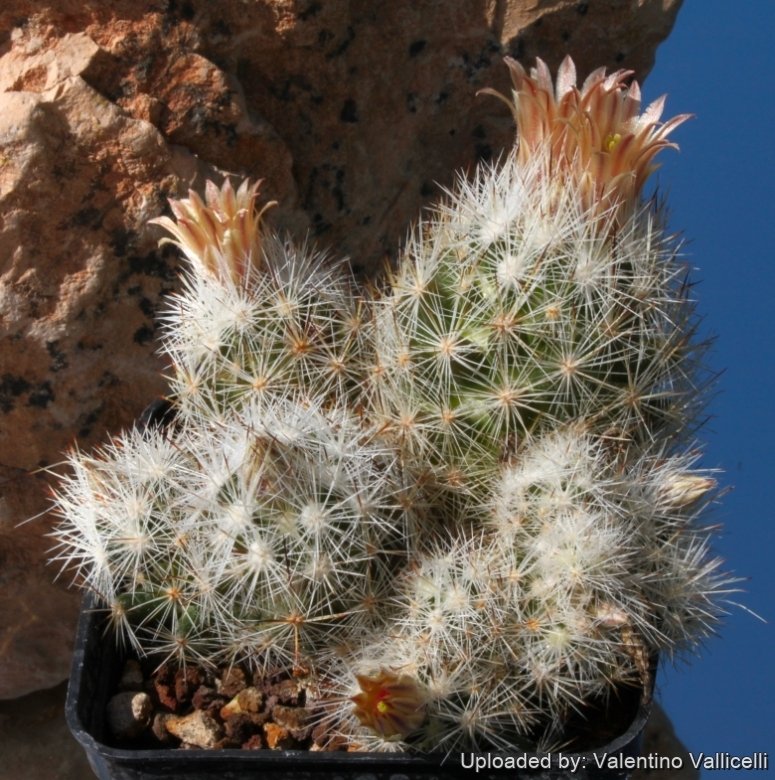
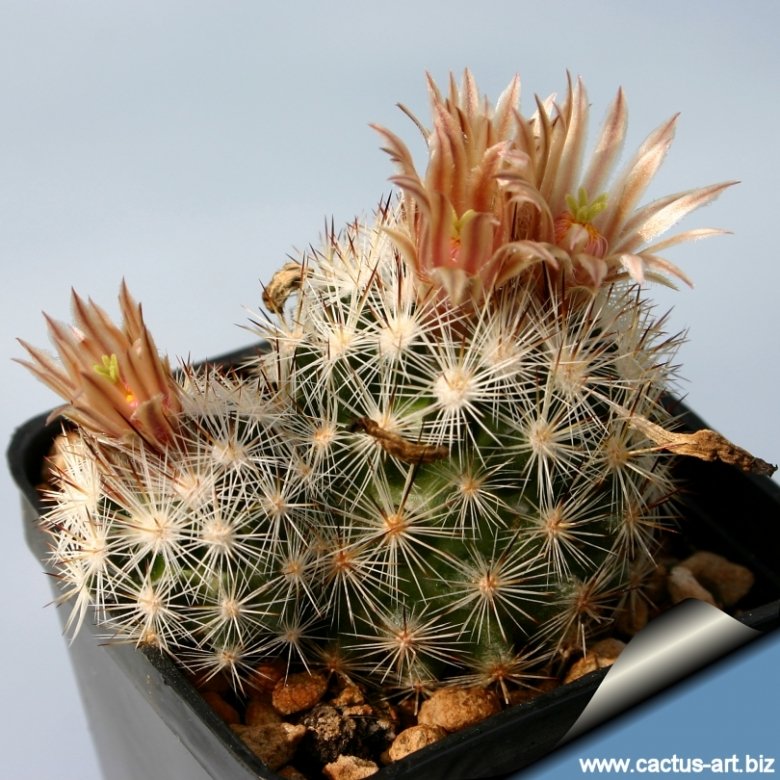
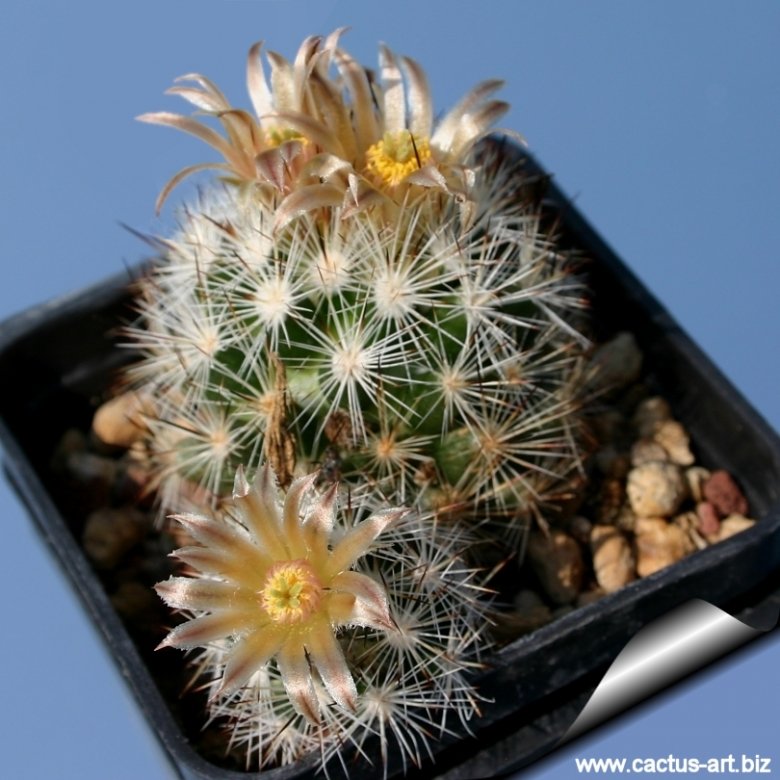
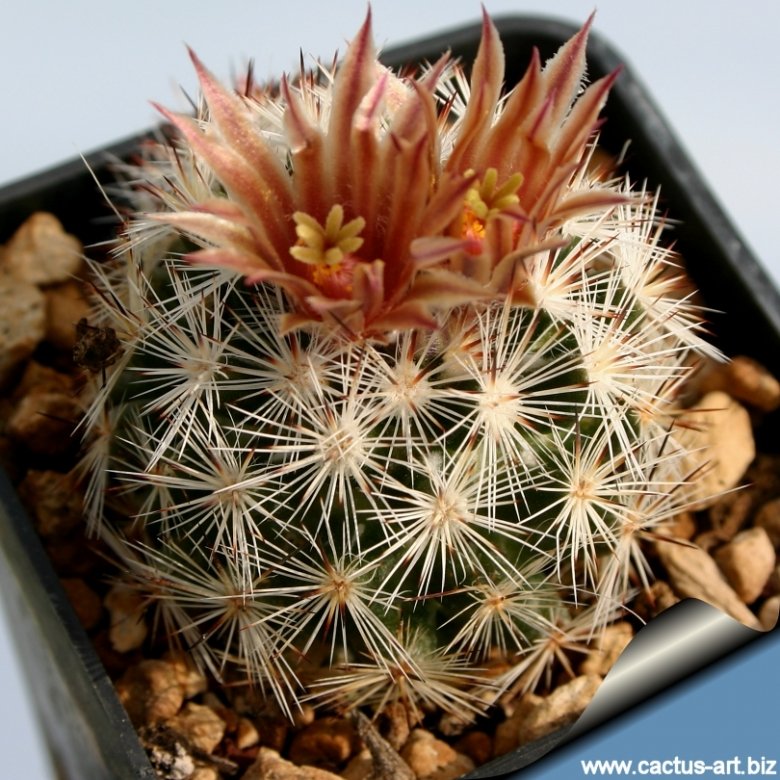
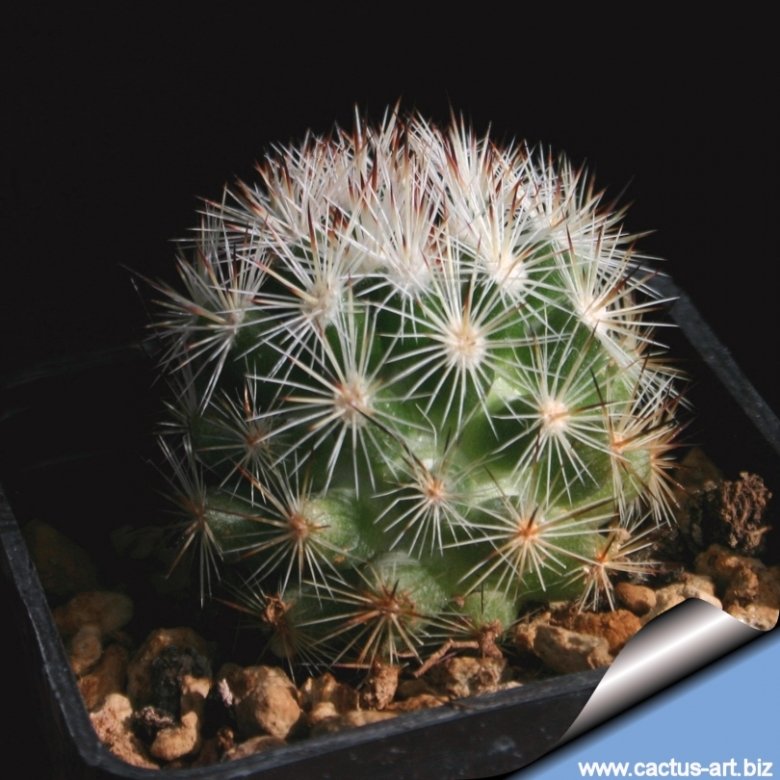
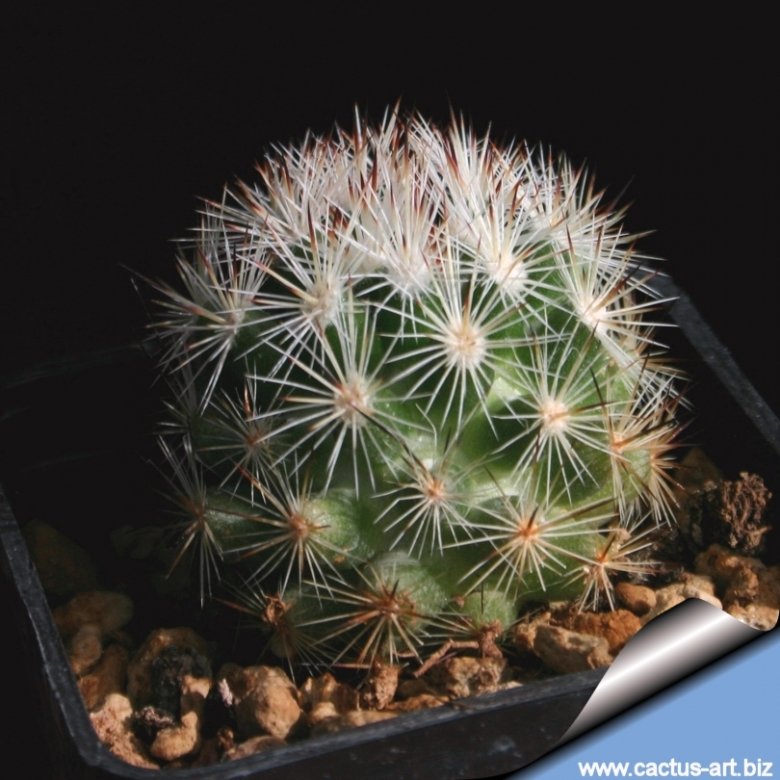
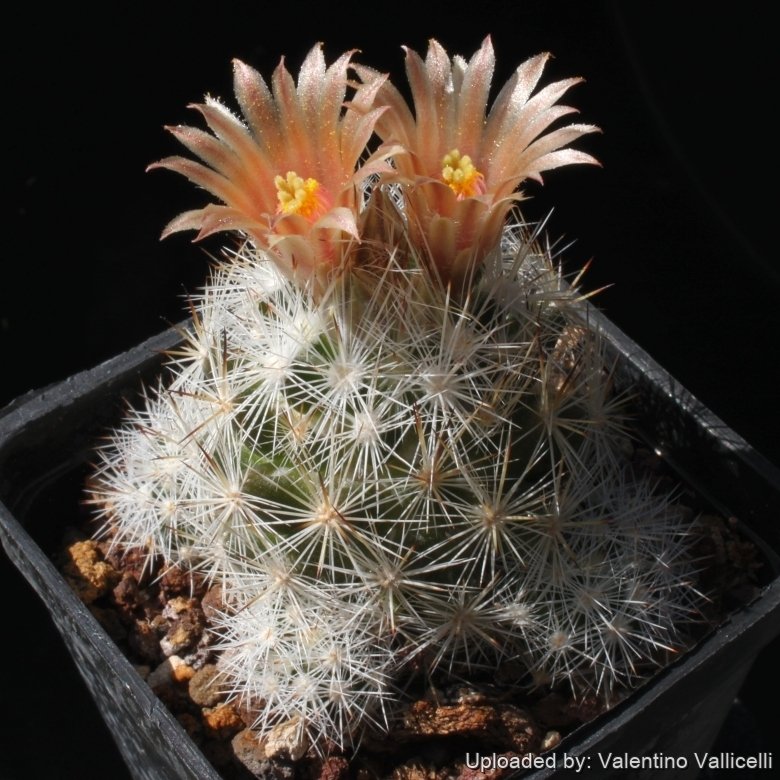
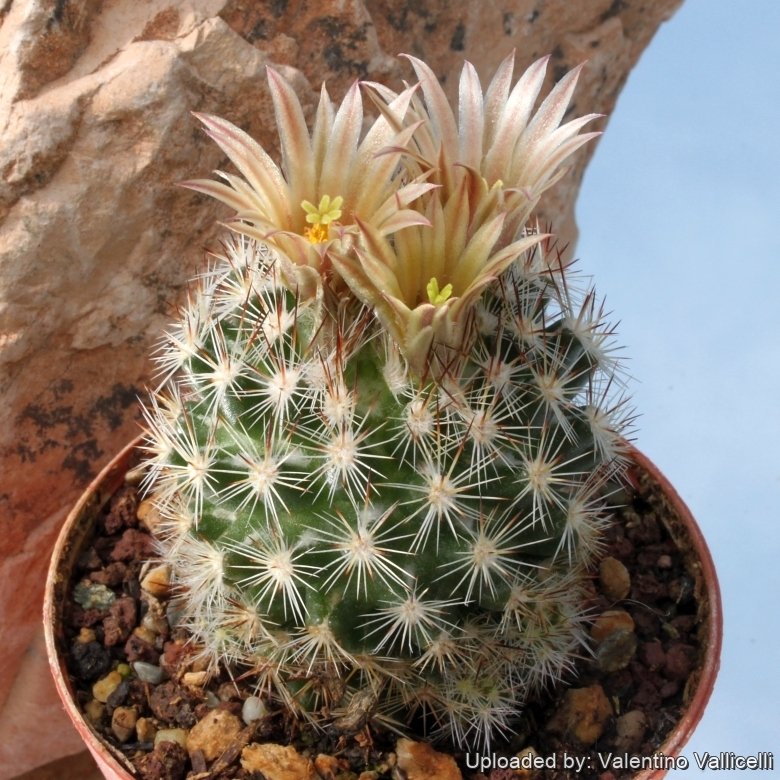
Escobaria emskoetteriana a globose to short-cylindrical cactus, forming clusters 5-10 cm high. It is very variable.
Stems: Globose to short cylindrical, 5-12 cm tall, 2-2.5(-4) cm in diameter and often branching.
Tubercles: 6-10 mm long, conical, often not persistent and their axils naked.
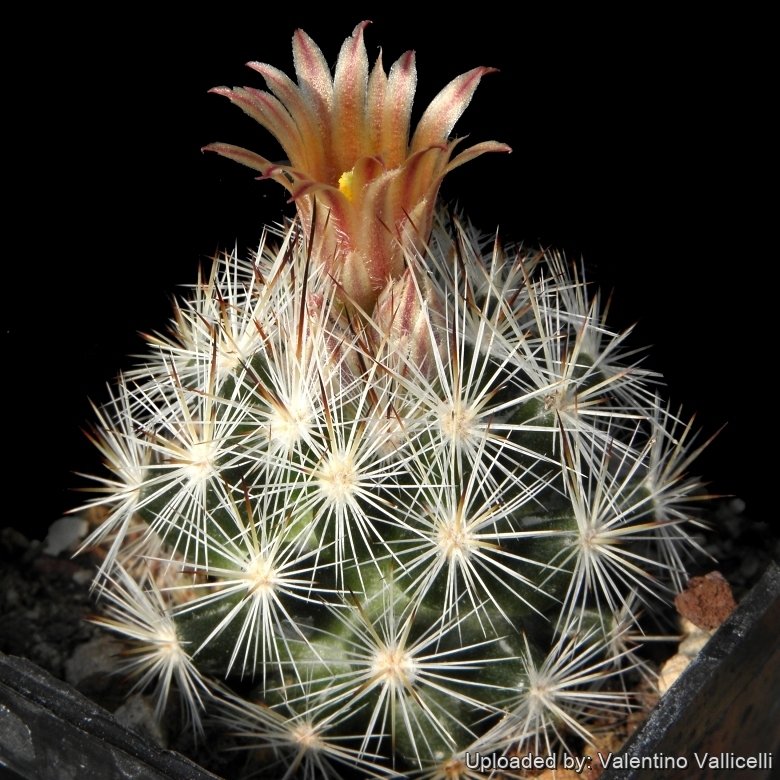
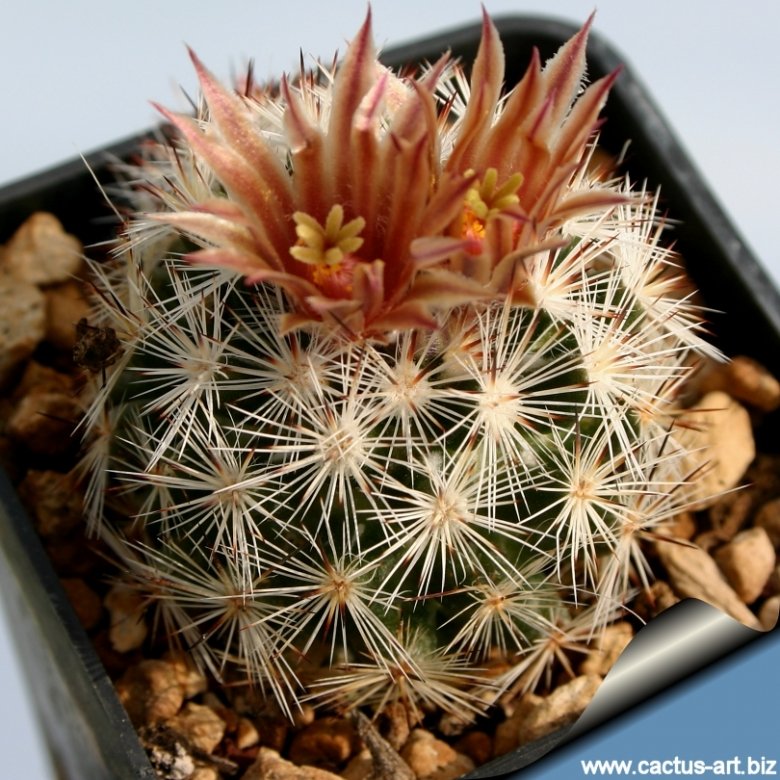
Radial spines: (15-)20 to 25(-30), white, straight, spreading irregularly, to 10 mm.
Central spines: (5-)6 to 8, often appearing as radials, setaceous, white to yellow with dark tips, straight, to 12 mm.
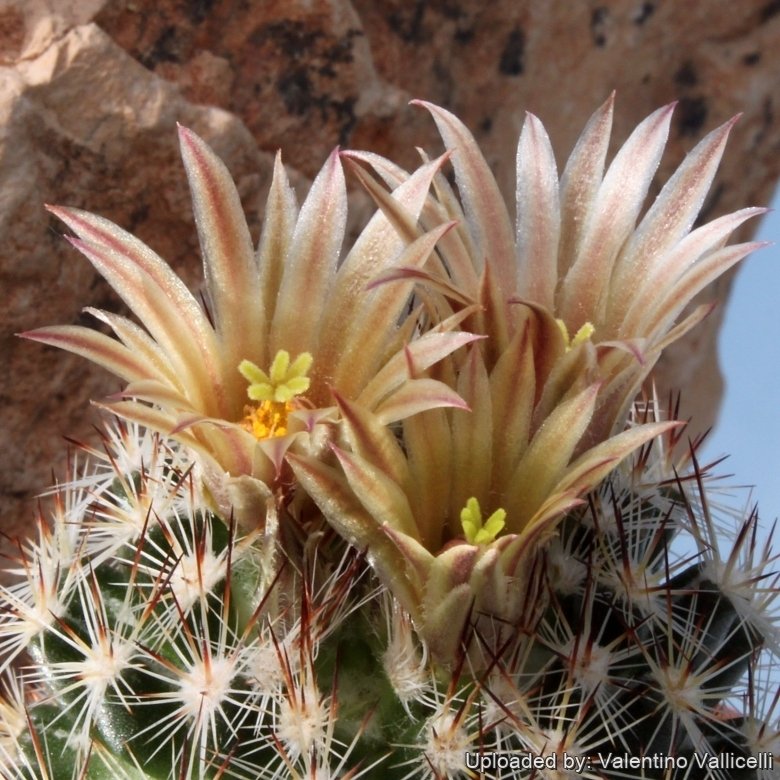
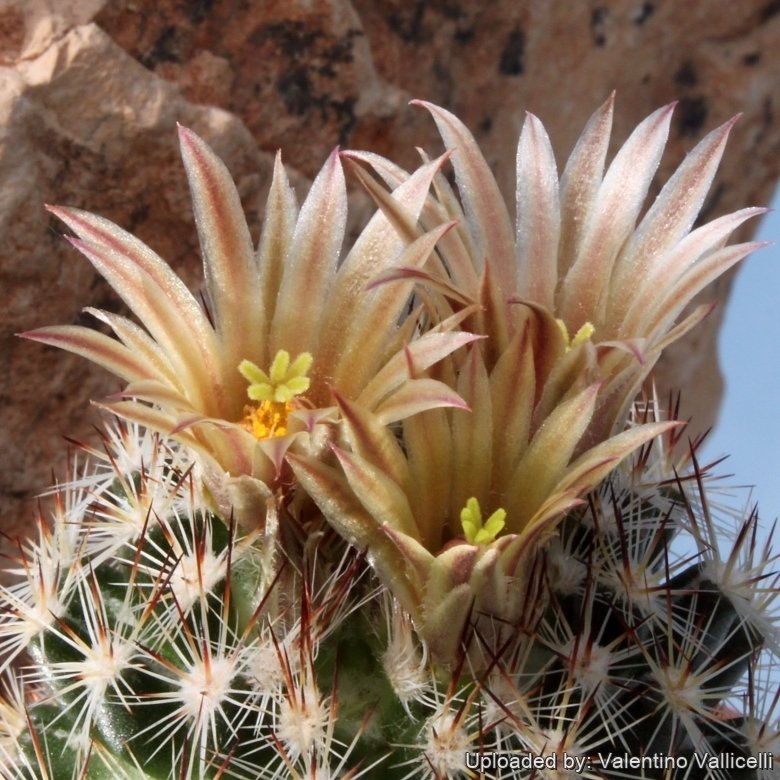
Flowers: Dirty white, greenish yellow, lavender, pale purple or brownish yellow, l, 2-2.5(-3) cm long and in diameter, the perianth-segments with darker or brownish mid-stripes; stigma-lobes greenish, sometimes tipped with brown.
Blooming season: Summer.
Fruits: Spherical to ellipsoidal, red, 6-9 mm in diameter, red or purplish. rarely remaining green.
Seeds: Brown.
Origin and Habitat
Escobaria emskoetteriana is distributed in Mexico, in the states of Coahuila, Nuevo Leon, and Tamaulipas, and it also occurs in Texas (plain of the Rio Grande), United States. The species is common throughout its range.
Altitude range: It grows at elevations of 332 to 420 metres above sea level.
Habitat and Ecology: The species occurs in thornscrub. It has been reported from limestone of hillsides in desert or grassland. E. emskoetteriana is wide-ranging, abundant, and there are no major threats.
Bibliography
Major references and further lectures
-
Edward Anderson “The Cactus family” Timber Press, Incorporated, 2001
-
James Cullen, Sabina G. Knees, H. Suzanne Cubey “The European Garden Flora Flowering Plants: A Manual for the Identification of Plants Cultivated in Europe, Both Out-of-Doors and Under Glass” Cambridge University Press, 11/Aug/2011
-
David R Hunt; Nigel P Taylor; Graham Charles; International Cactaceae Systematics Group. “The New Cactus Lexicon” dh books, 2006
-
N. L. Britton, J. N. Rose “The Cactaceae. Descriptions and Illustrations of Plants of the Cactus Family.” Volume 4, The Carnegie Institution of Washington, Washington 1923
-
Del Weniger “Cacti of Texas and neighboring states: a field guide” University of Texas Press, 1984 - as Mammillaria roberti
-
Lyman David Benson “The Cacti of the United States and Canada” Stanford University Press, 1982
-
Kakteen und andere Sukkulenten 34: 155, 156 (1983)
-
Heil, K., Terry, M. & Corral-Diaz, R. 2013. Escobaria emskoetteriana. The IUCN Red List of Threatened Species 2013: e.T152135A601168. http://dx.doi.org/10.2305/IUCN.UK.2013-1.RLTS.T152135A601168.en. Downloaded on 22 August 2017.
-
Martinez-Avalos, J.G. and Jurado, E. 2005. “Geographic distribution and conservation of Cactaceae from Tamaulipas Mexico.” Biodiversity and Conservation 14: 2483-2506.
From llifle page Coryphantha piercei
Description
Small caespitose cactus thickly covered with small, weak, spines that form low clumps.
Stem: The individual stems are globose to short-cylindric, about 5 cm hight.
Tubercles: Conic, axil naked.
Roots: Fibrous.
Radial spines: 20-25 whitish-gray to pale orange-brownish
Central spines: 6-8, setaceous, white with brown or black tips.
Flowers: Brownish-yellow, pink or flesh coloured, 3cm long.
Fruits: Small elongate, red.
Blooming season: Early April-May.
Remarks: The Escobaria emskoetteriana complex (E. emskoetteriana, E. muehlbaueriana, E. runyonii) comprises many different forms.
Origin and Habitat
USA (western Texas), Mexico (Coahuila, Tamaulipas)
Cultivation and Propagation
It comes from an area of summer rainfall; keep drier in winter (but for outdoors cultivation it is very resistant to wet conditions, too). Very cold resistant. It can easily be grown outdoors in areas with minimum winter temperatures of - 5° (or less). Needs full sun to light shade.
Propagation: Seeds (no dormancy requirement, they germinate best at 25°C) or usually by offsets (readily available), or occasionally grafted.
Source: Coryphantha piercei, LLIFLE - Encyclopedia of living forms, CC-BY-SA, retrieved 2026-10-25.
Gallery