Publication: Cact. Succ. J. Gr. Brit. 40(2): 30 (1978)
Description
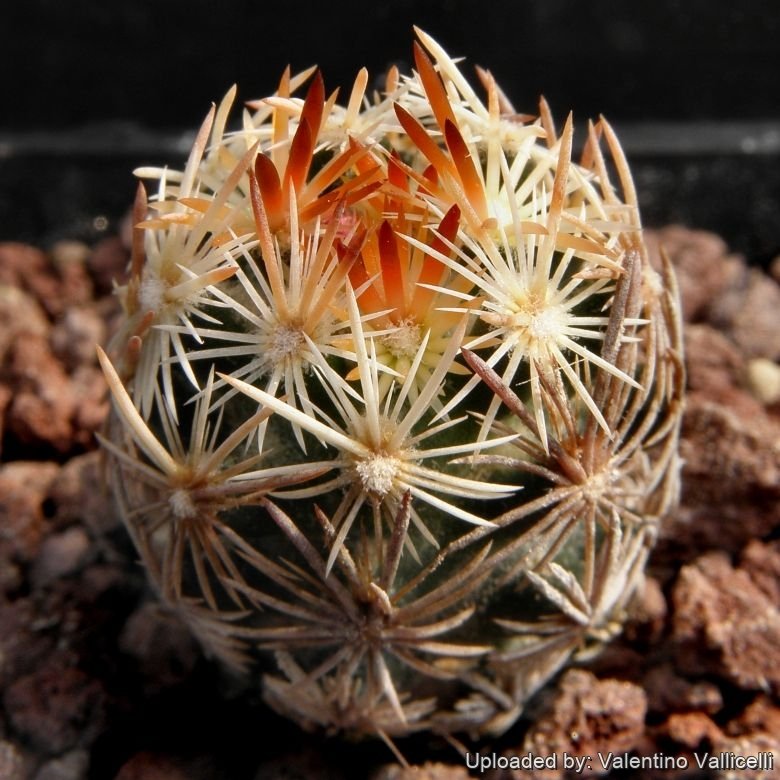
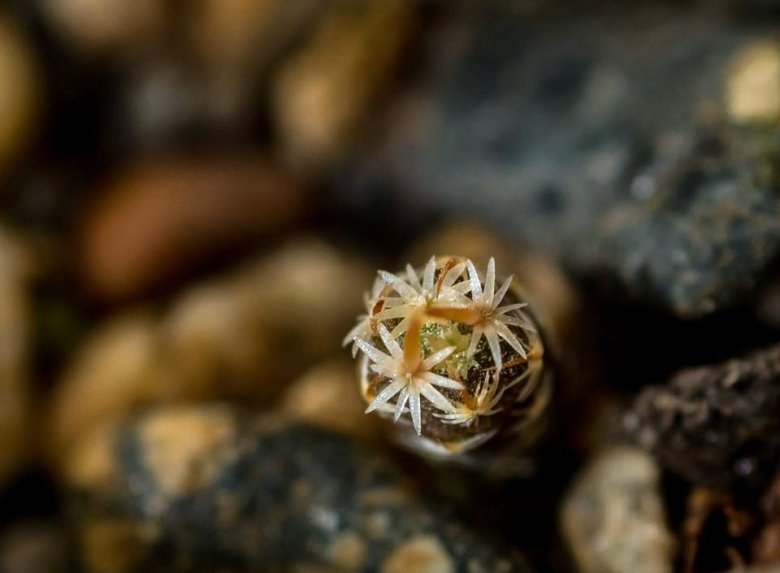
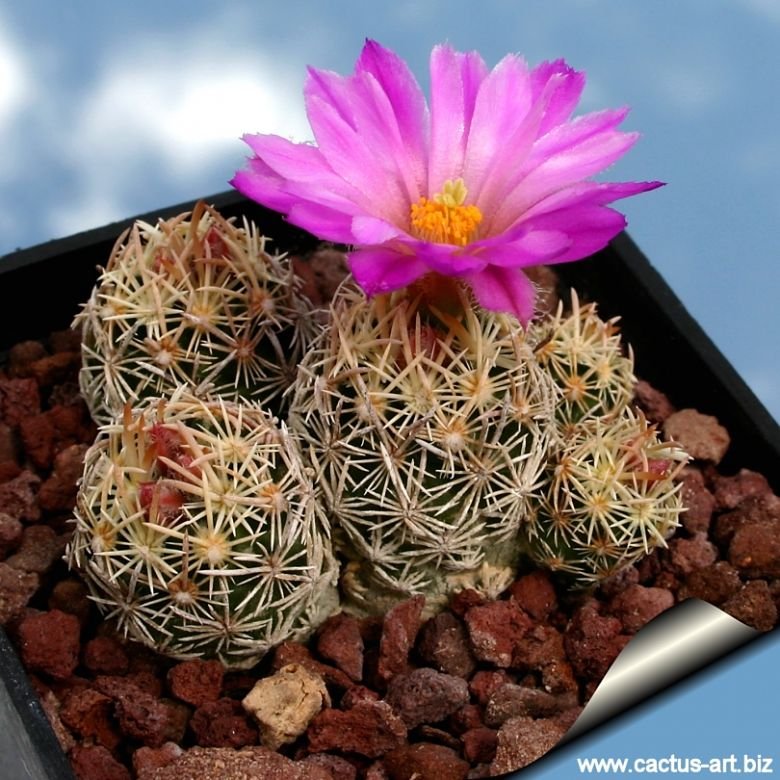
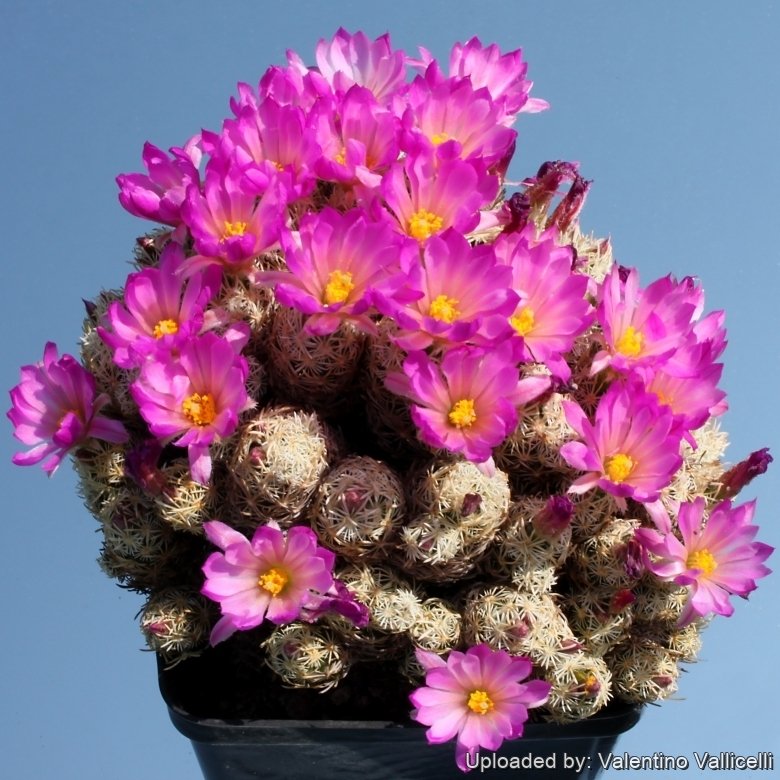
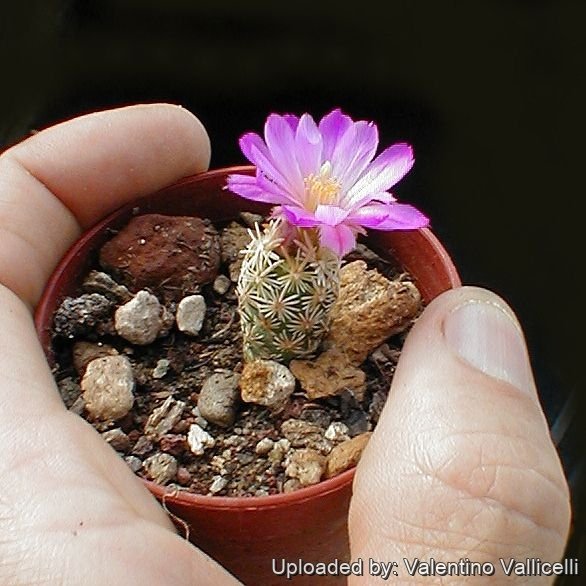
It is a tiny cactus with rounded, single stems up to 2,5cm tall and 6-17 mm wide, occasionally with a short tap root; tubercles 2 to 4 mm wide. A cultivated plant can be slightly larger, and clumped .
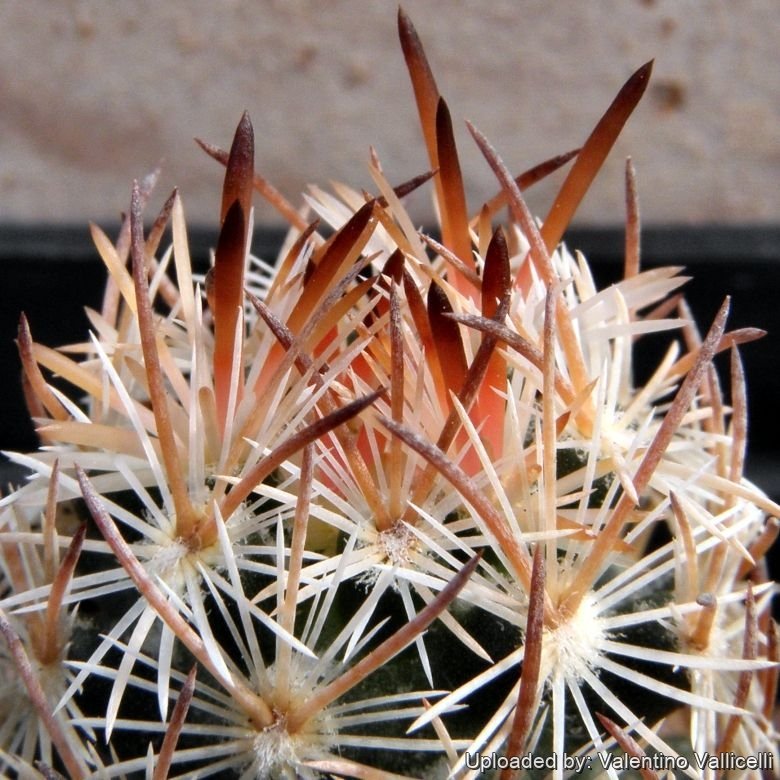
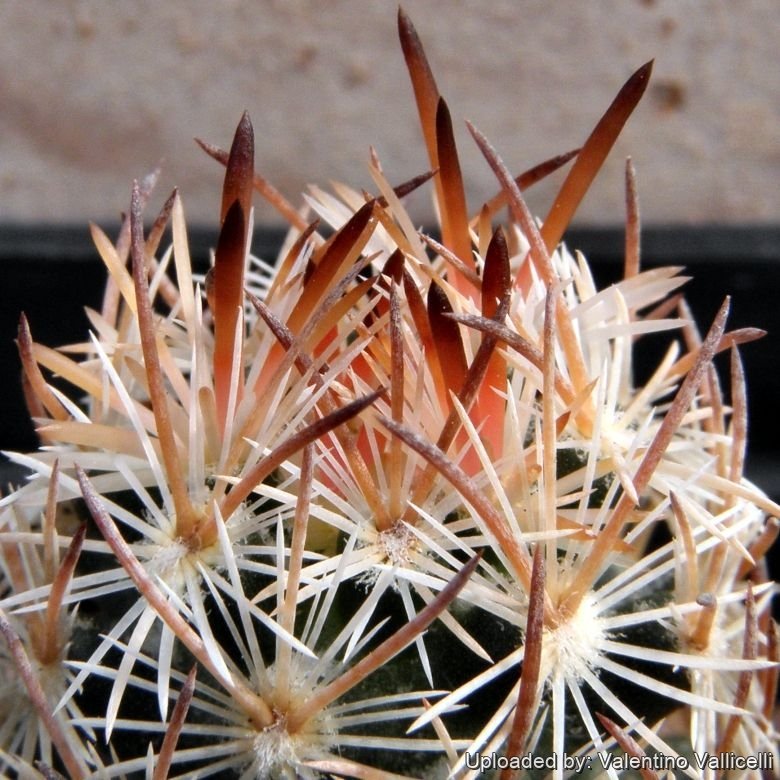
Spines: The plant is crowded with thick, corky, white spines (1 to 4 centrals, 4 to 6 mm long; 13 to 23 radials, 3.5 to 5 mm long)
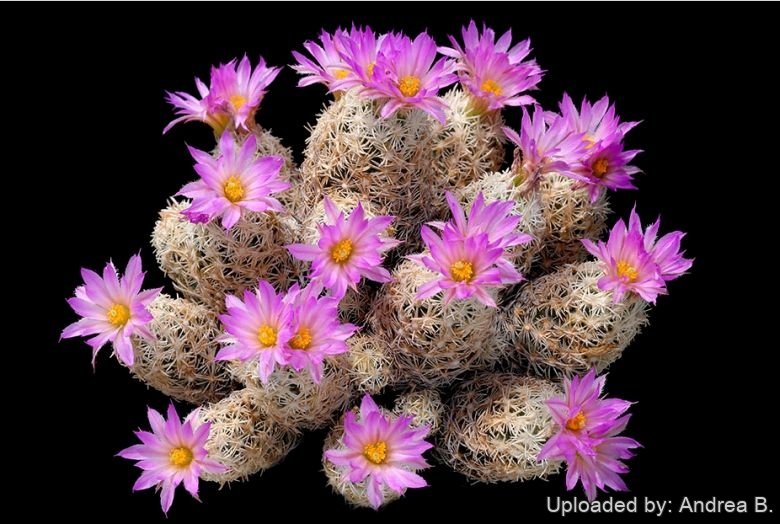
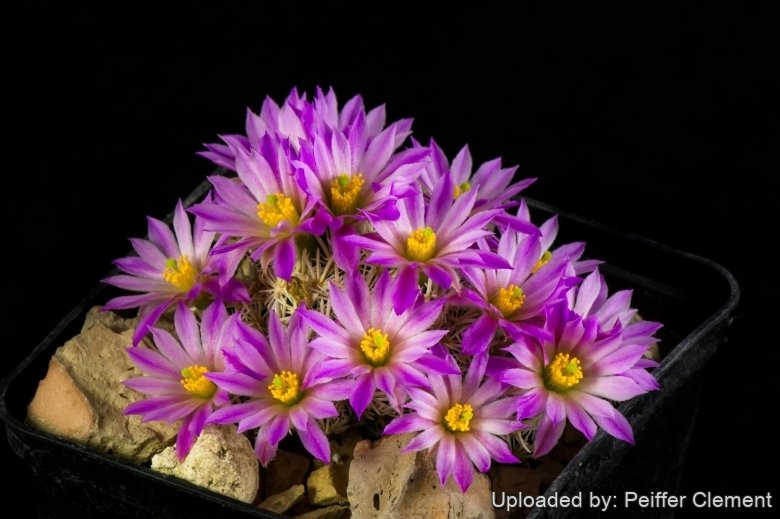
Flowers: Numerous, pink, up to 2.5 cm in diameter, 1.5 cm long. The flowers are easy to pollinate, and produce around thirty seeds per fruit.
Blooming season: It blooms in several flushes, primarily in May, but the blooming period lasts from March until June.
Fruit: It produces ovoid, green fruit (1.5-5 cm long) that ripens from June to October.
Remarks: Escobaria minima and Escobaria hesteri (From an adjacent hill) are two miniature plant which resemble dwarf races of Escobaria vivipara, to wich they shares some characteristic, but much smaller in all parts. They can survive to –25°C in dry-winter regions.
Origin and Habitat
Chihuahuan desert in the USA, they are found from only three populations, all in a tiny area of Brewster County, Texas.
Habitat: Grows in desert grassland, usually among the chips of weathered and physically fractured Caballos Novaculite rock (a quartz-like material). This species is now known only from three small sites
Cultivation and Propagation
Very slow-growing, but easy to cultivate. Water regularly in summer, but do not over-water. It prefers a completely dry place during winter with much drainage. An unheated greenhoouse would be perfect. It can survive low temperatures (appr. -12 C). Full sun to light shade
Propagation: Easy to propagate from seed, cuttings and grafting.
Bibliography
Major references and further lectures
-
Flora of North America Editorial Committee. “Flora of North America, volume 4” Oxford University Press, New York. 2003.
-
Zimmerman, A.D. “Systematics of the genus Coryphantha (Cactaceae).” Dissertation, University of Texas, Austin. 1985
3)Castetter, E.F., P. Pierce and K.H. Schwerin. “A reassessment of the genus Escobaria” in: Cactus and Succulent Journal (U.S.) 47:60-70. 1975
-
Edward Anderson “The Cactus family” Timber Press, Incorporated, 2001
-
James Cullen, Sabina G. Knees, H. Suzanne Cubey “The European Garden Flora Flowering Plants: A Manual for the Identification of Plants Cultivated in Europe, Both Out-of-Doors and Under Glass” Cambridge University Press, 11/Aug/2011
-
David R Hunt; Nigel P Taylor; Graham Charles; International Cactaceae Systematics Group. “The New Cactus Lexicon” dh books, 2006
Gallery