Description
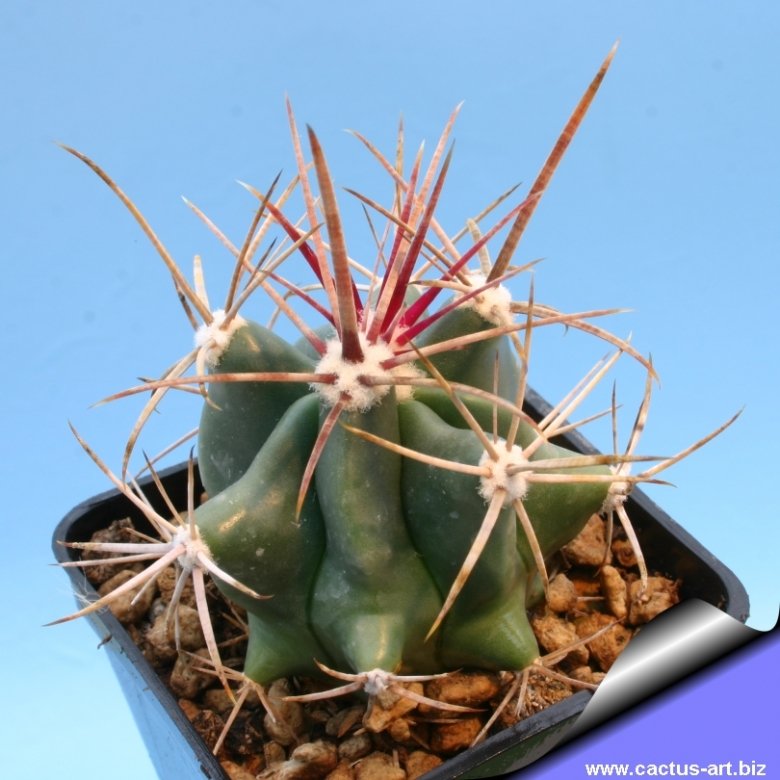
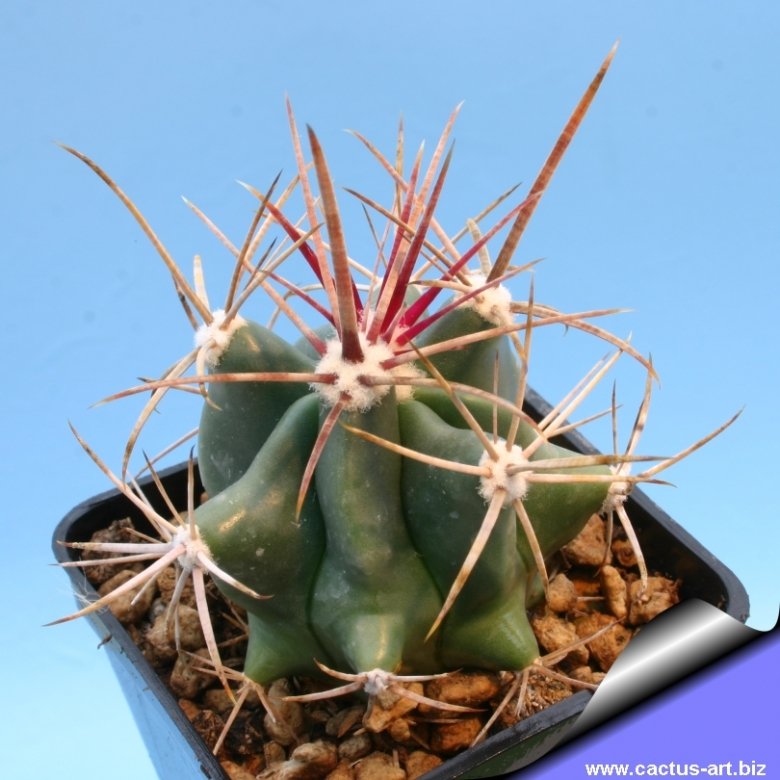
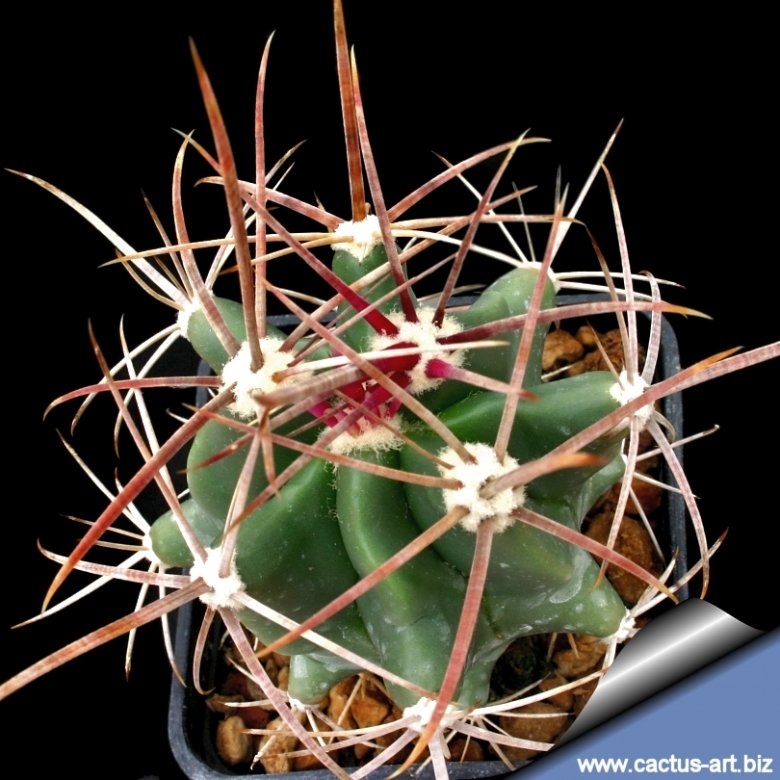
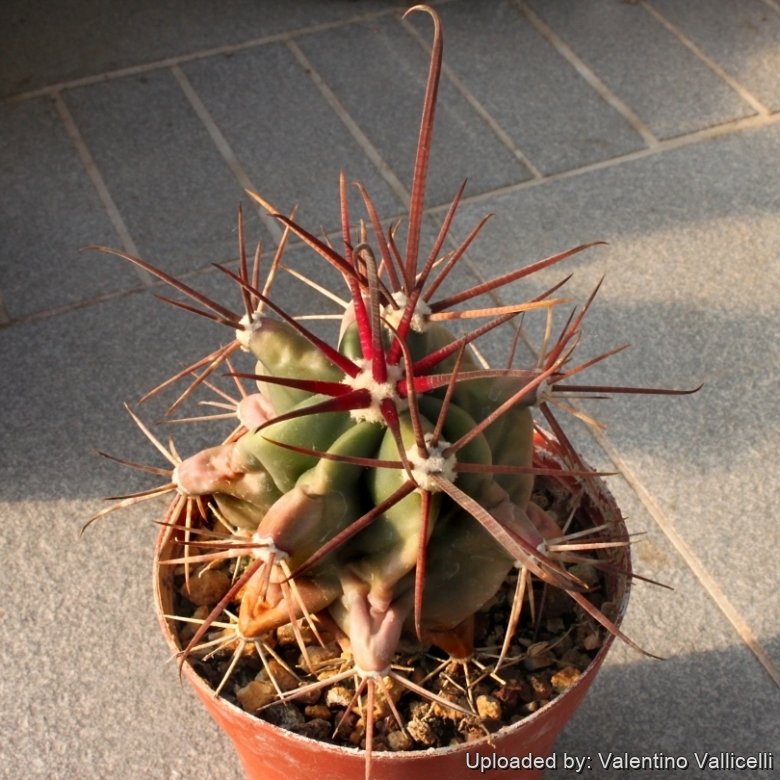
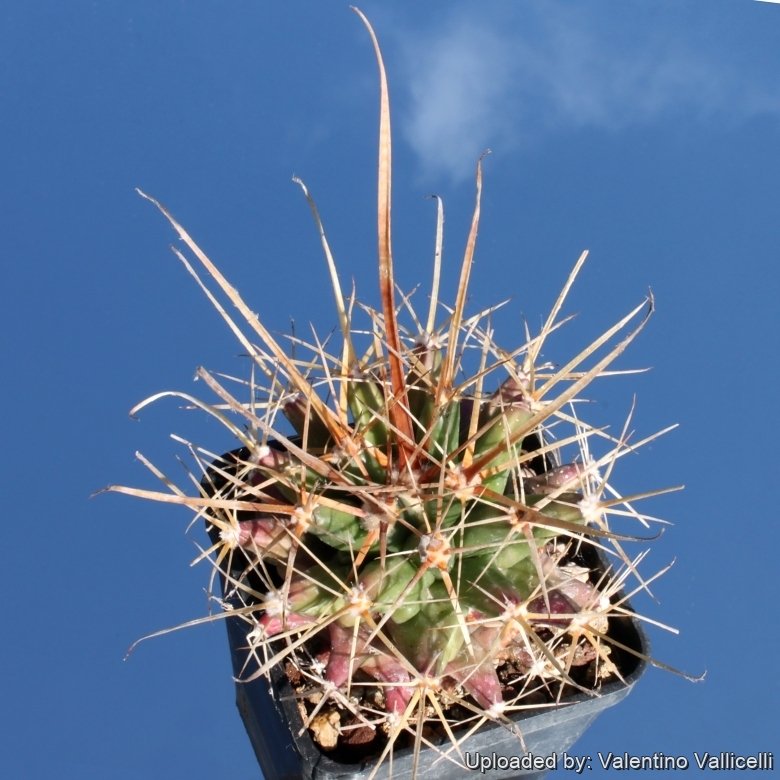
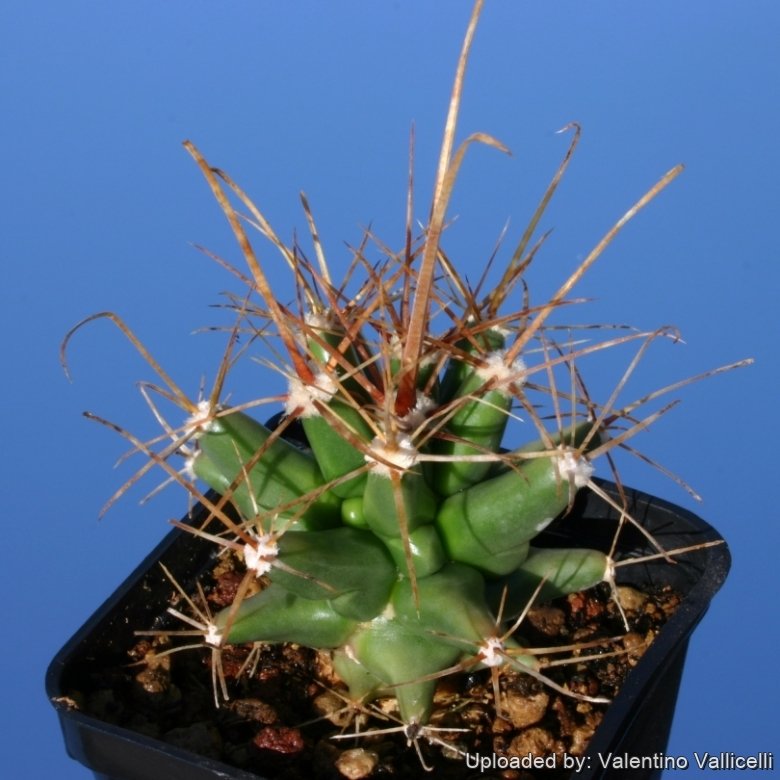
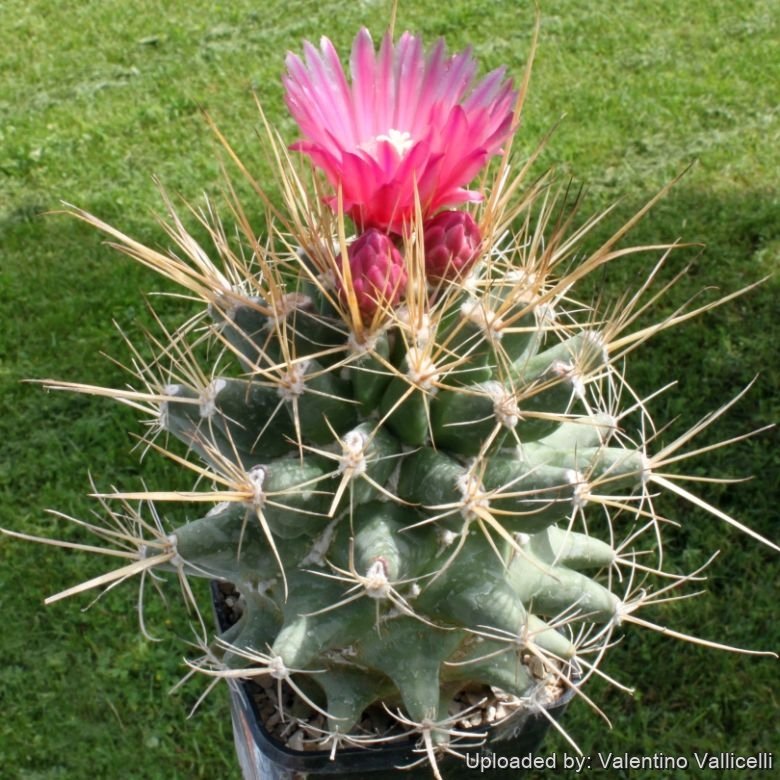
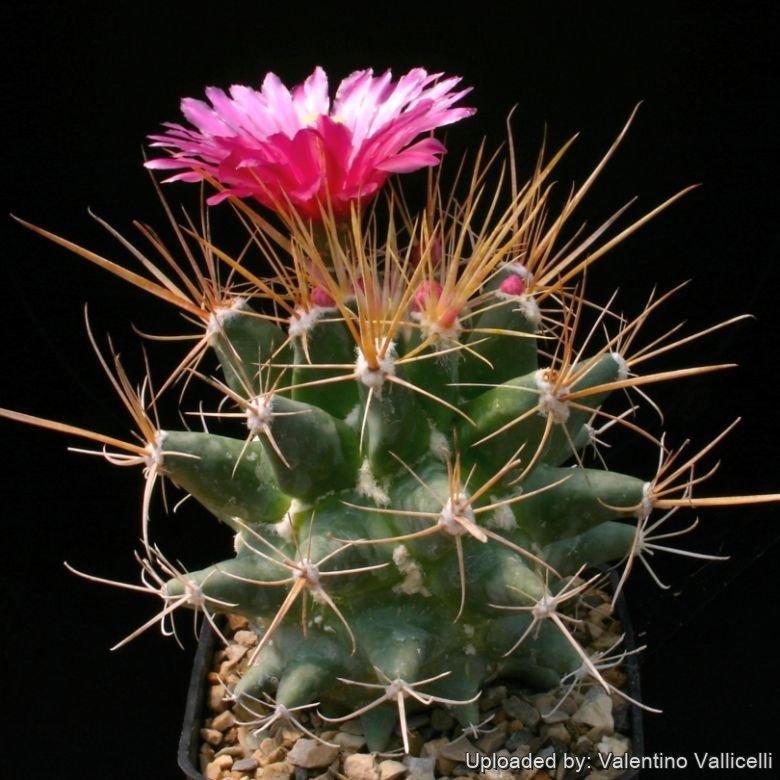
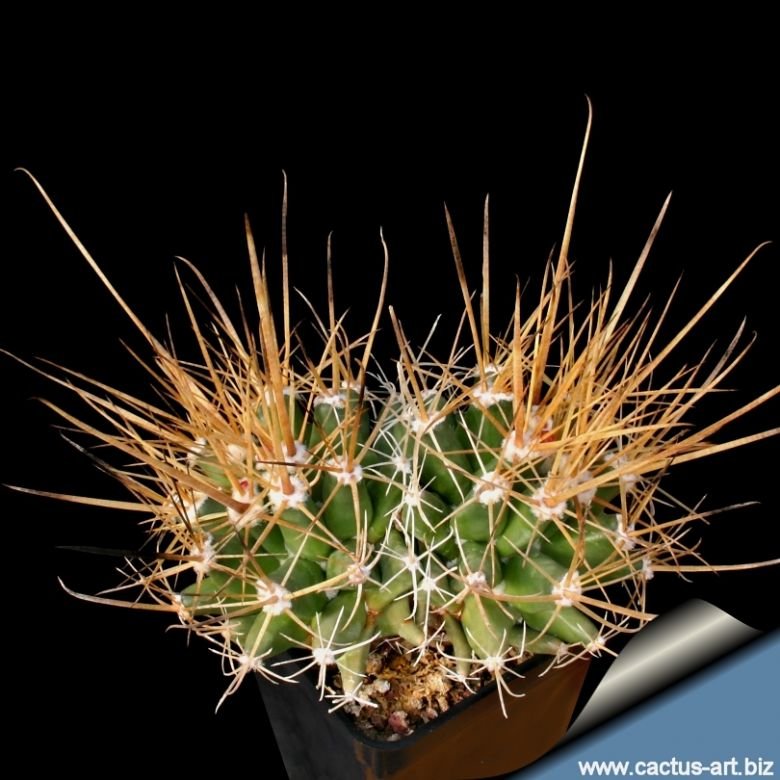
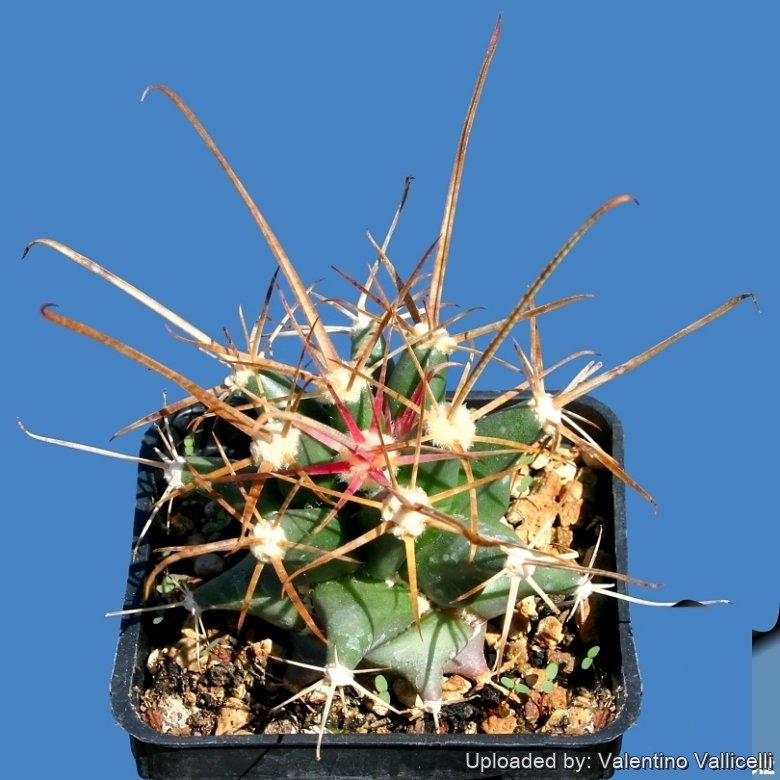
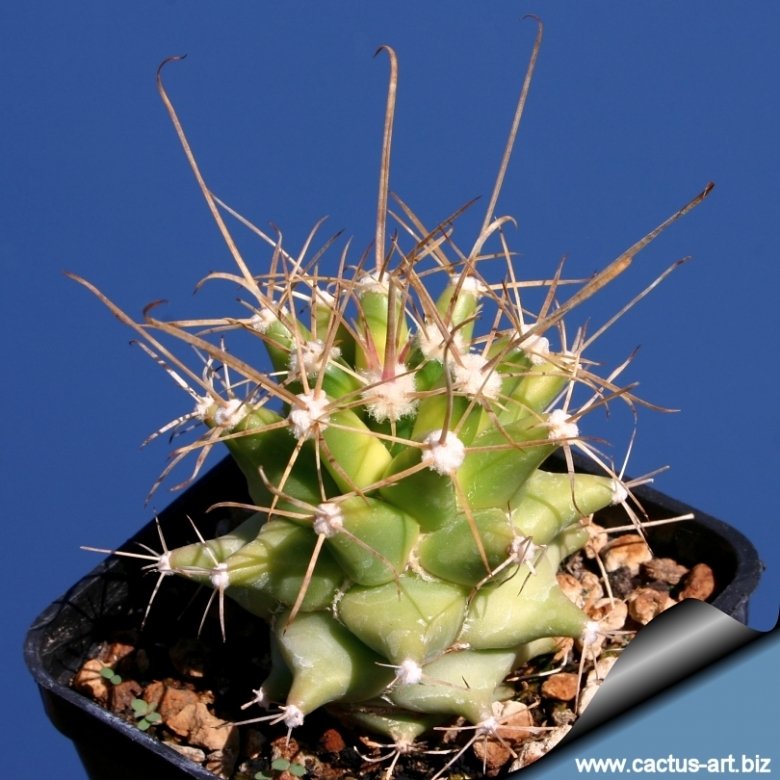
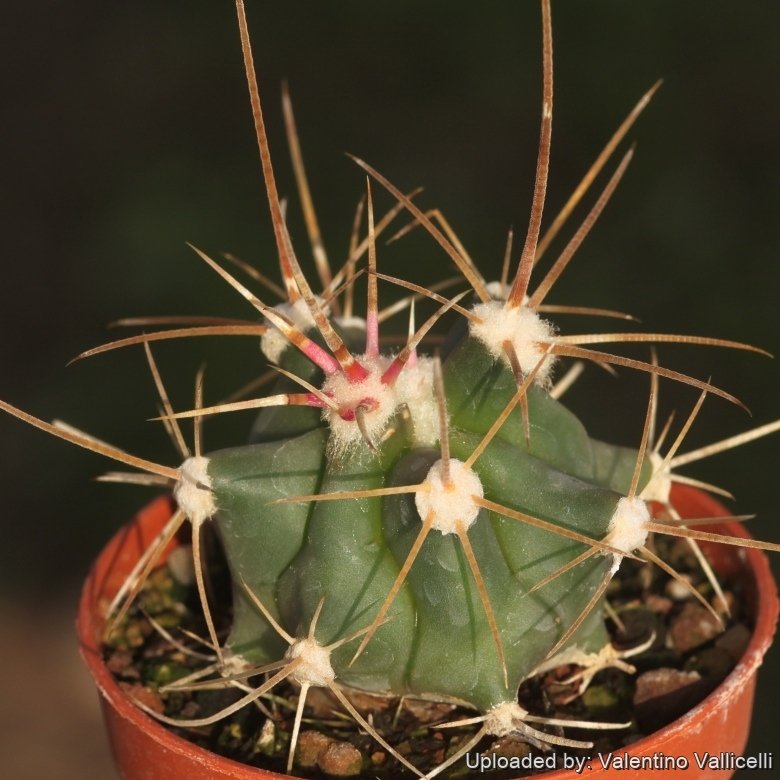
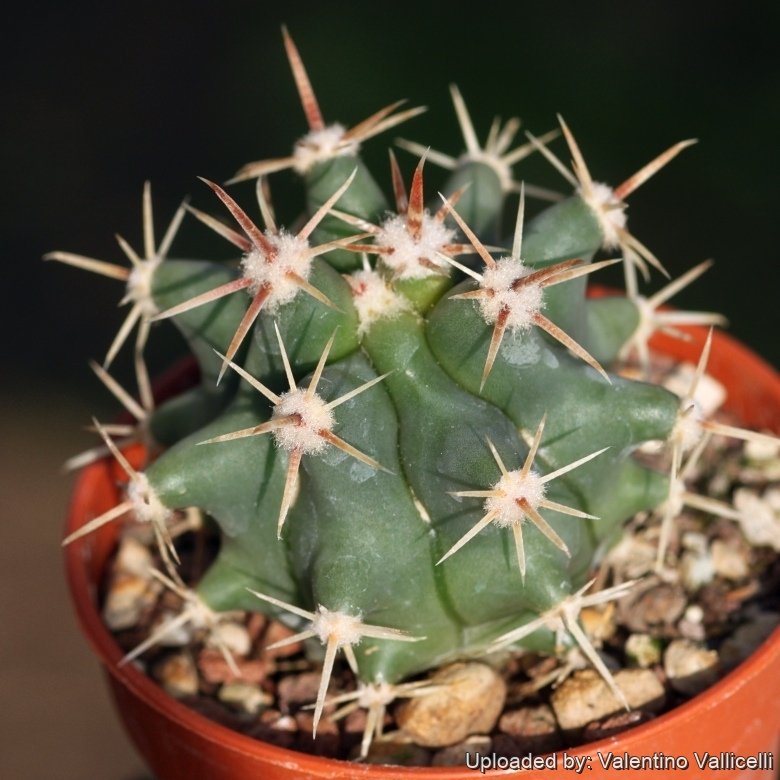
x Ferobergia is a horticultural intergeneric hybrid, made by crossing one of the various species of Ferocactus (as a female) and Leuchtenbergia principis (as a male). These hybrids are very variable, due to the intersection of characters deriving from the parents. The length of the tubercles and spines are the more variable of the trait and a great variety of forms can be found in cultivation.
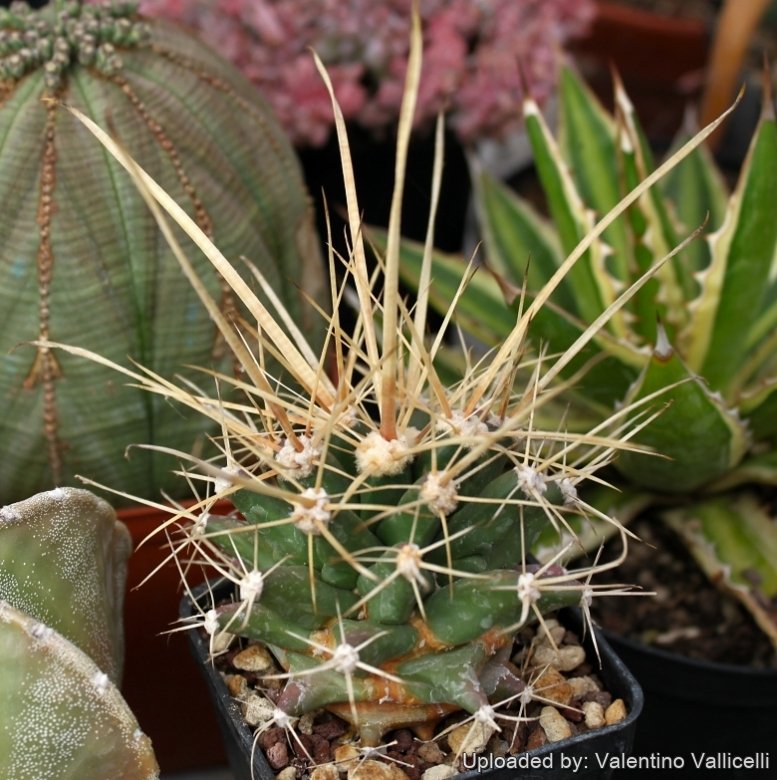
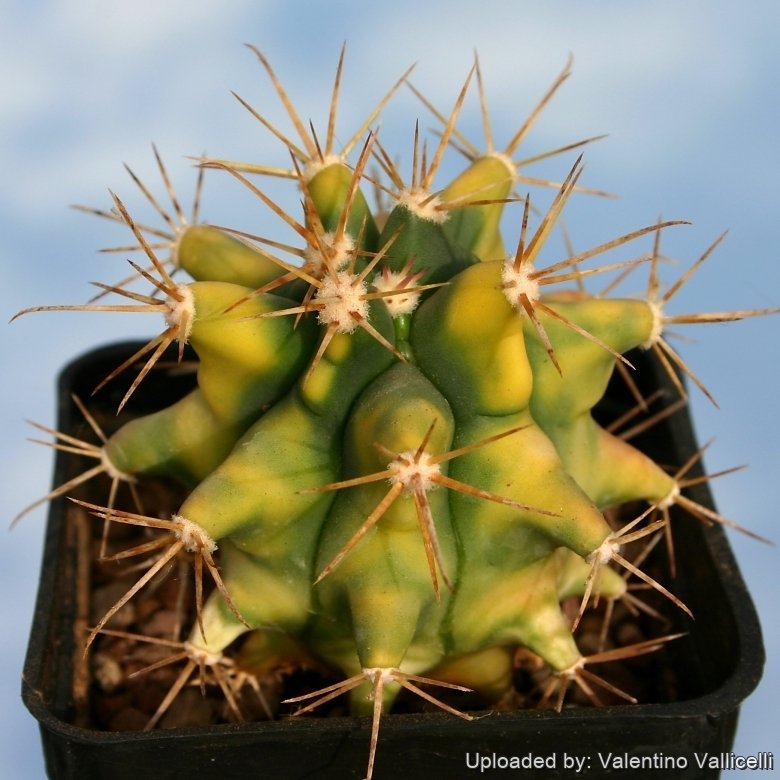
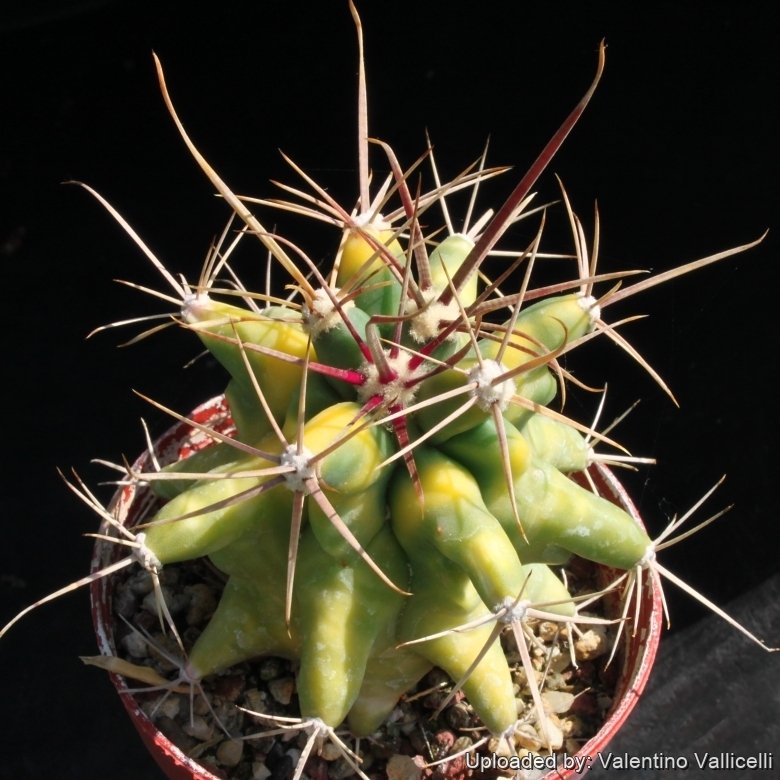
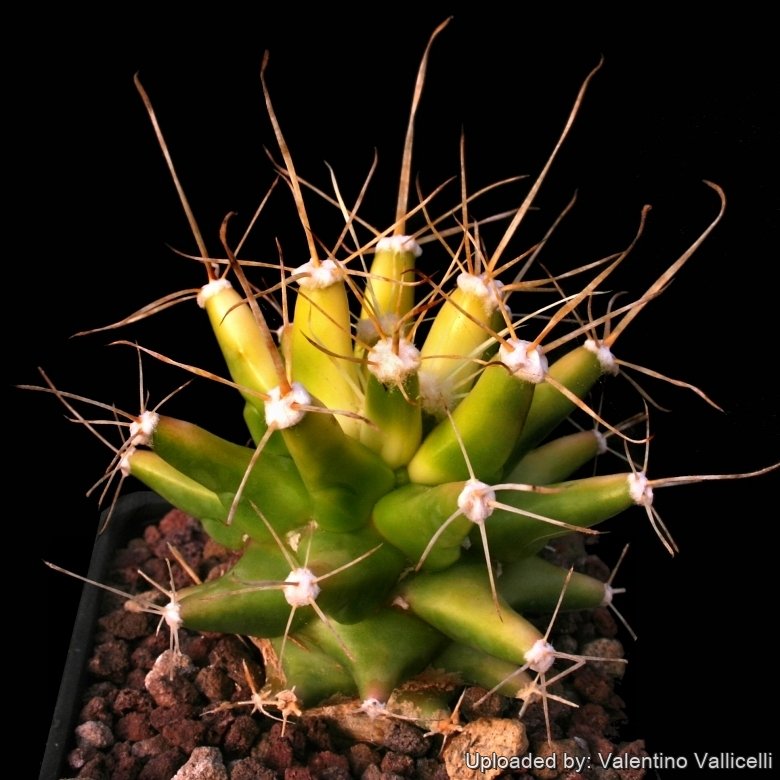
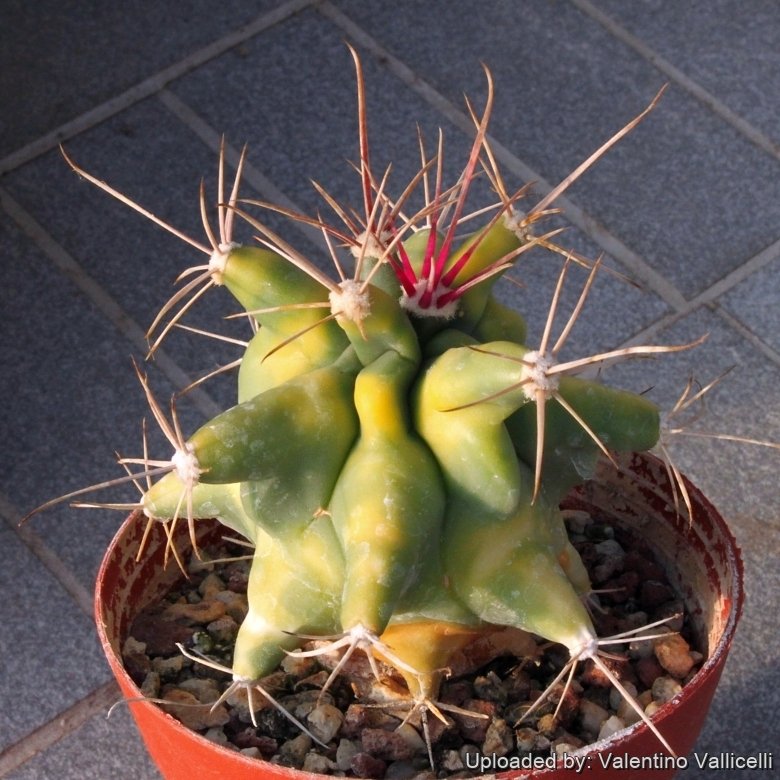
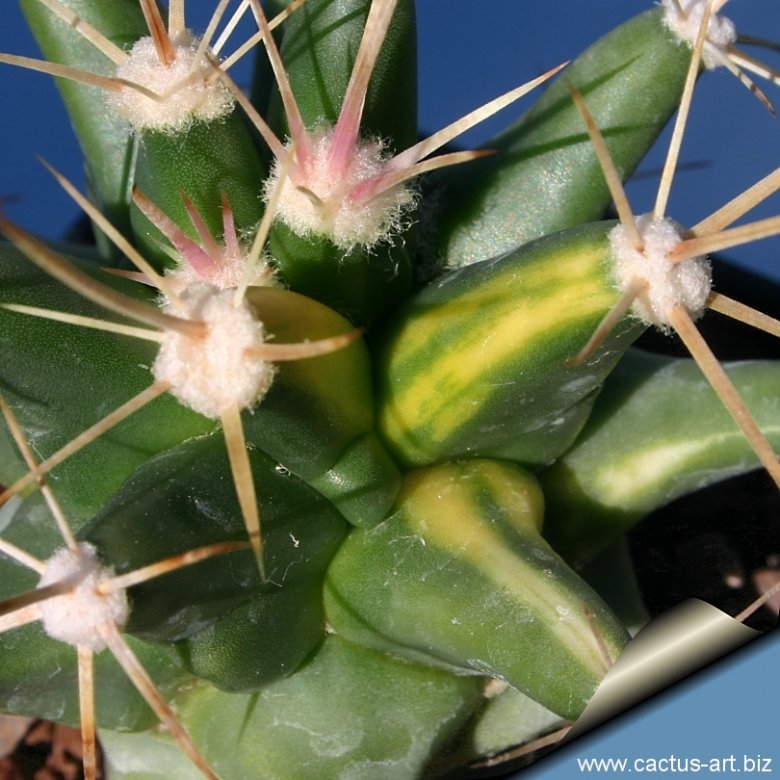
Sometime a seedling loses some chlorophyll on the way, and the plants became variegated (see: variegated Ferobergia).
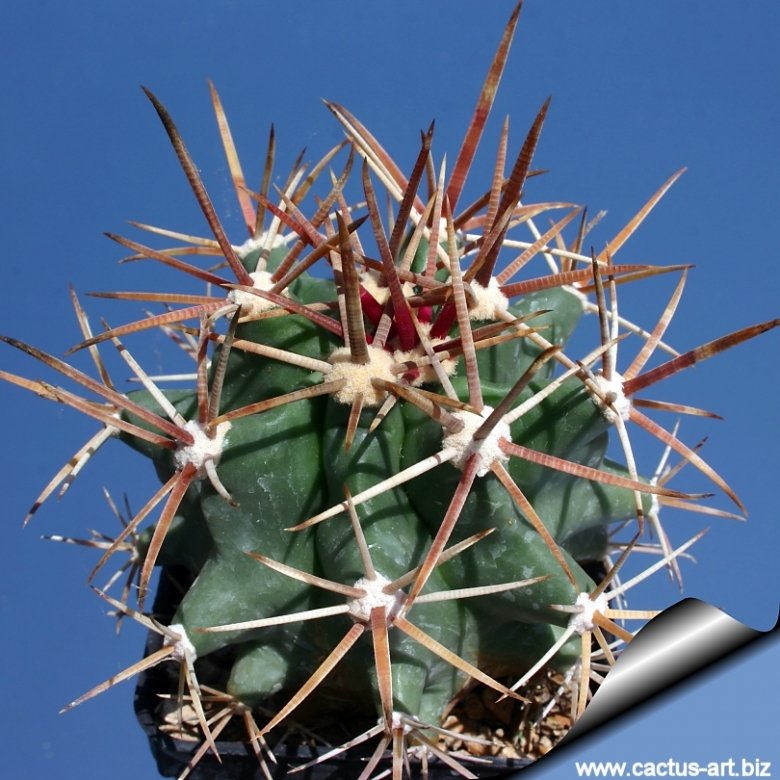
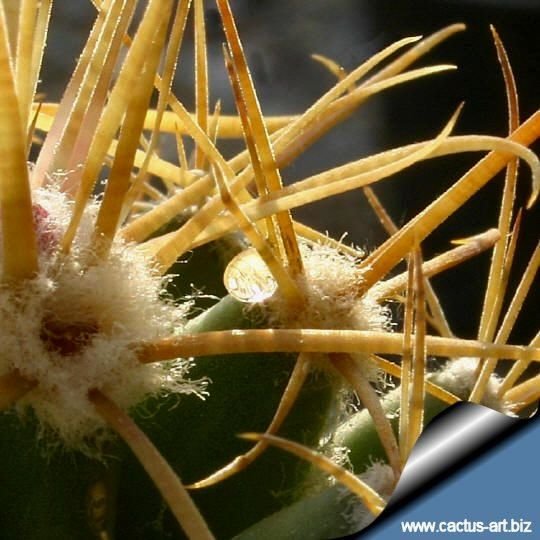
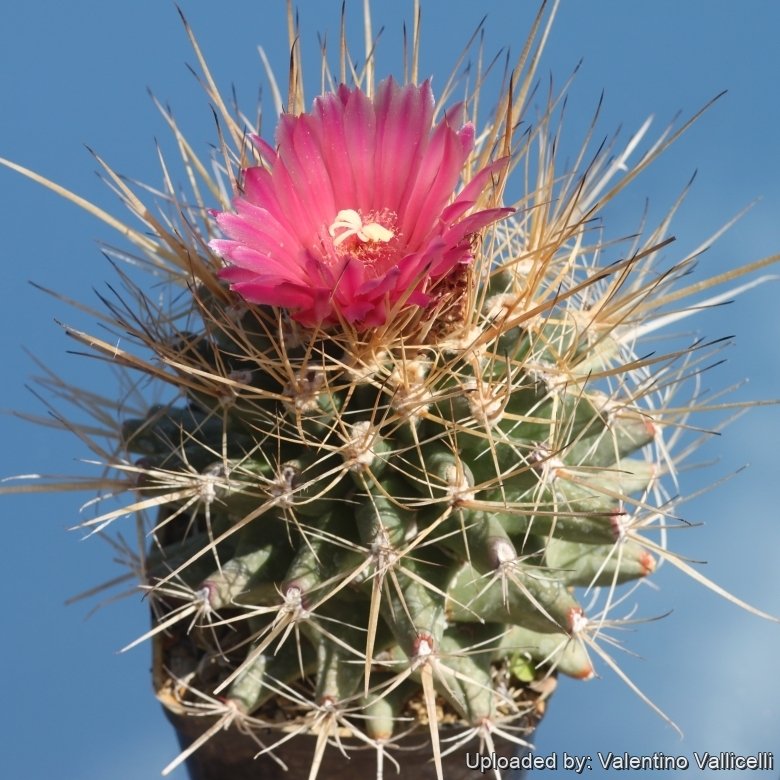
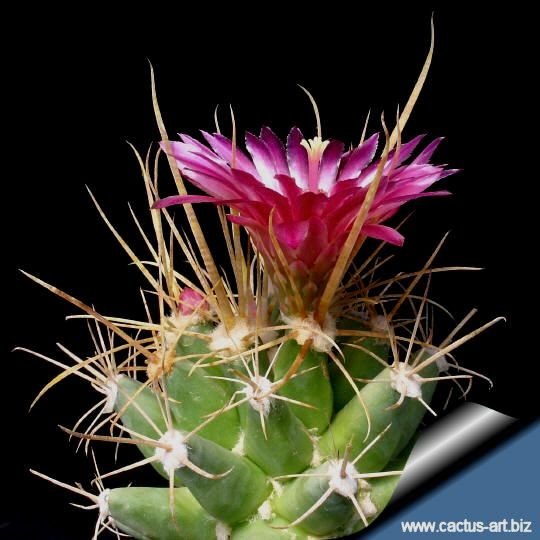
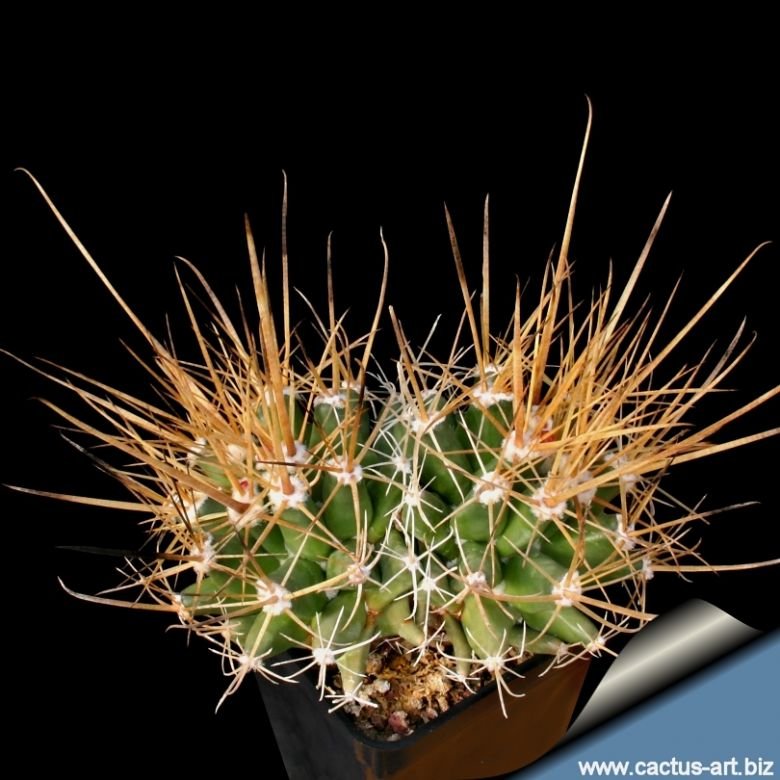
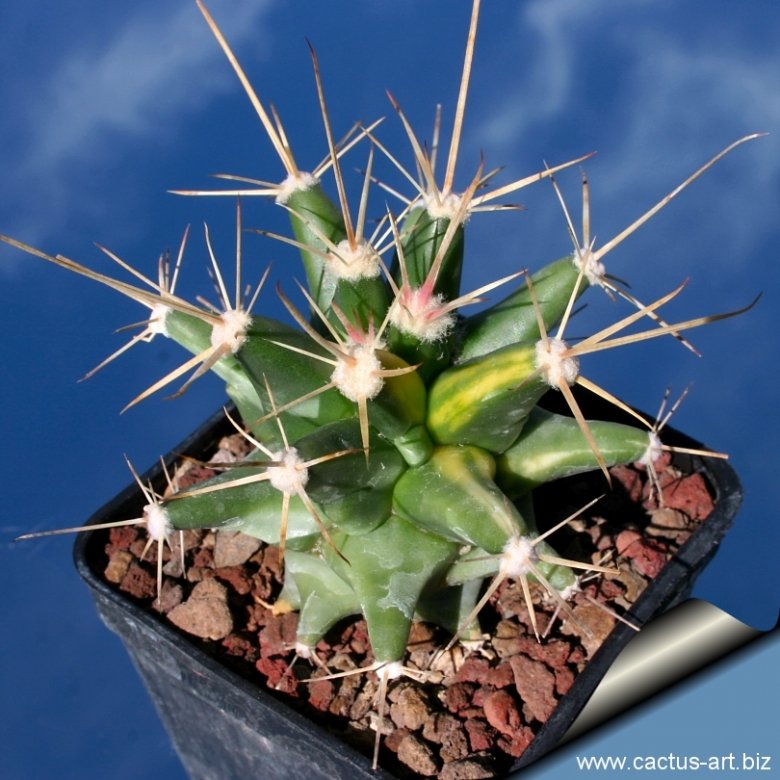
Tubercles: Generally they have more or less long, three-sided tubercles, often with a basal “chin”, rather than arranged along ribs. The areoles are at the tips of tubercles. Some Ferobergia produce drops of nectar from areolar glands like Ferocactus.
Spines: Very variable, some plants have long, harmless, and papery spines (similar to those of Leuchtenbergia), while other others have short and stout, eventually hooked spines (more similar to those of Ferocacti).
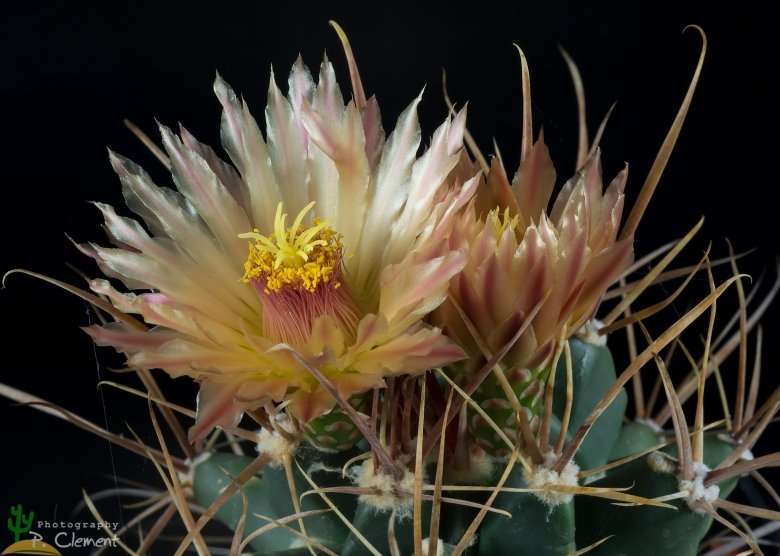
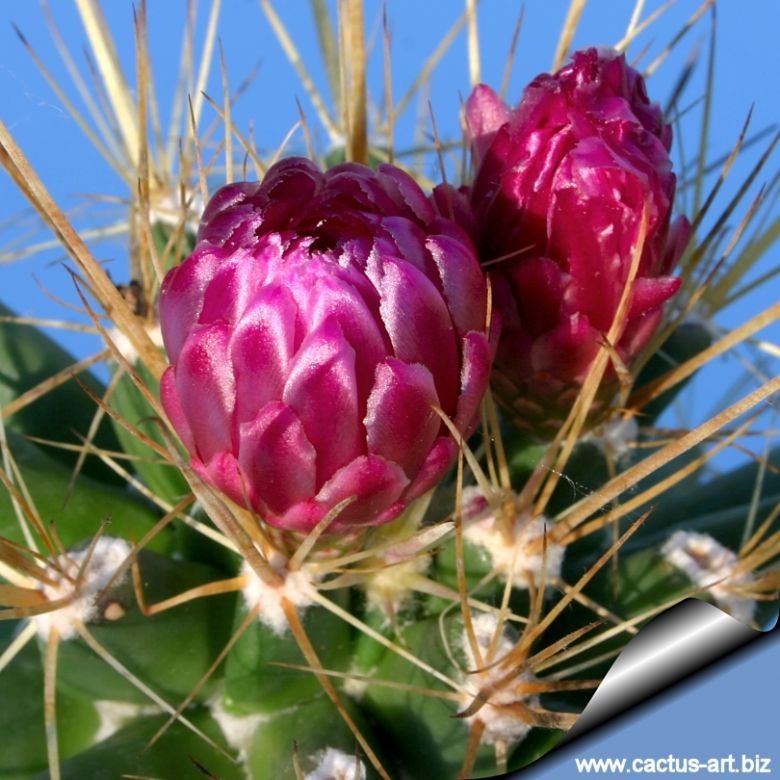
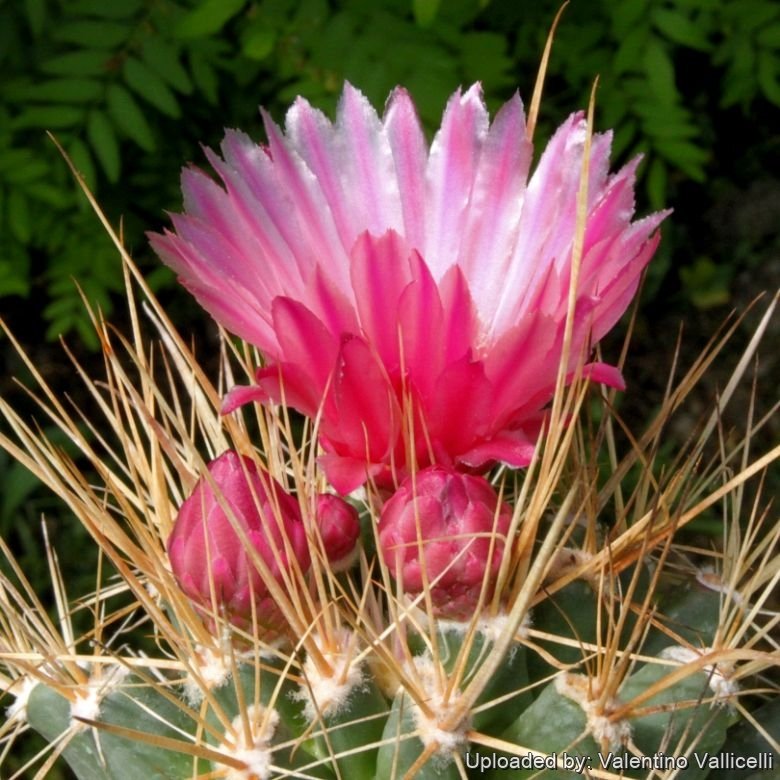
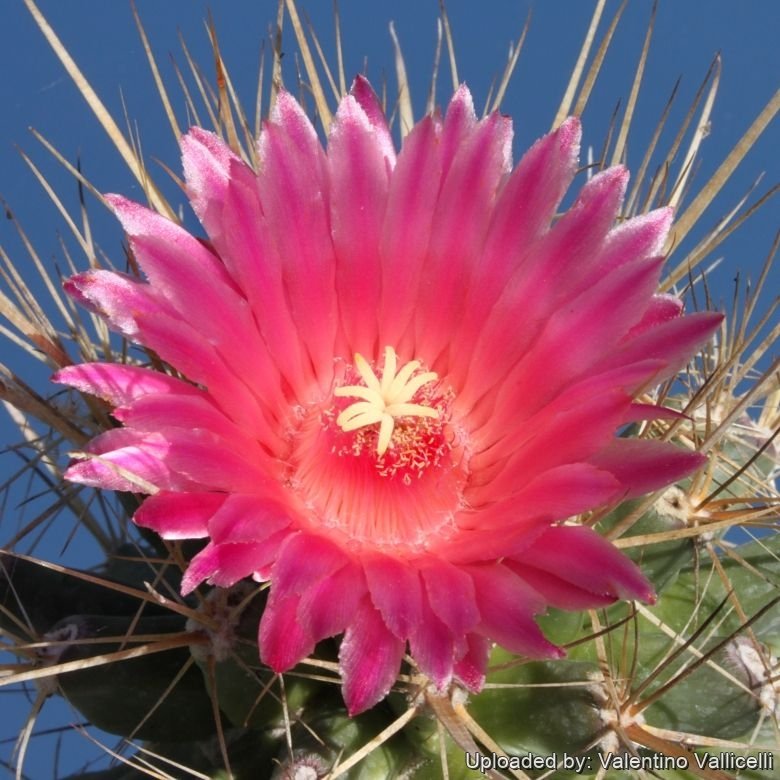
Flowers: Usually yellow, but also pink or magenta.
Blooming season: Blossoms intermittently from spring to fall.
Origin and Habitat
Garden origin (Nursery produced intergeneric hybrid)
Cultivation and Propagation
Ferobergias grow easily from seed in cultivation. Despite being revered by many collectors, they are not too difficult to cultivate.
Soil: Use a very quick-draining mineral mix.
Water: Water just enough, if possible from below. Water carefully. Lack of water will make the tip of the tubercles yellow. Too much water will make it rot.
Repotting: Container grown plants should be re-potted every other year for good growth when new growth starts in the spring. The Ferobergia has a strong tap root, and should have a deep pot to accommodate it. This can complicate things as a deeper pot dries out more slowly.
Hardiness: Keep dry at minimum temperature of 5° C in winter, although it will tolerate brief periods down to -5 degrees.
Exposure: It should be grown in full sun to light shade.
Propagation: Seeds or graft, occasional offsets and even cuttings of tubercles (but with little success).
From llifle page x Ferobergia principis-fordii cv. Violet
Description
X Ferobergia is a horticultural intergeneric hybrid, made by crossing of Ferocactus fordii as a female and Leuchtenbergia principis as a male. F2 hybrid means the plant of second generation is derived from cross-pollination among F1 hybrids. These have unpredictable characteristics and produce offsprings unlike themselves. It produces drops of nectar from areolar glands like Ferocactus.
Blooming season: May-September
Origin and Habitat
Hybrid.
Source: x Ferobergia principis-fordii cv. Violet, LLIFLE - Encyclopedia of living forms, CC-BY-SA, retrieved 2026-10-25.
From llifle page x Ferobergia sp. ( Ferocactus spp. x Leuchtenbergia ) f. variegata
Description
X Ferobergia is a horticultural intergeneric hybrid, made by crossing of a Ferocactus sp. as a female and Leuchtenbergia principis as a male. A limited number of variegated specimens appears with a variable frequency especially among F2 hybrid. (F2 hybrid means the plant of second generation derived from cross-pollination among F1 hybrids). These have unpredictable characteristics and produce offsprings unlike themselves. This plant often produces drops of nectar from areolar glands like Ferocactus. The variegated specimens have sectors, patches or stripes with two or more different colours, even distinct shades of green. Plants with variegated body are often highly prized.
Blooming season: May-August
Origin and Habitat
Garden origin.
Cultivation and Propagation
Prefers filtered light. Plant in a porous cactus soil with adequate drainage for best results. Water thoroughly during the growing season when soil is dry to the touch. Less or no water during cold winter months, to prevent root loss. Protect from frost.
Propagation: Seeds or graft
Source: x Ferobergia sp. ( Ferocactus spp. x Leuchtenbergia ) f. variegata, LLIFLE - Encyclopedia of living forms, CC-BY-SA, retrieved 2026-10-25.
From llifle page x Ferobergia principis-lindsayi
Description
? Ferobergia principis-lindsayi is a horticultural intergeneric hybrid, made by crossing of Ferocactus lindsayi as a female and Leuchtenbergia principis as a male. This hybrid is very variable, due to the intersection of characters deriving from the parents. The length of the tubercles and spines are the more variable of the trait and a great variety of forms can be found in cultivation.
Tubercles: Generally they have more or less long, three-sided tubercles, often with a basal “chin”, rather than arranged along ribs. The areoles are at the tips of tubercles. Some of this Ferobergia produce drops of nectar from areolar glands like Ferocactus.
Spines: Variable, some plants have long, harmless, and papery spines (more similar to those of Leuchtenbergia), while other others have stouter spines, eventually hooked spines (more similar to those of the Ferocactus).
Flowers: Mostly pink or magenta.
Blooming season: Blossoms intermittently from spring to fall.
Origin and Habitat
Garden origin (Nursery produced hybrid)
Source: x Ferobergia principis-lindsayi, LLIFLE - Encyclopedia of living forms, CC-BY-SA, retrieved 2026-10-25.
From llifle page x Ferobergia sp. ( Ferobergia x Ferocactus backcross)
Description
x Ferobergia is a horticultural intergeneric hybrid, made by crossing one of the various species of Ferocactus (as a female) and Leuchtenbergia principis (as a male). This cross gives rise to odd plants with more or less long tubercles and spines. The length of the this tubercles and spines are the more variable of the trait and a great variety of forms can be found in cultivation. In turn, these Ferobergias, can be back-crossed with their Ferocatus parents, in order to achieve offspring with a genetic identity which is closer to that of the Ferocatus. The result are plants which look much more like a Ferocatus than a Leuchtenbergia principis.
Tubercles: Generally less long than in F1 ferobergias, often with a basal “chin”, and more or less arranged along ribs.
Areoles: The areoles are at the tips of tubercles. Some of this hybrids produce drops of nectar from areolar glands like Ferocactus.
Spines: Very variable, some plants have long, harmless, and papery spines, while other others have short and stout, eventually hooked spines (more similar to those of Ferocacti).
Flowers: Usually yellow, but also pink or magenta.
Blooming season: Blossoms intermittently from spring to fall.
Origin and Habitat
Garden origin (Hybrid)
Source: x Ferobergia sp. ( Ferobergia x Ferocactus backcross), LLIFLE - Encyclopedia of living forms, CC-BY-SA, retrieved 2026-10-25.
Gallery