Publication: Bull. Torrey Bot. Club 30: 452 1903
Description
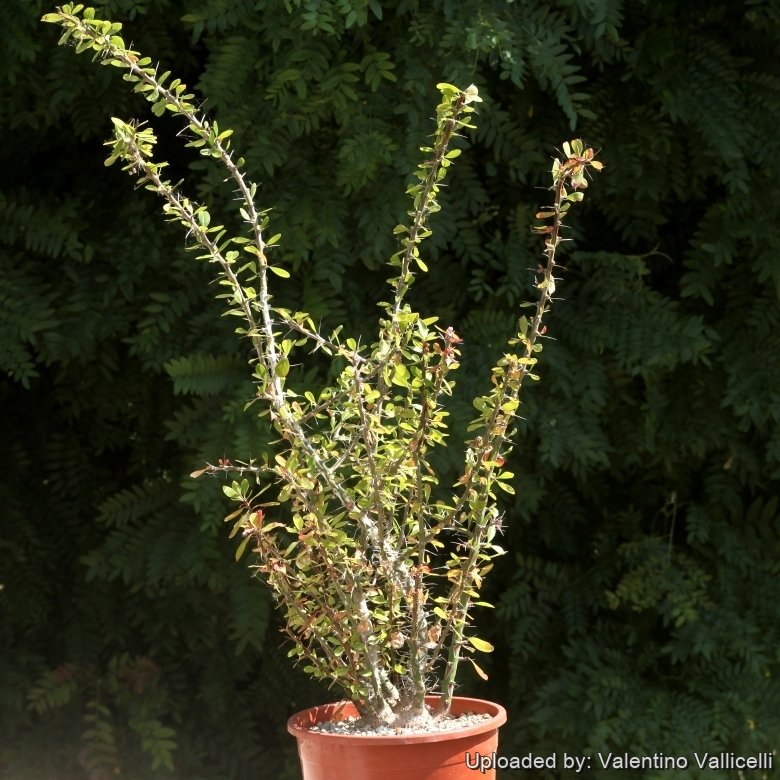
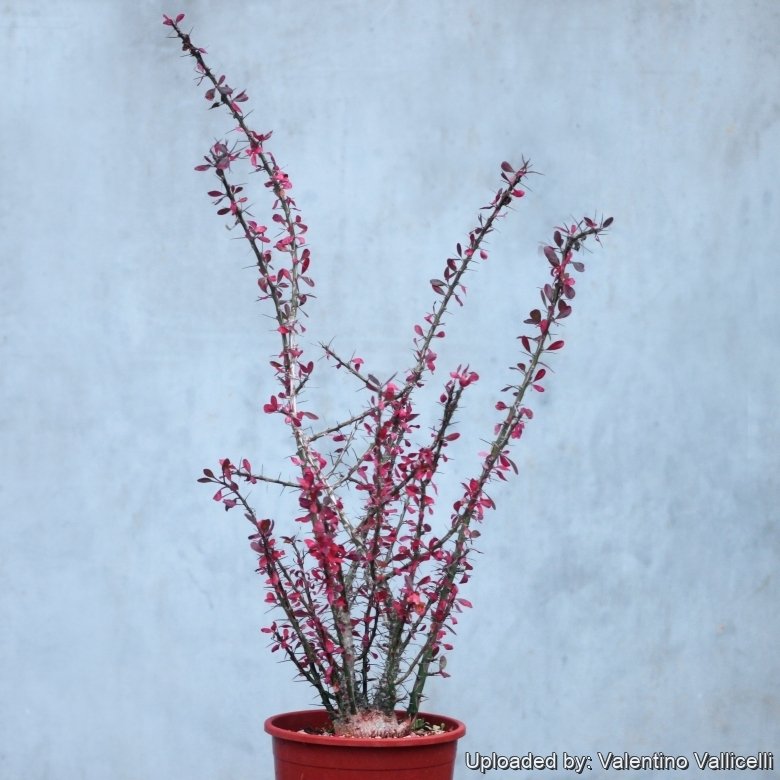
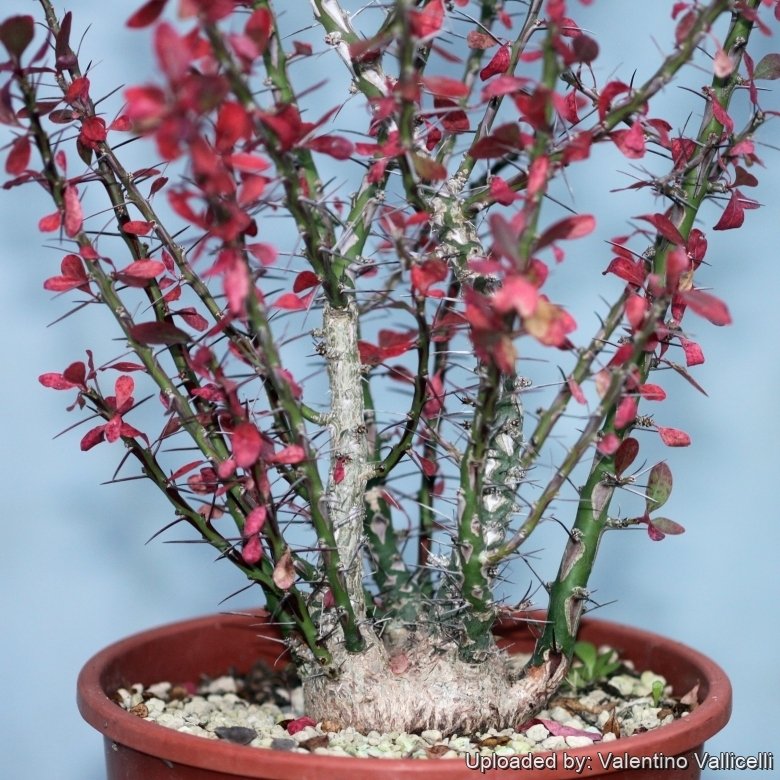
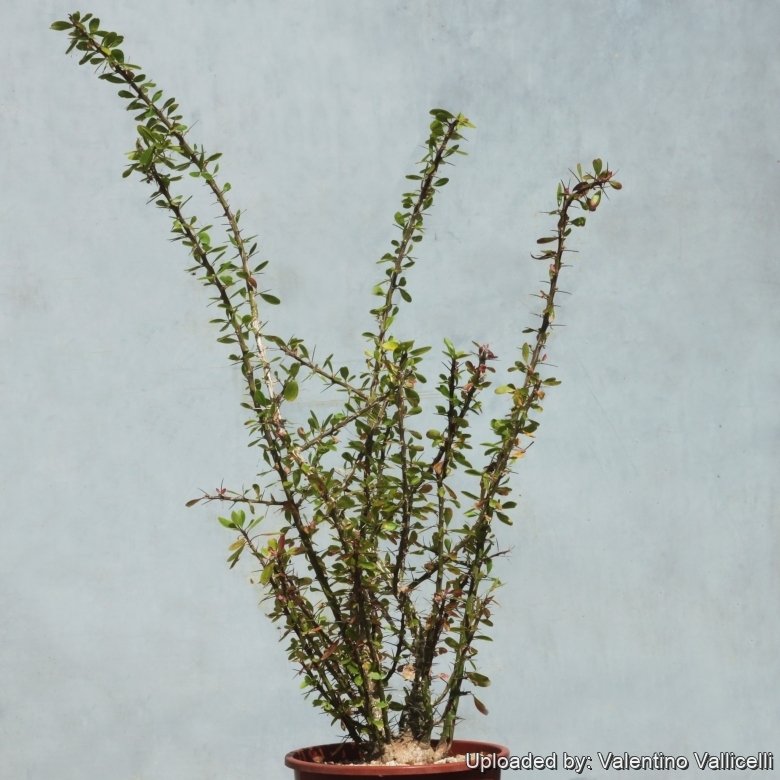
The Fouquieria fasciculata is a an attractive caudiciform bush with the green of the leaves and bark framing the large copper colored-spines on branches. It is one of the most prized of the “ocotillos”, for its dwarf size and the large fat swollen base. It is the closest of the “ocotillos” to a geophyte.
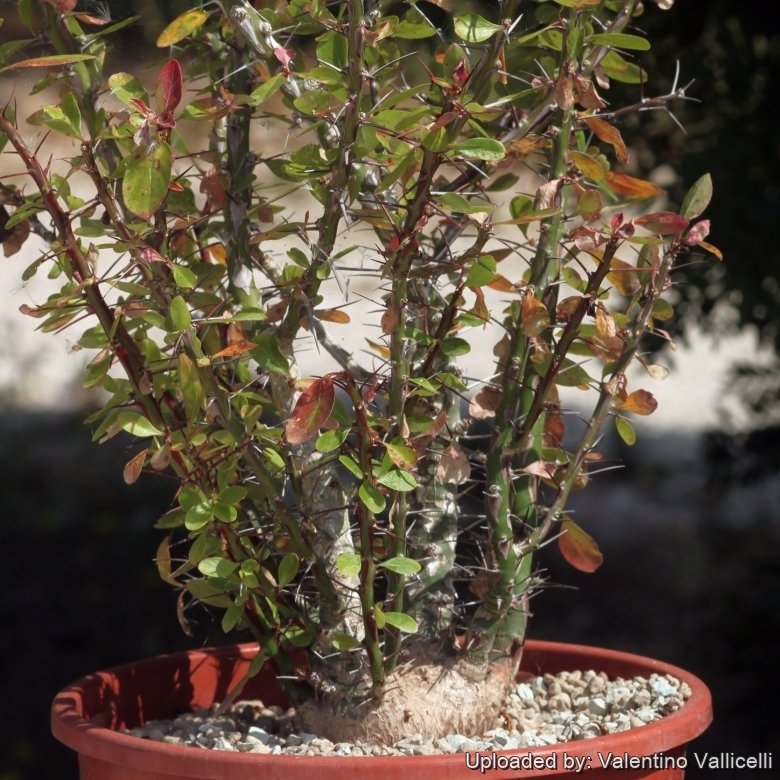
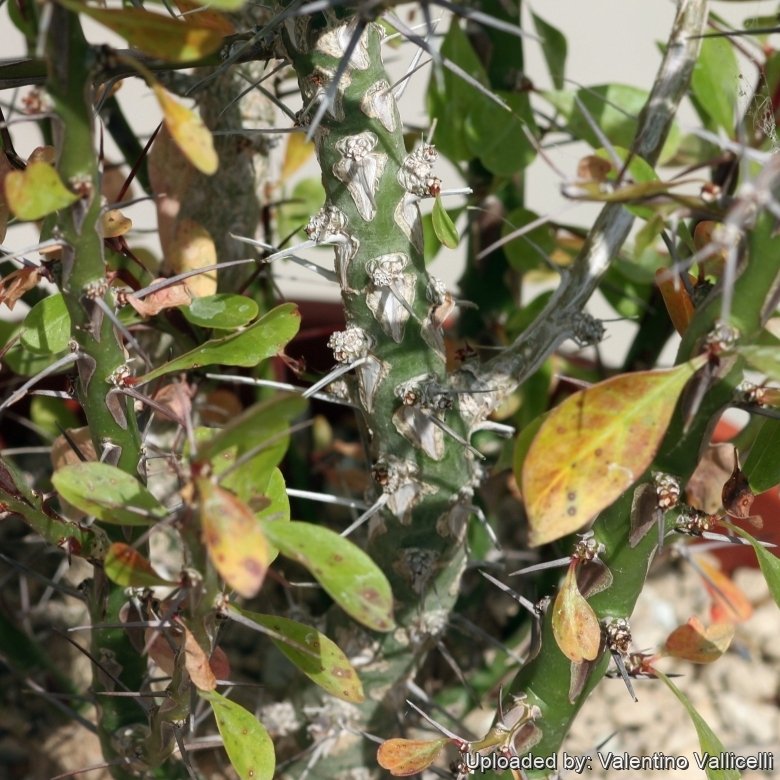
Caudex: 20-60 centimetres in diameter, bottle or flask-shaped, more or less squat, with succulent tissue restricted to the basal or central portion, juvenile caudices remain green for several years and becomes brownish or yellowish with papery piling scales as they ages, very old caudices may develop a polygonal cork reminding of Testudinaria elephantidens.
Branches: 3 - 4 mm in diameter up 2 to 5 meters tall, purple turning grey and woody.
Blooming season: Winter (December to February).
Spines: (1-) 1.5 - 2.5 (-3) cm.
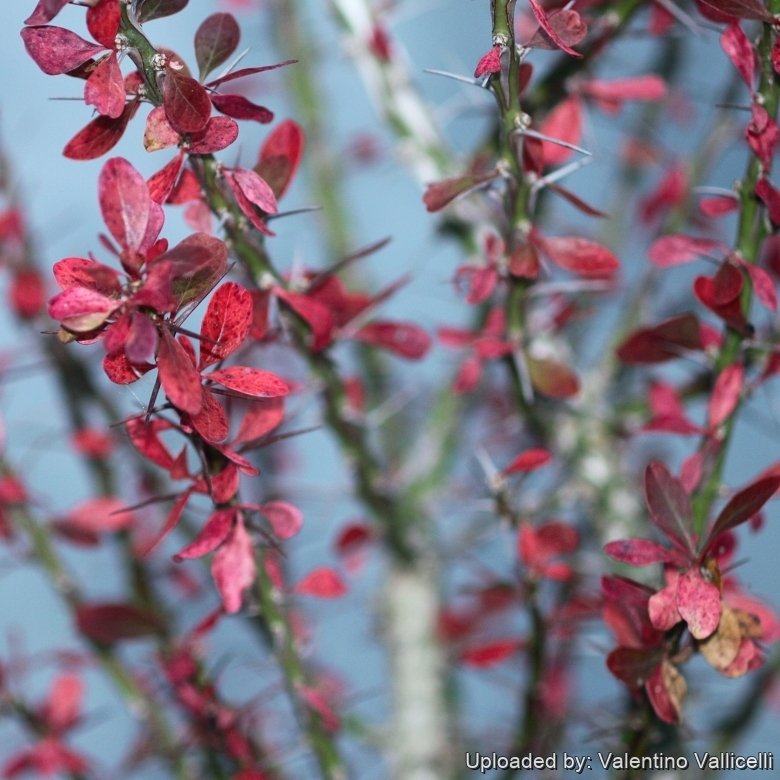
Leaves: Fasciculated (occurring in bundles, or “fasciculi”) of 2-7 leaves, 15-60 mm long, 7-17(23) mm wide, dark green above, lighter below, the leaf-base continued below (is decurrent) on the stem as a ridge 13-32 mm long.
Inflorescence: Corymbose, 4-9 cm long x 4-12 cm in diameter, terminal at branches tips.
Flowers: White about 10-12 mm long; corolla tubular; stamens 10, exserted fused at the base and of different length.
Cytology: 2n = 24.
Origin and Habitat
Southern Hidalgo (and Durango?), Mexico, where it is highly localized.
Type locality: The plant was collected by Humboldt and Bonpland in 1803 in “Puente de la Madre de Dios” in south Hidalgo. in 1819
Habitat: Grows in pockets of arid tropical scrub vegetation.
Cultivation and Propagation
The side branches are often pruned away to enlarge the fat swollen main trunk. It grows best in full sun to part shade. The plant needs moderate watering when growing (in leaf) but keep it dry when it’s dormant (not in leaf).
Propagation: Seeds or cuttings.
Use: In Mexico it is sometime used as an hedge plant.
Gallery