Publication: Cactus (Paris) No. 31, Suppl.,. 3 (1952); cf. Gray Herb. Card Cat.
Description
Plants usually solitary, occasionally forming small clumps.
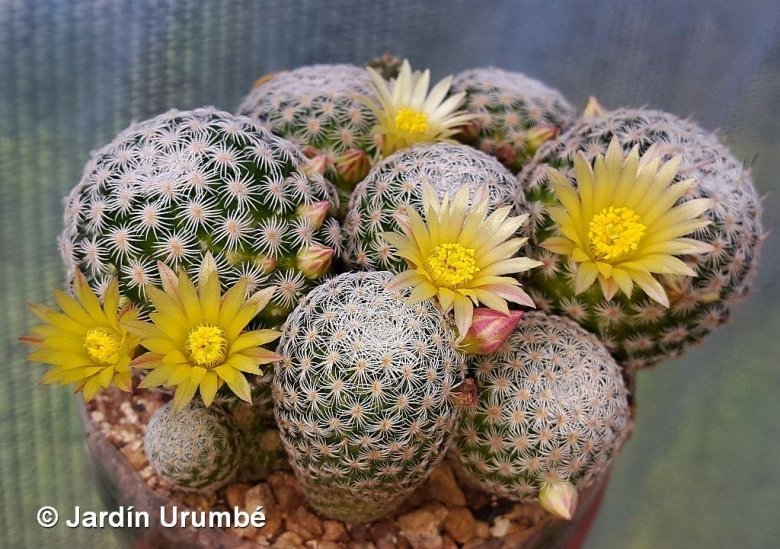
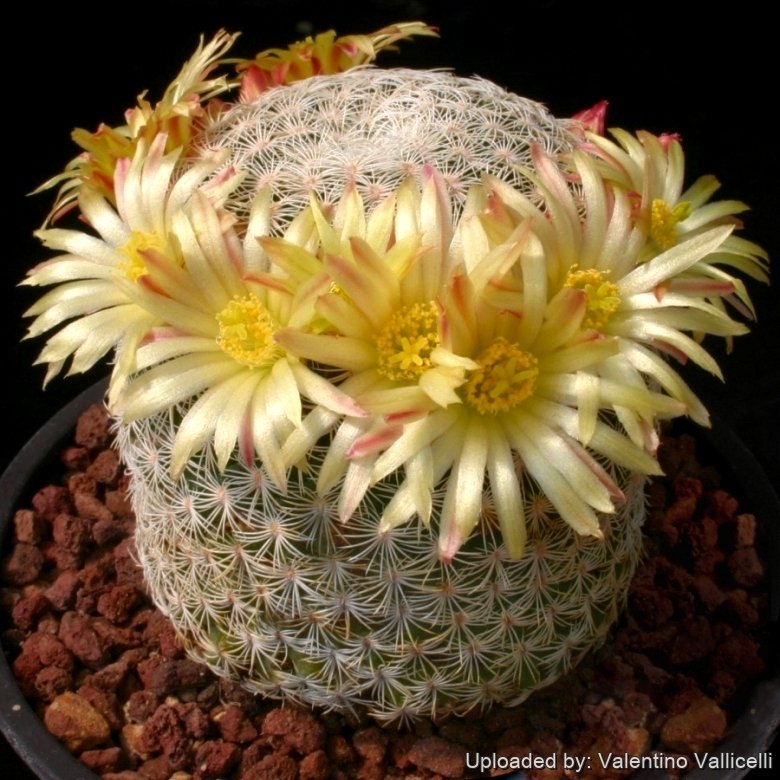
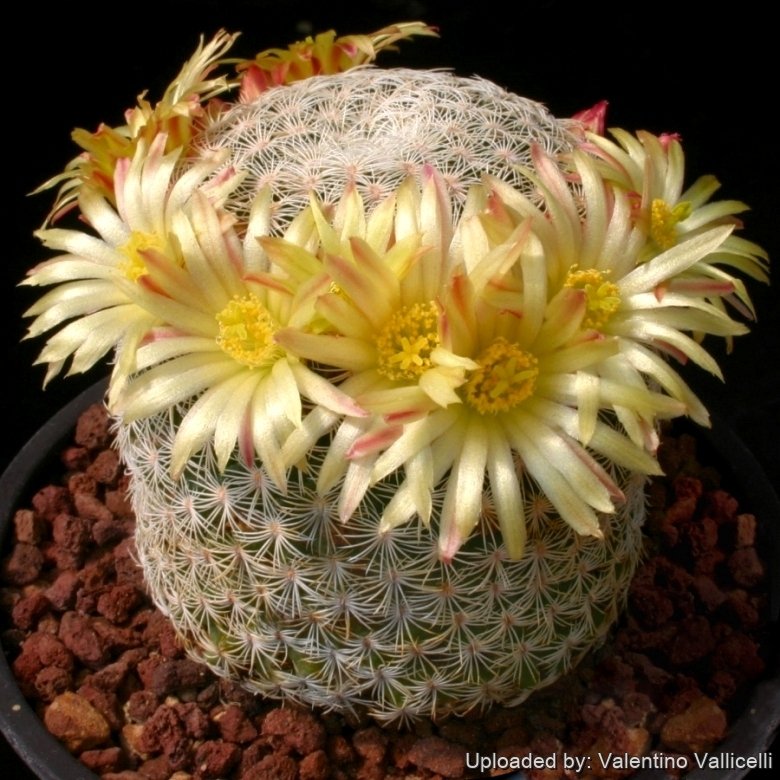
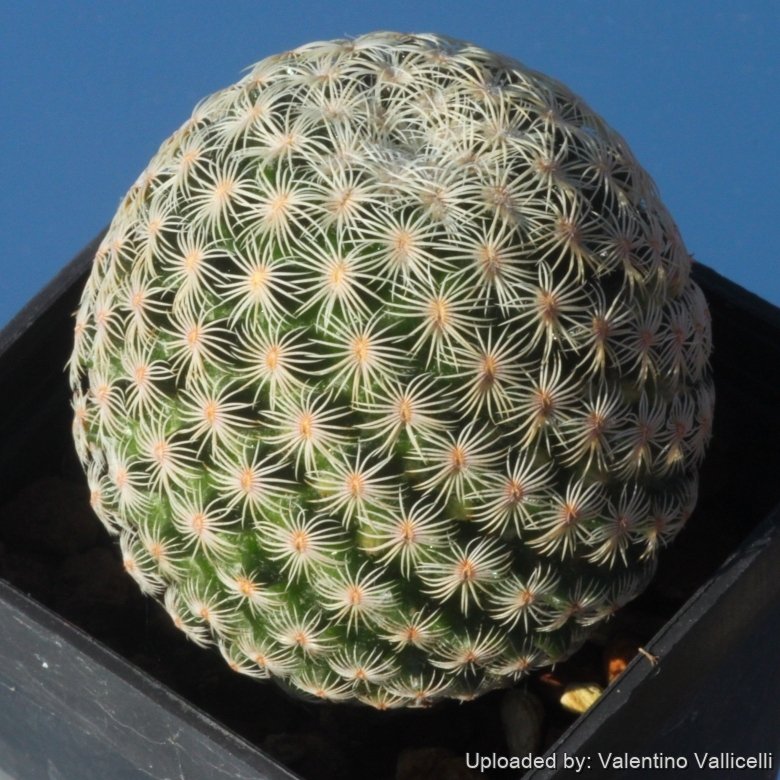
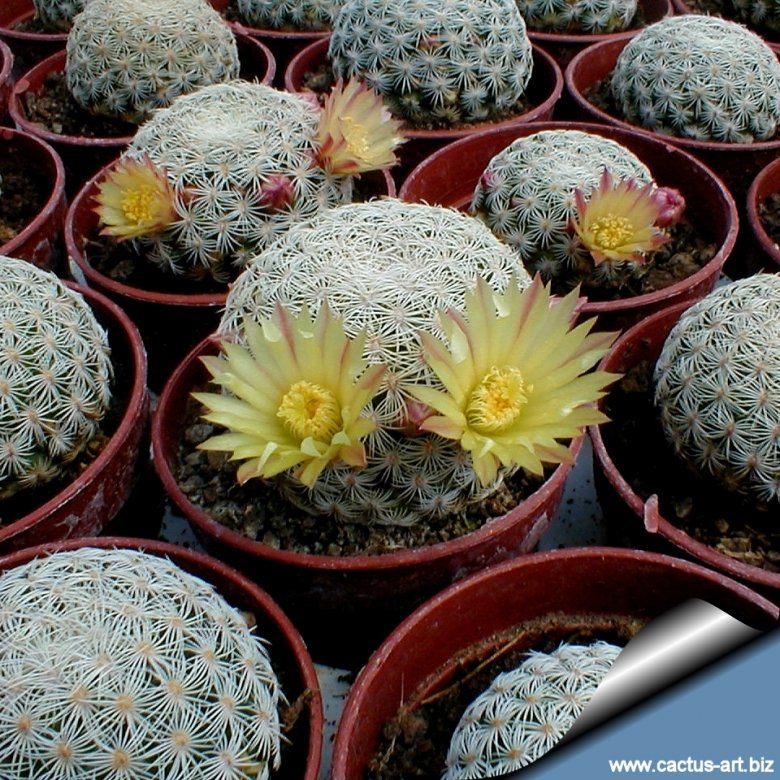
Stems: Spherical to depressed cylindrical, 2 - 4 (-8) cm high and in diameter. Without latex.
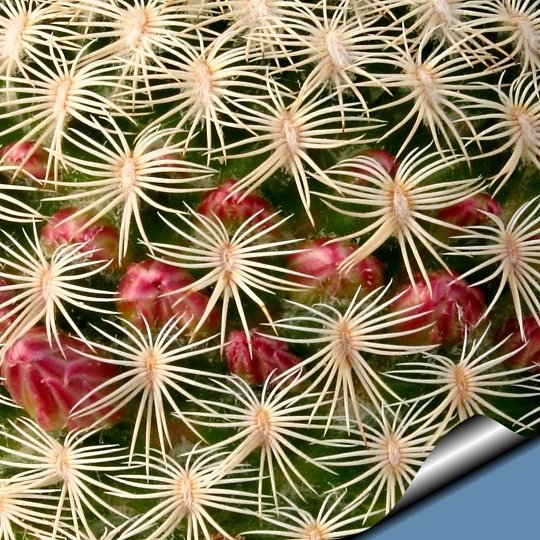
Axil: Naked
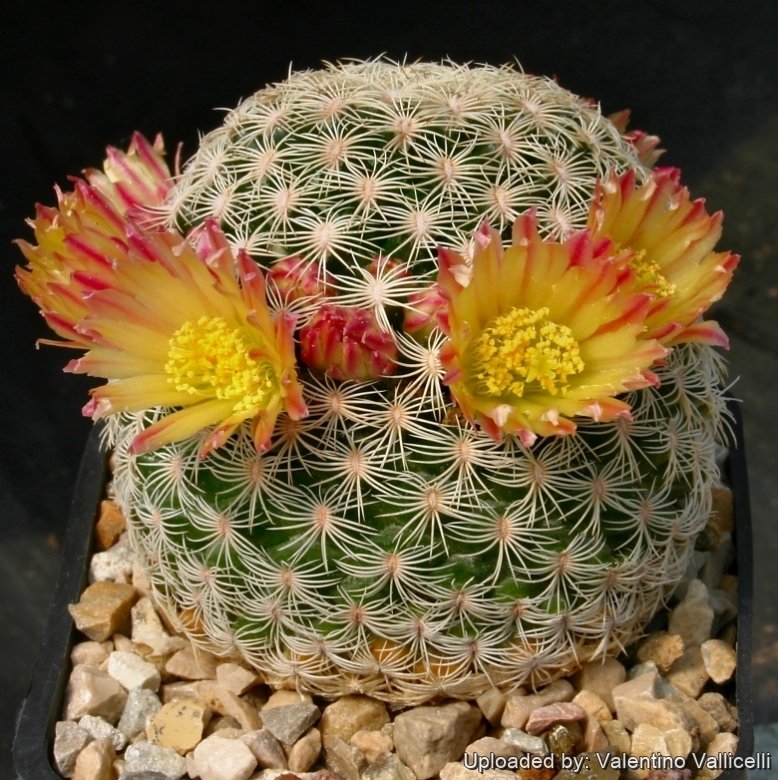
Radial spines: ± 25, flexible, chalky or dirty white, pectinately arranged and flattened against the stem surface, to 5 mm long.
Central spines: Not present.
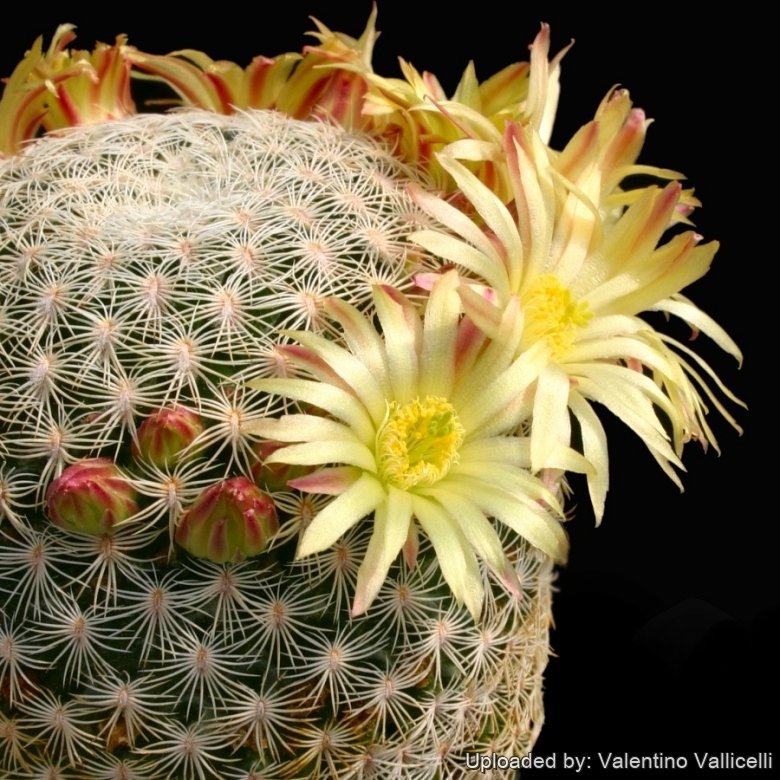
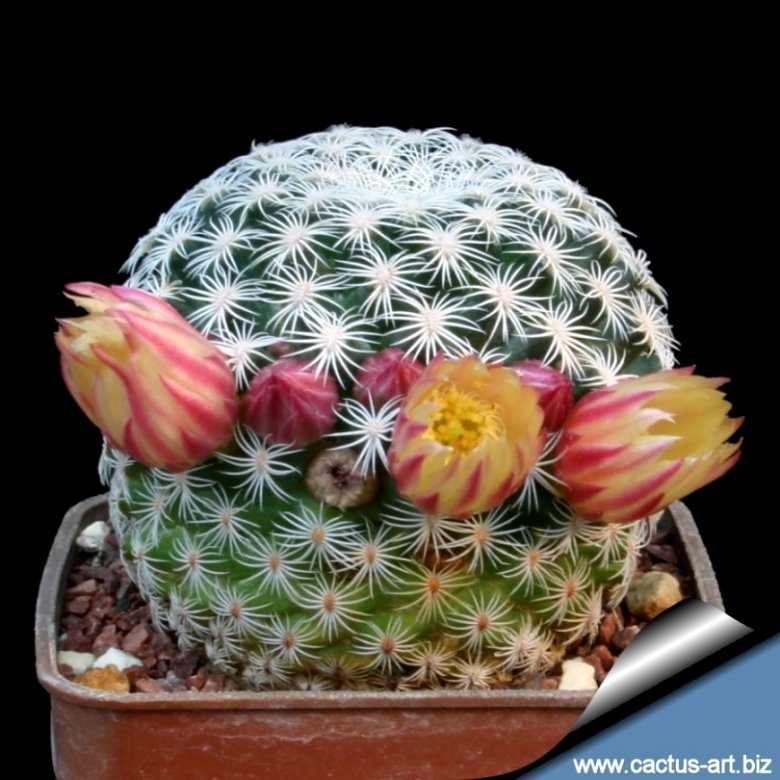
Flowesr: Yellow to yellowish white, to 14 (-25) mm long.
Fruits: Greenish, half-retained within the plant, barely protuding above the spines.
Origin and Habitat
Oaxaca and Puebla, Mexico. Altitude 1.300 - 1.400 m. From either side of the state-line between Puebla and Oaxaca (Petlalzingo and Salitrillo in the state of Puebla and Huahuapan de Leon in the state of Oaxaca) The species is locally surprisingly common.
Habitat: Grows under bushes and other vegetation on alkaline soils with relatively high surface stoniness and high water retention capacity. The climate is semi-dry, hot, with summer rains and slight temperature oscillations.
Cultivation and Propagation
Slow growing, this plant is very rot prone and temperamental when cultivated on its own roots, but it is easy to grow if grafted. Mammillaria solisioides has a fairly large tap root, and should be kept in a deep pot with a very draining mineral substrate. Watering during the active growing season (spring and summer), this will encourage steady growth. But be careful with watering, which all thick rooted species require (rot sensitive). Keep dry during the winter rest. Fertilize every 2 weeks with diluted high potassium fertilizer when the plant is in bud. Light shade or full sun exposures.
Propagation: Direct sow after last frost. (seldom produces offsets)
Gallery