Publication: Kakteen Sukk. xvi. 229 (1965)
Description
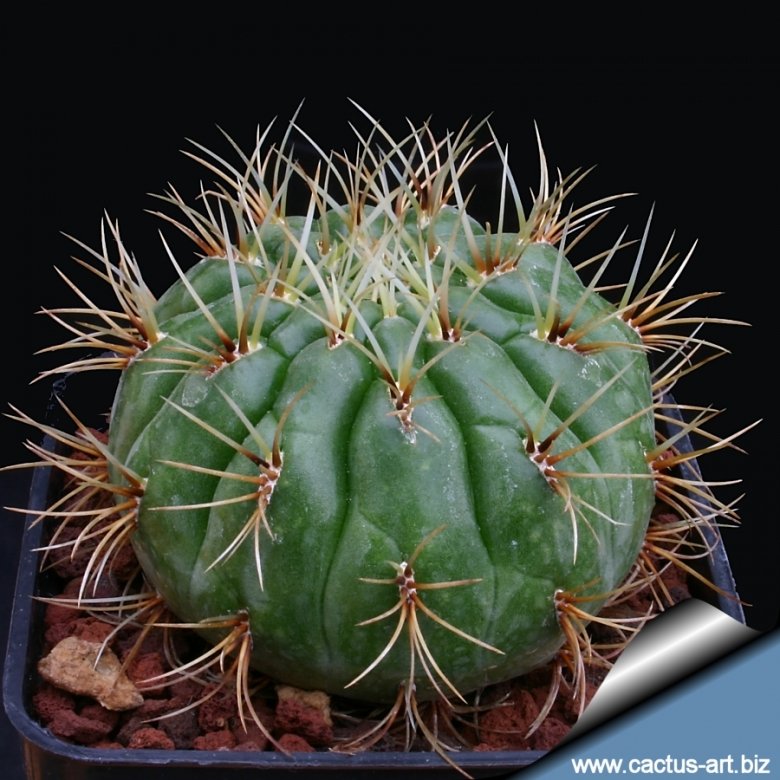
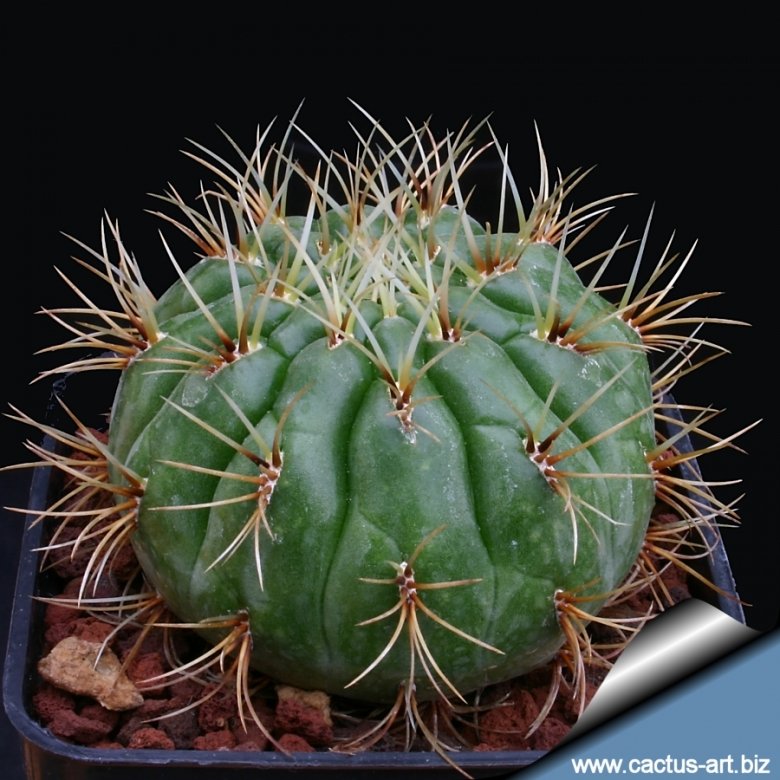
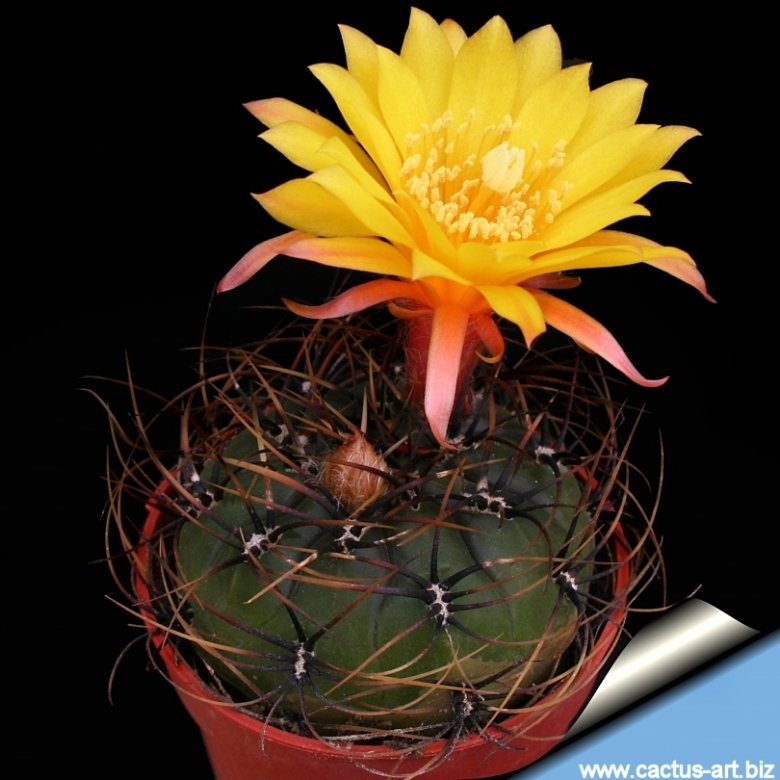
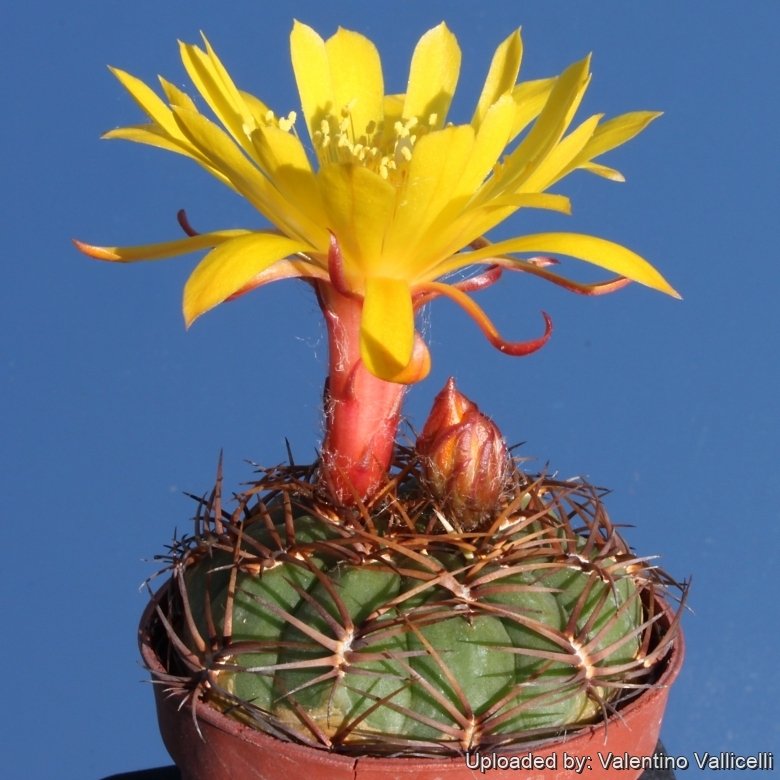
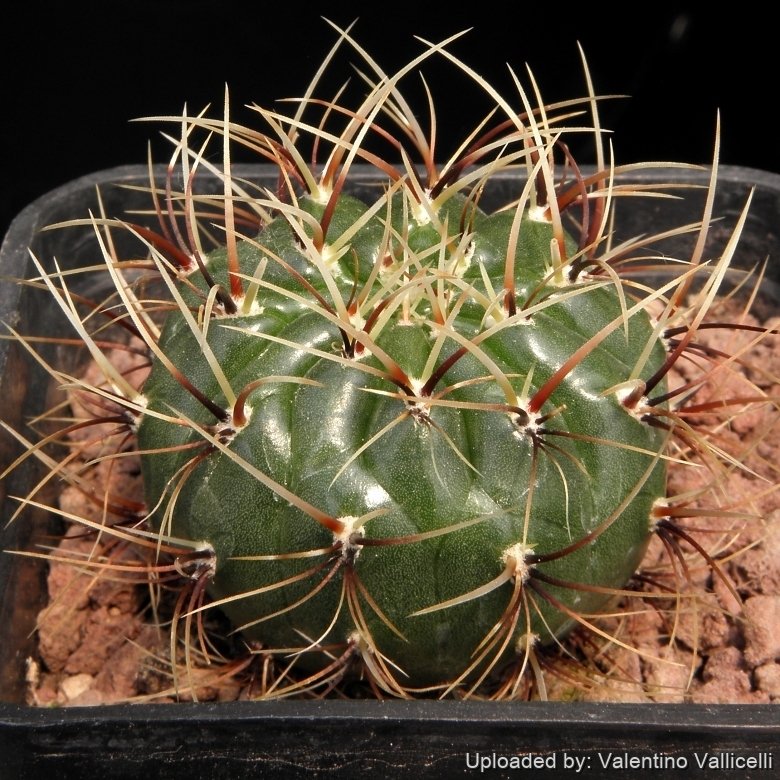
Flattened to globular cactus.
Stem: 10 cm tall, 12 cm or more in diameter.
Roots: Tap root.
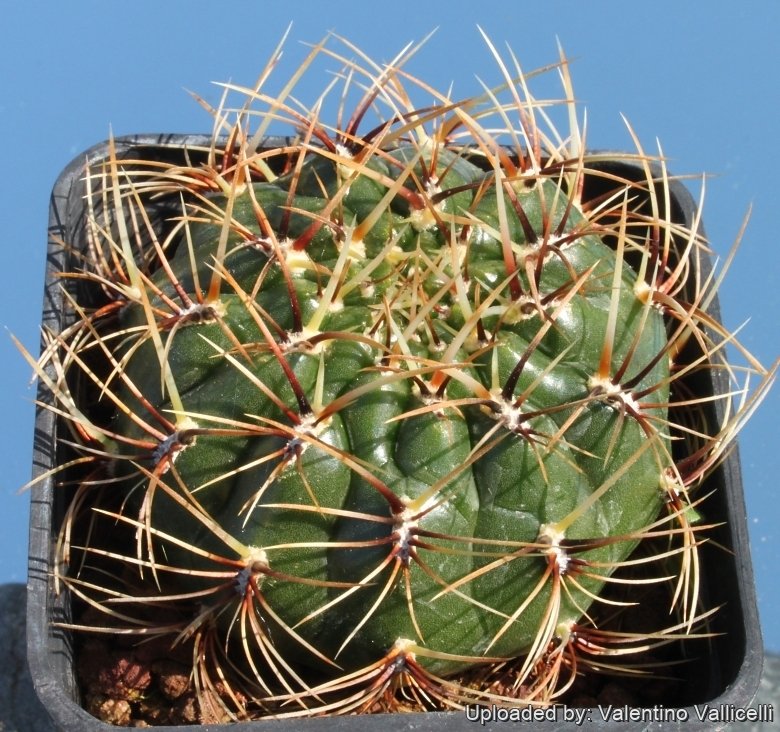
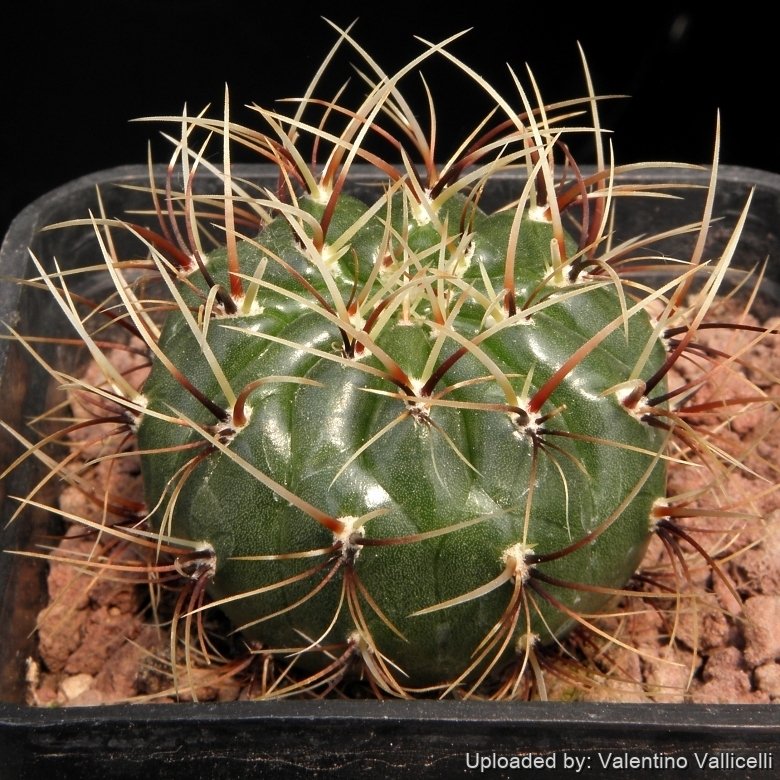
Spines: Curved inward, pectinated glassy yellowish to amber coloured with brown bases.
Leaves: The stem apex of the Matucana aureiflora is unusual among globular cacti in having a visible scale leaf, subtending each areole when young
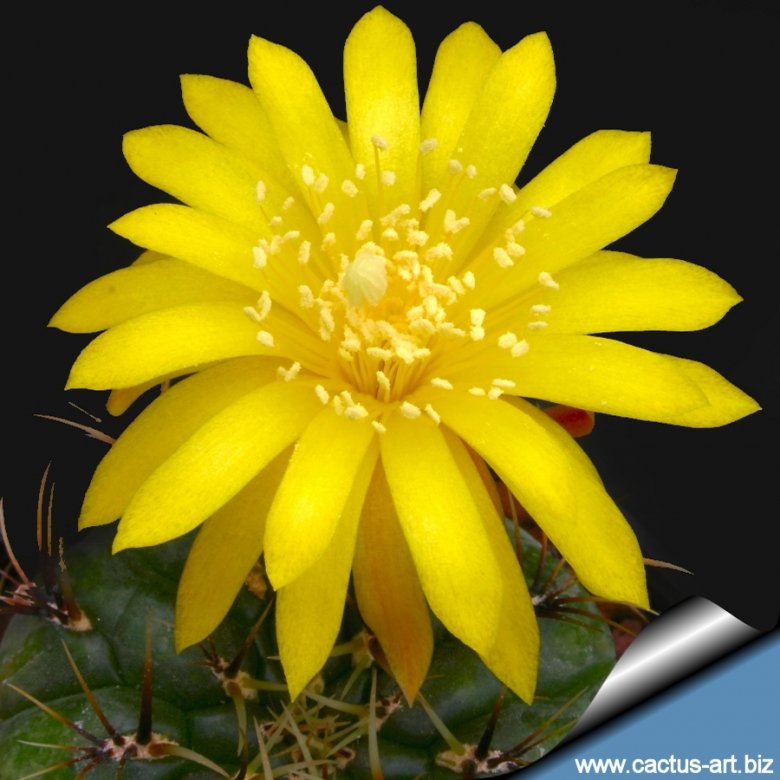
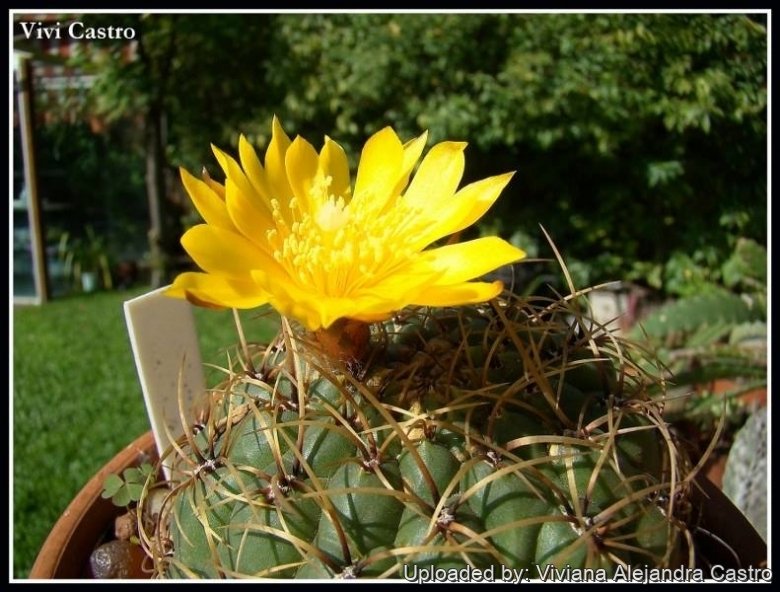
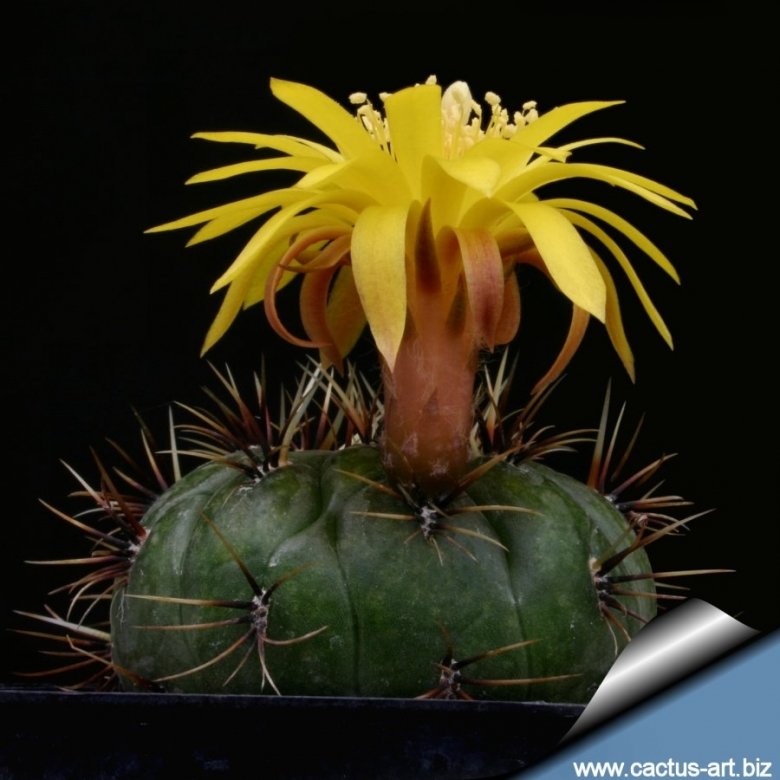
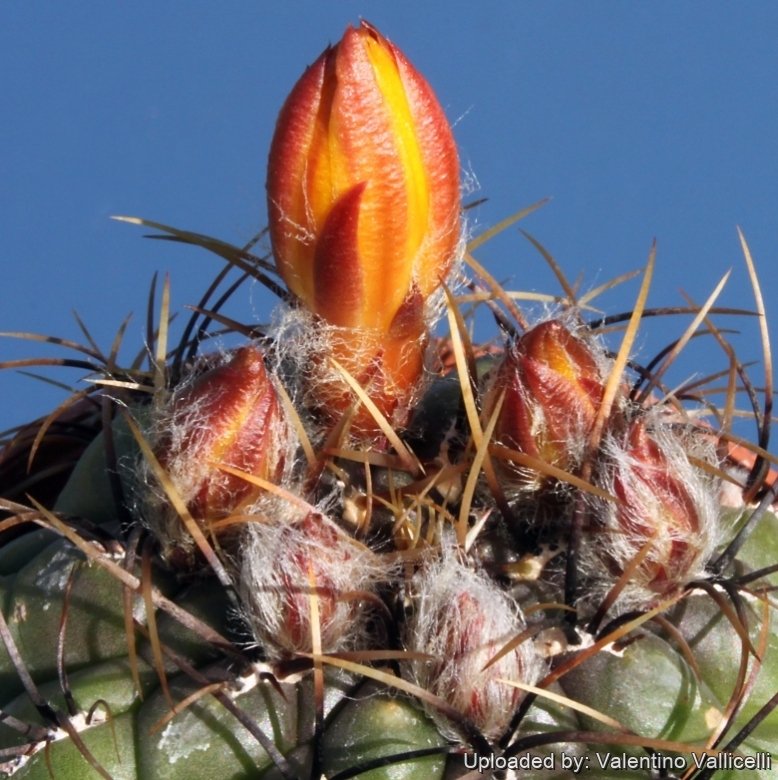
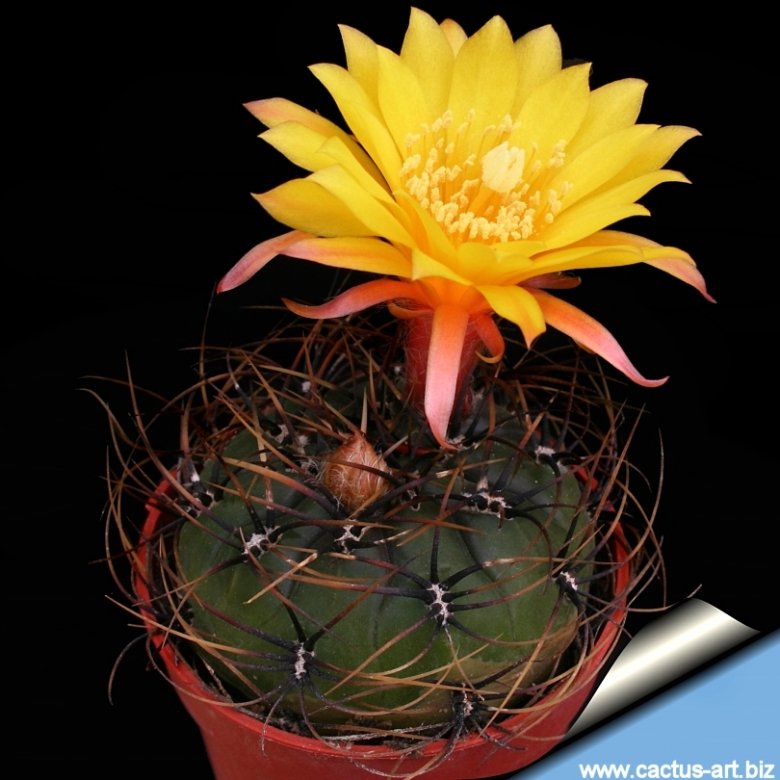
Flowers: Yellow to golden , 5 cm long, 3-4cm in diameter in several flushes, in spring and summer. They stay open day and night.
Origin and Habitat
Peru (Camajarca near the city of Cajamarca). This species occurs in an extremely restricted range of 20 km2, which represents a single location.
Altitude range: 2,800 to 2,900 metres above sea level.
Habitat and Ecology: Matucana aureiflora occurs in inter-Andean valleysis where it is not common. The population trend is decreasing due to urban sprawl (expansion of the city of Cajamarca) and, to a lesser degree, by agricultural activities. Furthermore, it does not occur in any protected area and is Critically Endangered.
Cultivation and Propagation
They grow slowly in their natural habitats, but in greenhouses they grow quickly.
Growing substratum: Grow in rich, porous soil and let the soil dry out between waterings.
Potting: It needs good drainage and a deep pot to accommodate its tap root
Repot in the spring when the roots become cramped. Generally, these plants should be re-potted every other year, in order to provide fresh soil. However, this doesn’t necessarily mean they’ll need larger containers. After repotting, do not water for a week or more.
Hardiness: Not very hard to grow if not protected from freezing temperatures, they need care in cultivation to reach a good size without developing unsightly marks. They need a minimum temperature of 10° C, but may to survive a light frost.
Exposure: Some direct sun is beneficial in order to get a good spine coloration, but not severe sunlight.
Propagation: Seeds
Bibliography
Major references and further lectures
-
Edward Anderson “The Cactus family” Timber Press, Incorporated, 2001
-
Nathaniel Lord Britton, Joseph Nelson Rose “Cactaceae: Descriptions and Illustrations of Plants of the Cactus Family” vol. 4 The Carnegie Institution of Washington, Washington 1923
-
James Cullen, Sabina G. Knees, H. Suzanne Cubey “The European Garden Flora Flowering Plants: A Manual for the Identification of Plants Cultivated in Europe, Both Out-of-Doors and Under Glass” Cambridge University Press, 11/Aug/2011
-
David R Hunt; Nigel P Taylor; Graham Charles; International Cactaceae Systematics Group. “The New Cactus Lexicon” dh books, 2006
-
Brako, L. & J. L. Zarucchi. “Catalogue of the flowering plants and gymnosperms of Peru.” Monogr. Syst. Bot. Missouri Bot. Gard. 1993
-
Bregman, R. “The genus Matucana, biology and systematics of fascinating Peruvian cacti.” 1996
-
Roque, J. & Ostalaza, C. 2013. Matucana aureiflora. The IUCN Red List of Threatened Species. Version 2014.2. <www.iucnredlist.org>. Downloaded on 01 November 2014.
From llifle page Borzicactus intertextus var. celendinensis
Description
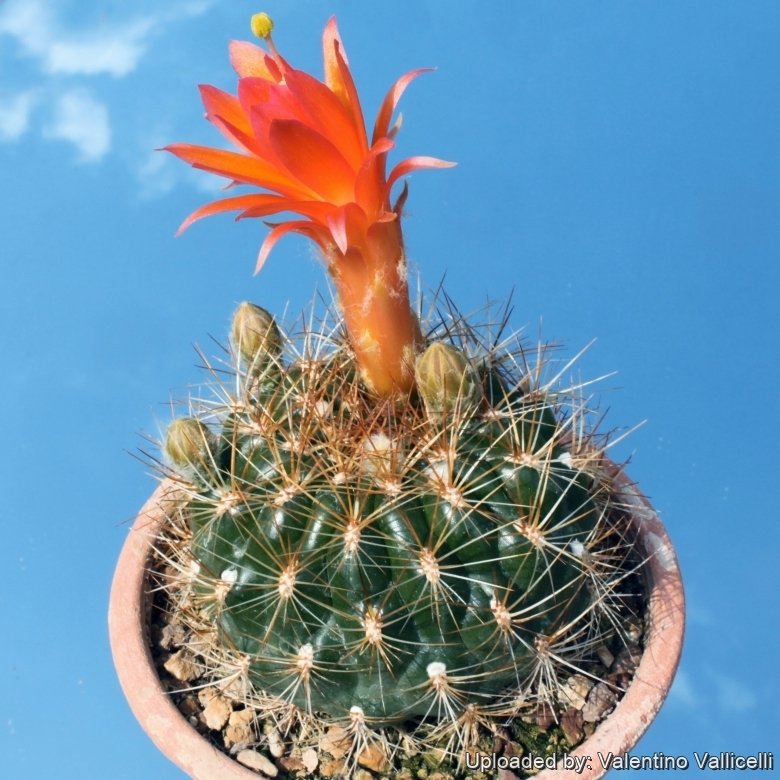
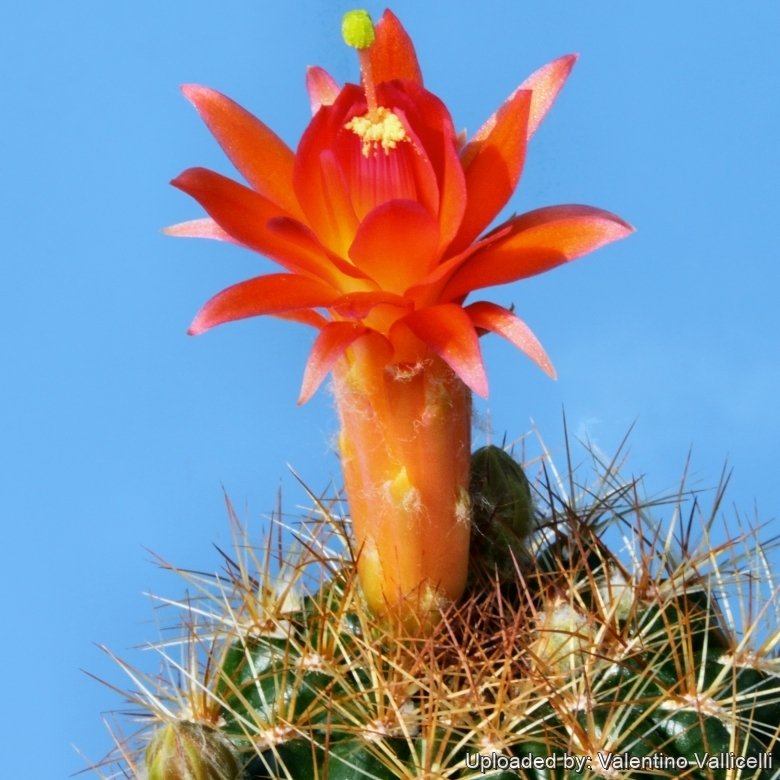
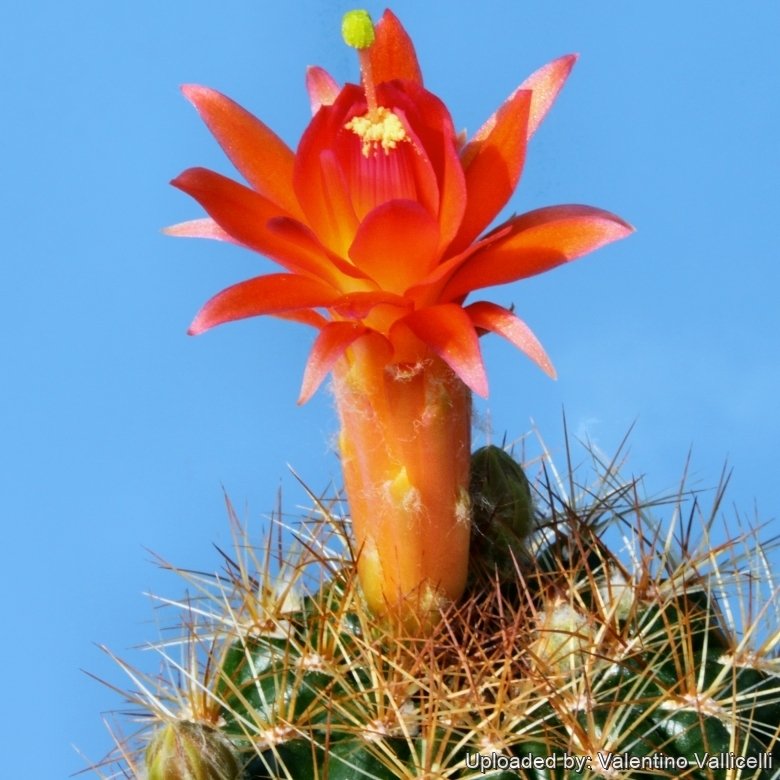
Matucana celendinensis is a controversial taxon sometime referred to Matucana paucicostata but more similar to Matucana aurantiaca. It differs from the standard Matucana aureiflora for the flower that are orange coloured and not golden yellow. The spines are thinner, longer, more spreading and lees pectinated.
Origin and Habitat
Balsas 4, Amazonas, Peru
Habitat: It grows in step stony slopes among moss and grasses.
Cultivation and Propagation
It is a summer-growing species of relatively easy cultivation. This plant is adapted to dry soils and is quite susceptible to over-watering if kept in a non ventilated place.
Growth rate: Matucanas grow slowly in their natural habitats, but in greenhouses they grow more quickly.
Soil: Grow it in a rich, open, sandy-gritty cactus compost. It needs good drainage and a deep pot to accommodate its tap root.
Repotting: Repot in the spring when the roots become cramped. Generally, these plants should be re-potted every other year, in order to provide fresh soil. However, this doesn’t necessarily mean they’ll need larger containers. After repotting, do not water for a week or more.
Exposure: It is suited for sunny-brightly exposure, but can tolerate light shade. However it will do its best only with lots of sun and become stressed with inadequate light which could result in poor growth and unnatural shape. Direct sun is also beneficial in order to get a good spine colouration.
Watering: Water sparingly and keep it completely dry during winter. Mature individuals easily rot and die especially after transplanting so be extremely cautious with watering. Keep dry in winter or when night temperatures remain below 10° C. Water it less than average if in bigger pots.
Fertilization: Feed them once during the growing season with a fertilizer specifically formulated for cactus and succulents (high potash fertilizer with a dilute low nitrogen), including all micro nutrients and trace elements diluted to ½ the strength recommended on the label. They thrive in poor soils and need a limited supplies of fertilizer to avoid the plants developing excess vegetation, which is easily attacked by fungal diseases.
Special need: It is suited for airy exposures. Provide very good ventilation. Nearly all problems occur as a result of overwatering and poor ventilation, especially when weather conditions are dull and cool or very humid. They must have very dry atmosphere.
Hardiness: It likes warmth (recommended minimum winter temperature 5° C) But plants kept perfectly dry but may to survive a light frost.
Pests & diseases: These cacti may be attractive to a variety of insects, but plants in good condition should be nearly pest-free, particularly if they are grown in a mineral potting-mix, with good exposure and ventilation. Nonetheless, there are several pests to watch for:
- Red spiders: Red spiders may be effectively rubbed up by misting the plants from above.
- Mealy bugs: Mealy bugs occasionally develop aerial into the new leaves and flowers with disfiguring results, but the worst types develop underground on the roots and are invisible except by their effects.
- Scales, thrips and aphids: These insects are rarely a problem.
- Rot: Rot is only a minor problem if the plants are watered and “aired” correctly. If they are not, fungicides won’t help all that much.
Propagation: Usually propagated from seeds (seldom produces offsets). The seeds can be sown in pots of fine, well-drained sandy soil, any time during the spring when temperatures are warm. Cover the seeds with a fine layer of grit and water from below with a fungicide to prevent damping off. For the 1-2 weeks cover the pots with a sheet of glass/clear perspex to keep the humidity levels high. Remove the glass and replace it with light shade-cloth and mist once or twice a day for the next two weeks after which most seeds should have germinated. From then on mistings can be reduced to every second and then every third day as the little plants grow. The seedlings should not be disturbed until they are well rooted after which they can be planted separately in small pots.
Bibliography
Major references and further lectures
-
Edward Anderson “The Cactus family” Timber Press, Incorporated, 2001
-
Nathaniel Lord Britton, Joseph Nelson Rose “Cactaceae: Descriptions and Illustrations of Plants of the Cactus Family” vol. 4 The Carnegie Institution of Washington, Washington 1923
-
James Cullen, Sabina G. Knees, H. Suzanne Cubey “The European Garden Flora Flowering Plants: A Manual for the Identification of Plants Cultivated in Europe, Both Out-of-Doors and Under Glass” Cambridge University Press, 11/Aug/2011
-
David R Hunt; Nigel P Taylor; Graham Charles; International Cactaceae Systematics Group. “The New Cactus Lexicon” dh books, 2006
-
Brako, L. & J. L. Zarucchi. “Catalogue of the flowering plants and gymnosperms of Peru.” Monogr. Syst. Bot. Missouri Bot. Gard. 1993
-
Bregman, R. {{“The genus Matucana, biology and systematics of fascinating Peruvian cacti.”} 1996
Source: Borzicactus intertextus var. celendinensis, LLIFLE - Encyclopedia of living forms, CC-BY-SA, retrieved 2026-10-25.
From llifle page Submatucana aureiflora var. elata
Description
Matucana aureiflora var. elata is a flattened to globular cactus not easily differentiated from the standard Matucana aureiflora. It only has slightly longer spines. It is mostly single but occasionally many-stemmed with age.
Stem: 10 cm tall, 12 cm or more in diameter.
Roots: Tap root.
Spines: Curly, glassy and amber coloured with darker brown tips.
Leaves: The stem apex of the Matucana aureiflora is unusual among globular cacti in having a visible scale leaf, subtending each areole when young
Flowers: Yellow to golden , 5 cm long, 3-4cm in diameter in several flushes, in spring and summer. They stay open day and night.
Origin and Habitat
Cajamarquilla, Cajamarca, Peru.
Source: Submatucana aureiflora var. elata, LLIFLE - Encyclopedia of living forms, CC-BY-SA, retrieved 2026-10-25.
Cultivars and forms (1)
Varieties (1)
Gallery