Description
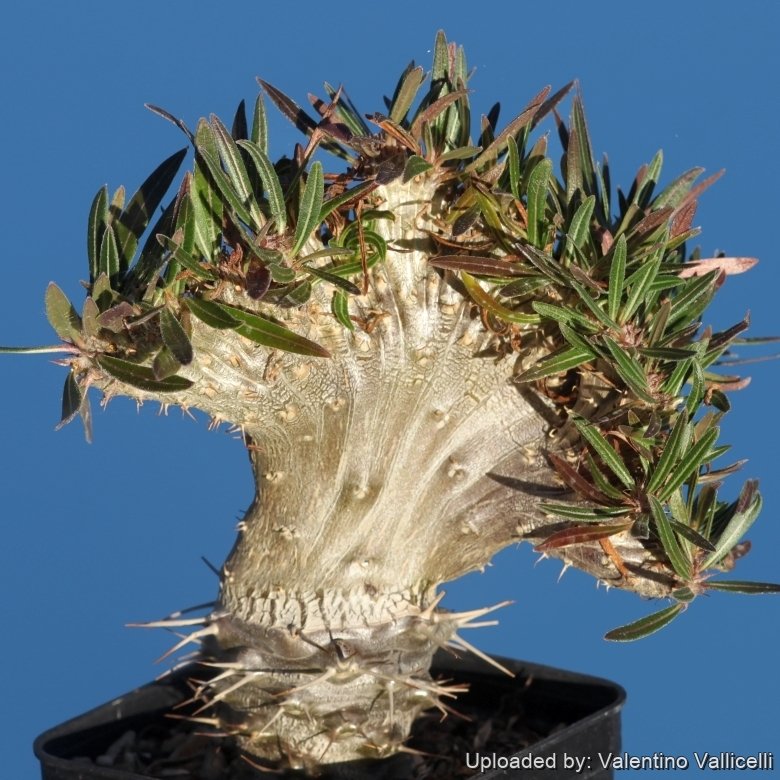
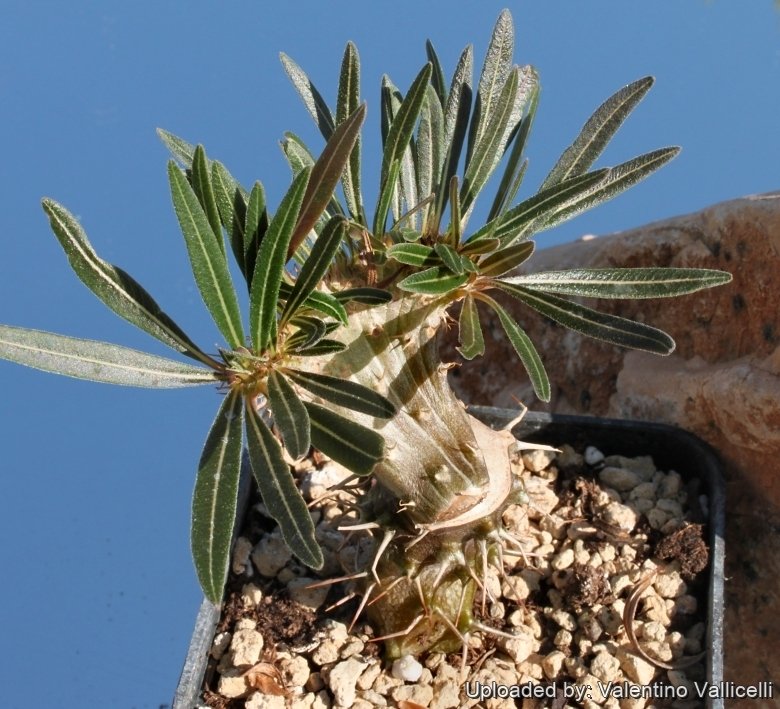
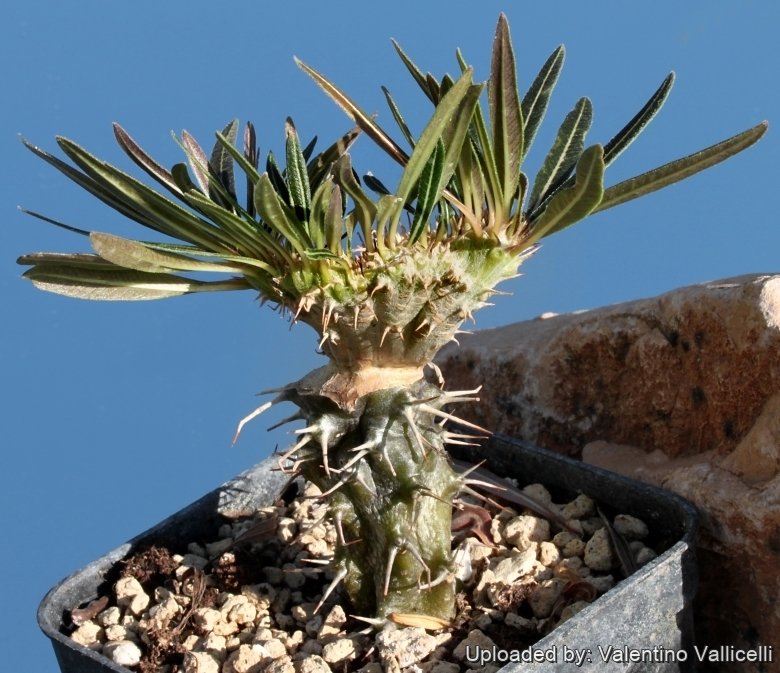
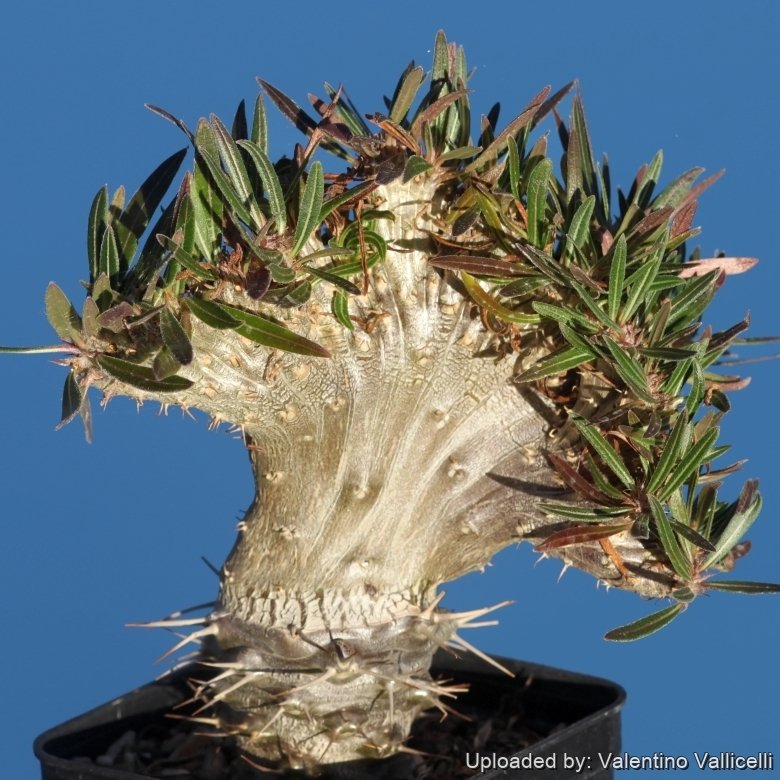
Pachypodium rosulatum subs. gracilius is a beautiful caudex plant with bright yellow flowers. It is smaller growing than the type and has fewer thinner leaves, slimmer branches and a shorter corolla tube. The crested form Pachypodium rosulatum subs. gracilius f. cristatum - despite to its beauty - is still very rare and sought after by collectors, for its unique features.
Stem: Fan shaped, thin, less than 1 centimetre thick forming tangled convoluted mounds, reddish-brown, smooth but new growth lanateup to two centimetres in diameter and reach a height and diameter of 40 centimetres.
Spines: Paired conical about 5 mm long.
Leaves: Elliptic to lanceolate, and smaller than other rosulatum about 3-11 cm long, 0,8-2,5 cm wide. Hairless above than beneath.
Flowers: Bright yellow 2-5 together on top of a peduncle 7-40 cm long. Corolla tube thin cylindrical up to 3 cm long, with narrow, ovoid lobes.
Fruit: 6-20 cm long.
Seed: Oblong 6 cm long.
Notes: The species name is often misspelled: “gracilis” or “gracilus”.
Origin and Habitat
Garden origin (Nursery produced cultivar)
Cultivation and Propagation
A draining cactus potting mix and a good water supply is all this plant needs, it like full sun to light shade with warm temperatures. It tends to lose its leave and go dormant in winter. It then needs very little water. Repot the plant every 2-3 years.
Crested growth: Unlike ‘monstrose’ varieties of plants, where the variation from normal growth is due to genetic mutation, crested growth can occur on normal plants. Sometimes it’s due to variances in light intensity, or damage, but generally the causes are unknown. A crested plant may have some areas growing normally, and a cresting plant that looks like a brain, may revert to normal growth for no apparent reason. Any normal shoots should be removed to promote the growth of the crest.
Bibliography
Major references and further lectures
-
Urs Eggli Illustrated Handbook of Succulent Plants: With 487 Colour Photos.
-
Sara Oldfield Cactus and Succulent Plants: Status Survey and Conservation Action Plan IUCN/SSC Cactus and Succulent Specialist Group
-
Nick Garbutt, Hilary Bradt, Derek Schuurman Bradt Madagascar Wildlife: A Vistor’s Guide
-
Stuart Max Walters, James Cullen The European garden flora: a manual for the identification of plants