Publication: Candollea xx. 41 (1965), in obs.
Description
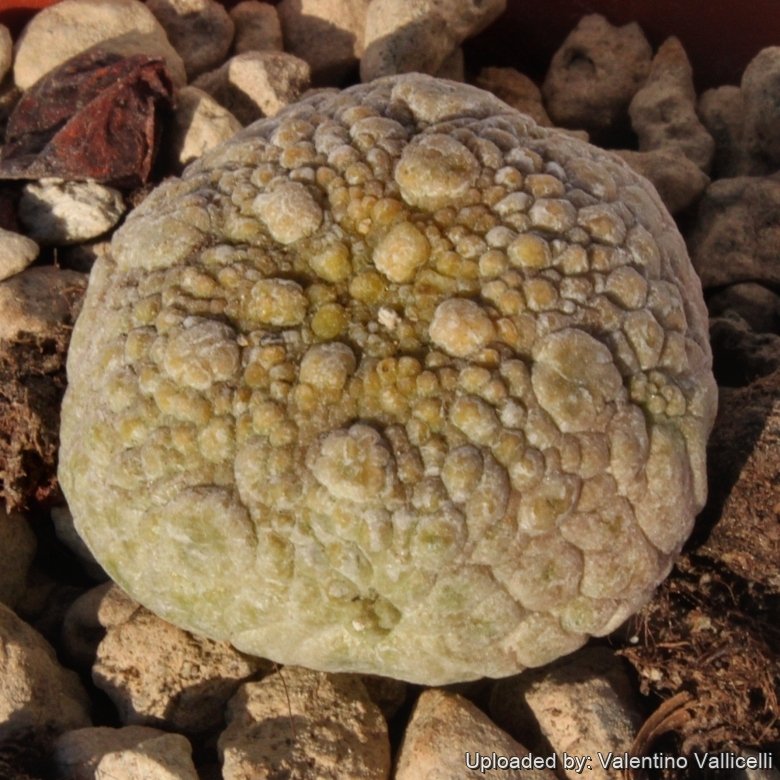
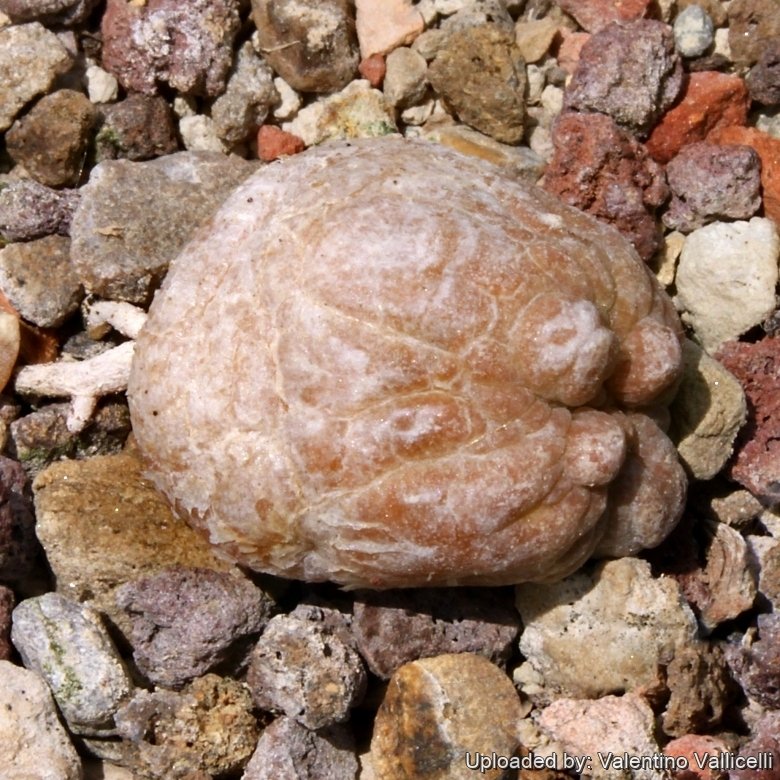
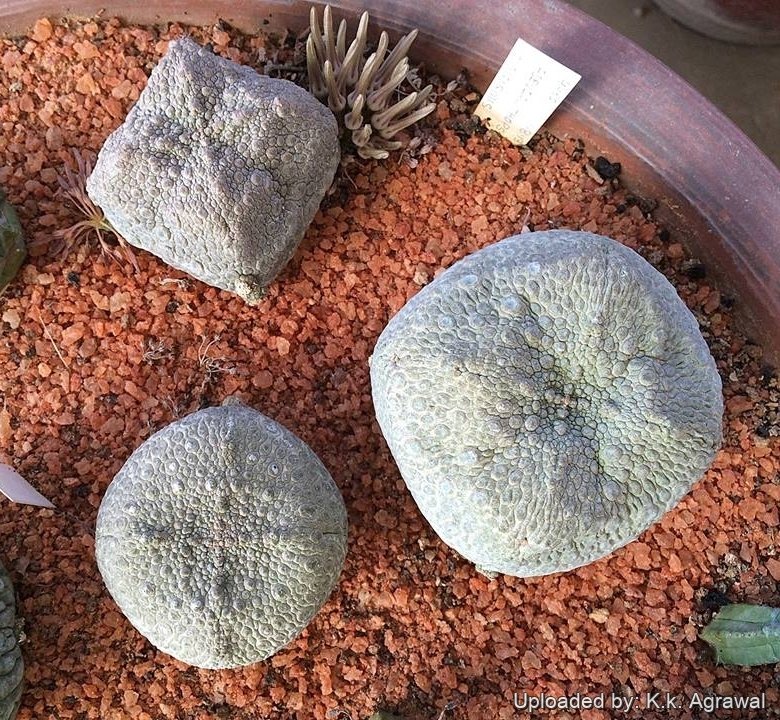
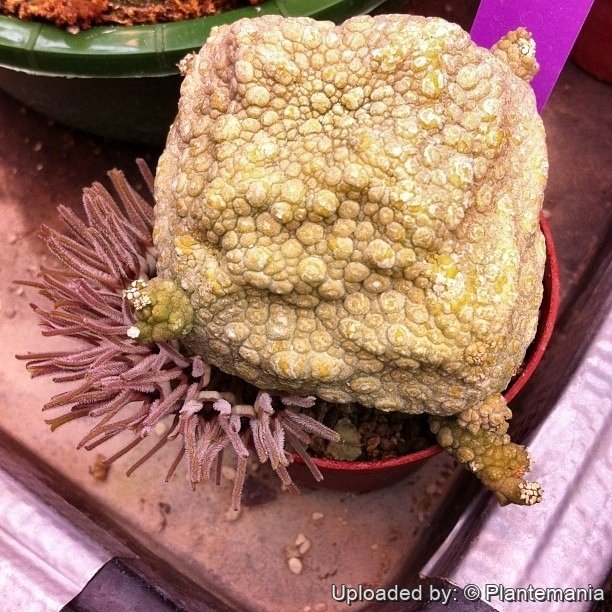
Pseudolithos cubiformis is a small highly succulent plant that grows into a characteristic, fairly large, granite grey, almost perfect cube. It is quite variable in shape, colour and size. It is one of the nicest species in the genus, all of which are oddballs. A very odd species indeed.
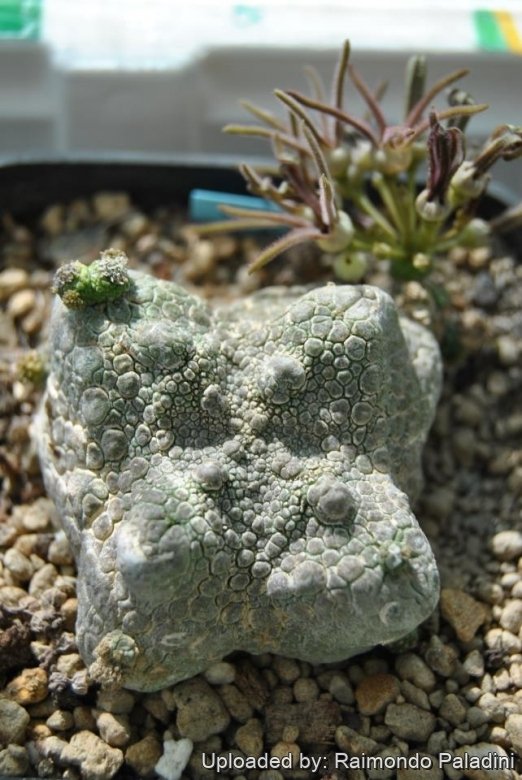
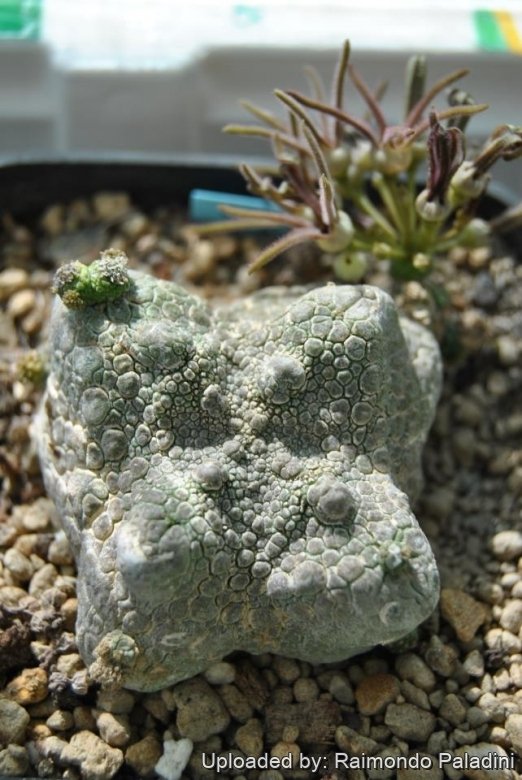
Stem: Usually single stemmed. Up to 12 cm wide and tall, basically cube shaped or with an evident four-sided figure form, tuberculate, leathery skinned, The colour vary from light green (in shaded environments) to clear olive/grey/green (in half sun) or reddish-brown (in full sun). Old plants with peduncles along some of the edges.
Roots: Fibrous.
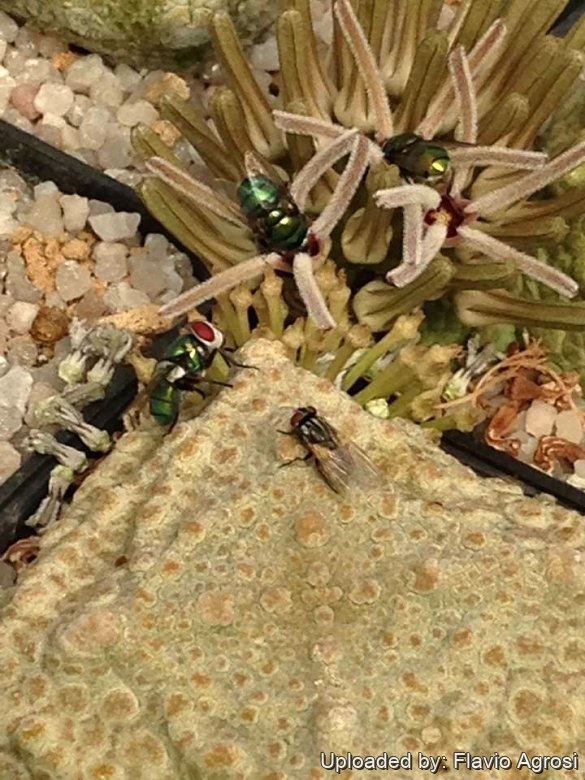
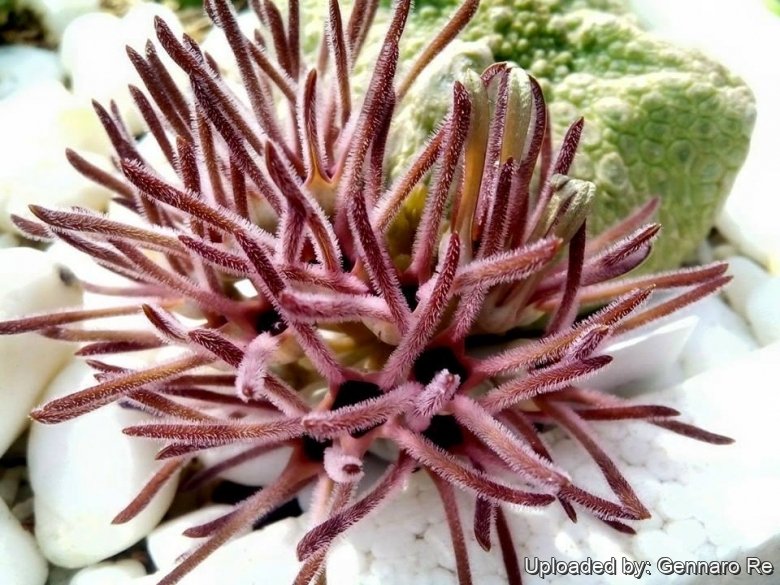
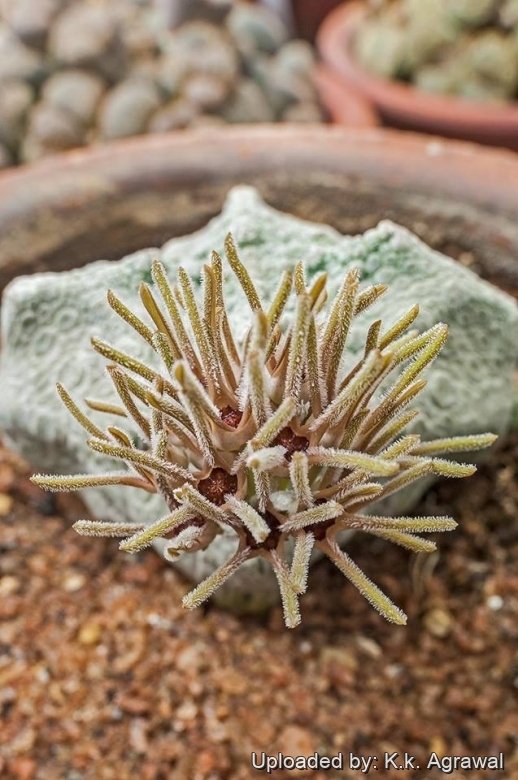
Flower: In clusters, with greyish-Green hairy petals with a purple centre. It has the largest flowers in the genus, and like the others, the cluster of flowers are fly pollinated and smell like rotting meat.
Blooming season: It produces shoots and regularly blossoms mainly during the end of the summer in the bottom side of the plants, but may blooms during the year whenever the growing conditions are appropriate.
Origin and Habitat
Pseudolithos cubiformis comes from the North East of Somalia
Habitat: It grows in grit with little water and some sun.
Cultivation and Propagation
Relatively easy to grow, but mistakes are costly. If rot sets in, there is practically no time, nor warning, before the plant turns to expensive mush.
It needs regular watering, especially during the hottest summer day, provide also some light watering if the green house temperatures in winter are elevated. Either excessive and very scarce watering can induce rot.
Frost Tolerance: Winter temperatures must be kept over 10° C. ( But can withstand to winter night temperature around 5° )
Sun Exposure: It take a great advantaged if grown in very strong light but sheltered from full sun.
Cultural Practices: Provide a very good ventilation. It grow quite easily and fast on its own roots. it is not difficult as commonly supposed, but inaccuracies are fatal. If rot starts the plant will almost inevitably die. This plant is a candidate for under-potting, as long as you keep it watered.
Propagation: Seeds are the only way of reproducing
Bibliography
Major references and further lectures
-
Urs Eggli “Illustrated Handbook of Succulent Plants: Dicotyledons” Springer Science & Business Media, 2002
-
Hermann Jacobsen “A handbook of succulent plants: descriptions, synonyms, and cultural details for succulents other than Cactaceae” Blandford Press, 1960” Timber Press, 18/May/1999
-
Focke Albers, Ulrich Meve “Illustrated Handbook of Succulent Plants: Asclepiadaceae: Asclepiadaceae” Volume 4 Springer Science & Business Media, 2002
Gallery