Publication: Cact. Succ. J. (Los Angeles) 23: 94. 1951
Description
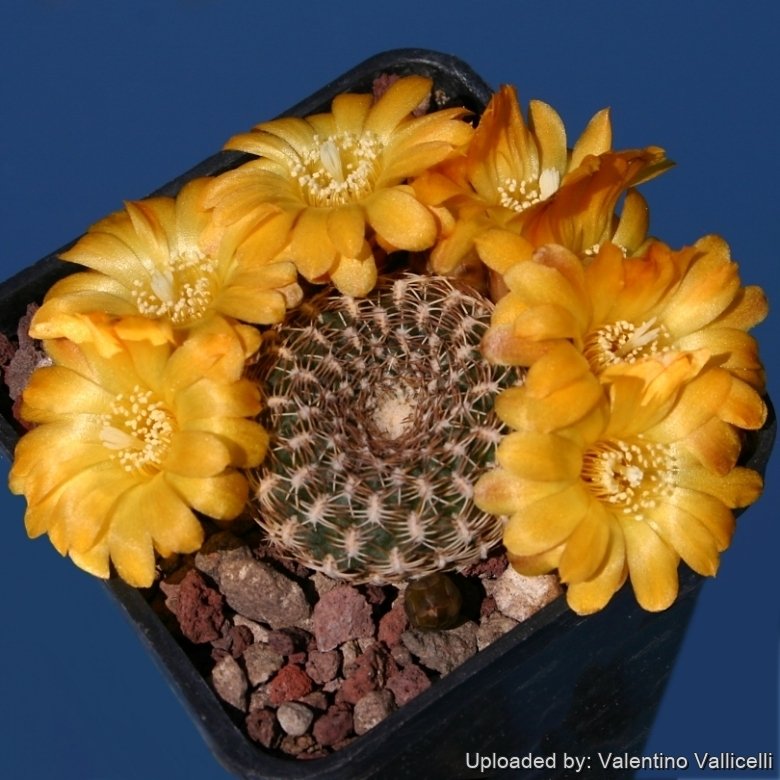
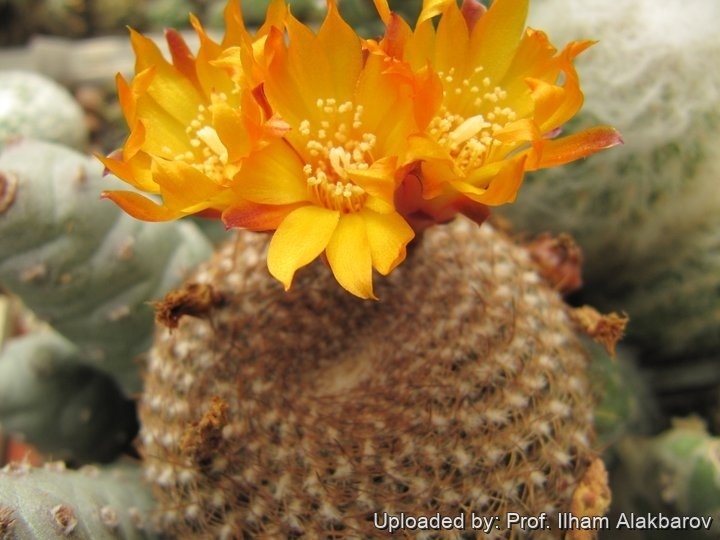
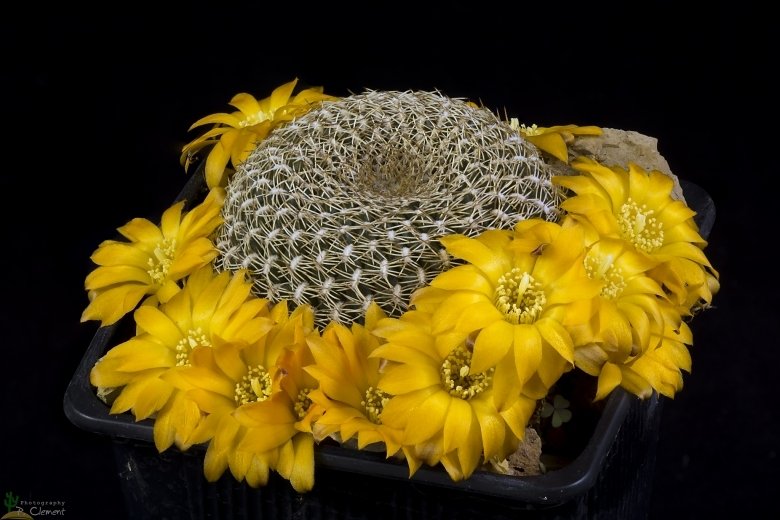
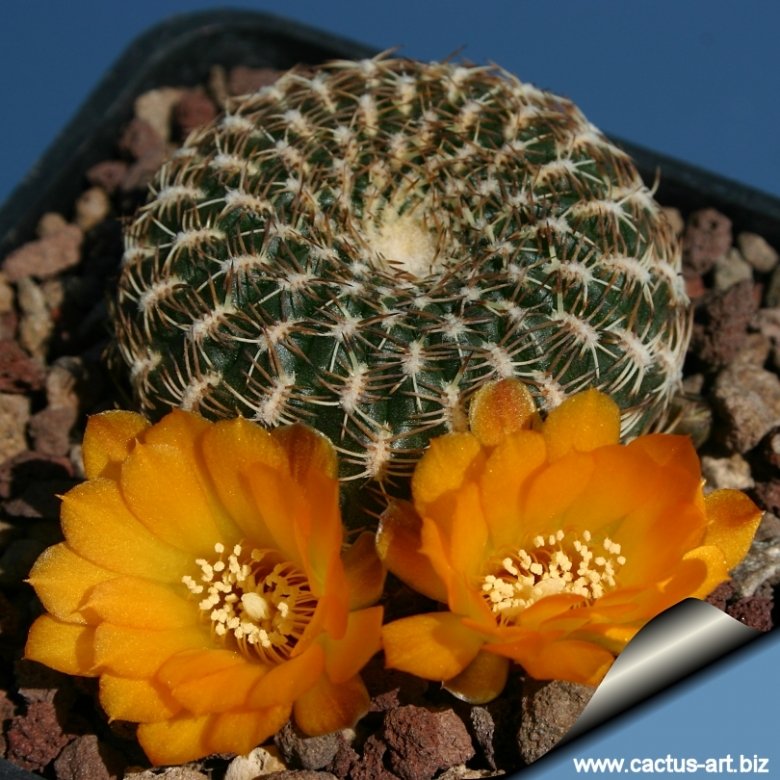
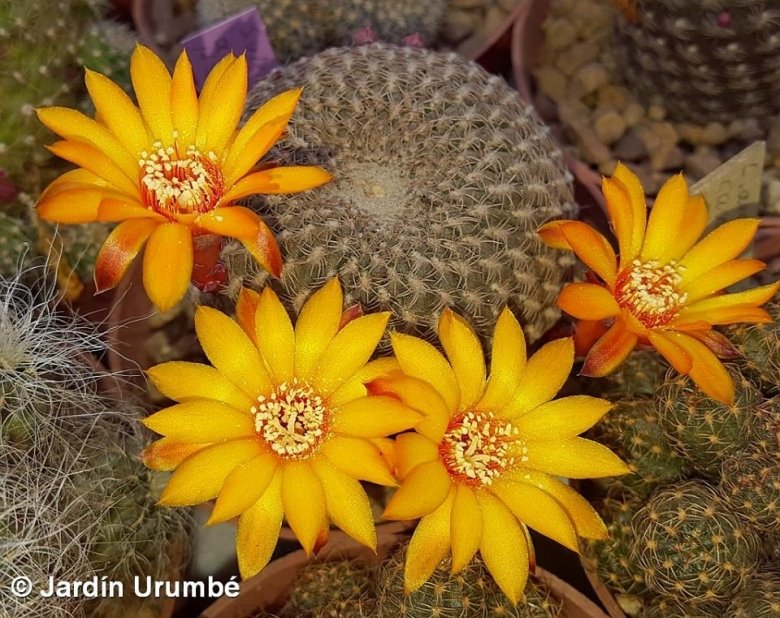
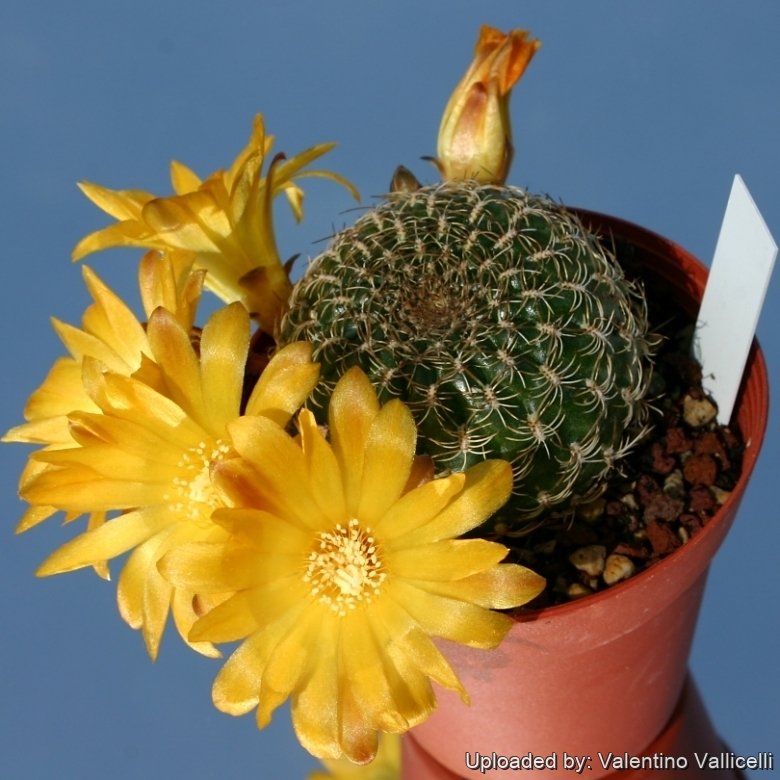
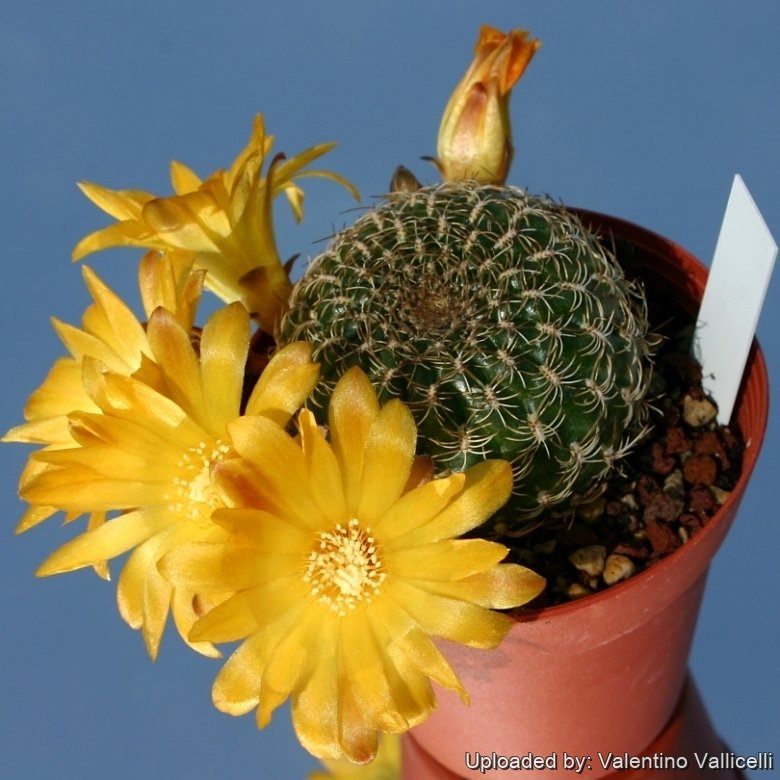
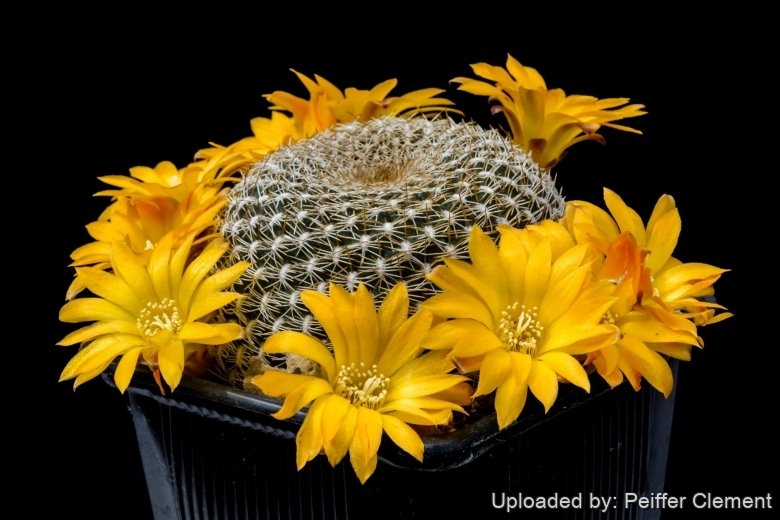
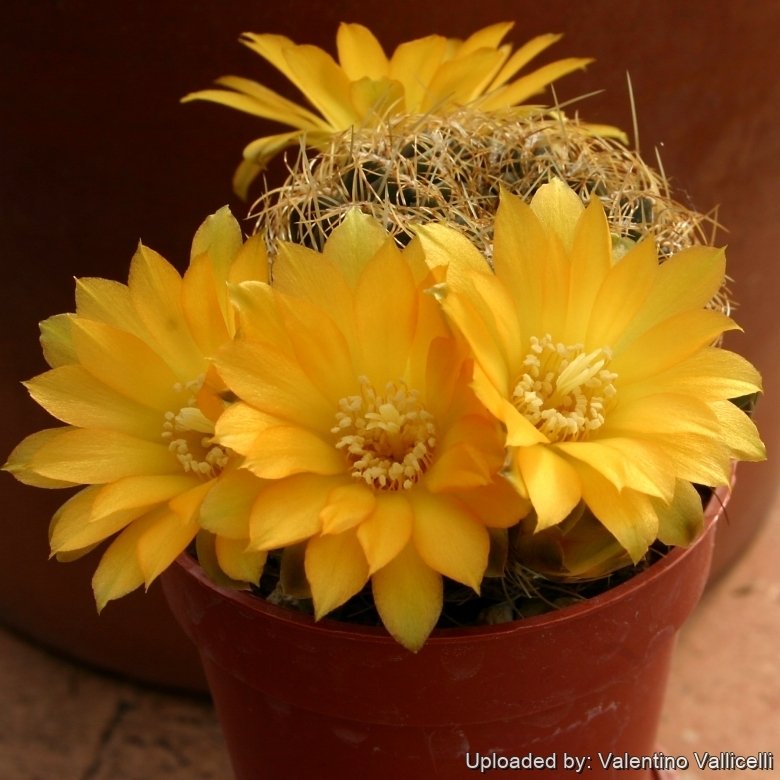
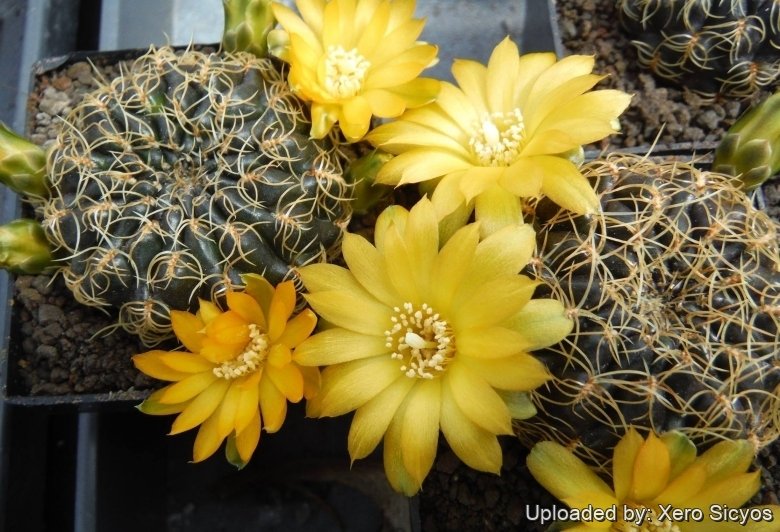
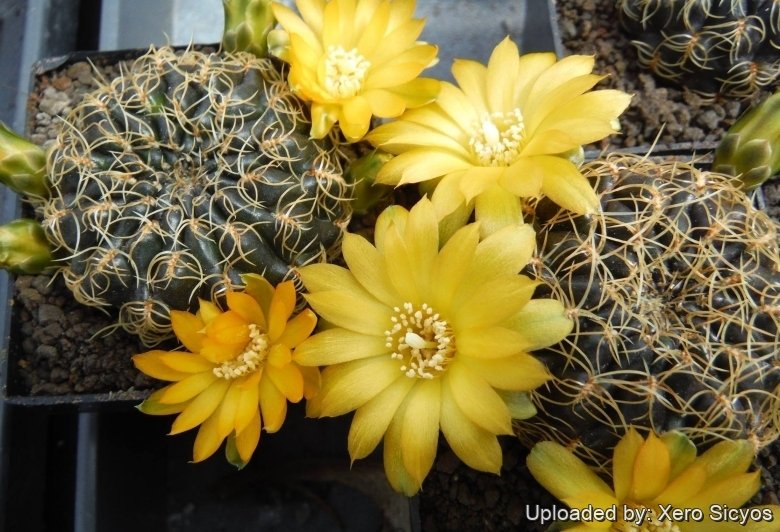
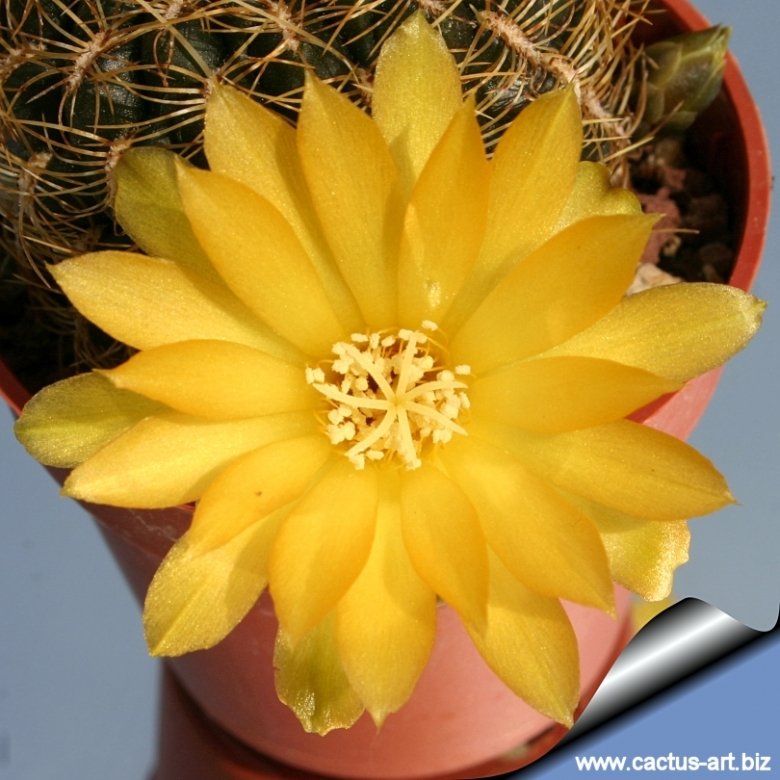
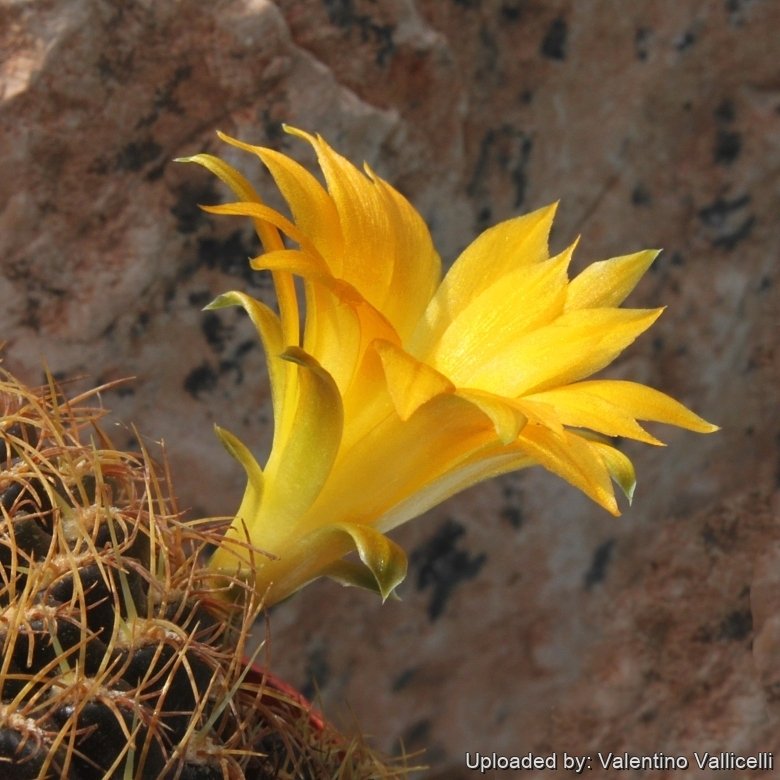
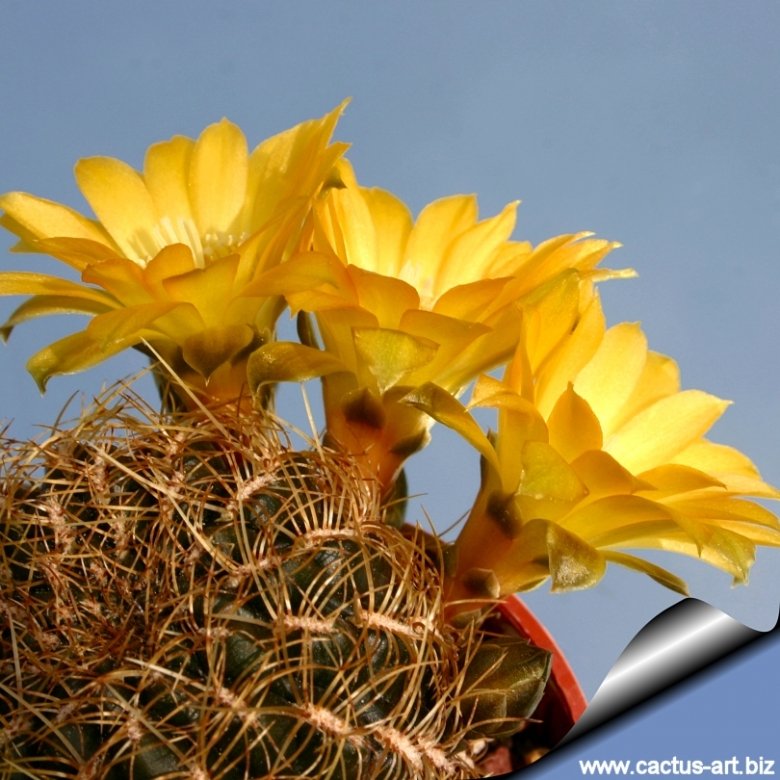
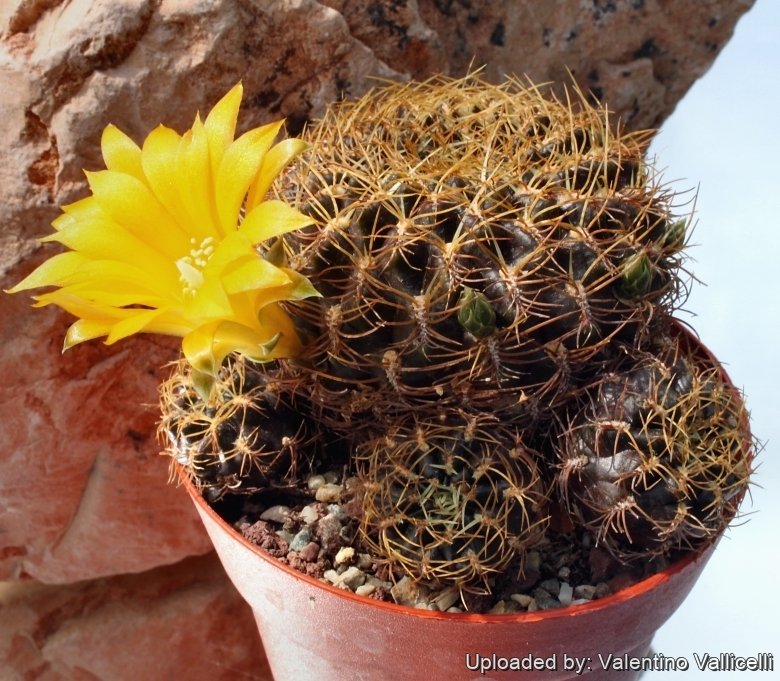
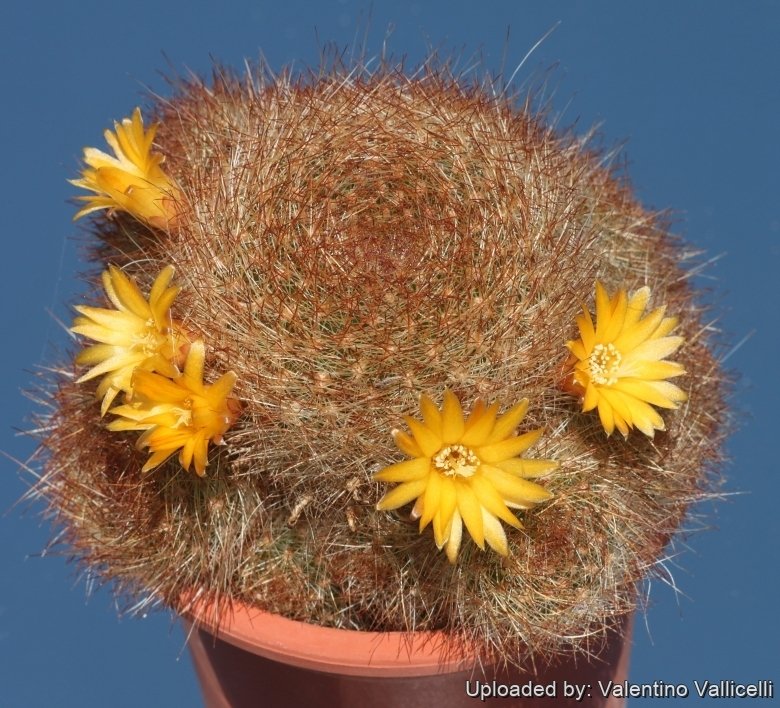
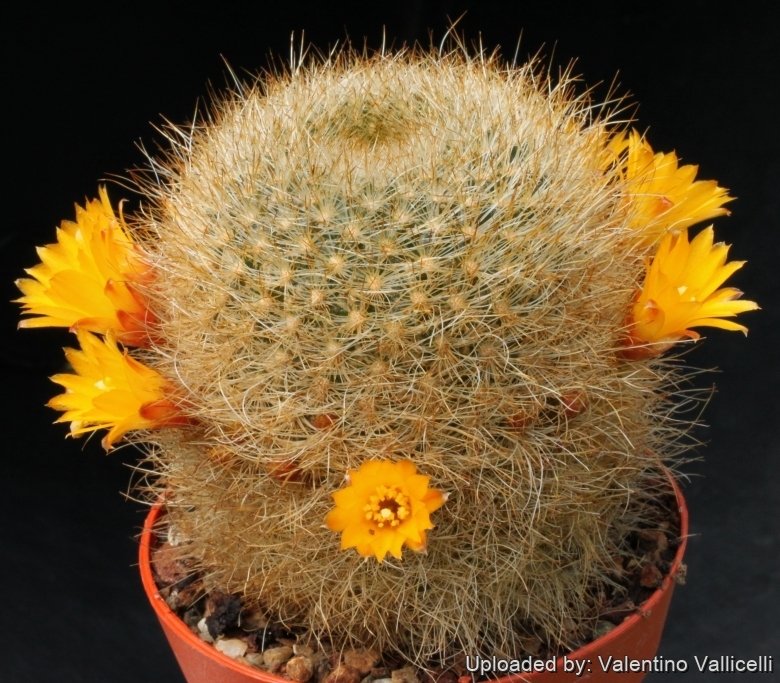
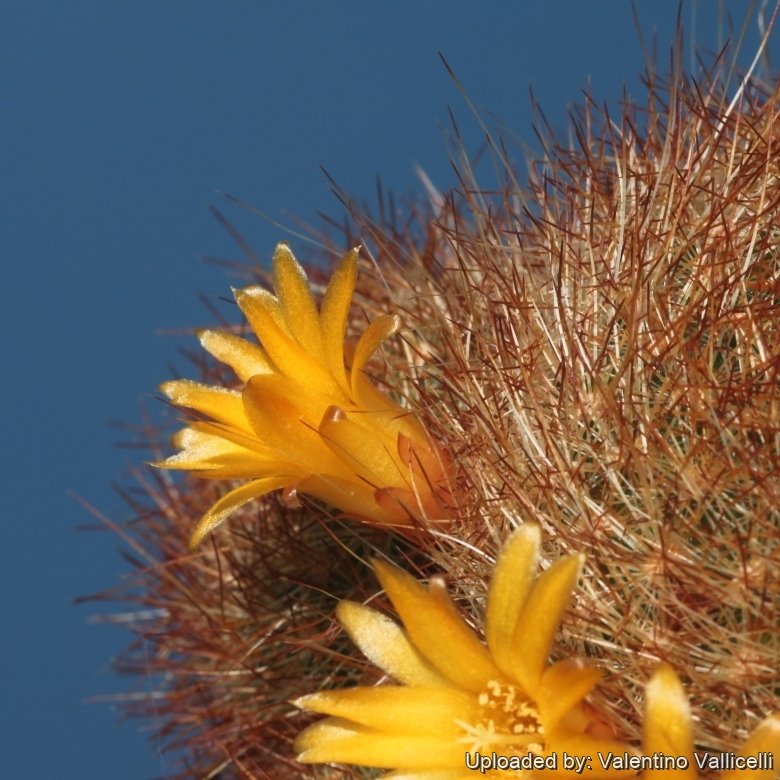
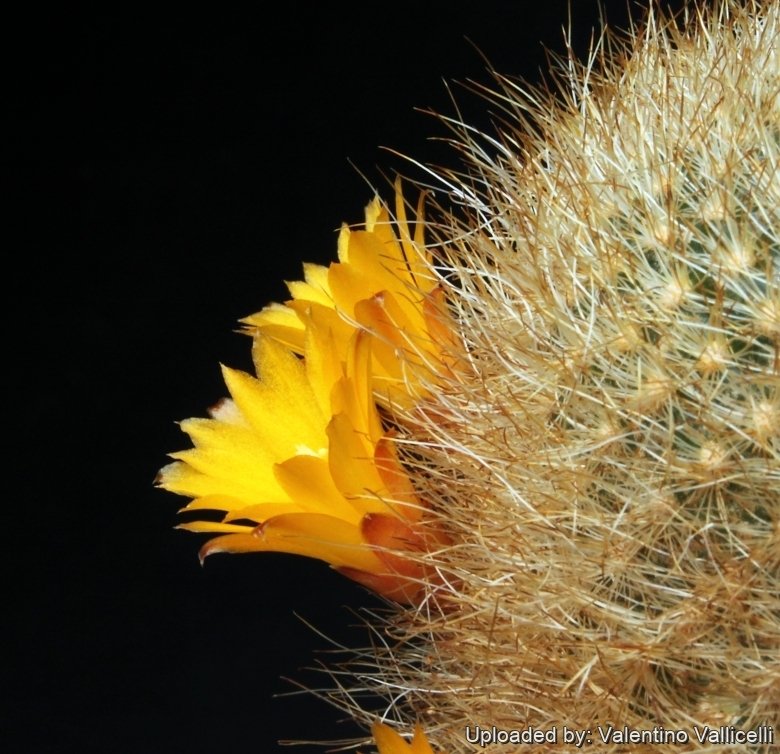
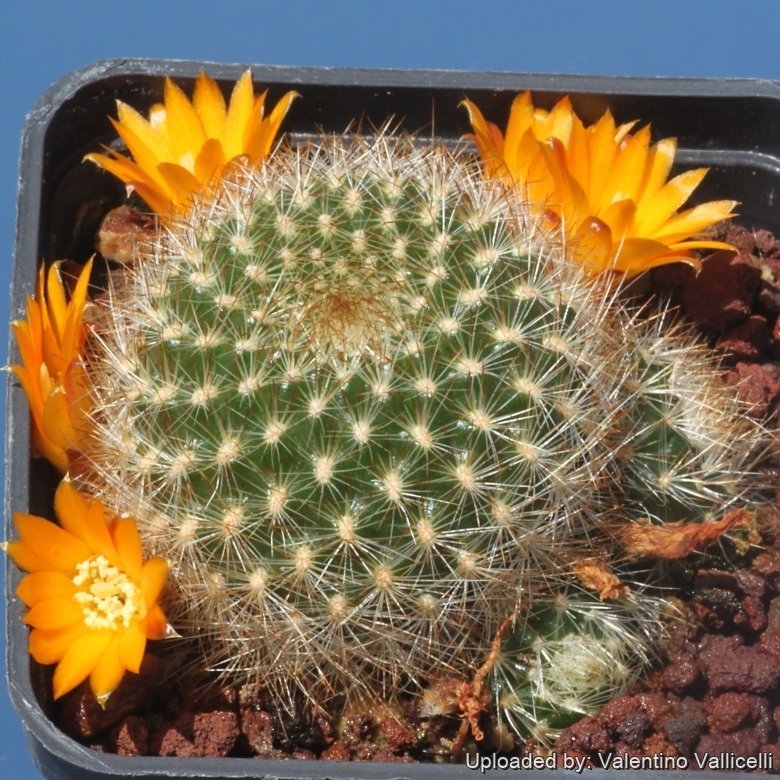
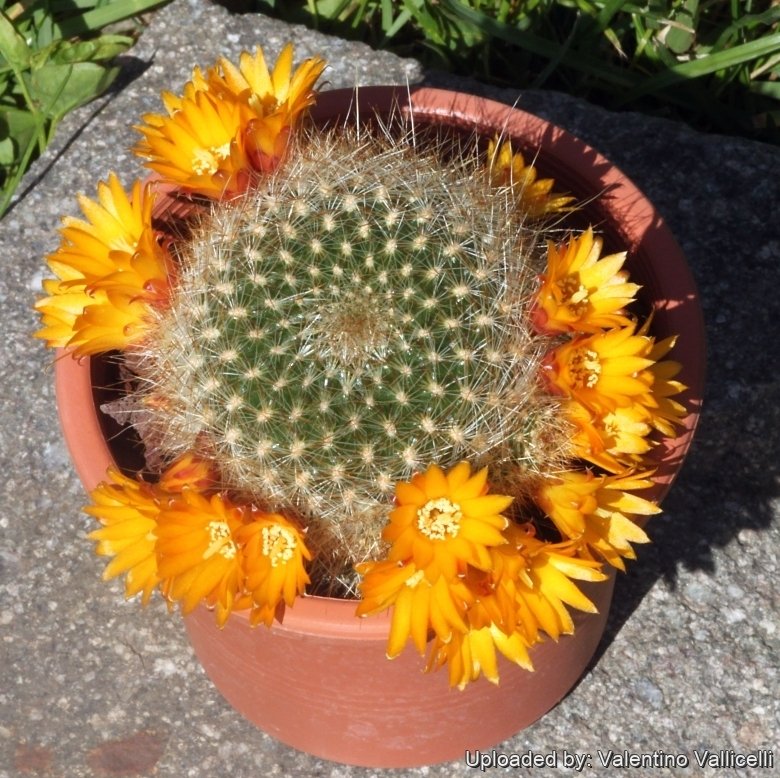
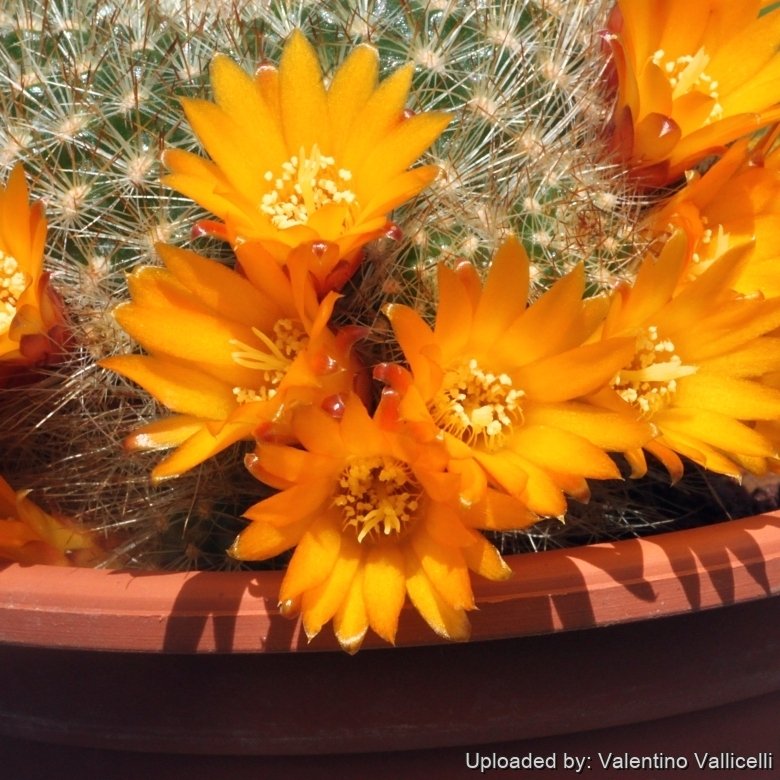
Rebutia arenacea, better known as SulcoSN’>15057’ alt=‘15080’>Rebutia arenacea#SN#15056’>Sulco[[Rebutia arenaceaSN’ style=‘border:none;’>, is a choice solitary user-friendly plant, with perfectly neat, symmetrical pectinate spination and profuse yellowish orange flowers. This cactus is indeed beautiful even without its blooms.
Habit: It is a low-growing geophytic, stem-succulent. The stems can form pups after a certain size and age.
Related species: It is closely allied and intergrades with Rebutia glomeriseta and Rebutia candiae that grows in the same area. They may all be different forms of the same polymorphic species.
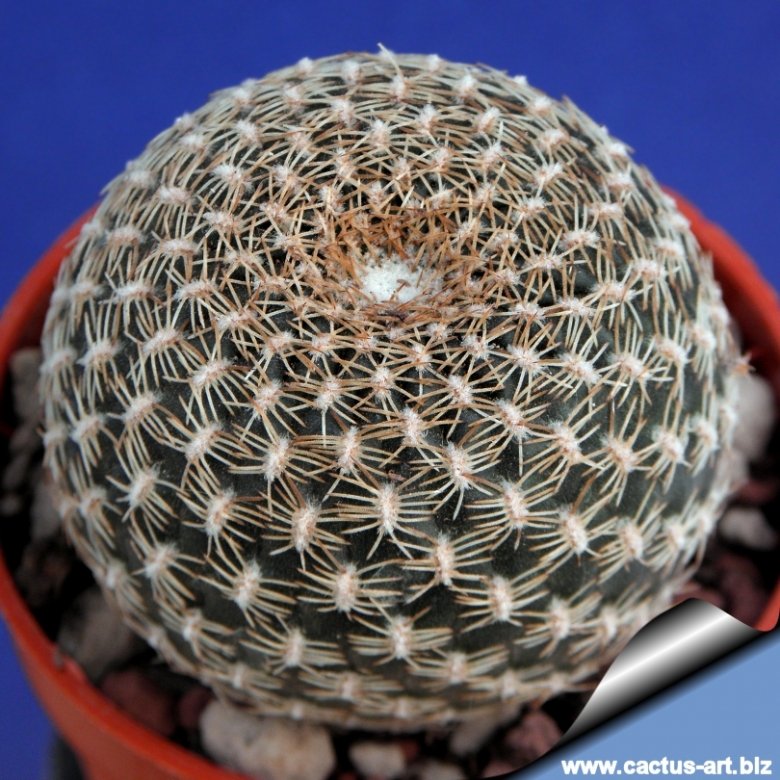
Stems: Globoid flat to the ground 2-4 cm tall 2,-6 cm in diameter, yellowish/greenish to brownish/purple, with about 30 spiralled and strong tuberculate ribs.
Areoles: Elongate, creamy grey.
Spines: 14-16, Tiny, up to 4(-5) mm long, minutely pubescent whitish yellowish, amber or tan smooth, pectinate held tightly that give a sandy effect.
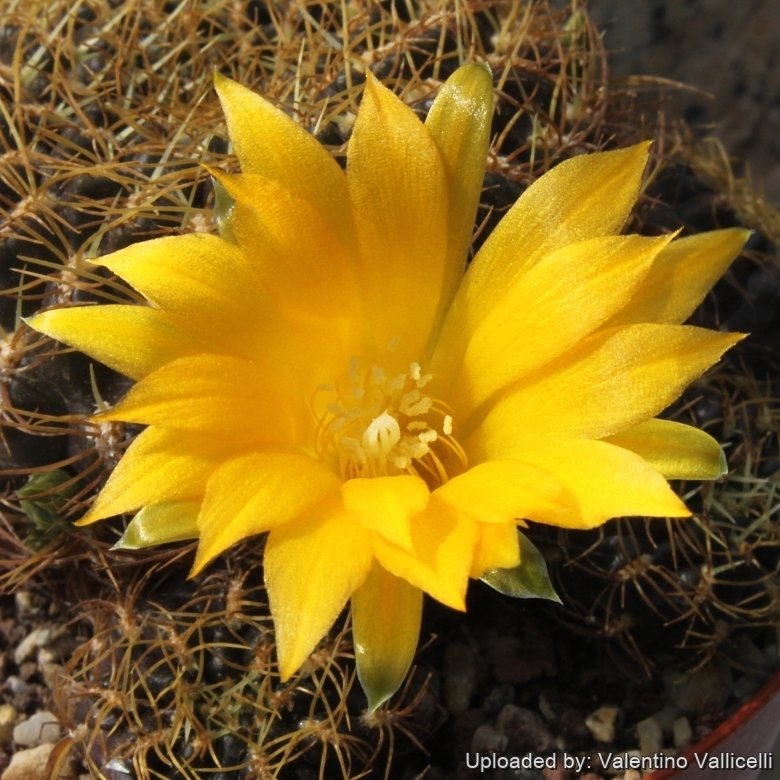
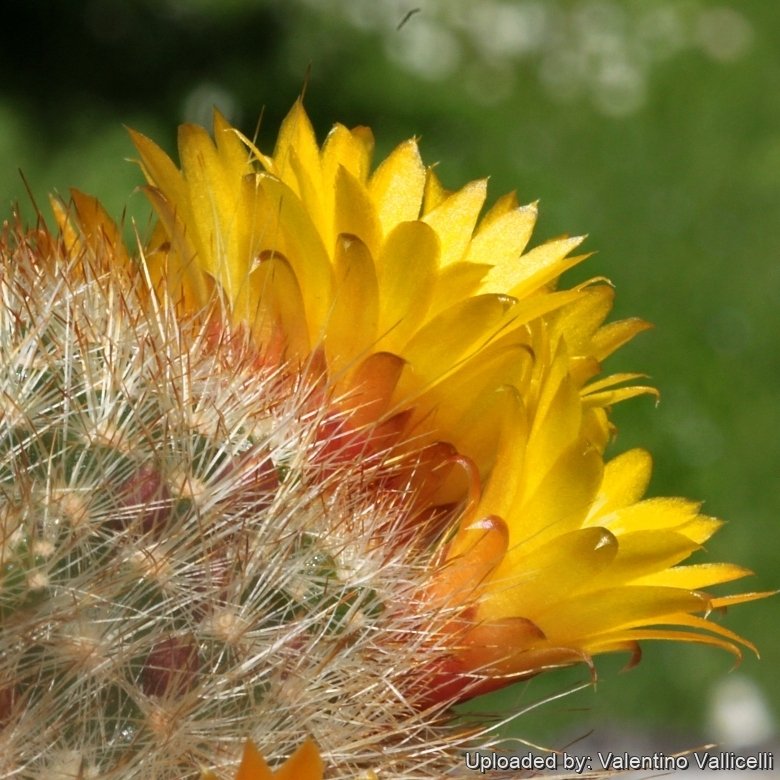
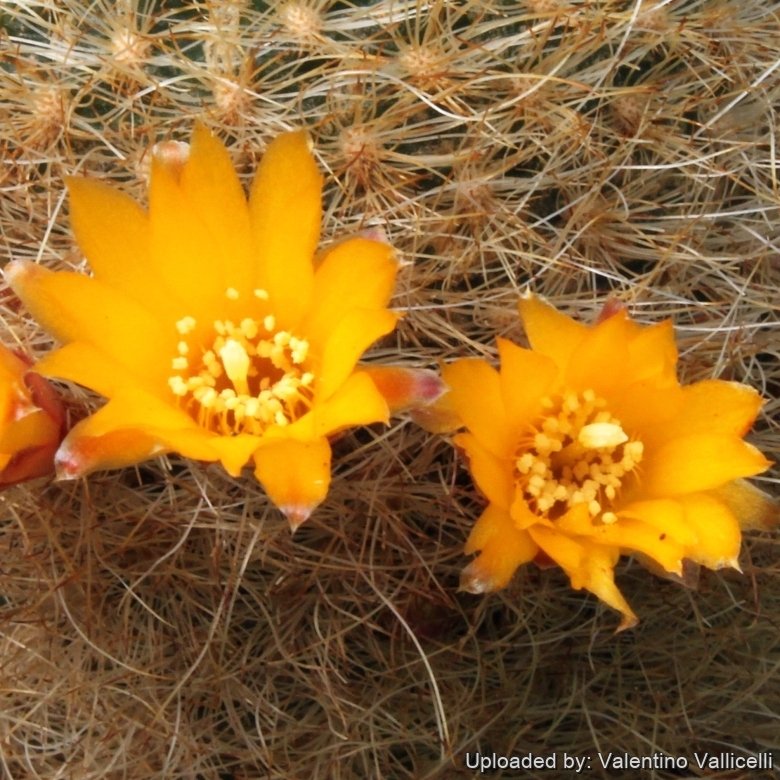
Flower: Very nice 2,5/3 cm large and long, yellow to yellowish-orange.
Blooming season: Late winter to spring.
Fruits: Reddish brown.
Origin and Habitat
Cochabamba, Bolivia, South America. The species has a very restricted range (area of occupancy <20km2 ) and it is known only from the type locality.
Altitude: 1,500-1,600 metres above sea level.
Habitat and Ecology: Rebutia arenacea grows in seasonally dry inter-Andean valley. The species is naturally scarce and near Threatened because there are no obvious threats affecting it. The plant is use as an ornamental in specialised collections, come from cultivation, not from wild populations.
Cultivation and Propagation
These mountainous plants have thick taproots and are susceptible to overwatering. They loves a very permeable, coarse mineral soil as well as to be strictly kept dry throughout the winter quiescent period since it is very sensitive to any moisture excesses, To prevent rottenness it is also advisable to surround its root neck by very rough sand or grit, this help a fast water drainage. They requires also an appropriate air circulation and are sometime grafted to avoid root problems. They need to be kept in a cool place during winter rest (at 0-10°C). This is important for the flowers ,as well as for their health. Without this cool winter period, they normally won’t get any buds.
Grafted plants are very easy to grow, and are quite frost hardy (-5° C) if kept dry. Needs a full sun exposure ( light shadow my be useful in the hottest summer days)
Propagation: Seed, cutting, grafting
Bibliography
Major references and further lectures
-
James Cullen, Sabina G. Knees, H. Suzanne Cubey “The European Garden Flora Flowering Plants: A Manual for the Identification of Plants Cultivated in Europe, Both Out-of-Doors and Under Glass” Cambridge University Press, 11/Aug./2011
-
David Hunt, Nigel Taylor “The New Cactus Lexicon” DH Books, 2006
-
Edward F. Anderson “The Cactus Family” Timber Press, 2001
-
Anderson E. F.: “The Cactus Family” Timber Press, Portland, Oregon, 2001
-
Ritter Fr.: “Kakteen in Südamerika” Spangenberg, 1980
-
John Pilbeam “Sulcorebutia and Weingartia: A Collector’s Guide” Timber Press, 1985
-
E Haustein “Der Kosmos Kakteenfuehrer (the Kosmos Cactus Guide)” Balogh Scientific Books 01 December 1998
-
Cullmann W., Götz E., Gröner G.”Kakteen: Kultur, Vermehrung und Pflege - Lexikon der Gattungen und Arten” Ulmer, Stuttgart, 1984
-
Lowry, M. & Carr, J. 2013. Rebutia arenacea. The IUCN Red List of Threatened Species. Version 2014.3. <www.iucnredlist.org>. Downloaded on 27 December 2014.
From llifle page Rebutia candiae
Description
Rebutia candiae, better known as SulcoSN’>15061’ alt=‘15056’>Rebutia candiae#SN#15059’>Sulco[[Rebutia candiaeSN’ style=‘border:none;’>, is very similar to Rebutia glomeriseta but has shorter, pectinate and bristly spines, interlecing creamy yellow to brownish. It is a choice solitary plant that produce profuse yellow flowers. This cactus is indeed beautiful even without its blooms.
Habit: It is a low-growing geophytic, stem-succulent. The stems can form pups after a certain size and age.
Related species: It is closely allied and intergrades with Rebutia menesesii and Rebutia arenacea that grows in the same area. They may all be different forms of the same polymorphic species. There is a wide range of forms amongst the members of the Rebutia arenacea group.
Stems: Globoid do depressed spherical, flat to the ground, apex umbilicate, 2-6 cm tall 4-5 cm in diameter (but often larger in cultivation), dark green, with about 15-20 spiralled and strong tuberculate ribs, 5 mm broad.
Areoles: Ellliptic, 2,5 mm long, creamy grey 3-8 mm apart.
Spines: 15-50, all radials, tiny, up to 2 cm long, bristle-like, pectinate, interlacing, pale yellowish, goldish, amber, brown or tan.
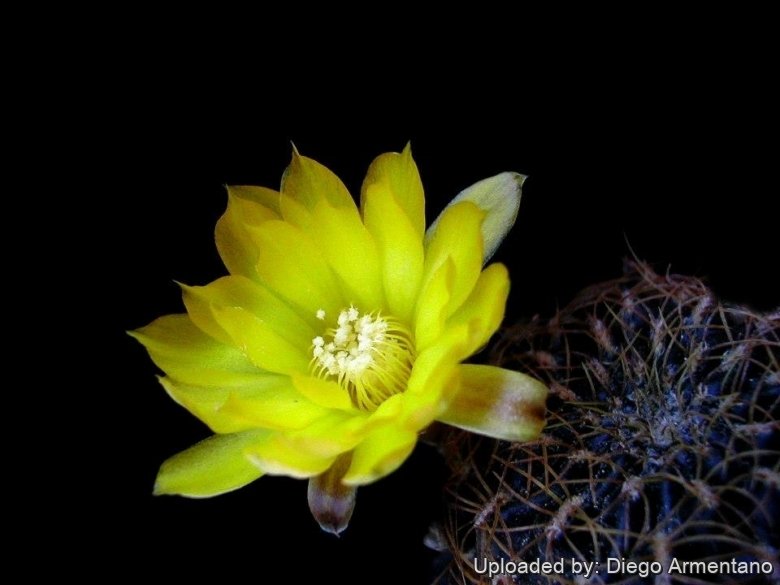
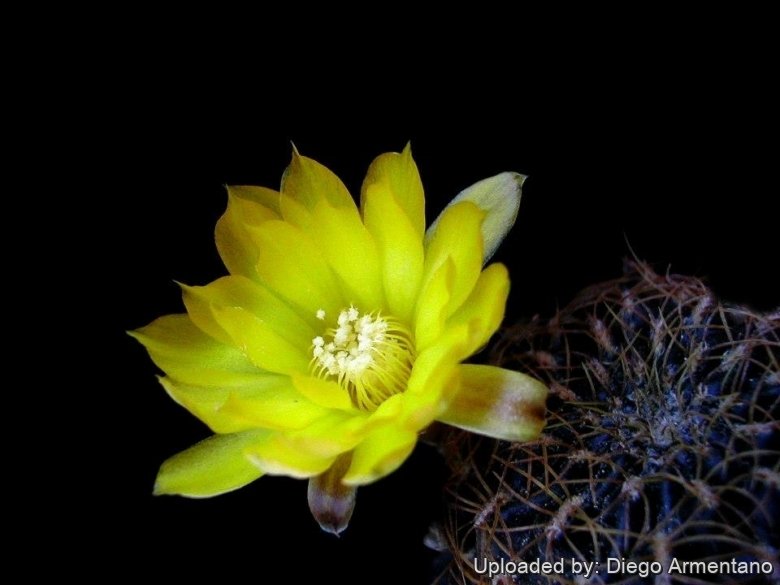
Flower: Very nice 2,5-3 cm tall and 1,5-3,5 in diameter, yellow to golden-yellow. Stamens in 2 series.
Blooming season: Late winter to spring.
Fruits: Reddish brown.
Origin and Habitat
Cochabamba, Bolivia, South America.
Altitude: 2100-3400 metres above sea level.
Bibliography
Major references and further lectures
-
James Cullen, Sabina G. Knees, H. Suzanne Cubey “The European Garden Flora Flowering Plants: A Manual for the Identification of Plants Cultivated in Europe, Both Out-of-Doors and Under Glass” Cambridge University Press, 11/Aug./2011
-
David Hunt, Nigel Taylor “The New Cactus Lexicon” DH Books, 2006
-
Edward F. Anderson “The Cactus Family” Timber Press, 2001
-
Anderson E. F.: “The Cactus Family” Timber Press, Portland, Oregon, 2001
-
Ritter Fr.: “Kakteen in Südamerika” Spangenberg, 1980
-
John Pilbeam “Sulcorebutia and Weingartia: A Collector’s Guide” Timber Press, 1985
-
E Haustein “Der Kosmos Kakteenfuehrer (the Kosmos Cactus Guide)” Balogh Scientific Books 01 December 1998
-
Cullmann W., Götz E., Gröner G.”Kakteen: Kultur, Vermehrung und Pflege - Lexikon der Gattungen und Arten” Ulmer, Stuttgart, 1984
Source: Rebutia candiae, LLIFLE - Encyclopedia of living forms, CC-BY-SA, retrieved 2026-10-25.
From llifle page Rebutia glomeriseta
Description
Rebutia glomeriseta, best known as SulcoSN’>15082’ alt=‘15064’>Rebutia glomeriseta#SN#15080’>Sulco[[Rebutia glomerisetaSN’ style=‘border:none;’> (Cárdenas) F.Ritter, is a small clustering cactus that produces dense clusters of vivid yellow blooms in spring. The stems can form pups after a certain size and age.
Related species: It is closely allied and intergrades with Rebutia menesesii and Rebutia arenacea that grows in the same area. They may all be different forms of the same polymorphic species.
Stem: Flattened-spherical (often becoming somewhat elongate in cultivation), dark green, growing up to 6 cm diameter.
Tubercles: In 15-20 spirals.
Areoles: Oval-elongate about 2-5 mm in diameter and spaced about 3-8 mm.
Spines: Not easily differentiable from radials and centrals, bristly, interlecing creamy yellow to brownish at first, then turning greysh.
Flowers: Golden Yellow to orangish 2,5-3 cm long, 1,5-3,5 cm in diameter; stamens in two series.
Blooming season: Late winter to spring.
Fruits: Reddish brown.
Origin and Habitat
Rebutia glomeriseta comes from the border area of Bolivia-Paraguay-Argentina
Type locality: Sucre, Rio Ayopaya Cochabamba, Bolivia.
Altitude: Grows at higher elevations over 1500 meters above sea level.
Source: Rebutia glomeriseta, LLIFLE - Encyclopedia of living forms, CC-BY-SA, retrieved 2026-10-25.
From llifle page Sulcorebutia menesesii var. muschii
Origin and Habitat
Bolivia (Western South America, Southern America)
Source: Sulcorebutia menesesii var. muschii, LLIFLE - Encyclopedia of living forms, CC-BY-SA, retrieved 2026-10-25.
Gallery