Description
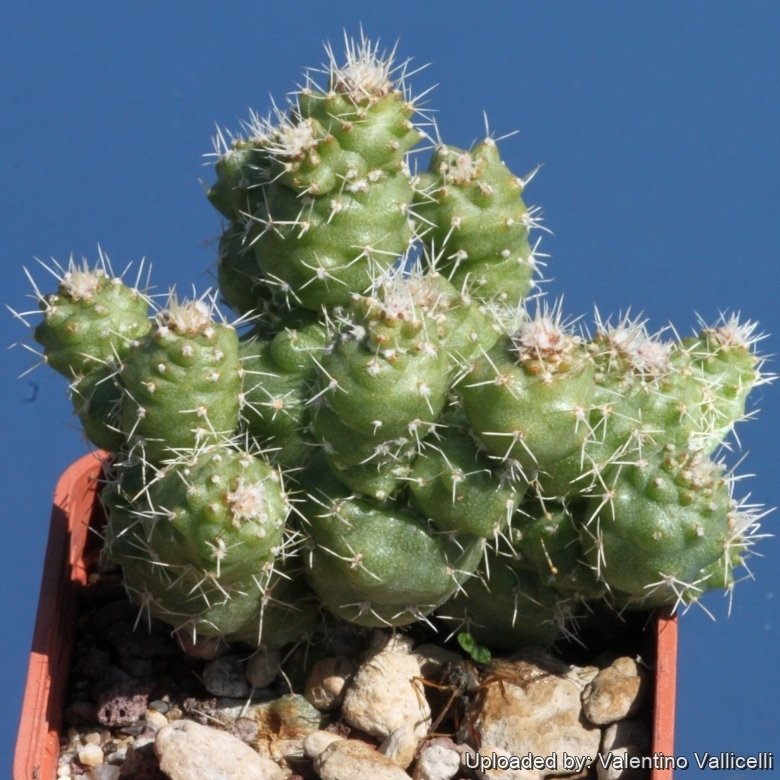
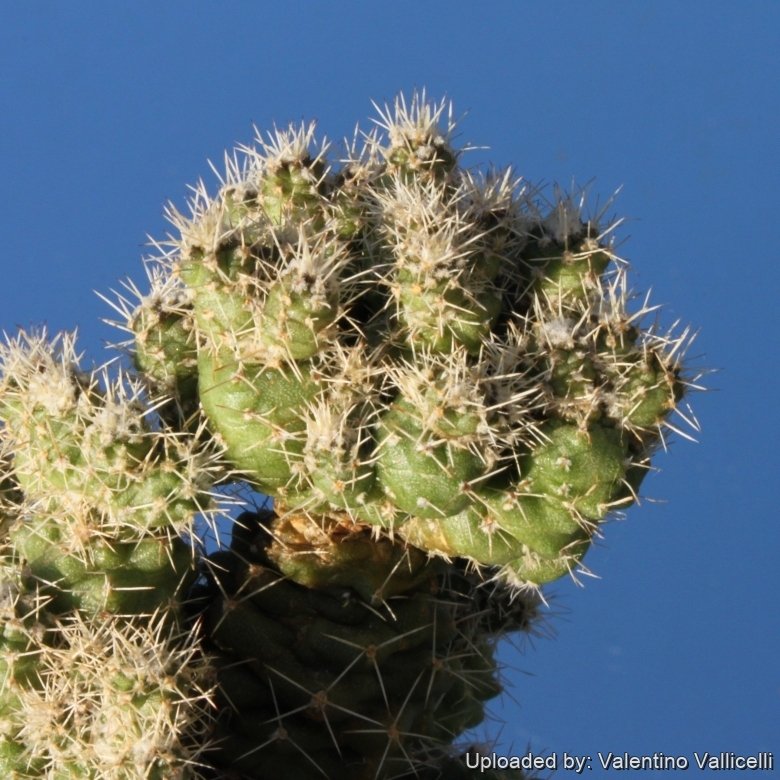
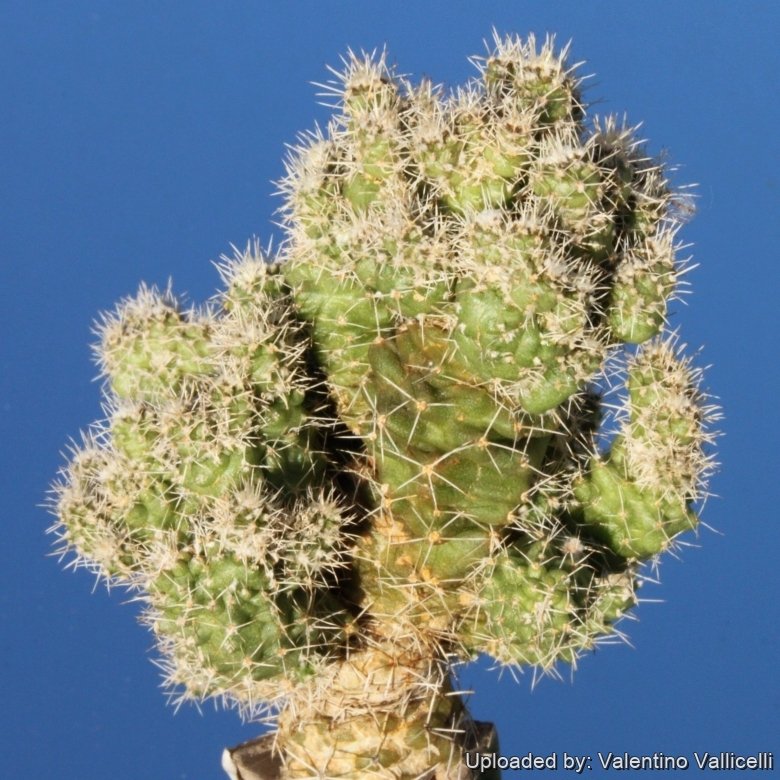
Thelocactus hastifer f. monstruosus is an odd proliferating form with green short stems with very short whitish bristles. It shows an abnormal uncoordinated form of vegetative growth, and produces a multitude of condensed lateral proliferation only a few centimetres long, and the plant looks more like a strange green coral than a cactus.
Origin and Habitat
Garden origin.
Cultivation and Propagation
Thelocactus hastifer is easy to grow, provided it is kept dry during autumn and winter.
Growth rate: Plants grow slowly but clusters freely in cultivation, if grown correctly, it will reward the grower with generous displays of flowers.
Potting medium: Use a cactus mix or add extra perlite or pumice to regular soil potting soil. A gritty, very free-draining compost is suitable, and clay pots help the plants to dry out between watering. For best results, use a deep pot.
Fertilization: Need a perfect fertilizer diet in summer. Use preferably a cacti and succulents fertilizer with high potassium content including all micro nutrients and trace elements or slow release fertilizer.
Watering Needs: Water normally in the growing season from March to October. No water should ever be allowed to stand around the roots. Keep almost completely dry in winter. The swollen caudex makes it very tolerant of under watering.
Hardiness: It is quite frost resistant if kept dry, hardy as low as -5° C. It can be grown outdoors in the summer months to benefit from direct exposure to light, and especially exposure to high summer temperatures. Recommended Temperature Zone: USDA 10-12.
Sun Exposure: It is essential to give full sun; otherwise they will become atypical. If grown in full sun, the new growth will flower profusely in spring and summer.
Rot: Rot is only a minor problem with thelocacti if the plants are watered and “aired” correctly. If they are not, fungicides won’t help all that much. The plant turns immediately to mush when over watered, or watered out of season. Care must be given in watering, keeping them warm and wet while growing, and cooler and dry when dormant.
Reproduction: Grafting or cuttings.