Description
This is a large suckering species with beautiful steel-blue foliage.
Stem: Stemless or short-stemmed.
Rosettes: Tight up to 1,8 m tall x 3 m wide.
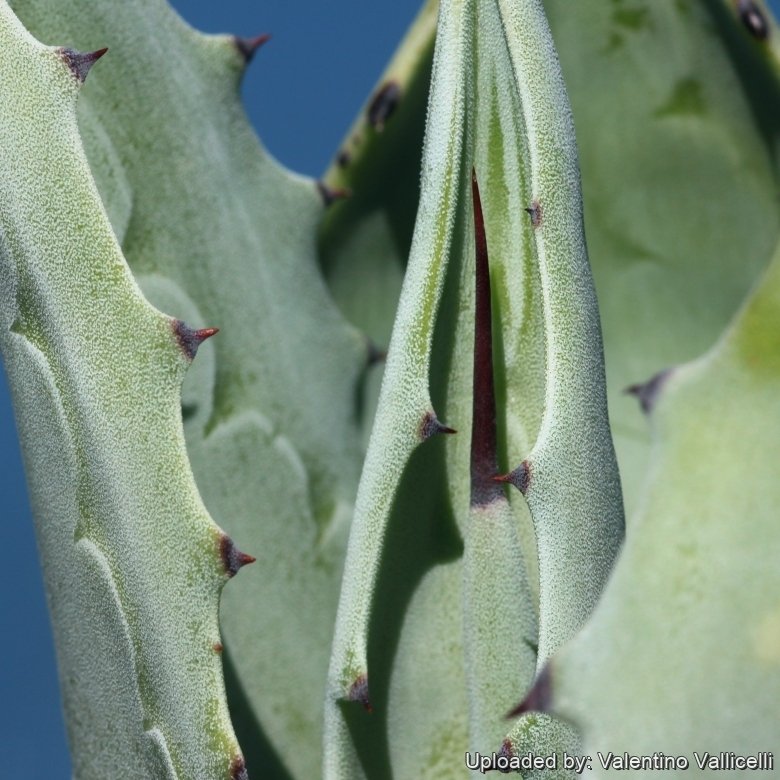
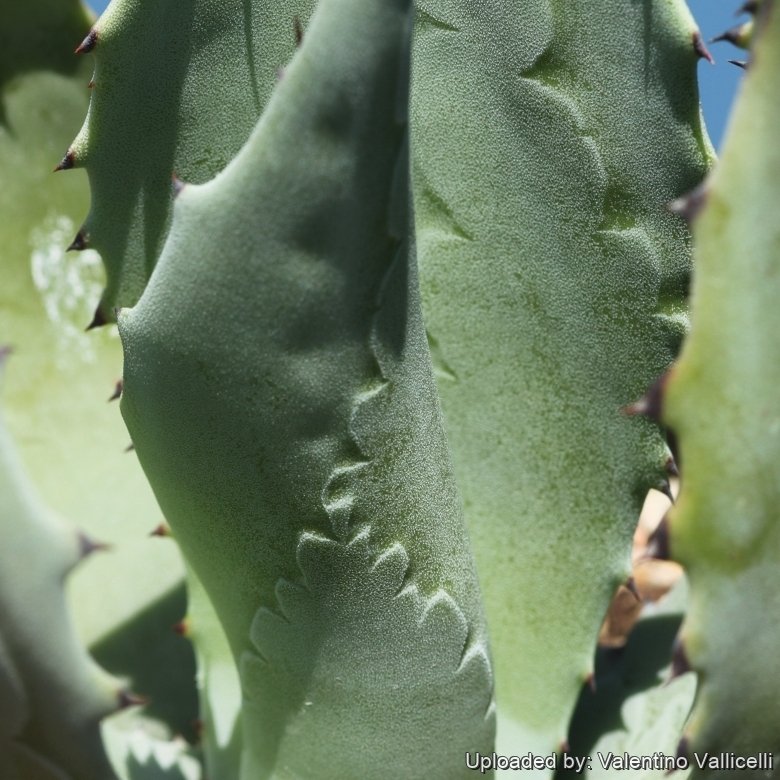
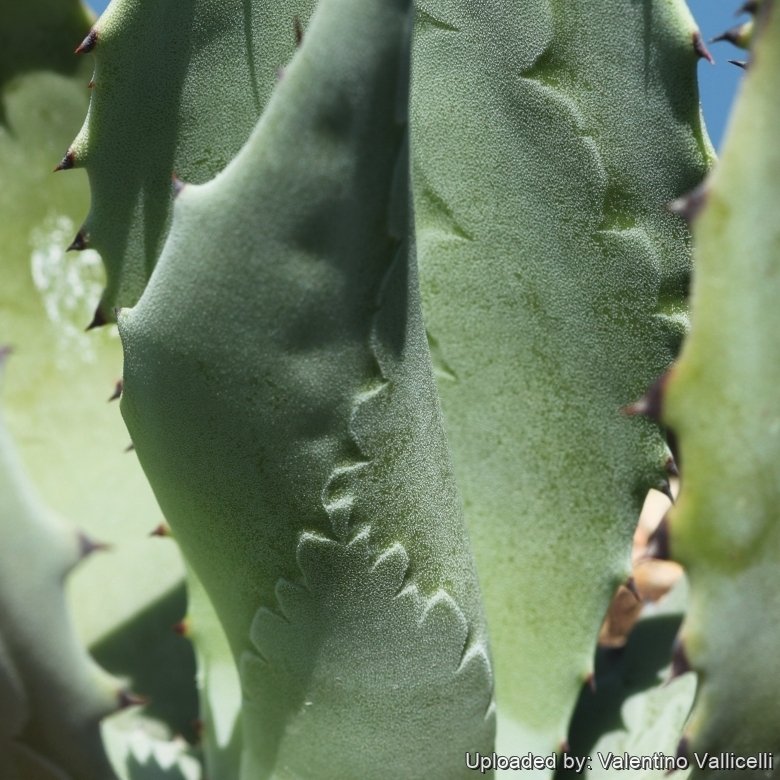
Leaves: Upright, rich glaucous blue with a wider blade than some clones.
Inflorescences: 6-8 m tall panicles; stalk with small bracts and with 15-20 wide-branching laterals in upper half (or third) of stalk.
Flowers: About 75-90 mm long, on slender pedicels; ovary 38-45 mm long, cylindric or fusiform; tube deeply funnelform, l5-20 mm long, thick walled, deeply grooved, tepals unequal, the outer 20-30 mm long; filaments 60-70 mm long; anthers 25-35 mm long, eccentric; capsules small, 3,5-4 x 1.6-2 cm, oblong, thin-walled, light brown, stipitate, short-beaked. Agave blooms attract hummingbirds.
Blooming season: Late spring to summer, often flowering after 8-20 (or more) years.
Origin and Habitat
It is a nursery selected clone derived from a seedling from a Yucca Do expedition near Cd. Victoria, Tamaulipas (Mexico)
Cultivation and Propagation
They are usually cultivated outdoors in rock gardens, in cactus and succulent gardens, in Mediterranean-style landscapes, in borders, or as a specimen. Need full sun and a very well-drained, slightly acidic, sandy or gravely soil. As an ornamental it is also grown in large containers where it stays much smaller than its outdoor brethren. It is hardy to about -9° to - 12° C, particularly when dry but it is best to avoid severe freezing temperatures. Keep it in a cool, frost-free area in winter and put it out on the balcony or patio in summer. It grows fairly fast in summer if provided with copious water but allows to dry thoroughly before watering again. During the winter months, one should only water enough to keep the leaves from shrivelling. They do well in full sun or a lightly shaded area.
Warning: It can get very large, and it is armed with needle-sharp spines.
Propagation: By suckers which often are found growing around the base of the plant. Remove the basal suckers (if available) in spring or summer and let the cuttings dry for a few days before inserting in compost.
Uses:
Landscape: These striking plants are wonderful when used for accent or simply to provide some all year round foliage and often used in a pot as a patio plant, can be moved around to change the scenery or position to give more shelter.