Description
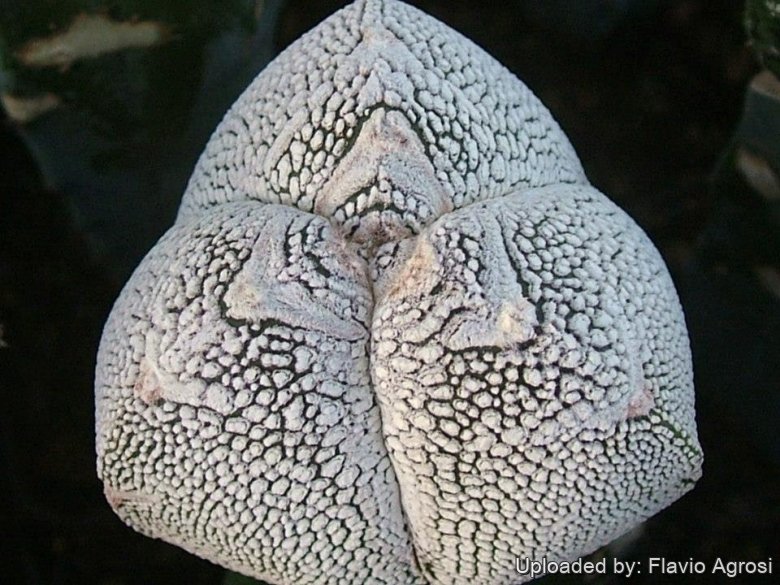
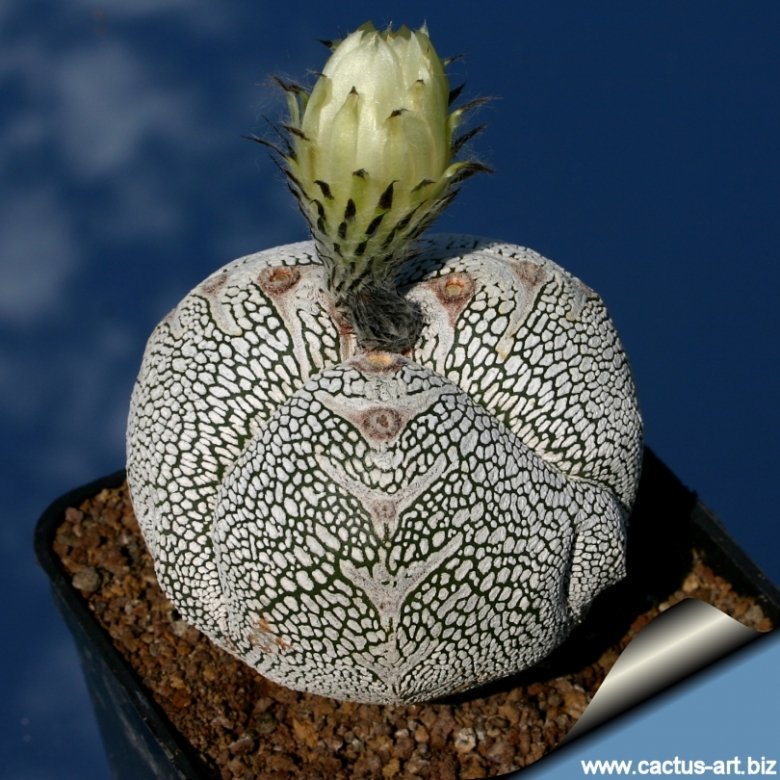
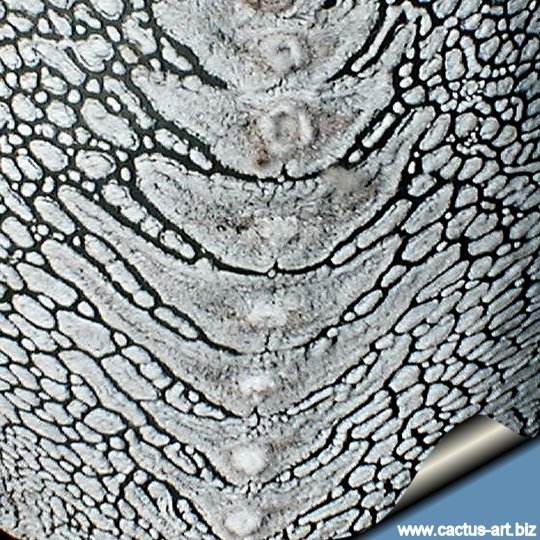
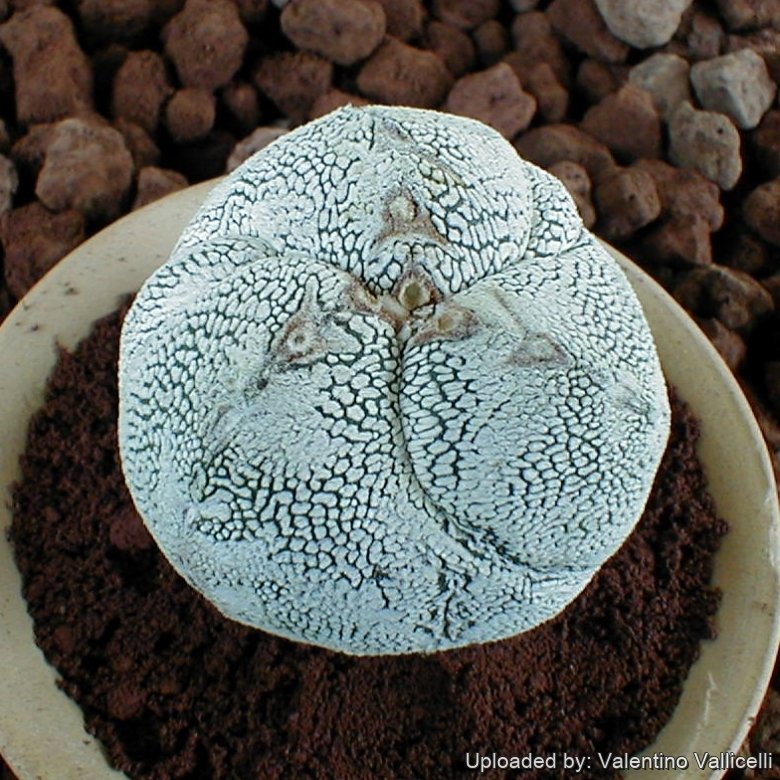
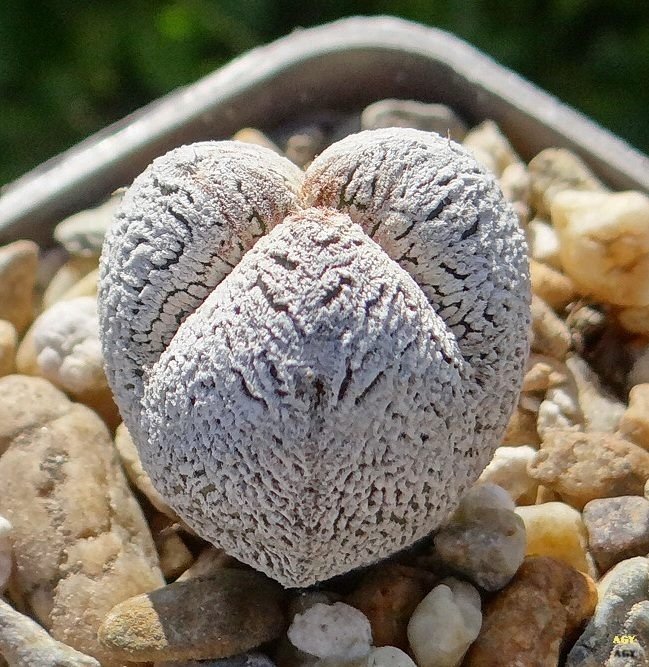
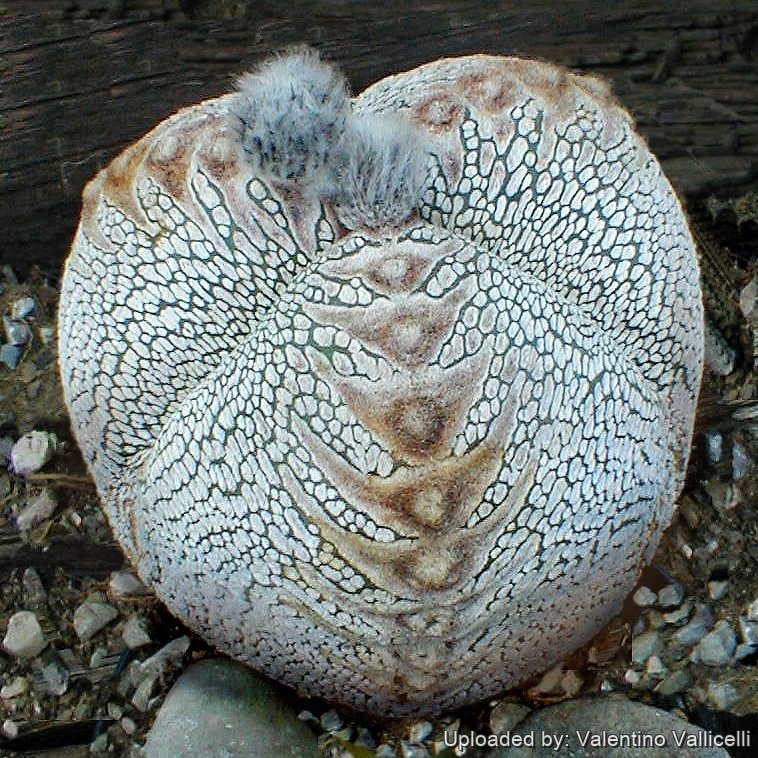
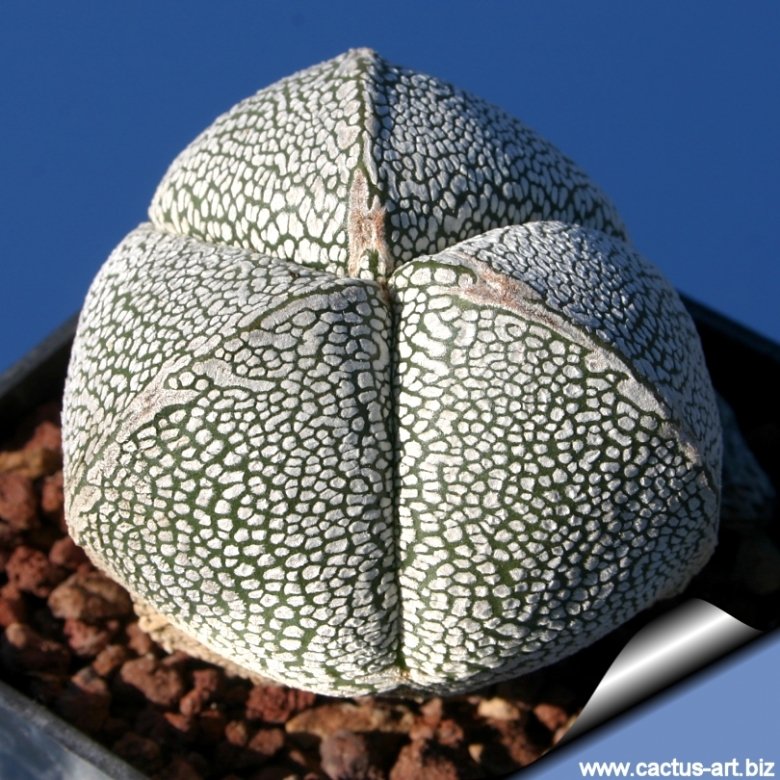
A. myriostigma cv Onzuka “tricostatum” with only three ribs - is one of the most sought after cacti, that have fabulous markings much like the ‘kabuto’ asterias. There is a variety of variations in ribs shape and in stems markings.
This cultivar tends to be unstable, and some of the three ribbed specimens develop additional ribs as they age. Old and big plants which maintain the typical three ribbed shape are very prized. If you are so inclined you can pay large sums of money for some of the best Japanese forms.
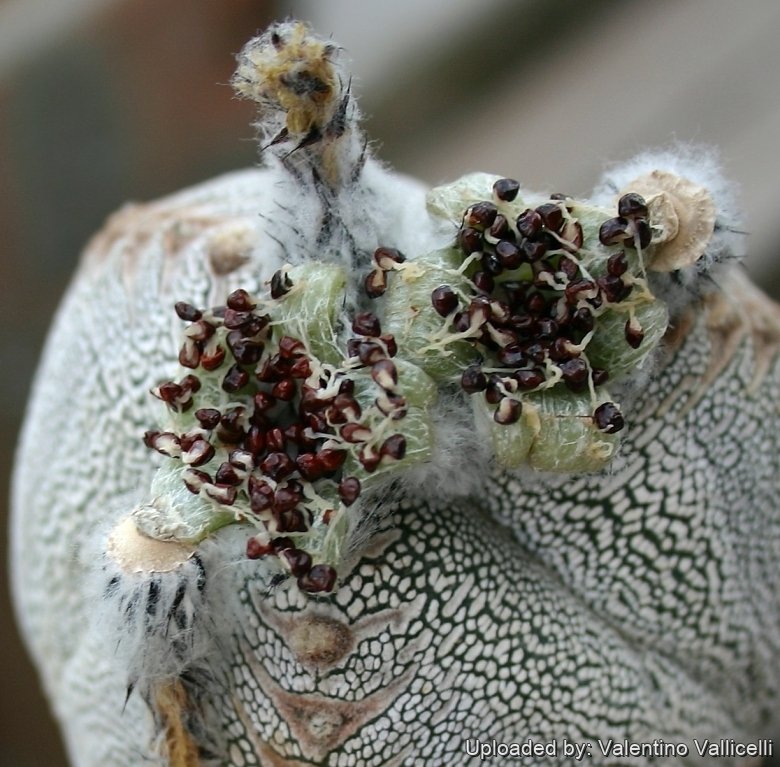
Flowers: arise from the areole at the tip of the stem on mature plant (at least 4-5 years old) they are large, funnel-shaped, yellow, 5-7 cm wide. Blooming intermittently throughout the warm months from spring to autumn.
Origin and Habitat
Japan, Garden origin (Nursery produced cultivar)
Cultivation and Propagation
Astrophytum myriostigma is a summer grower species relatively easy to grow. It is sometime seen as a grafted plant but grows very well on its own roots too.
Growth rate: It is a slow growing and easily flowering species.
Soil: Use mineral well permeable substratum with little organic matter (peat, humus), plants may become too elongated if compost is too rich.
Repotting: Re-pot every 2 years. Use pot with good drainage.
Fertilization: It grows much faster with a low nitrogen content fertilizer in spring and summer. Potassium helps maintaining the plants compact and healthy.
Watering: Requires careful watering to keep plant compact. Water sparingly from March till October, the thin, fibrous roots suffer if there is humidity, therefore the plant should be watered only when the surrounding terrain is dry. Keep dry as soon as the temperature starts dropping in October and keep it perfectly dry in winter at temperatures from 5 to 15 degrees centigrade.
Hardiness: They need to be kept in a cool place during winter rest and are somewhat resistant to frost if kept on the dry side prior to, and during, cold weather (due to the altitude they are hardy to -5 C ° C, or less for short periods). Although it is one of the easier Astrophytum to grow, it tends to rot in winter during the resting phase, if kept wet. In the rest period no high atmospheric humidity!!
Sun Exposure: Light shade to full sun, its colour tends to richer and darker when grown in light shade.
Uses: It is an excellent plant for container growing. It always looks good and stays small.
Pests & diseases: It may be attractive to a variety of insects, but plants in good condition should be nearly pest-free, particularly if they are grown in a mineral potting-mix, with good exposure and ventilation. Nonetheless, there are several pests to watch for:
- Red spiders: Red spiders may be effectively rubbed up by watering the infested plants from above.
- Mealy bugs: Mealy bugs occasionally develop aerial into the new growth among the wool with disfiguring results, but the worst types develop underground on the roots and are invisible except by their effects.
- Scales: Scales are rarely a problem.
- Rot: Rot is only a minor problem with cacti if the plants are watered and “aired” correctly. If they are not, fungicides won’t help all that much. To prevent rottenness it is also advisable to surround its root neck by very rough sand or grit, this help a fast water drainage.
Propagation: Almost exclusively by seed. Plants are sometimes grafted onto column-shaped cacti. Cutting scions from a flourishing plant is almost a crime because the scions do not root easily.
Remarks: This quite variable plant has been widely grown for years and is now available in several cultivated variety and several breeds do exist. The famous “Onzuka” is only one of these and though maybe the most beautiful, but a lot of other forms are represented in many collections.
Be careful: The epidermis of ONZUKA is harder than in the normal myriostigmas and cracks easily if plants are overwatered.
Propagation: By seeds, remembering that seedlings dislike strong light and dry conditions and need to be repotted frequently. Eventually, as they become mature, they attain a maximum size of 8-10 cm (20) cm in diameter. However, old plants become senile and have a tendency to succumb to disease and a weak root system. At this stage, as is well known, they die suddenly. So, after they reach 10 cm in diameter grow them slowly, and adopt a new repotting period, using intervals of every 2 - 3 years. Additionally grow them under drier conditions or with stronger sunlight.
But plants are often grafted to accelerate growth as they would generally take at least a five years to reach maturity on their own, but the grafted plants are typical rather tall growing, compared with plants on their own roots that are usually more flat to the ground.
Gallery