Publication: Cactaceae Consensus Init. 3:9. 1997
Description
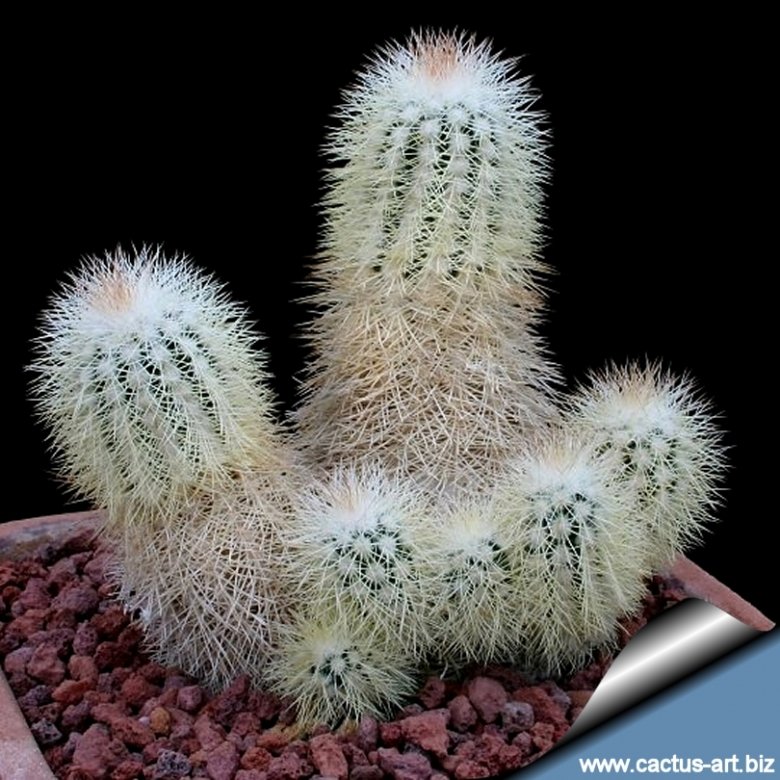
Solitary or branching from the base.
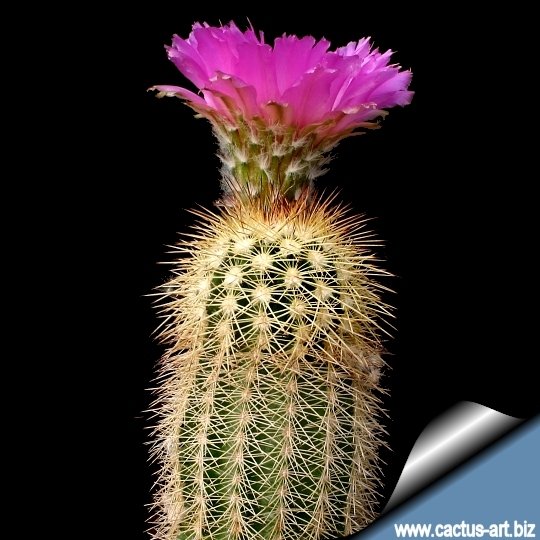
Stems: Cylindrical 10-20(40) cm tall 4-10 cm in diameter.
Ribs: About 15 acute, slender or sometimes arranged spirally, bearing oval areoles.
Central spines: No central spine.
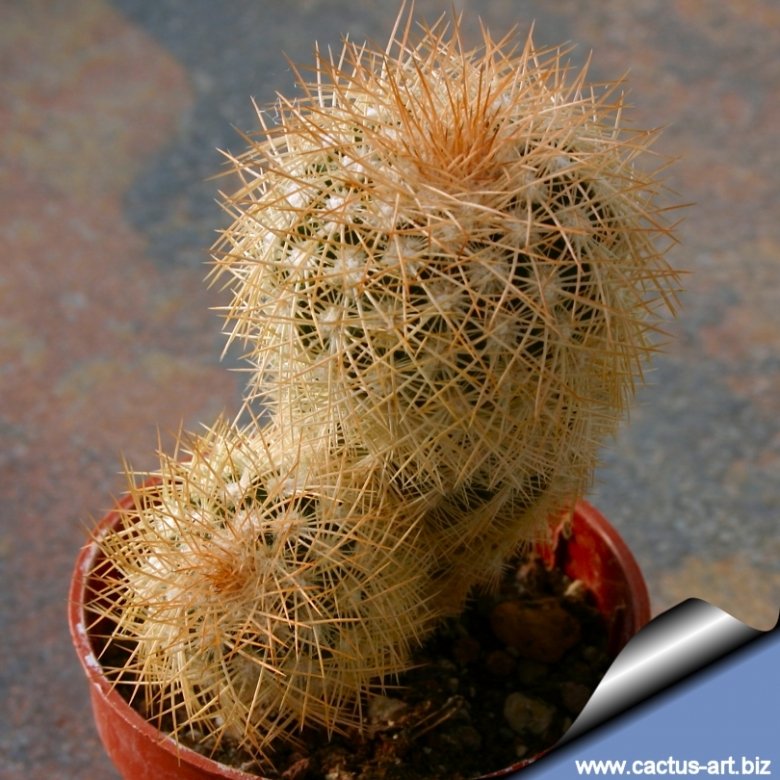
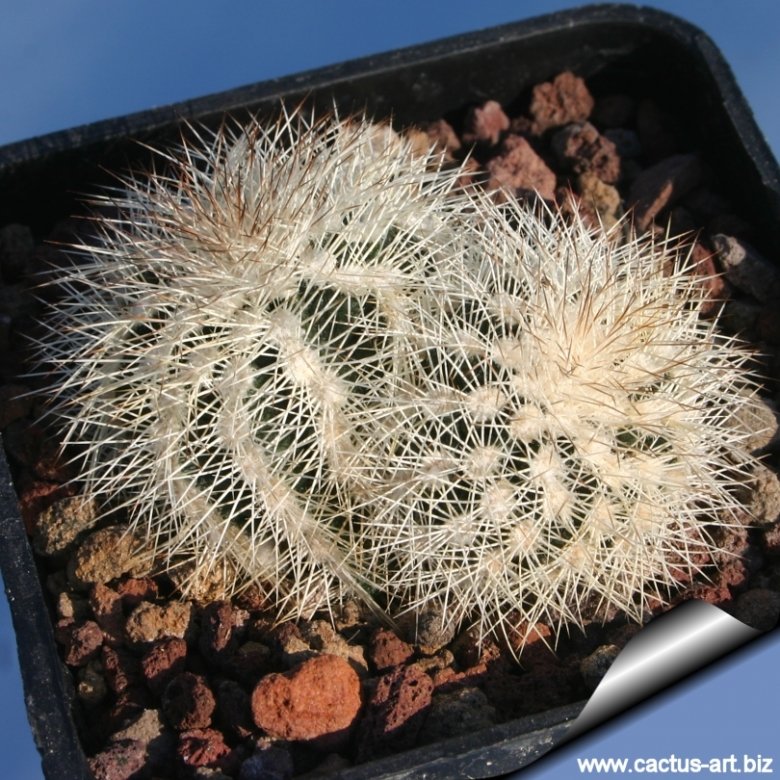
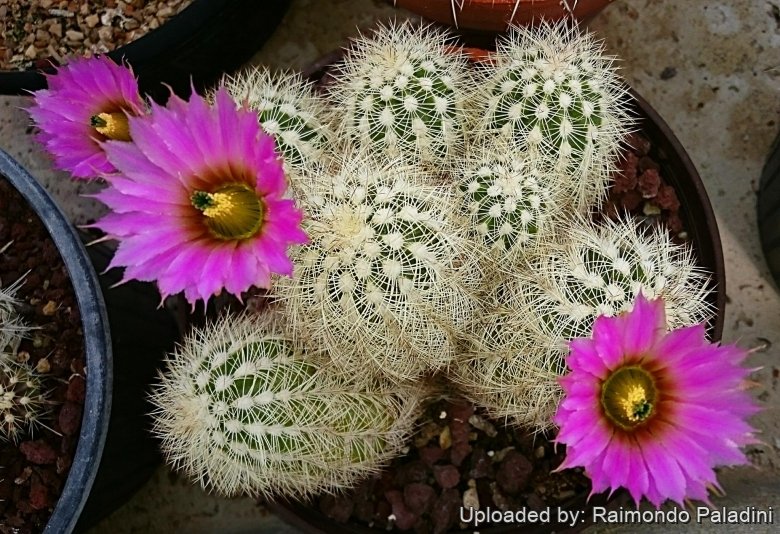
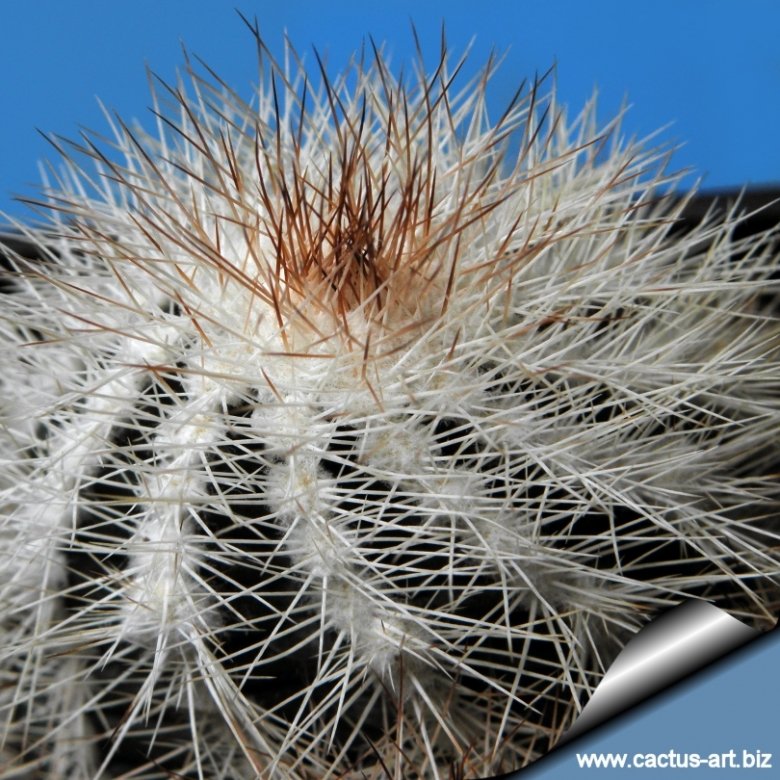
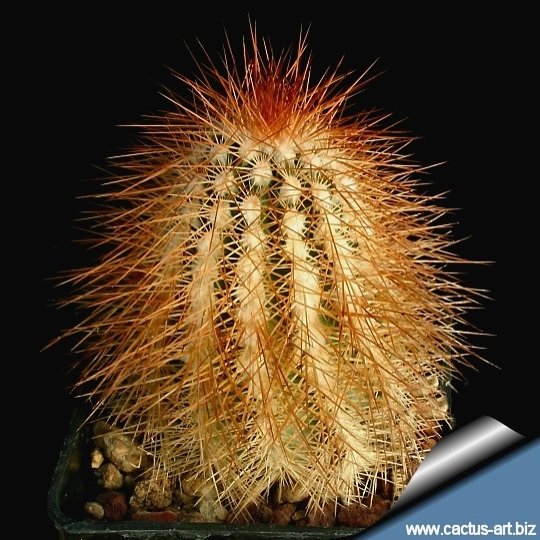
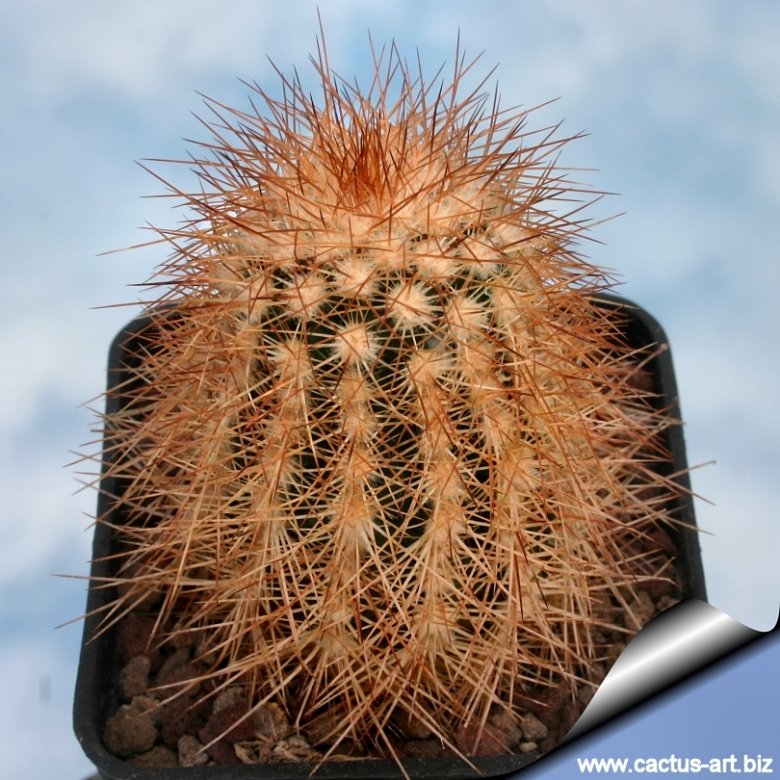
Radial spines: about 16 needle-shaped, bristly spreading which point outward and downward, white, yellow, reddish, brownish or pinkish, 1-3 cm long.
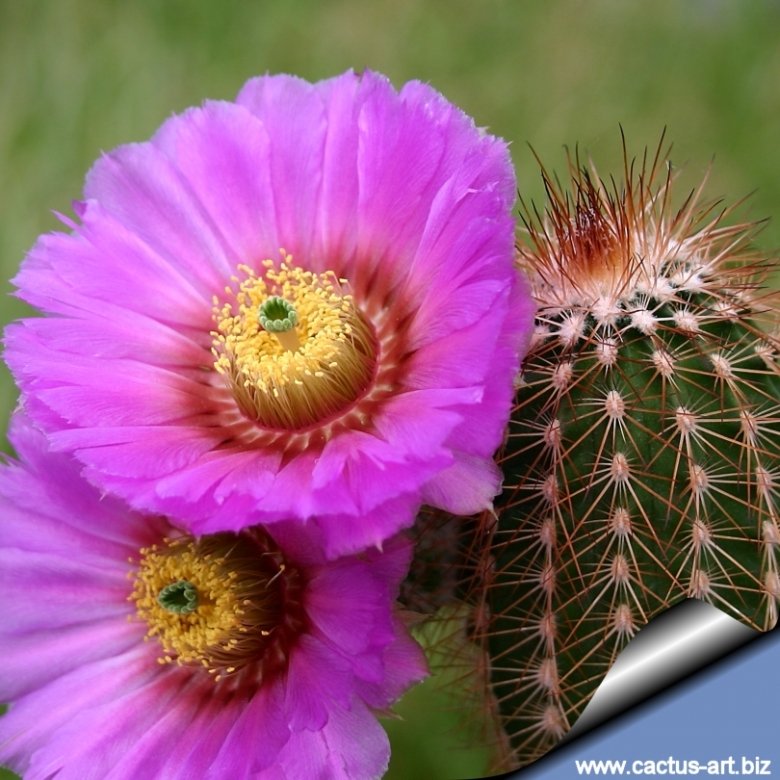
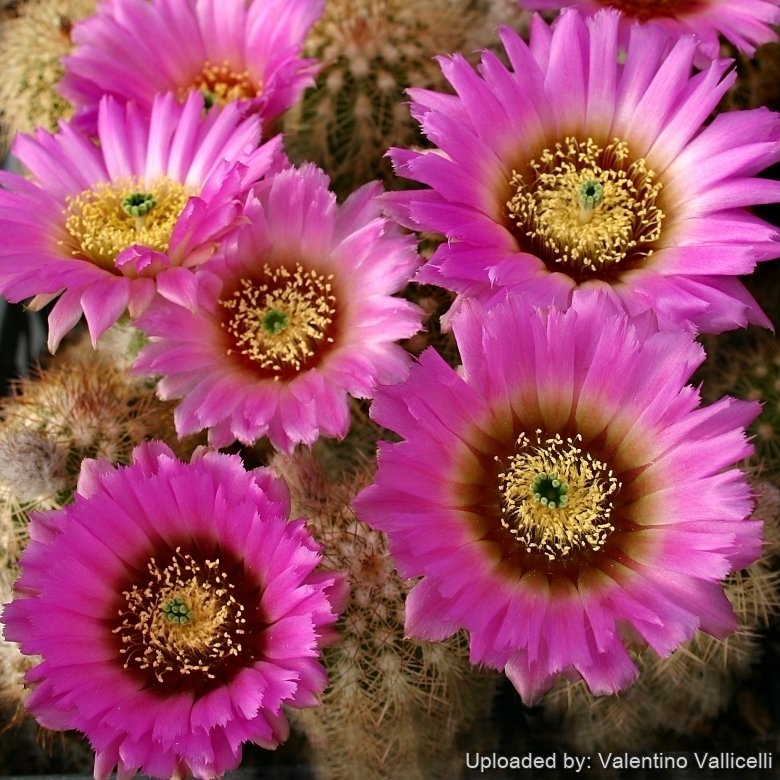
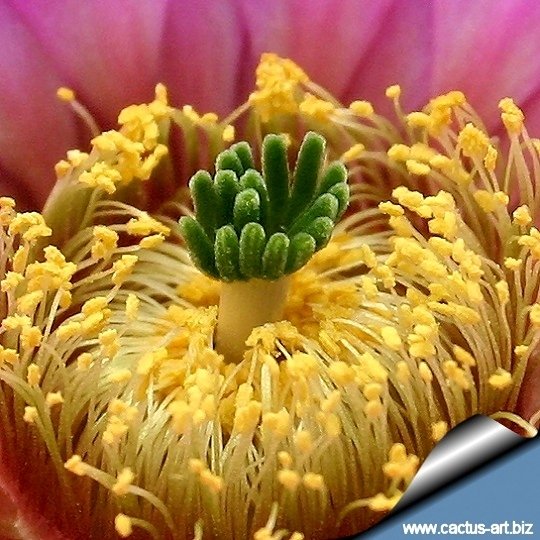
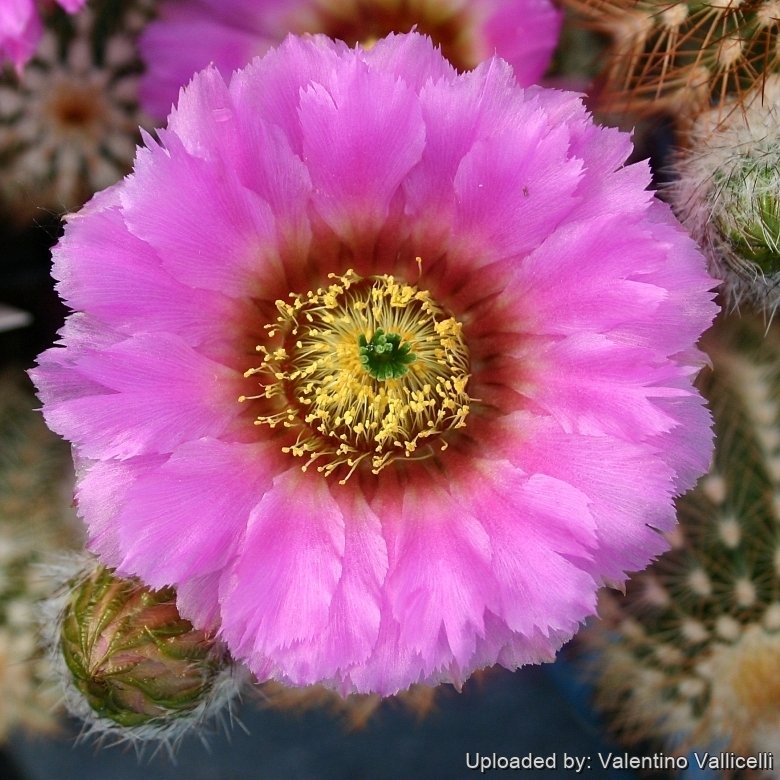
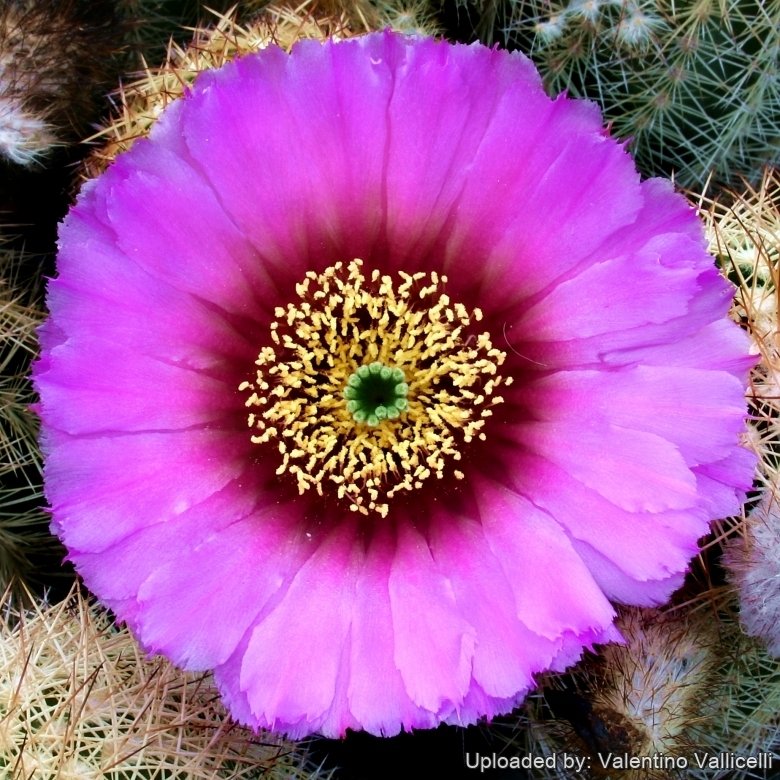
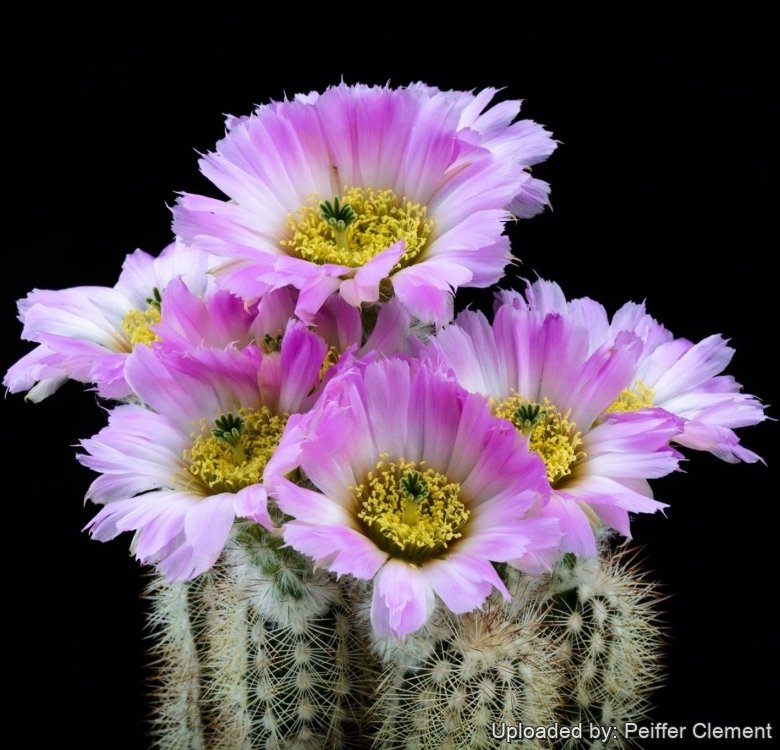
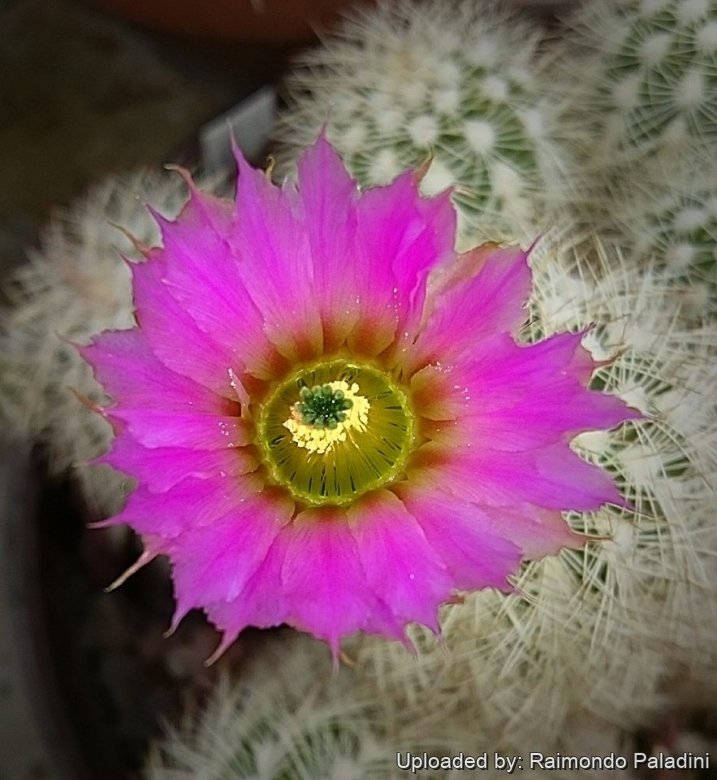
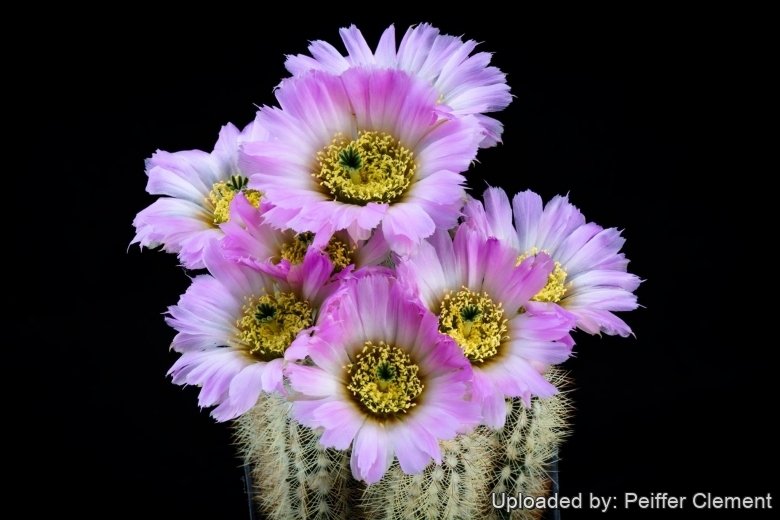
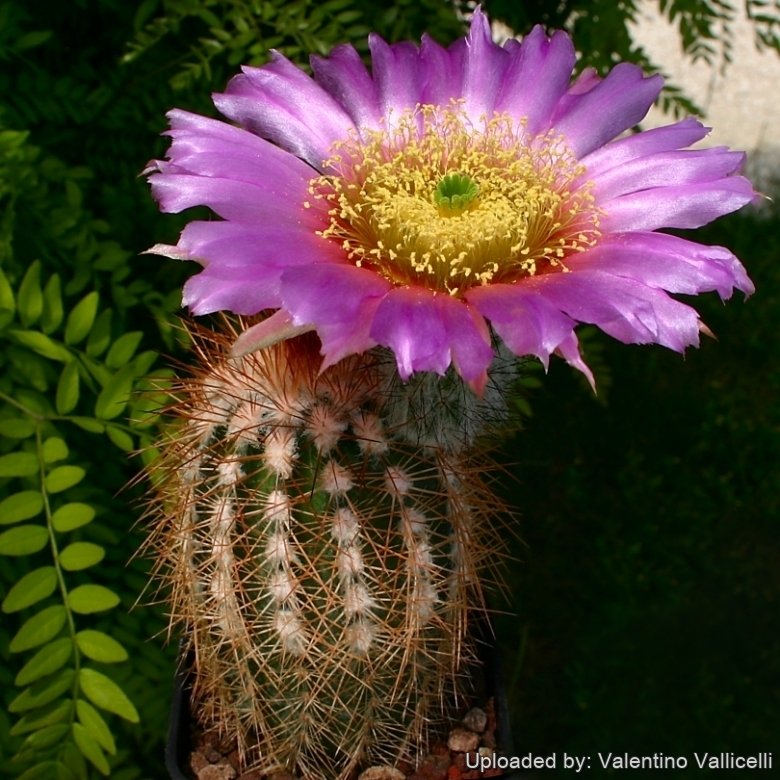
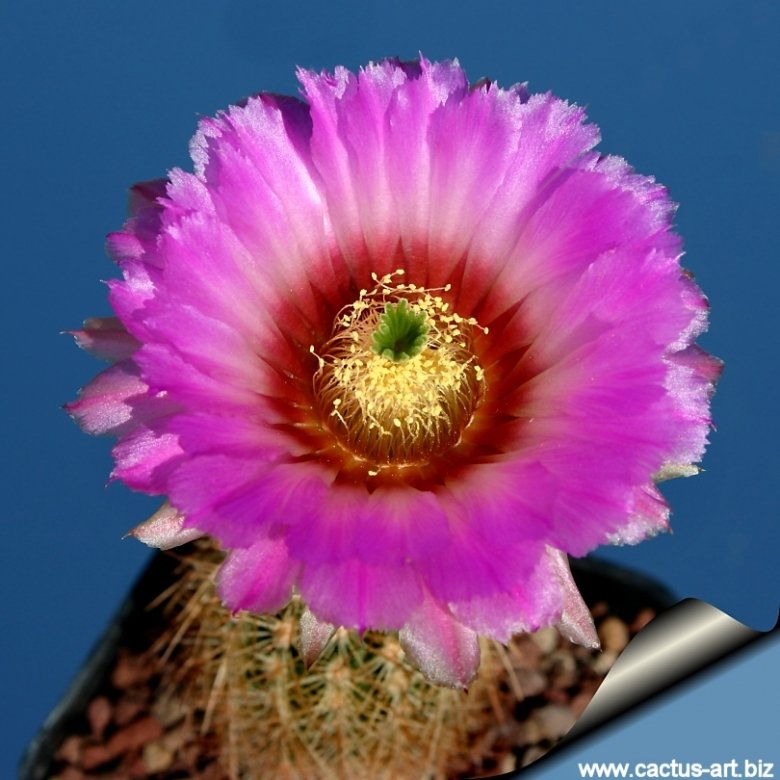
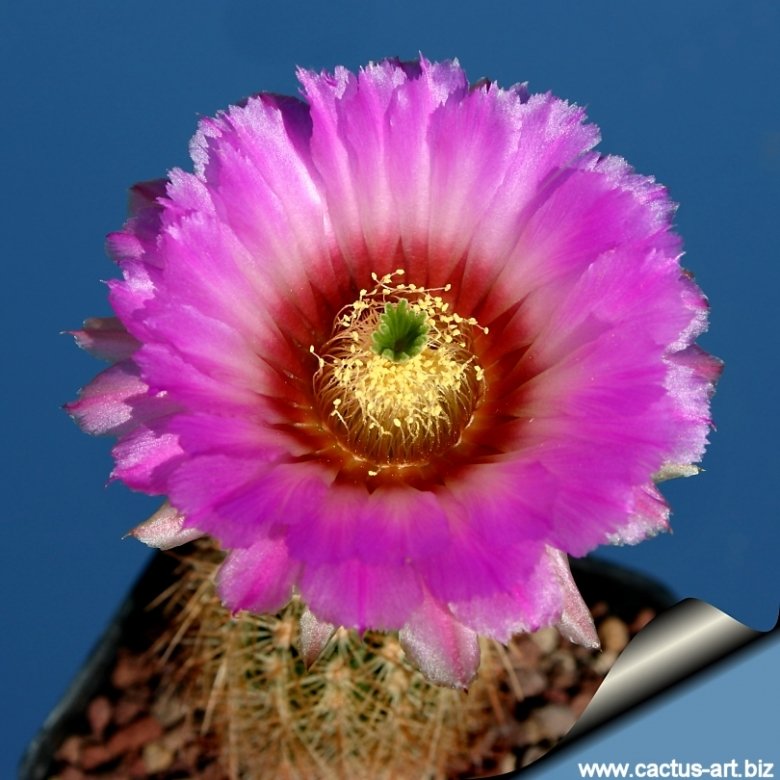
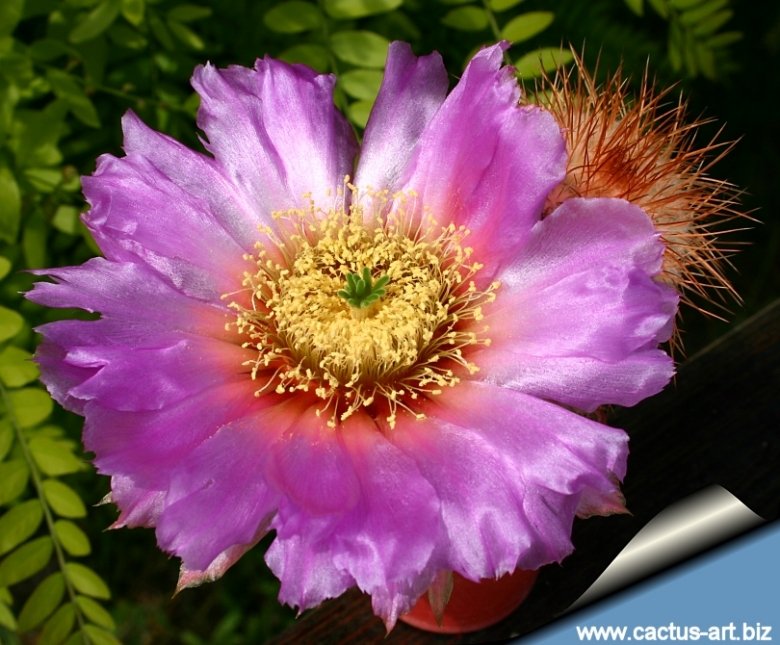
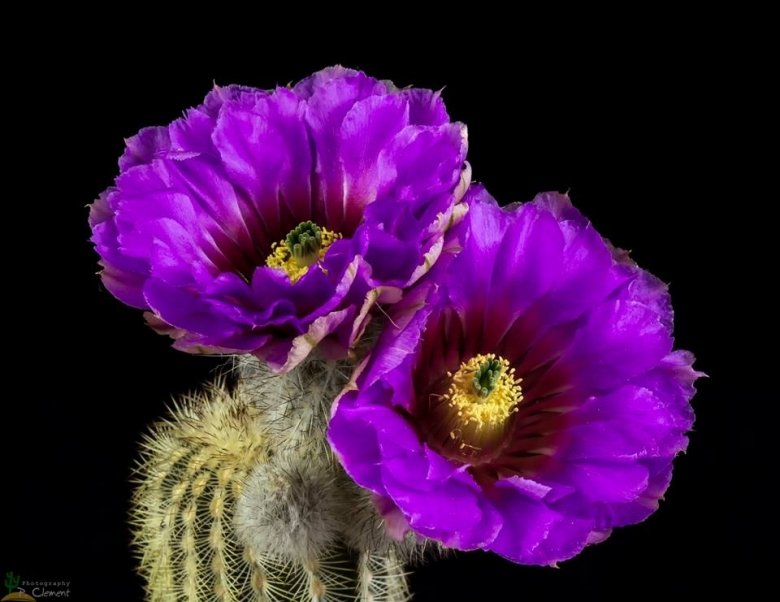
Flowers: Funnelform magenta-pink close to the end of the stems of the youngest areoles, which are white and woolly. 6-12 cm in diameter. Stamen yellow; stigma green; style white. They have a spiny, woolly, funnel-shaped tube.
Origin and Habitat
USA (Oklahoma, Texas)
Cultivation and Propagation
This cacti, native to the Great Plains, whether found growing directly in the grasslands or in rock outcroppings, are among the most frost and moisture tolerant. In culture Echinocereus baileyi is without problems and regularly shows its large purple flowers, if we provide an adequate winter rest period. It grows well in an unheated greenhouse, but this species can survive in a protected bed as well. It is hardy to -30° C or less for short periods of time. It needs good drainage, Keep drier and cool in winter. Need full sun.
Propagation: By seeds or cuttings, as it branches freely from the base.
Bibliography
Major references and further lectures
-
Edward F. Anderson (2001) “ The Cactus Family”.
-
Curt Backeberg “Cactus Lexicon” Sterling Publishing Company, Incorporated, 1978
-
David Hunt, Nigel Taylor “The New Cactus Lexicon” DH Books, 2006
-
Del Weniger “Cacti of the Southwest: Texas, New Mexico, Oklahoma, Arkansas, and Louisiana” University of Texas Press, 1969
-
James Cullen, Sabina G. Knees, H. Suzanne Cubey “The European Garden Flora Flowering Plants: A Manual for the Identification of Plants Cultivated in Europe, Both Out-of-Doors and Under GlassCambridge University Press, 11/ago/2011
-
Lyman David Benson “The Cacti of the United States and Canada” Stanford University Press, 1982
From llifle page Echinocereus albispinus
Description
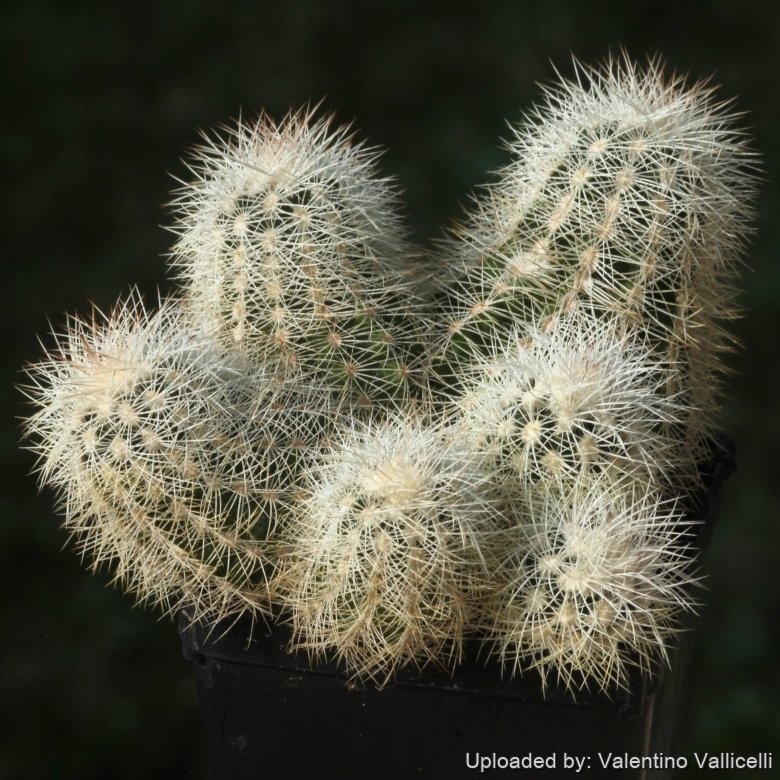
Echinocereus reichenbachii var. albispinus is a local or morphological form of the variable Echinocereus reichenbachii subs. baileyi. It is rarely found in cultivation and differentiates from standard baileyi only for the very attractive white spination (Latin “albispinus” = white spined), all the other characteristics are identical, namely size and form of stems, number of spines, flowers, fruits ans seeds.
Remark: Do not confound this plant with Echinocereus reichenbachii f. albispinus, which is a white form of Echinocereus reichenbachii (subsp. reichenbachii).
Habit: Solitary or branching from the base.
Stems: Cylindrical, 10-20 cm or more in height and has a diameter up 4- 9 cm.
Ribs: About 15 acute, slender or sometimes arranged spirally, bearing oval areoles.
Central spines: No central spine.
Radials spines: about 16 needle-shaped, bristly spreading which point outward and downward, white to delicately pinkish, 1-2 cm long.
Flowers: Funnelform magenta-pink close to the end of the stems of the youngest areoles, which are white and woolly. 6-12 cm in diameter.
Remarks: The taxonomic and geographic boundaries among the segregate species or infraspecific taxa of Echinocereus reichenbachii remain nebulous and controversial. In no place do pure populations exist sympatrically, and all taxa appear completely interfertile.
Origin and Habitat
USA (Oklahoma)
Cultivation and Propagation
This cacti, native to the Great Plains, whether found growing directly in the grasslands or in rock outcroppings, are among the most frost and moisture tolerant. In culture E. baileyi is without problems and regularly shows its large purple flowers if we provide an adequate winter rest period. It grown well in an unheated greenhouse, but this species can survive in a protected bed as well. Very cold resistant hardy to -30° C or less for short periods of time. It needs good drainage. Keep drier and cool in winter. Need full sun.
Propagation: Seeds or cutting as it branches freely from the base.
Bibliography
Major references and further lectures
-
Edward F. Anderson (2001) “ The Cactus Family”.
-
Curt Backeberg “Cactus Lexicon” Sterling Publishing Company, Incorporated, 1978
-
David Hunt, Nigel Taylor “The New Cactus Lexicon” DH Books, 2006 ISBN 0953813444, 9780953813445
-
Del Weniger “Cacti of the Southwest: Texas, New Mexico, Oklahoma, Arkansas, and Louisiana” University of Texas Press, 1969
-
James Cullen, Sabina G. Knees, H. Suzanne Cubey “The European Garden Flora Flowering Plants: A Manual for the Identification of Plants Cultivated in Europe, Both Out-of-Doors and Under GlassCambridge University Press, 11/ago/2011
-
Lyman David Benson “The Cacti of the United States and Canada” Stanford University Press, 1982
Source: Echinocereus albispinus, LLIFLE - Encyclopedia of living forms, CC-BY-SA, retrieved 2026-10-25.
From llifle page Echinocereus baileyi var. brunispinus
Description
Solitary or branching from the base
Stems: Cylindrical 10-20(40) cm tall 4-10 cm in diameter;
Ribs: About 15 acute, slender or sometimes arranged spirally, bearing oval areoles.
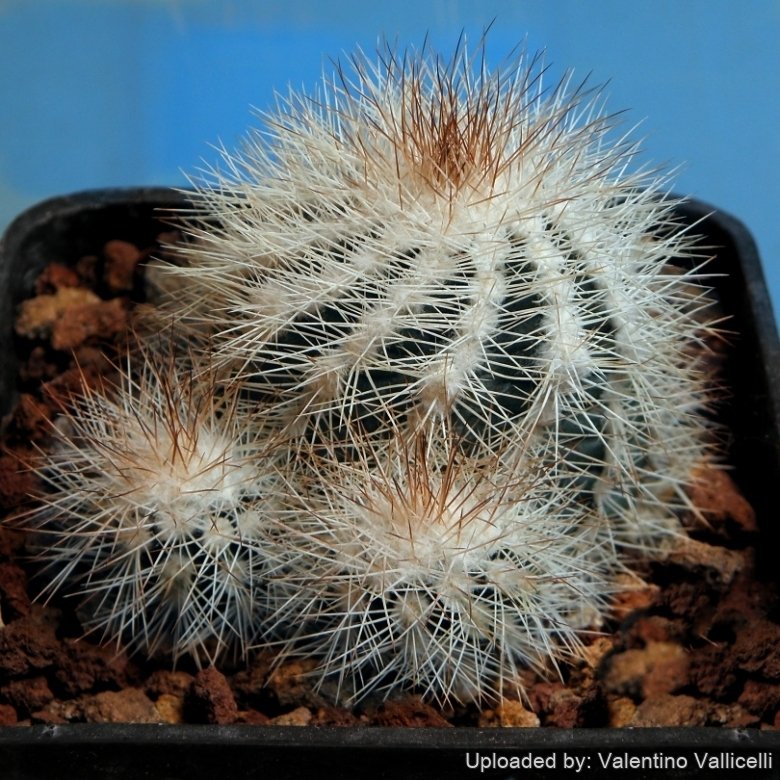
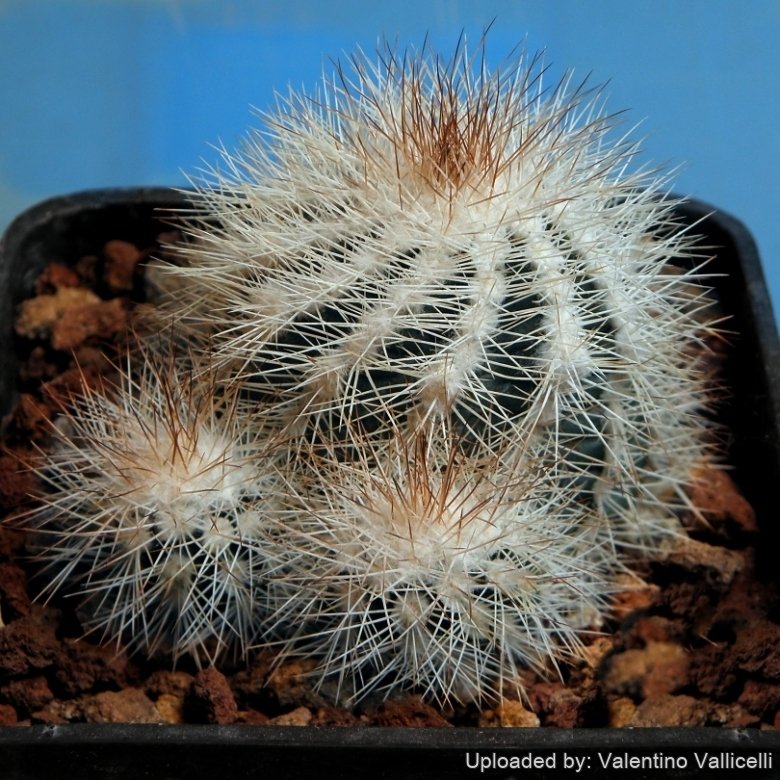
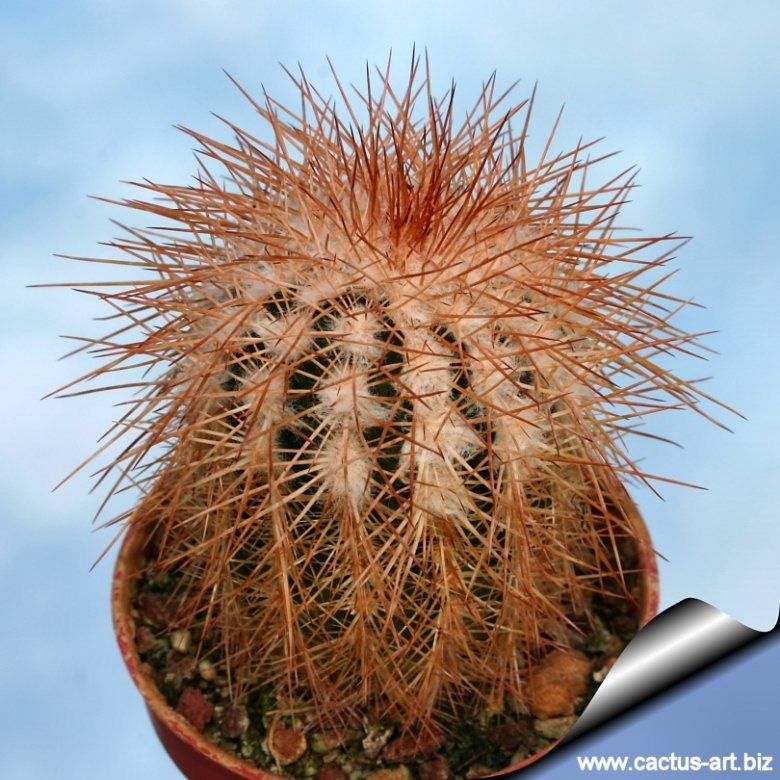
Spines: No central spine; Radials: ± 16 needle-shaped, bristly spreading which point outward and downward, brownish 1-3 cm long.
Flowers: Funnelform magenta-pink close to the end of the stems of the youngest areoles, which are white and woolly. 6-12 cm in diameter. Stamen yellow; stigma green; style white. They have a spiny, woolly, funnel-shaped tube.
Remarks: The taxonomic and geographic boundaries among the segregate species or infraspecific taxa ofEchinocereus reichenbachii remain nebulous and controversial. In no place do pure populations exist sympatrically, and all taxa appear completely interfertile.
Origin and Habitat
TL: Oklahoma, Wichita Mtns.
Cultivation and Propagation
This cacti, native to the Great Plains, whether found growing directly in the grasslands or in rock outcroppings, are among the most frost and moisture tolerant. In culture E. baileyi is without problems and regularly shows its large purple flowers, if we provide an adequate winter rest period. It grows well in an unheated greenhouse, but this species can survive in a protected bed as well. It is hardy to -30° C or less for short periods of time. It needs good drainage, Keep drier and cool in winter. Need full sun.
Propagation: By seeds or cuttings, as it branches freely from the base.
Notes
Backeberg in Cactaceae (Backeberg) 1960 lists Echinocereus longispinus and Echinocereus oklahomensis as synonyms of E. bailey var. brunispinus.
Source: Echinocereus baileyi var. brunispinus, LLIFLE - Encyclopedia of living forms, CC-BY-SA, retrieved 2026-10-25.
From llifle page Echinocereus baileyi var. caespiticus
Origin and Habitat
Oklahoma (North-Central U.S.A., Northern America)
Source: Echinocereus baileyi var. caespiticus, LLIFLE - Encyclopedia of living forms, CC-BY-SA, retrieved 2026-10-25.
From llifle page Echinocereus oklahomensis
Description
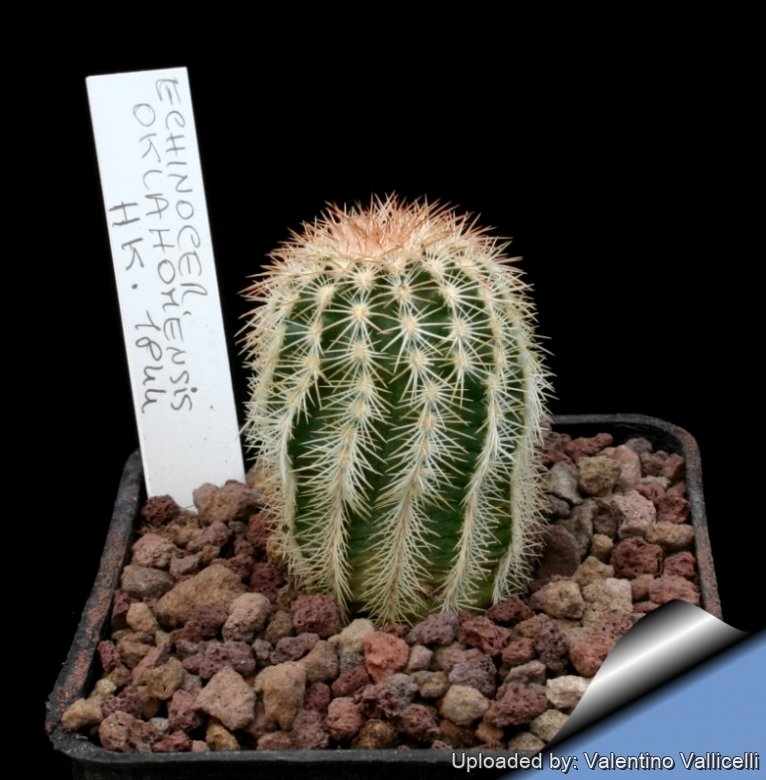
Echinocereus oklahomensis true to its name, is found in south-west Oklahoma. It is one of the morphological or local forms of the very variable Echinocereus reichenbachii subs. baileyi distinguished by having 20-24 radial spines only 2 cm long and 0-2 centrals. There are no other clear distinguishing features, and they must all be regarded as the same species.
Habit: Solitary or branching from the base.
Stems: Cylindrical 10-20(40) cm tall 4-10 cm in diameter.
Ribs: About 15 acute, slender or sometimes arranged spirally, bearing oval areoles.
Central spines: No central spine (usually) or occasionally 1 or 2.
Radial spines: 20-24 needle-shaped, bristly spreading which point outward and downward, white, yellow, reddish, brownish or pinkish, about 2 cm long cm long.
Flowers: Funnelform magenta-pink close to the end of the stems of the youngest areoles, which are white and woolly. 6-12 cm in diameter. Stamen yellow; stigma green; style white. They have a spiny, woolly, funnel-shaped tube.
Origin and Habitat
Oklahoma, USA.
Cultivation and Propagation
Echinocereus oklahomensis is fairly easy to grow. It makes great potted specimens.
Soil: Use a mineral well permeable soil with little organic matter (peat, humus). It grows in limestone areas of Texas (Big Bend area) and adjacent areas of Mexico, so will probably benefit from extra calcium in its soil.
Growth rate: It grows well, though slowly, but it possible to increase the speed of growth to some extent by providing adequate amount of water, warmth, and a liquid fertilizer diluted half strength during the active growing season, but it’s susceptible to rotting if too wet. Most plants will offset readily, and clumps can be produced in a few years.
Soil: It needs a very porous, slightly acidic potting medium (add pumice, vulcanite, and perlite). Outdoors it does well on poor, rocky soils.
Exposure: It likes a sunny position also blasting sun in summer. If grown indoor provide 4 to 6 hours, or more, direct morning or afternoon sun.
Watering: It is sensitive to overwatering (rot prone) needs a very good drainage to avoid rotting, but requires more moisture than true desert cacti to grow and produce flowers.
Hardiness: It its natural environment it is very cold resistant from -10° to -25° C (depending on clones) or less for short periods of time. It can be grown outdoors in Mediterranean warm-temperate climates, But for safe cultivations needs anyway to kept above 5 °C and dry in winter. But it can tolerate temperatures down to -5° C (or even less) for very short periods if very dry and ventilated. During winter month, put them in a cool luminous place and encourage them to enter winter dormancy by withholding water and fertiliser over the winter as they will etiolate, or become thin, due to lower levels of light.
Maintenance: Repot every two years. Needs lots and lots of space to grow, use large shallow container or bowl filled with very porous compost. It like pots with generous drain holes.
Pest & diseases: They are susceptible to fungal diseases if overwatered, but are not nearly as sensitive as many other cacti, especially in warm weather. If kept damp through cold periods, they will invariably suffer.
Uses: It is a fine plant for a rock garden or container, contrasts well with agaves, yuccas, and low-growing flowering plants.
Propagation: Seeds, also can be grown from cutting as it slowly branches from the base. The seeds may be germinated and grown in containers. Their main requirements consist of high humidity levels, free-draining soil mix, and enough water, light, and nutrition.
Source: Echinocereus oklahomensis, LLIFLE - Encyclopedia of living forms, CC-BY-SA, retrieved 2026-10-25.
Gallery