Publication: Gen. Echinocereus 133. 1985
Description
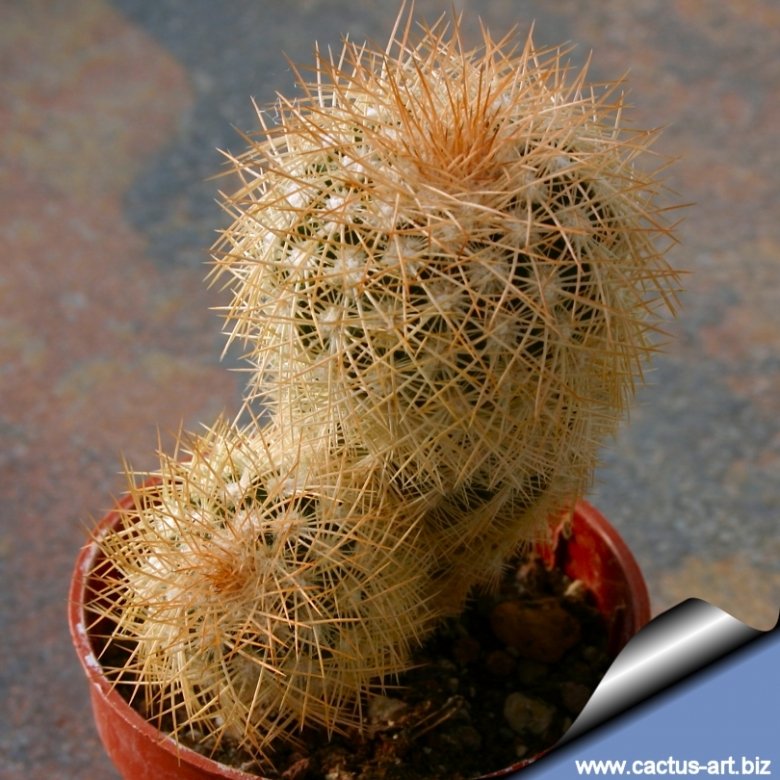
Solitary or branching from the base.
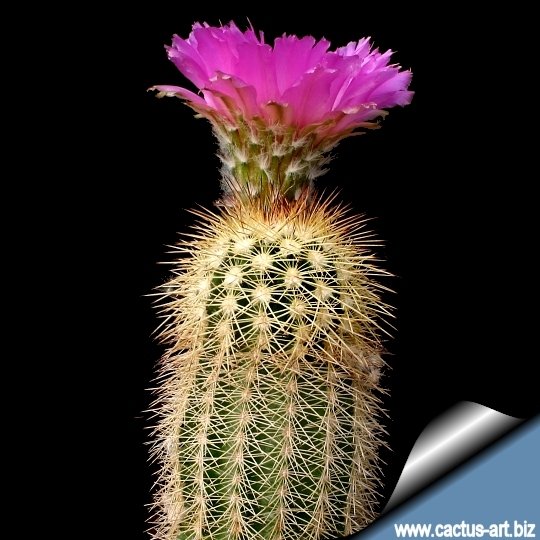
Stems: Cylindrical 10-20(40) cm tall 4-10 cm in diameter.
Ribs: About 15 acute, slender or sometimes arranged spirally, bearing oval areoles.
Central spines: No central spine.
Radial spines: about 16 needle-shaped, bristly spreading which point outward and downward, white, yellow, reddish, brownish or pinkish, 1-3 cm long.
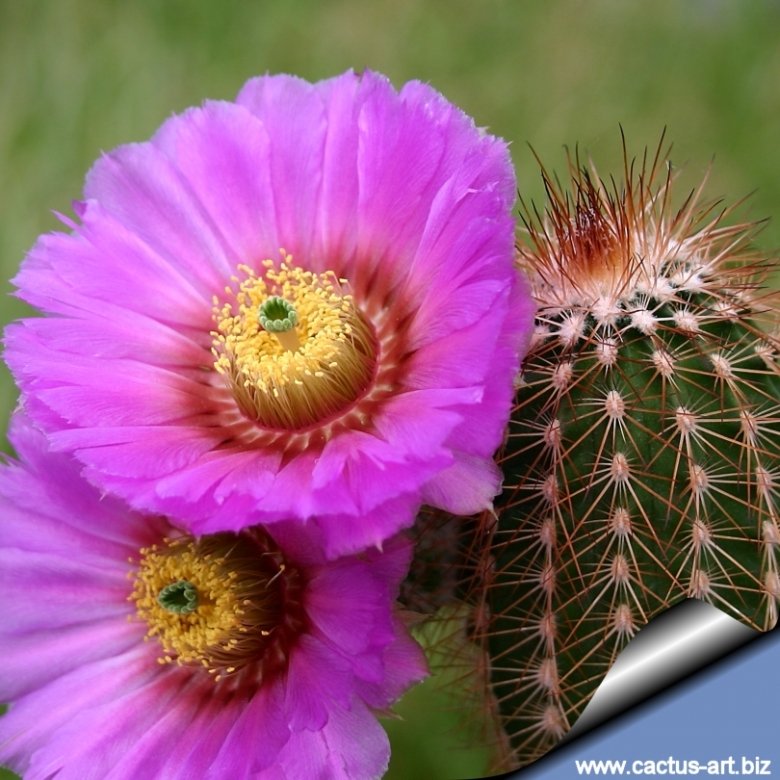
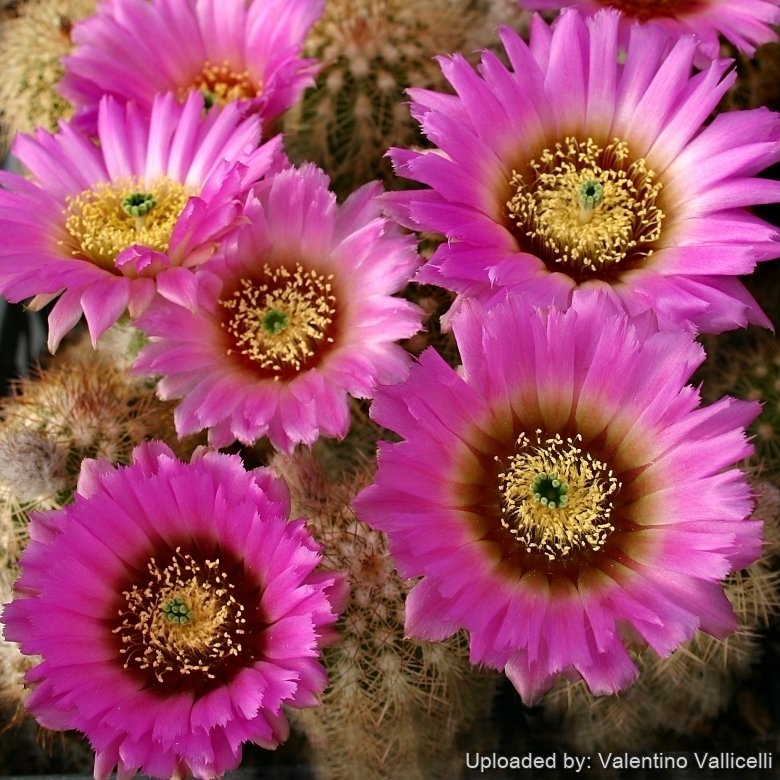
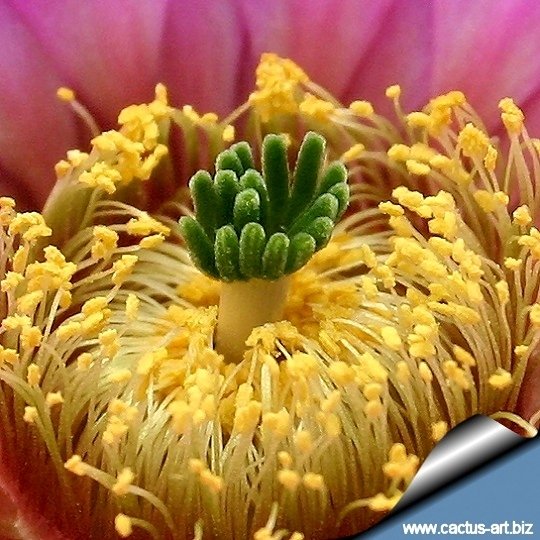
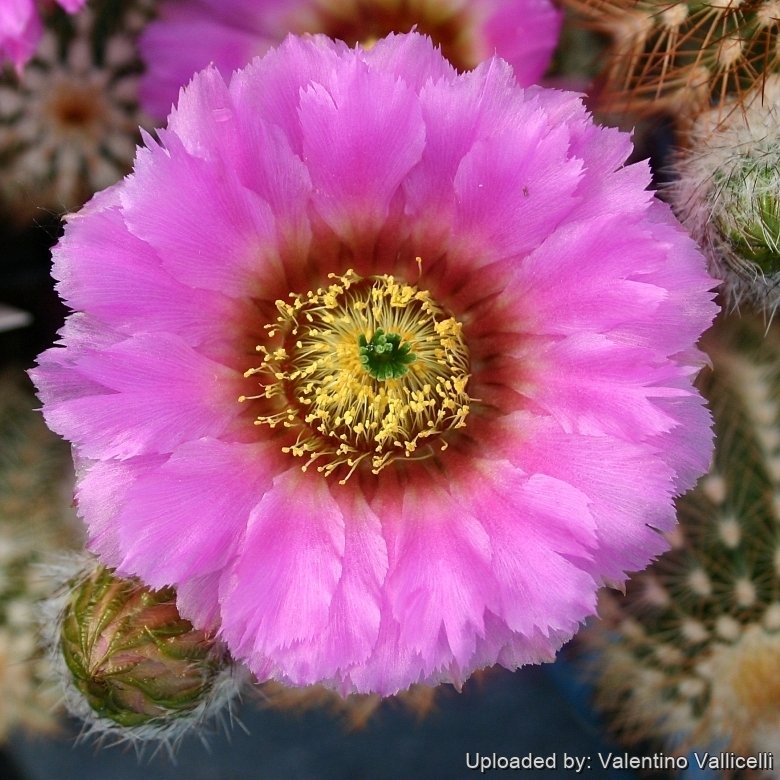
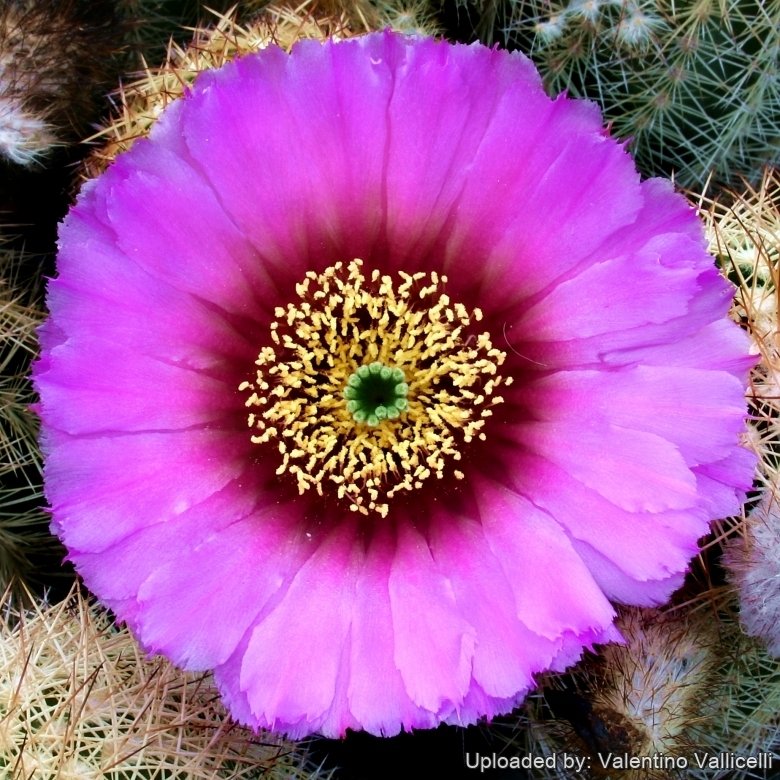
Flowers: Funnelform magenta-pink close to the end of the stems of the youngest areoles, which are white and woolly. 6-12 cm in diameter. Stamen yellow; stigma green; style white. They have a spiny, woolly, funnel-shaped tube.
Origin and Habitat
USA (Oklahoma, Texas)
Cultivation and Propagation
This cacti, native to the Great Plains, whether found growing directly in the grasslands or in rock outcroppings, are among the most frost and moisture tolerant. In culture Echinocereus baileyi is without problems and regularly shows its large purple flowers, if we provide an adequate winter rest period. It grows well in an unheated greenhouse, but this species can survive in a protected bed as well. It is hardy to -30° C or less for short periods of time. It needs good drainage, Keep drier and cool in winter. Need full sun.
Propagation: By seeds or cuttings, as it branches freely from the base.
Bibliography
Major references and further lectures
-
Edward F. Anderson (2001) “ The Cactus Family”.
-
Curt Backeberg “Cactus Lexicon” Sterling Publishing Company, Incorporated, 1978
-
David Hunt, Nigel Taylor “The New Cactus Lexicon” DH Books, 2006
-
Del Weniger “Cacti of the Southwest: Texas, New Mexico, Oklahoma, Arkansas, and Louisiana” University of Texas Press, 1969
-
James Cullen, Sabina G. Knees, H. Suzanne Cubey “The European Garden Flora Flowering Plants: A Manual for the Identification of Plants Cultivated in Europe, Both Out-of-Doors and Under GlassCambridge University Press, 11/ago/2011
-
Lyman David Benson “The Cacti of the United States and Canada” Stanford University Press, 1982
Gallery