Publication: Cact. Succ. J. (Los Angeles) 41: 128. 1969
Description
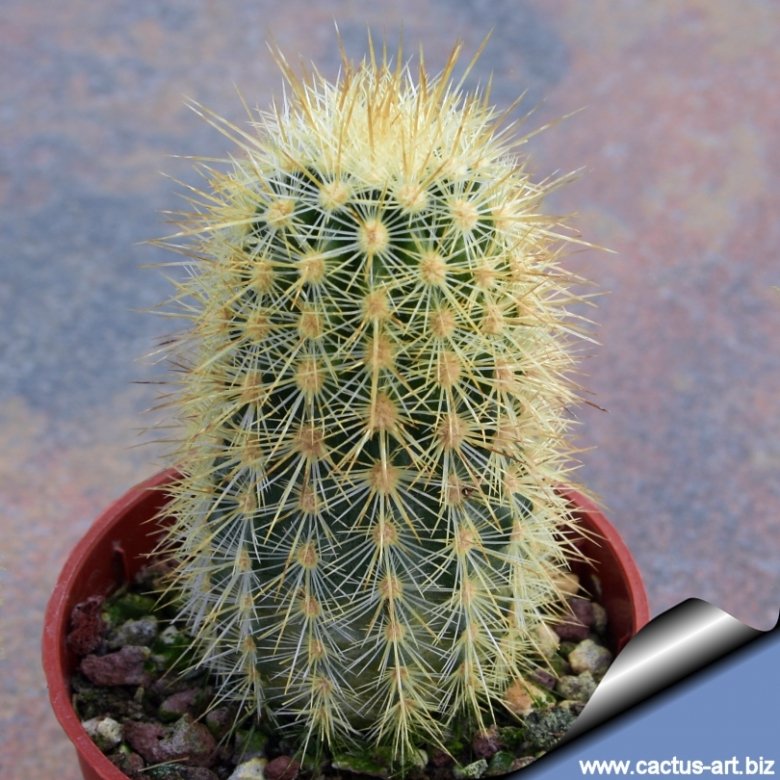
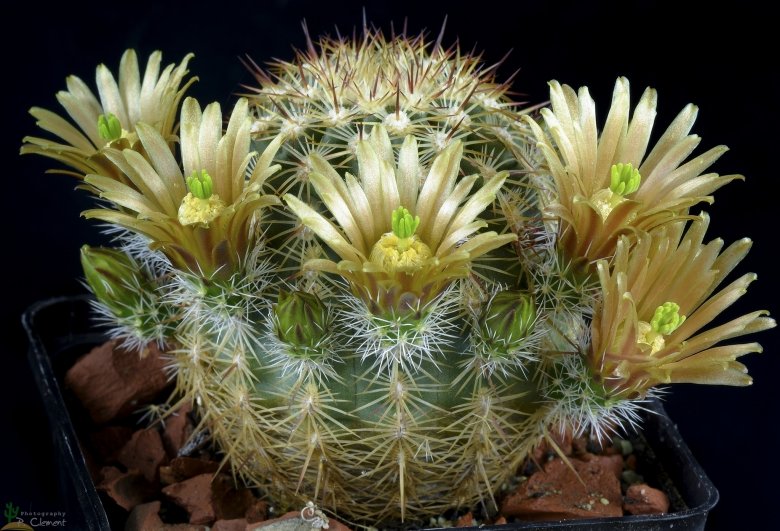
Usually grows singly or forms two or more stems , but never forms large clusters or mounds.
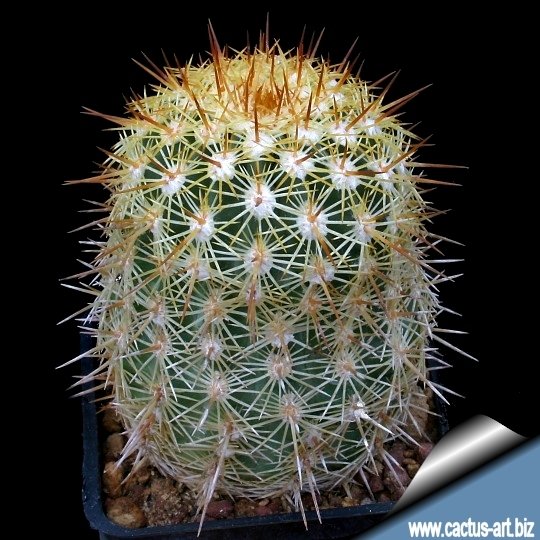
Stems: as much as 7,5 cm in diameter and 15 (25) cm tall.
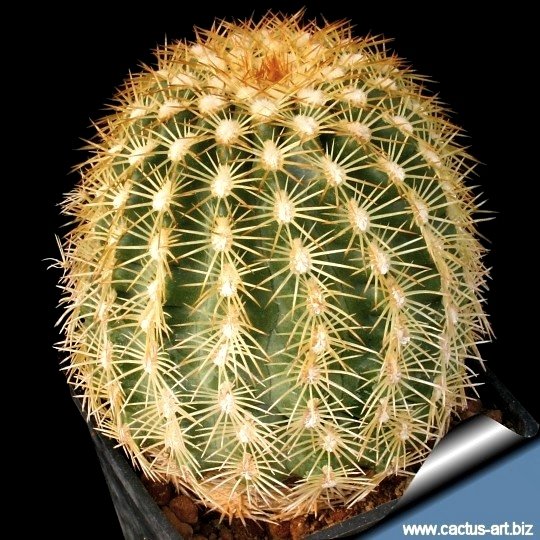
Spines: This species has short shiny yellowish spines but show a considerable variability in spine shape, some plants has only radials while other have a variable number of short centrals.
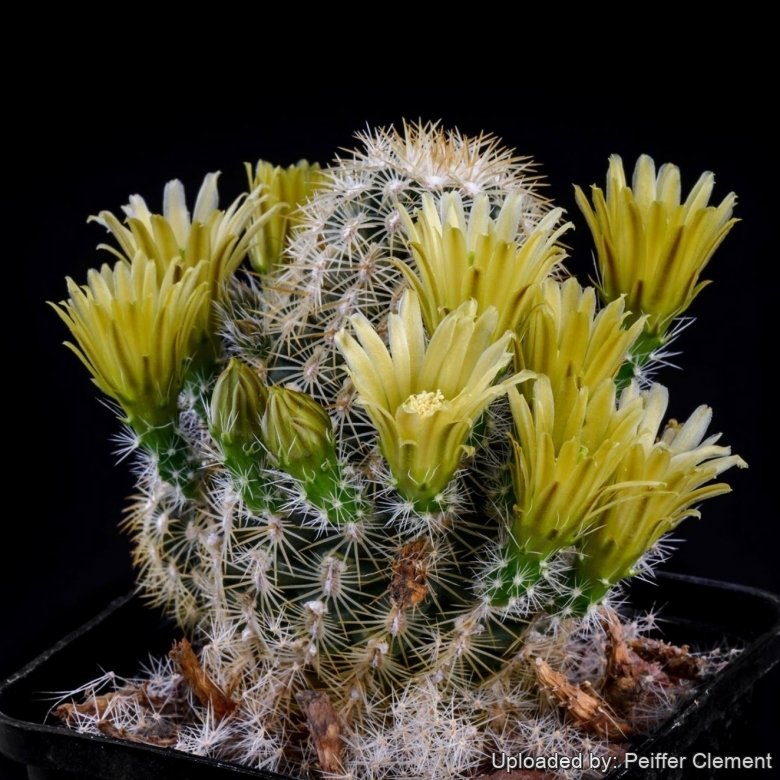
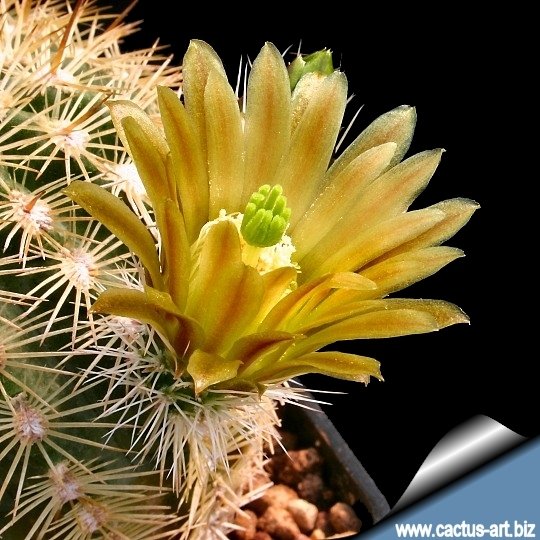
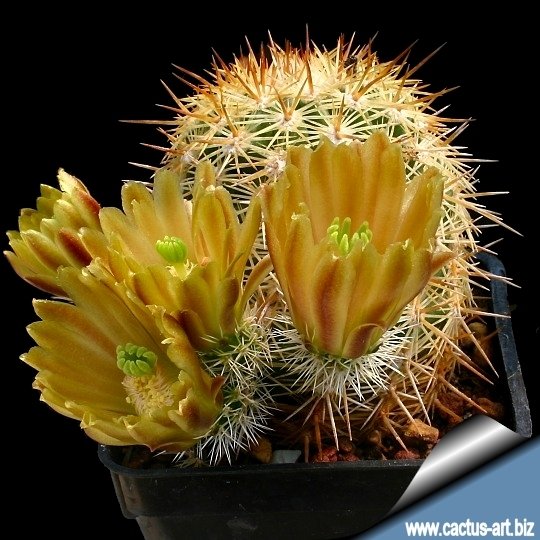
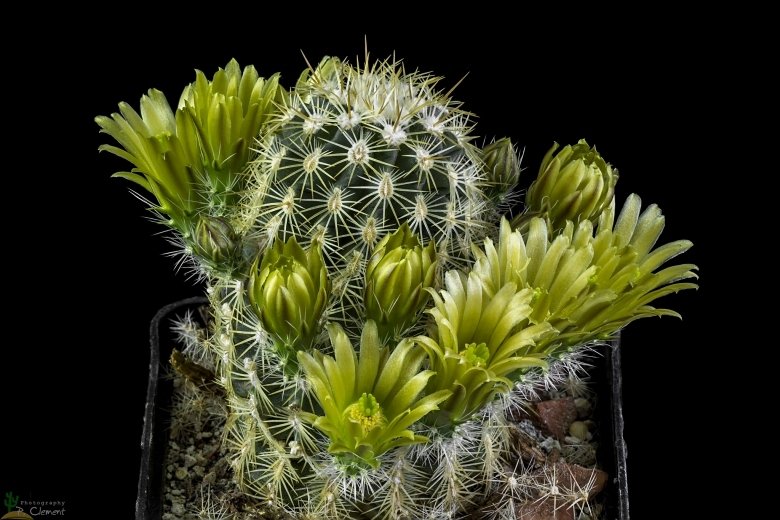
Flowers: Smaller than others in this genus about 2,5 cm long and 2,5 cm inch broad. Brown yellowish, and grow well down on the busides, often forming a band around the middle. Blooms in March or April.
Fruit: The fruit is small about the size of a small grape, green at first and later turning a purplish red and spiny.
Remarks: Echinocereus chloranthus is part of the Echinocereus viridiflorus compless that comprises a large number of infraspecific taxa, differing in various combinations of flower color, spine color, number and thickness of central spines, and other characters, including floral scent. Wherever such taxa are sympatric they intergrade; all are freely interfertile in the greenhouse.
Origin and Habitat
S. Marathon, Brewster CO, Davis Mts, Texas.
Cultivation and Propagation
Rot easily it is sensitive to overwatering (rot prone) needs a very good drainage to avoid rotting, Keep drier and cool in winter. Need full sun. Cold resistant above approx - 12C or less for short periods of time.
Propagation: It can be grown from seeds.
Bibliography
Major references and further lectures
-
David Hunt, Nigel Taylor “The New Cactus Lexicon” DH Books, 2006
-
John Pilbeam (1999) “Mammillaria The Cactus File Handbook” Nuffield Press.
-
Edward F. Anderson “The Cactus Family” Timber Press, 2001
-
James Cullen, Sabina G. Knees, H. Suzanne Cubey “The European Garden Flora Flowering Plants: A Manual for the Identification of Plants Cultivated in Europe, Both Out-of-Doors and Under Glass”Cambridge University Press, 11/ago/2011
Gallery