Publication: Mem. Tour N. Mexico [Wislizenus] 91. 1848
Description
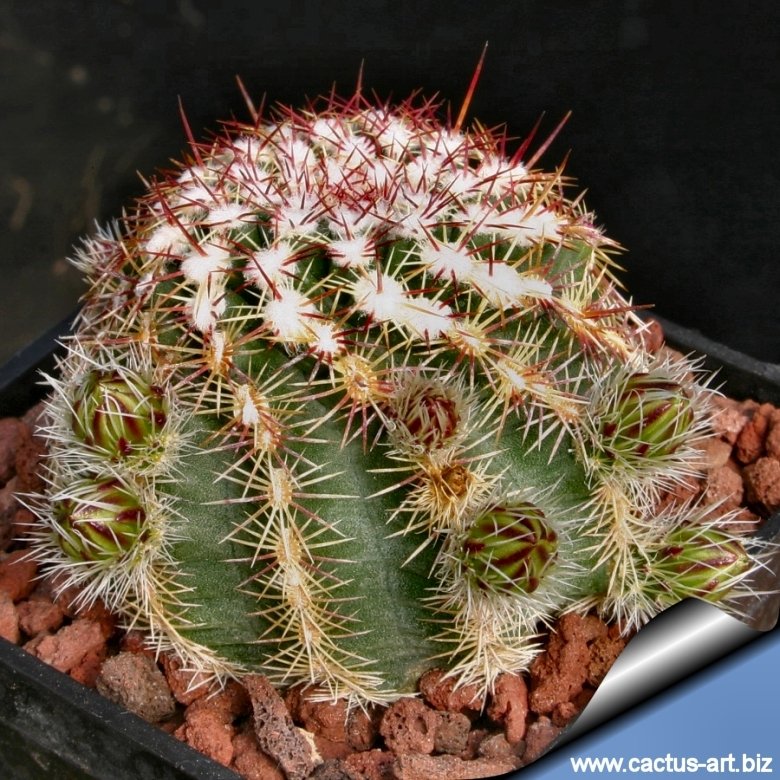
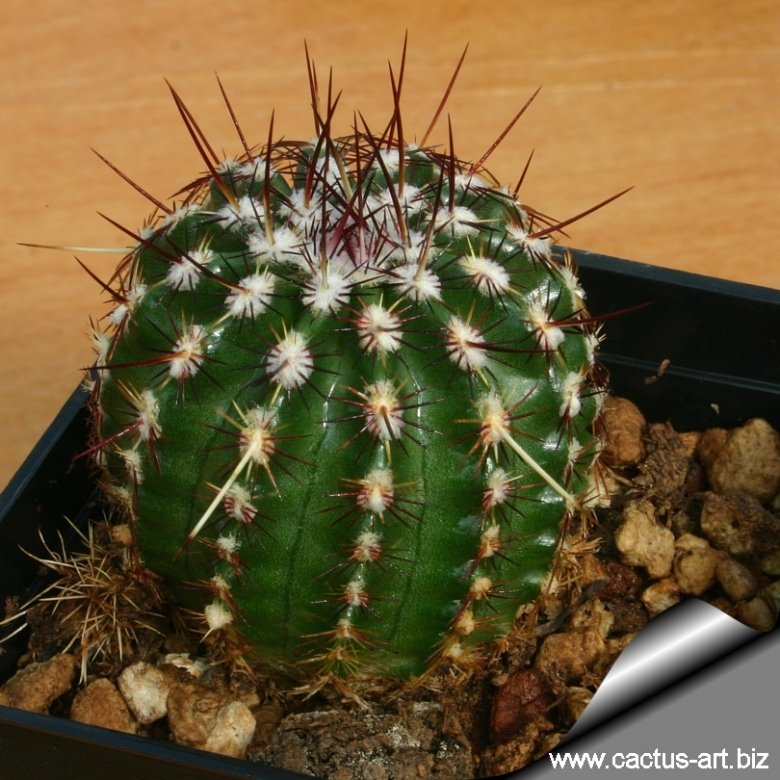
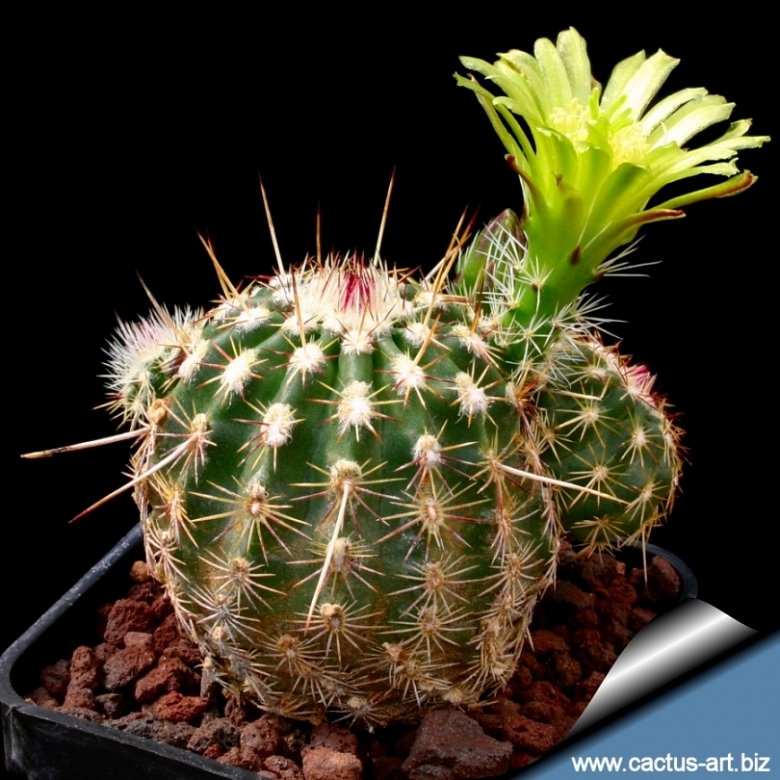
E. viridiflorus is a compless that comprises a large number of infraspecific taxa, differing in various combinations of flower color, spine color, number and thickness of central spines, and other characters, including floral scent. Wherever such taxa are sympatric they intergrade; all are freely interfertile in the greenhouse.
There are numerous varieties and subspecies. The following subspecies are currently recognized: the nominate form, subsp. chloranthus (Engelm.) N.P.Taylor, subsp. correllii (L.D.Benson) W.Blum & Mich.Lange, subsp. cylindricus (Engelm.) N.P.Taylor, and subsp. davisii (Houghton) N.P.Taylor.
Origin and Habitat
Echinocereus viridiflorus occurs in Kansas, New Mexico, Oklahoma, South Dakota, Texas and Wyoming (United States). Scientific literature also reports it from the Mexican states of Chihuahua and Coahuila, and Colorado in the United States. It occurs farther north than any other member of the genus, into the cooler regions of the Great Plains grassland, as far as South Dakota and to the Mountainous areas of New Mexico and central Colorado.
Altitude range: It grows at elevations of 900 to 2,700 metres above sea level.
Habitat and Ecology: Echinocereus viridiflorus grows in grasslands, mountain parklands and pinyon and juniper woodland in gravelly soils of foothills, plains, and washes in grassland or along edges of woodlands. It is wide-ranging, abundant, and there are no major threats. Furthermore, it occurs in many protected areas. Hence, it is listed as Least Concern. The species is used as an ornamental and it is cultivated for that purpose.
Cultivation and Propagation
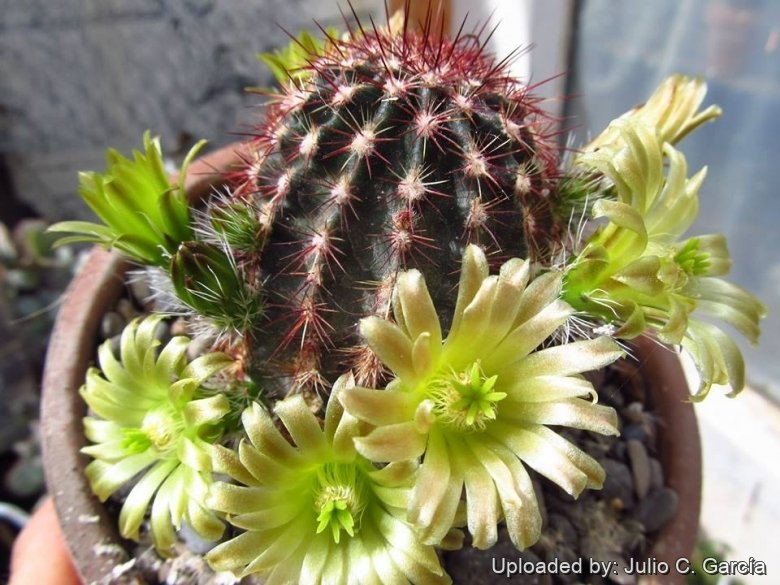
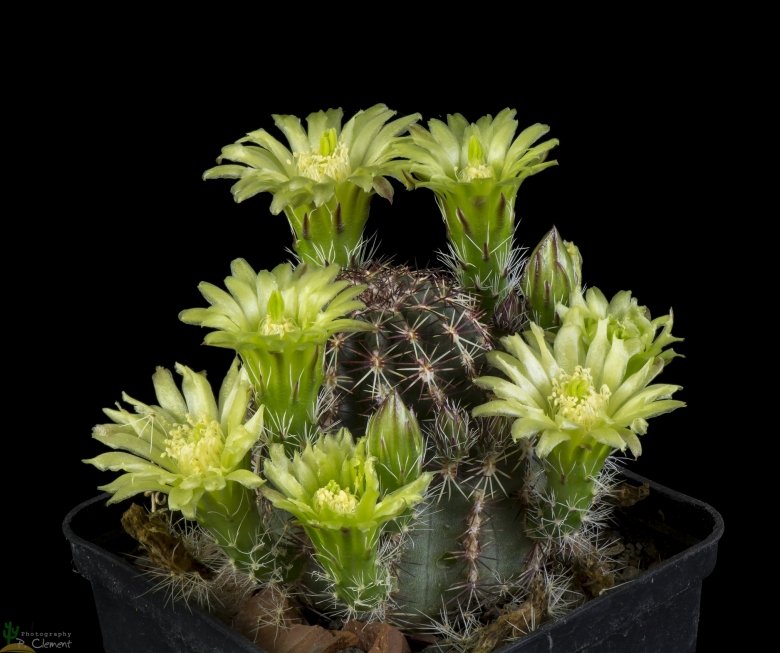
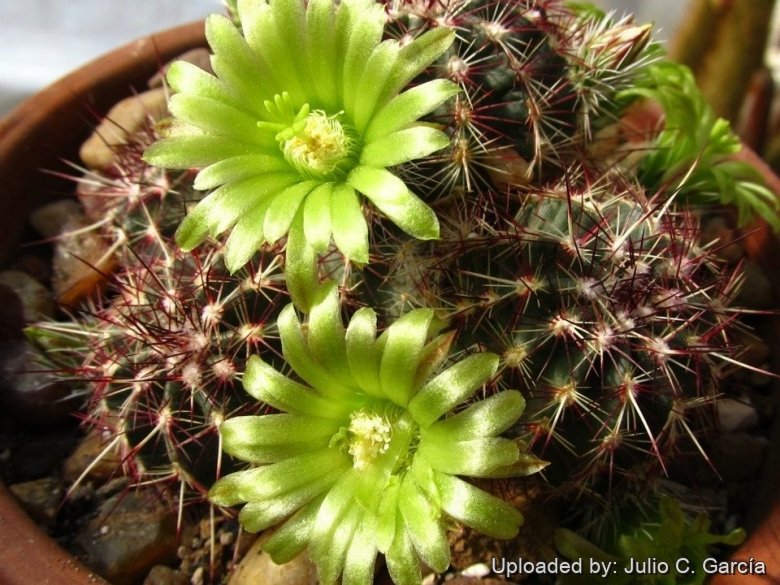
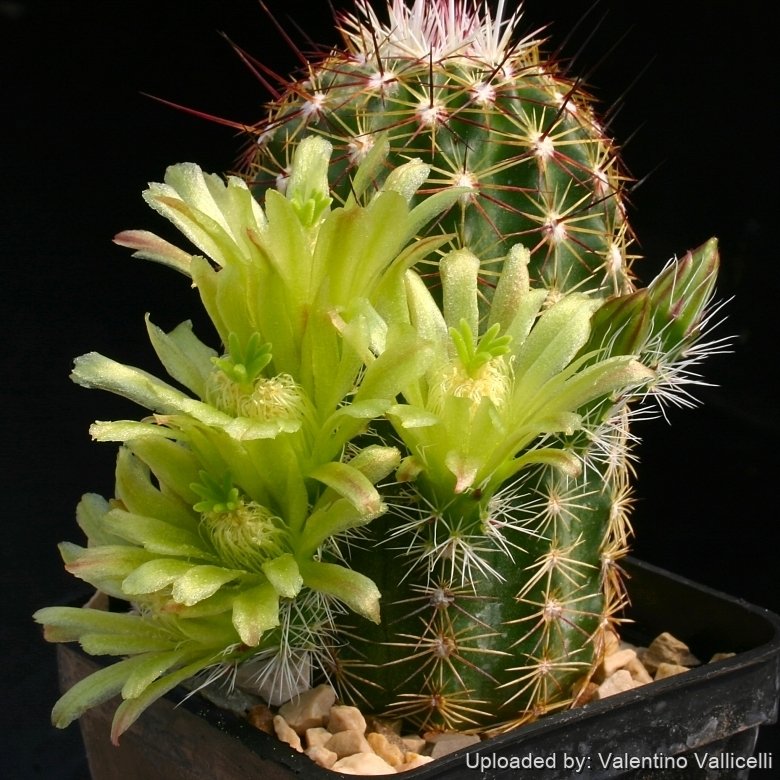
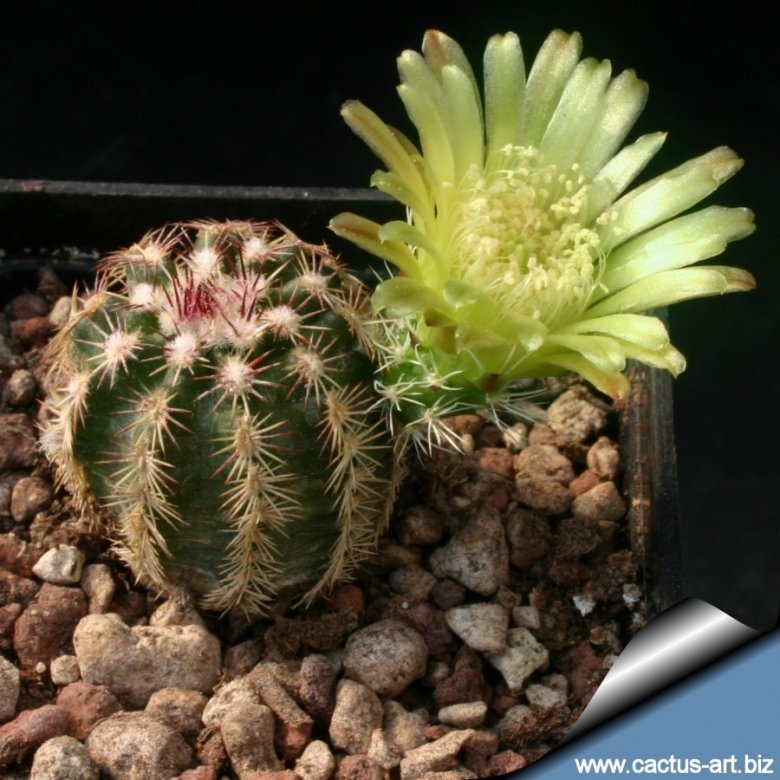
In culture E. viridiflorus is without problems and regularly shows its small green flowers if we provide an adequate winter rest period. It is sensitive to overwatering (rot prone) needs good drainage, Keep drier and cool in winter. Need full sun; Very cold resistant hardy to -20° C or less for short periods of time.
Propagation: Seeds or cutting (if available)
Notes
Echinocereus viridiflorus in the broad sense may prove paraphyletic with respect to Echinocereus davisii, but they are phenologically isolated, with E. davisii flowering earlier and thus appearing reproductively isolated in the wild.
Bibliography
Major references and further lectures
-
David Hunt, Nigel Taylor “The New Cactus Lexicon” DH Books, 2006
-
Heil, K., Terry, M. & Corral-Díaz, R. 2013. Echinocereus viridiflorus. The IUCN Red List of Threatened Species. Version 2014.3. <www.iucnredlist.org>. Downloaded on 28 November 2014.
-
Edward F. Anderson “The Cactus Family” Timber Press, 2001
-
James Cullen, Sabina G. Knees, H. Suzanne Cubey “The European Garden Flora Flowering Plants: A Manual for the Identification of Plants Cultivated in Europe, Both Out-of-Doors and Under Glass” Cambridge University Press, 11/Aug/2011
From llifle page Cereus viridiflorus var. minor
Origin and Habitat
New Mexico, U.S.A
Source: Cereus viridiflorus var. minor, LLIFLE - Encyclopedia of living forms, CC-BY-SA, retrieved 2026-10-25.
Cultivars and forms (20)
Subspecies (4)
Varieties (12)
- Echinocereus viridiflorus var. canus
- Echinocereus viridiflorus var. chloranthus
- Echinocereus viridiflorus var. correllii
- Echinocereus viridiflorus var. cylindricus
- Echinocereus viridiflorus var. davisii
- Echinocereus viridiflorus var. intermedius
- Echinocereus viridiflorus var. minor
- Echinocereus viridiflorus var. montanus
- Echinocereus viridiflorus var. neocapillus
- Echinocereus viridiflorus var. rhyolithensis
- Echinocereus viridiflorus var. robustior
- Echinocereus viridiflorus var. tubulosus
Cultivars (1)
Other names (1)
Gallery