Publication: Cact. World 24(3): 142 (-143; figs. 4-8). 2006 [Sep 2006]
Origin and Habitat
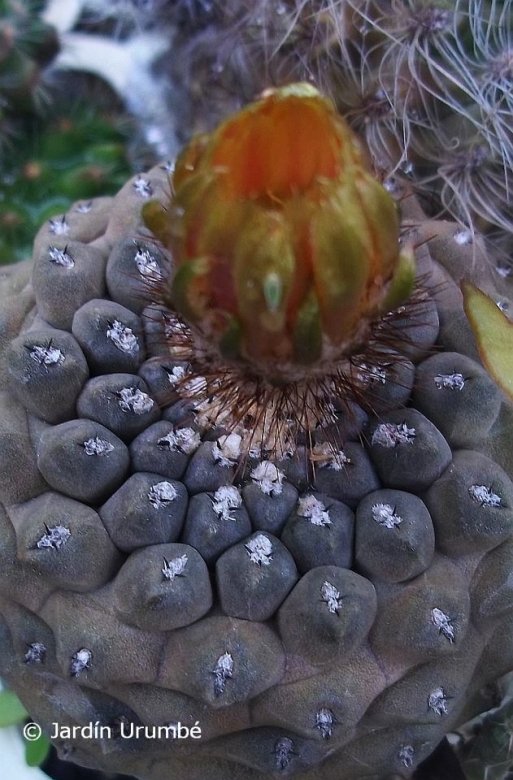
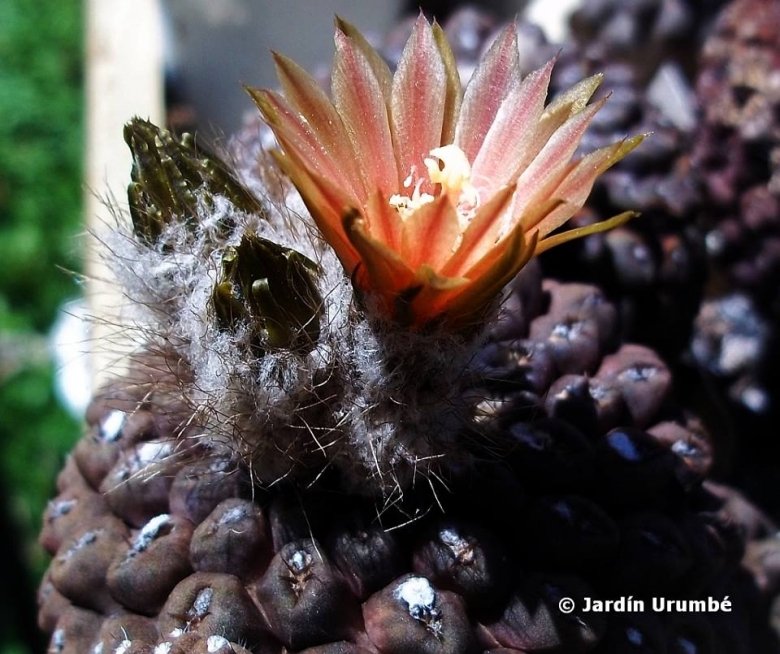
Eriosyce napina subsp. riparia is a strictly endemic cactus that only grows in in a small spot at Elqui, east of Trapiche.
Habitat and ecology: The original population, localized near electricity pylon 227 along the road, has been almost completely swept by the building of the new road that lies right over the top of them. A lorry park now sits on the Eriosyce napina subsp. riparia site. Very few, if any, individual survive in habitat.
Cultivation and Propagation
Eriosyce napina var. riparia is a summer-growing species of relatively easy cultivation. This plant is extremely xerophytic and adapted to very dry soils. It has a thick taproot and is susceptible to over-watering if kept in a non ventilated place. This cactus continues to be, a particular prize among collectors.
Growth rate: Slow-growing.
Soil: Grow it in an open mineral, sandy-gritty cactus compost and provide a very good drainage. It needs deep pots to accommodate its taproot.
Exposure: It is suited for sunny-brightly exposure; can tolerate light shade and has a good heat tolerance. But it will do its best only with lots of sun and become stressed with inadequate light which could result in poor growth and unnatural shape.
Watering: Water in moderation, it prefer a completely dry place during winter. Mature individuals easily rot and die especially after planting so be extremely cautious with watering. Keep dry in winter or when night temperatures remain below 10° C. Water it less than average if in bigger pots.
Fertilization: Feed them once during the growing season with a fertilizer specifically formulated for cactus and succulents (high potash fertilizer with a dilute low nitrogen), including all micro nutrients and trace elements diluted to ½ the strength recommended on the label. They thrive in poor soils and need a limited supplies of fertilizer to avoid the plants developing excess vegetation, which is easily attacked by fungal diseases.
Special need: It is suited for airy exposures. Provide very good ventilation. Nearly all problems occur as a result of overwatering and poor ventilation, especially when weather conditions are dull and cool or very humid. They must have very dry atmosphere.
Hardiness: It likes warmth (recommended minimum winter temperature 5° C) But plants kept perfectly dry can easily survive to winter night temperatures below 0° C.
Propagation: Usually propagated from Seeds. (seldom produces offsets) or graft. The seeds can be sown in pots of fine, well-drained sandy soil, any time during the spring when temperatures are warm. Cover the seeds with a fine layer of grit and water from below with a fungicide to prevent damping off. For the 1-2 weeks cover the pots with a sheet of glass/clear perspex to keep the humidity levels high. Remove the glass and replace it with light shade-cloth and mist once or twice a day for the next two weeks after which most seeds should have germinated. From then on mistings can be reduced to every second and then every third day as the little plants grow. The seedlings should not be disturbed until they are well rooted after which they can be planted separately in small pots. Sometimes it is grafted to avoid root rot problems as plants grafted on an hardy stock are easy to grow and no special skill is required.